Can Facial Exercises Reverse the Signs of Aging?
Discover whether facial exercises can truly reverse aging signs and maintain youthful appearance naturally.
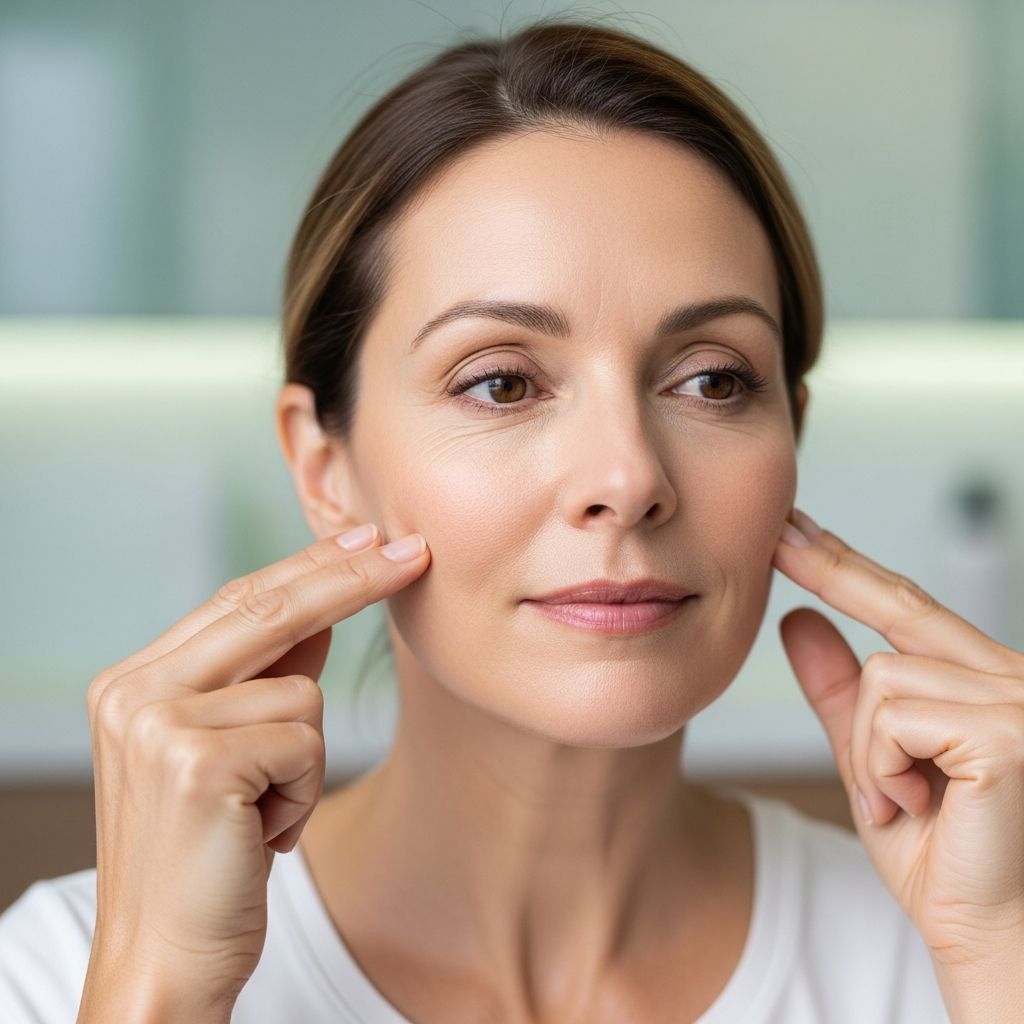
As we age, our faces naturally show the passage of time through wrinkles, sagging skin, and loss of volume. While many turn to expensive cosmetic procedures and skincare products, an intriguing question emerges: can simple facial exercises genuinely reverse these visible signs of aging? Recent research suggests that the answer may be more promising than previously thought. Unlike surface-level treatments, facial exercises work to strengthen and tone the muscles beneath the skin, potentially offering a natural and cost-effective approach to maintaining a youthful appearance.
Understanding Facial Aging
Facial aging is a multifaceted process that involves more than just skin deterioration. The human face contains numerous muscles that, like those throughout the body, can weaken and atrophy over time with disuse. As facial muscles lose strength and volume, the face begins to lose its firmness and definition. This muscular decline particularly affects areas such as the cheeks, jawline, and neck, contributing to a hollowed and less youthful appearance.
Beyond muscle atrophy, aging also involves gravitational effects on facial tissues. As we grow older, fat pads shift, bone structure changes subtly, and skin loses elasticity due to decreased collagen and elastin production. Additionally, the lymphatic system, responsible for maintaining fluid balance and detoxification, can become sluggish with age, resulting in puffiness, fluid retention, and a duller complexion. Understanding these interconnected changes helps explain why facial exercises may offer benefits beyond what surface-level skincare alone can achieve.
The Science Behind Facial Exercises
Facial exercises, also known as face yoga, operate on a fundamental principle: repetitive muscle movements stimulate blood flow to the facial region. When you engage facial muscles through targeted exercises, you increase circulation, delivering oxygen and vital nutrients that support cellular repair and regeneration. This enhanced circulation can significantly boost collagen production, the protein responsible for maintaining skin firmness and elasticity.
Research published in peer-reviewed journals has begun to validate these claims. Studies demonstrate that facial muscle exercises can increase muscle thickness and improve facial structure, particularly in areas including the cheeks, jawline, and neck. The mechanisms at work involve strengthening weakened facial muscles, which can provide better structural support to overlying skin, thereby reducing sagging and softening fine lines. As facial muscles become firmer and larger through regular exercise, they fill out space beneath the skin, contributing to a fuller and more naturally lifted facial appearance.
Key Research Findings on Facial Exercises
Scientific evidence supporting facial exercises has grown substantially in recent years. One landmark study published in a peer-reviewed journal examined participants who engaged in structured facial exercise routines. The research protocol involved 30 minutes of daily facial exercises for eight weeks, followed by alternate-day sessions for an additional 12 weeks, totaling 20 weeks of consistent practice.
The results were notable: participants demonstrated measurable improvements in upper and lower cheek fullness, confirming that facial muscle exercise leads to a more youthful appearance. Beyond objective measurements, participants reported subjective improvements, with many noting that they looked approximately three years younger based on assessments conducted by dermatologists. Study participants also reported increased satisfaction with their overall appearance following the exercise regimen.
Related Stories



Another study examining specific facial movements found that exercises targeting the cheeks, mouth, eyes, and chin may help maintain a youthful appearance and support facial structure. The research indicated that regular facial movements could increase muscle thickness and improve skin elasticity and circulation in the face and neck areas.
The Mechanism: How Facial Exercises Work
The effectiveness of facial exercises stems from several interconnected physiological processes. When you perform facial exercises, you activate facial muscles that have weakened due to age and reduced use. This activation triggers muscle fibers to strengthen and increase in size, a process known as hypertrophy. Stronger facial muscles provide superior structural support to the skin above them, counteracting the effects of gravity and tissue descent.
Simultaneously, the increased blood circulation from facial exercise delivers enhanced oxygen and nutrient supply to facial tissues. This improved circulation supports the skin’s natural repair processes and encourages fibroblasts—cells responsible for collagen production—to work more efficiently. Over time, this sustained increase in circulation can lead to noticeable improvements in skin firmness, elasticity, and overall texture.
Furthermore, facial exercises may stimulate lymphatic drainage, particularly around the eyes and cheeks. A properly functioning lymphatic system helps reduce puffiness and fluid retention, contributing to a more defined and refreshed facial appearance. This lymphatic benefit explains why certain facial exercises specifically target under-eye areas where dark circles and puffiness commonly develop with age.
Specific Facial Exercises for Anti-Aging
While numerous facial exercises exist, several have gained recognition for their particular effectiveness in addressing common aging concerns. Here are some fundamental techniques that research and practitioners recommend:
The Cheek Lift Exercise
This exercise targets cheek muscles and helps combat hollowing and sagging. Smile broadly while keeping your lips closed, then use your finger to gently push your cheeks upward. Hold this position for several seconds before relaxing. This movement strengthens cheek muscles and can enhance cheek fullness over time.
The Jaw and Neck Tightener
Tilt your head back slightly and move your lower jaw forward, creating tension along your jawline and neck. Hold this position for five to ten seconds before releasing. Regular practice of this exercise can help tighten the jawline and reduce the appearance of a double chin by strengthening the muscles in this area.
The Forehead Smoother
Place your fingertips on your forehead and gently press while raising your eyebrows. This exercise helps reduce forehead wrinkles by strengthening the frontalis muscle. Perform this movement slowly and deliberately to maximize muscle engagement.
The Eye Rejuvenator
Gently tap the skin under your eye using your ring finger, gradually moving the taps toward the inner corner and then upward along the eyebrow. This technique promotes lymphatic drainage, reducing dark circles and puffiness while improving circulation in the delicate eye area.
The Frown Preventer
Place your index and middle fingers between your eyebrows, then gently press down while opening your fingers to travel along your eyebrows. Hold for five seconds and repeat. This exercise reduces frown lines by relaxing and conditioning the muscles responsible for furrowing.
Comparing Facial Exercises to Other Anti-Aging Methods
| Method | Cost | Invasiveness | Time Commitment | Results Timeline | Durability |
|---|---|---|---|---|---|
| Facial Exercises | Free | None | 20-30 minutes daily | 8-20 weeks | Requires ongoing practice |
| Topical Creams | $20-100+ | None | 5 minutes daily | 4-12 weeks | Effects diminish when discontinued |
| Dermal Fillers | $500-2,000 | Injections | 30-60 minutes | Immediate | 6-12 months |
| Botox | $200-600 | Injections | 15-30 minutes | 3-7 days | 3-4 months |
| Facelift Surgery | $7,000-15,000 | Surgical | 2-4 hours | Weeks to months | 5-10+ years |
Realistic Expectations and Limitations
While facial exercises show promising results, it is important to maintain realistic expectations about what they can achieve. Research indicates that facial exercises work best as part of a comprehensive anti-aging approach rather than as a standalone solution. Early studies are encouraging, yet more rigorous, controlled research with larger sample sizes is needed to fully confirm long-term anti-aging effects and establish standardized protocols.
One significant limitation of existing research involves study design. Some studies lack control groups, making it difficult to determine whether observed improvements result specifically from facial exercises or from other factors such as increased awareness of facial appearance or placebo effects. Additionally, individual results vary considerably based on factors including genetics, overall health, skin quality, and consistency in performing exercises.
Facial exercises may not directly reduce facial fat or completely reverse deep wrinkles. However, they can help strengthen and tone facial muscles, improve circulation, and enhance skin appearance when combined with other healthy practices. Dermatologists support facial exercises as a low-cost, non-invasive option to complement other skincare habits and anti-aging treatments.
Optimizing Results: A Comprehensive Approach
Facial exercises work best as part of a complete wellness strategy that addresses multiple factors contributing to aging. To optimize results, consider incorporating the following complementary practices:
Daily Sun Protection: Wearing broad-spectrum sunscreen with SPF 30 or higher protects against UV damage, which is one of the primary drivers of visible aging. Sun exposure breaks down collagen and elastin, accelerating wrinkle formation and age spots.
Hydration and Nutrition: Drinking adequate water and consuming a diet rich in antioxidants, healthy fats, and vitamins supports skin health from within. Foods containing collagen-boosting nutrients like vitamin C, zinc, and omega-3 fatty acids contribute to skin firmness and elasticity.
Quality Sleep: During sleep, the body increases blood flow to the skin and rebuilds collagen. Consistently getting seven to nine hours of quality sleep supports natural anti-aging processes and helps reduce puffiness and dark circles.
Stress Management: Chronic stress elevates cortisol levels, which can accelerate aging and damage skin. Practicing meditation, yoga, or other stress-reduction techniques supports overall health and skin appearance.
Consistent Skincare Routine: Using appropriate cleansers, moisturizers, and targeted serums supports skin health. Products containing retinoids, hyaluronic acid, or vitamin C can enhance results when combined with facial exercises.
Modern Innovations: Facial Exercise Technology
While traditional facial exercises require daily practice, modern technology has introduced devices that can stimulate facial muscles more efficiently. Some advanced systems combine radiofrequency technology with high-intensity facial electrical stimulation to exercise facial muscles while simultaneously enhancing collagen and elastin production. These innovations offer an alternative for individuals seeking faster results or unable to commit to extensive daily exercise routines, though they typically involve professional treatments and associated costs.
Frequently Asked Questions
Q: How long does it take to see results from facial exercises?
A: Most research indicates that noticeable results typically appear after 8 to 20 weeks of consistent practice. The landmark study showed that participants performing 30 minutes of facial exercises daily for 20 weeks appeared approximately three years younger. Results vary based on individual factors, consistency, and starting point.
Q: How often should I perform facial exercises?
A: Research suggests that daily practice or at least several times weekly produces the best results. The most extensively studied protocol involved 30 minutes of daily facial exercises for eight weeks, followed by alternate-day practice for 12 additional weeks.
Q: Can facial exercises replace other anti-aging treatments?
A: Facial exercises work best as part of a comprehensive anti-aging strategy that includes sun protection, hydration, nutrition, sleep, and appropriate skincare products. While effective, they should complement rather than completely replace other treatments, particularly for significant aging concerns.
Q: Are there any risks or side effects from facial exercises?
A: Facial exercises are generally safe and low-risk when performed correctly. Dermatologists support them as a non-invasive option. However, excessive or incorrect technique may cause temporary muscle soreness. It is advisable to learn proper form from reliable sources or professionals.
Q: Which areas of the face benefit most from exercise?
A: Research indicates particular benefits for the cheeks, jawline, and neck areas. Cheek exercises improve fullness and reduce hollowing, jawline exercises can tighten and reduce double chin appearance, and neck exercises help combat sagging skin in this often-neglected area.
Q: Can facial exercises help with specific concerns like wrinkles or sagging?
A: Yes, facial exercises can help address multiple aging concerns. By strengthening facial muscles and improving circulation, they can reduce sagging through improved skin support, soften fine lines through increased collagen production, and enhance overall facial definition and fullness.
Conclusion
Facial exercises represent a promising, natural, and cost-effective approach to slowing and potentially reversing visible signs of aging. Scientific research demonstrates that regular facial exercise can increase cheek fullness, improve facial structure, enhance skin elasticity, and promote a more youthful appearance. Participants in rigorous studies reported looking several years younger after consistent practice over 20 weeks.
However, facial exercises should be viewed as one component of a comprehensive anti-aging strategy rather than a complete solution. They work best when combined with sun protection, proper hydration and nutrition, adequate sleep, stress management, and appropriate skincare products. For individuals seeking a non-invasive, low-cost option to complement their anti-aging efforts, facial exercises offer minimal downside and substantial potential benefits.
Whether you are looking to prevent signs of aging or address existing concerns, incorporating facial exercises into your daily routine—even just 15 to 30 minutes several times weekly—can contribute to maintaining skin firmness, improving facial definition, and supporting a naturally youthful appearance. With consistent practice and realistic expectations, facial exercises can be a valuable addition to your anti-aging toolkit.
References
- Facial Exercise and Facial Appearance — JAMA Dermatology. 2018. Peer-reviewed study on facial exercises and anti-aging effects with dermatologist assessments.
- Facial Muscle Atrophy and Skin Aging — International Journal of the American Society of Plastic Surgeons. 2019. https://www.ncbi.nlm.nih.gov
- Exercise and Cellular Anti-Aging Effects — Rejuvenation Research. 2020. Study on multi-system anti-aging benefits of exercise on cellular function.
- Circulation and Collagen Production — Aesthetic Surgery Journal. 2019. Research on how enhanced circulation supports collagen production and skin elasticity.
- High-Intensity Interval Training and Cellular Aging — Medicina. 2021. Study demonstrating HIIT effects on mitochondrial function and cellular aging.
- Facial Muscle Exercises Clinical Trial Results — Bentham Science Publishers. 2019. Research on specific facial muscle exercises targeting cheeks, mouth, eyes, and chin.
- Lymphatic System and Facial Aging — Journal of Cosmetic Dermatology. 2020. Research on lymphatic function in facial appearance and aging prevention.
Similar Articles








Read full bio of Sneha Tete