Facial Hyperpigmentation Treatment Guide
Discover proven strategies to fade dark spots and even out skin tone with safe, effective treatments for all skin types.
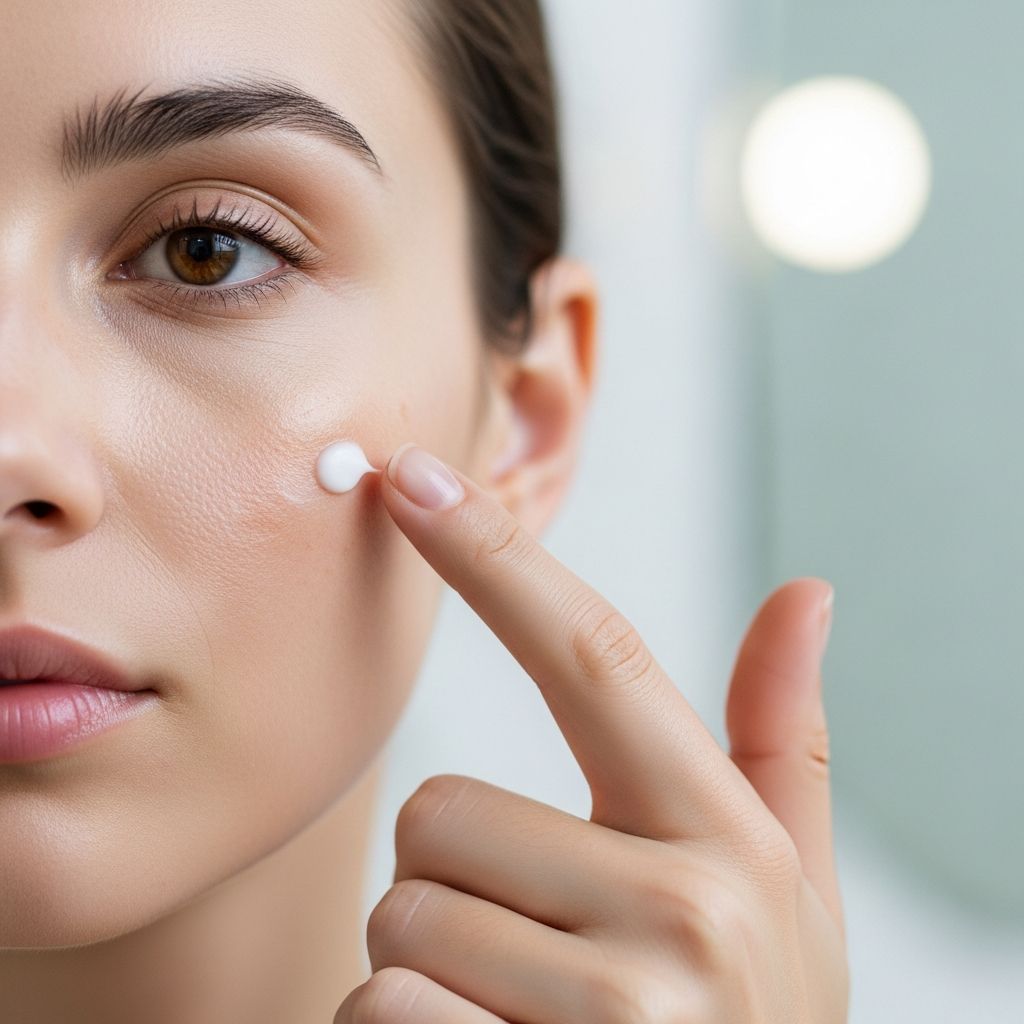
Facial hyperpigmentation manifests as darkened patches or spots on the skin, often resulting from sun exposure, hormonal shifts, or inflammation. Effective management combines topical applications, professional interventions, and preventive measures to restore uniform complexion.
Understanding the Roots of Skin Darkening
Hyperpigmentation arises when melanin, the pigment responsible for skin color, overproduces in certain areas. Common triggers include ultraviolet radiation, which stimulates melanocytes; post-inflammatory responses from acne or injuries; and melasma linked to pregnancy or birth control. Genetic factors and aging exacerbate vulnerability, particularly on the face where skin is thinner.
Recognizing types aids targeted therapy: sun-induced lentigines appear as freckle-like spots, while inflammatory hyperpigmentation follows healing wounds. Early intervention prevents deepening, as melanin clusters become harder to disperse over time.
Daily Topical Solutions for Brighter Skin
Over-the-counter and prescription topicals form the foundation of hyperpigmentation care by inhibiting melanin synthesis and promoting exfoliation. Key ingredients include:
- Hydroquinone: A potent skin lightener that blocks tyrosinase, the enzyme driving pigment production. Prescription strengths (4%) yield faster results than OTC versions.
- Retinoids: Derivatives like tretinoin accelerate cell turnover, fading spots while boosting collagen. Start with low concentrations to minimize irritation.
- Vitamin C: As L-ascorbic acid, it neutralizes free radicals and brightens by interrupting melanin transfer.
- Niacinamide: Reduces inflammation and melanin transport, suitable for sensitive skin.
- Azelaic acid: Antibacterial and anti-inflammatory, ideal for acne-related discoloration.
Apply these nightly after cleansing, paired with broad-spectrum SPF 30+ daily. Consistency over 8-12 weeks reveals improvements, though patience is essential for deeper pigmentation.
Exfoliation Techniques to Renew Skin Surface
Exfoliants remove pigmented dead cells, unveiling fresher layers beneath. Alpha hydroxy acids (AHAs) like glycolic and lactic acid dissolve bonds between cells, while beta hydroxy acids (BHAs) such as salicylic penetrate pores.
| Acid Type | Best For | Skin Tone Suitability | Strength |
|---|---|---|---|
| Glycolic Acid | Sun spots, fine lines | All tones, dilute for dark skin | OTC 5-10%, Pro 20-70% |
| Lactic Acid | Dry skin, mild pigmentation | All tones, gentler | OTC 5-12% |
| Salicylic Acid | Acne marks, oily skin | Medium to fair | OTC 2% |
| Kojic Acid | Melasma, stubborn spots | Darker tones | OTC 1-4% |
Incorporate 2-3 times weekly, monitoring for redness. For enhanced efficacy, combine with moisturizers containing ceramides.
Professional Chemical Peels for Deeper Correction
Administered by dermatologists, chemical peels apply concentrated acids to exfoliate multiple layers. Superficial peels target epidermis for mild issues; medium-depth ones address dermis for resilient pigmentation.
Benefits include rapid cell renewal and collagen stimulation, with sessions spaced 4-6 weeks apart. Downtime varies: light peels cause flaking in days, while deeper ones require a week of recovery. Darker skin tones fare best with gentler formulations like mandelic acid to avoid rebound darkening.
Laser and Light-Based Therapies Explained
Advanced light technologies precisely dismantle melanin without widespread damage. Options include:
- Intense Pulsed Light (IPL): Broad-spectrum light scatters pigment, excelling on flat spots and vascular issues. Best for fair skin; multiple sessions needed.
- Ablative Lasers: Vaporize top layers (e.g., CO2), promoting tight, even regrowth. Intense with longer recovery.
- Non-Ablative Lasers: Heat dermis to spur collagen, gentler for ongoing maintenance.
- Fraxel Dual: Fractional lasers treat micro-zones, minimizing risks for all tones.
Related Stories



Treatment customization by skin type prevents complications like burns or hypopigmentation. Expect 3-6 sessions for optimal fading.
Microneedling and Mechanical Approaches
Microneedling employs fine needles to induce micro-injuries, triggering repair that fades pigment and refines texture. Paired with topicals like tranexamic acid, absorption surges for amplified effects.
Alternatives like microdermabrasion buff away surface pigment with crystals or diamonds, suitable for superficial concerns. Dermabrasion, more aggressive, sands deeper for scars and spots but demands expertise.
Tailoring Treatments to Skin Tones
Skin phototype influences safety and efficacy. Fair skin tolerates IPL and high-energy lasers readily. Medium tones benefit from peels and microdermabrasion. Darker complexions require low-intensity options like kojic acid, glycolic peels, or extended laser protocols to sidestep post-inflammatory hyperpigmentation.
Always conduct patch tests and consult board-certified dermatologists for personalized plans.
Lifestyle and Prevention Strategies
Sustained sun avoidance via hats, UPF clothing, and daily sunscreen is non-negotiable, as UV triggers 80-90% of pigmentation. Antioxidant serums shield against environmental aggressors. Hormonal management, like oral contraceptives adjustment, curbs melasma.
A balanced diet rich in vitamins C and E supports skin repair. Avoid picking blemishes to prevent scarring.
Potential Side Effects and Realistic Expectations
Topicals may irritate initially; lasers risk temporary redness or swelling. Rare complications include scarring in improper use. Results emerge gradually—topicals in months, procedures in weeks—with maintenance preventing recurrence. Combine modalities for synergy, tracking progress via photos.
Frequently Asked Questions
What is the fastest way to treat facial hyperpigmentation?
Professional peels or lasers offer quickest visible changes, often within 1-2 sessions, though topicals provide sustained support.
Can hyperpigmentation be permanent?
Untreated, yes, but most cases respond to consistent therapy. Early action yields best outcomes.
Is hydroquinone safe for long-term use?
Limited to 3 months under supervision to avoid ochronosis; cycle with alternatives like niacinamide.
Do home remedies work for dark spots?
Lemon juice or aloe offer mild benefits but lack potency and risk irritation; prioritize evidence-based actives.
How does pregnancy affect hyperpigmentation treatment?
Opt for gentle topicals like azelaic acid; defer lasers until postpartum.
Choosing Your Path to Even Skin
Begin with a dermatologist assessment to diagnose type and severity. Layer topicals with sun protection, escalating to in-office procedures as needed. Patience and adherence transform uneven tone into radiant clarity.
References
- Hyperpigmentation Treatment: Acids, Peels, Lasers, and More — Healthline. 2025-04-16. https://www.healthline.com/health/beauty-skin-care/hyperpigmentation-treatment
- Best Treatments for Hyperpigmentation on the Face: Complete Guide — Eternal Wellness Medical Spa. N/A. https://eternalwellnessmedicalspa.com/blog/best-treatments-for-hyperpigmentation-on-the-face/
- Understanding Hyperpigmentation: Causes and Treatment Options — Skin Cancer and Derm. N/A. https://www.skincancerandderm.com/blog/1371323-understanding-hyperpigmentation-causes-and-treatment-options/
- Professional Treatments for Hyperpigmentation: Options & Results — Bellaire Dermatology. N/A. https://www.bellairedermatology.com/blog/professional-treatments-for-hyperpigmentation-options-and-results/
- Hyperpigmentation on Dark Skin: Images and Treatment — GoodRx. N/A. https://www.goodrx.com/conditions/skin-discoloration/hyperpigmentation-darker-skin-tones-treatments
- How to fade dark spots in darker skin tones — American Academy of Dermatology (AAD). N/A. https://www.aad.org/public/everyday-care/skin-care-secrets/routine/fade-dark-spots
Similar Articles








Read full bio of Sneha Tete