Facial Lines and Wrinkles: Causes, Types, and Treatment Options
Understanding facial aging: Explore causes, classifications, and effective treatment strategies for lines and wrinkles.
Understanding Facial Lines and Wrinkles
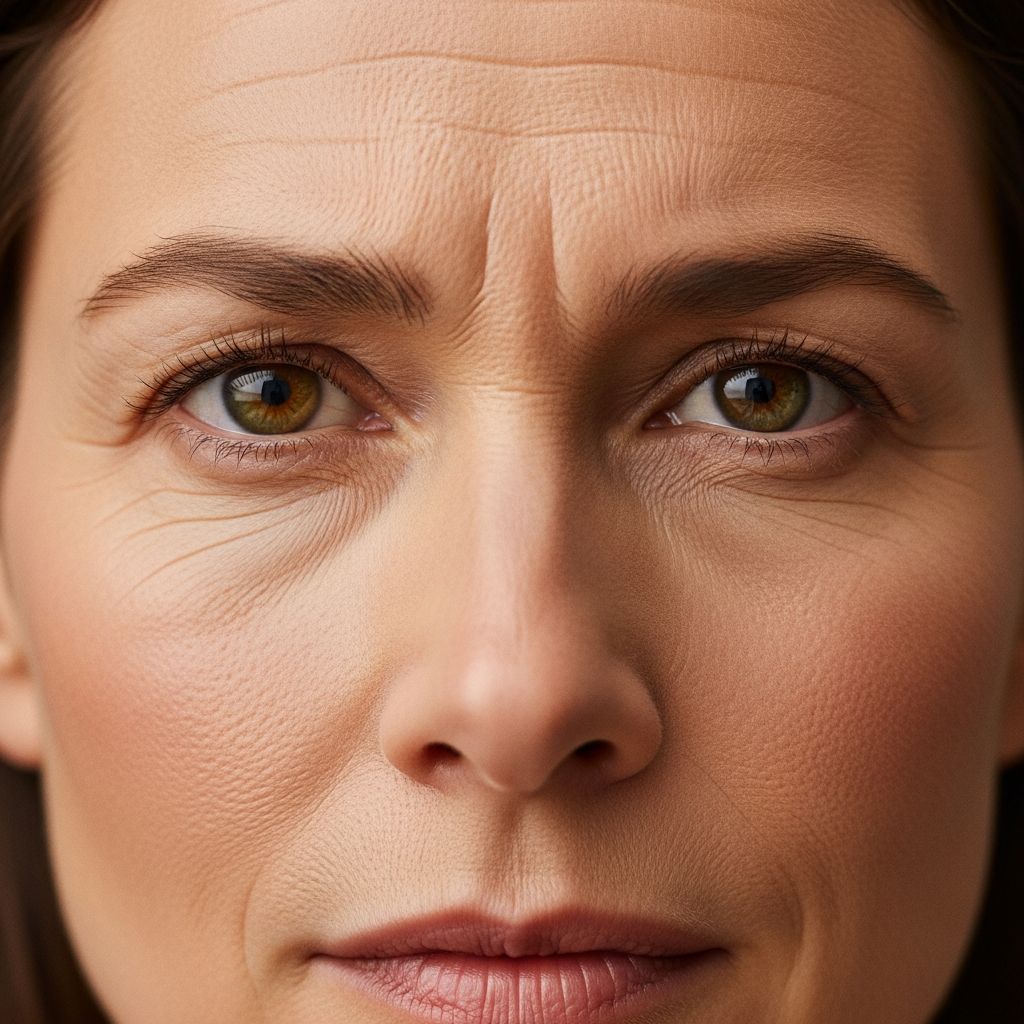
Facial lines and wrinkles, medically referred to as rhytides, are a natural consequence of aging and represent one of the most visible signs of skin maturation. These creases develop across the face due to multiple interconnected factors, from intrinsic aging processes to environmental exposure and repetitive muscle movements. Understanding how these lines form and the various approaches to managing them can help individuals make informed decisions about skincare and cosmetic interventions.
How Facial Lines and Wrinkles Form
The formation of facial lines and wrinkles involves several biological and mechanical processes that work together over time. Fine lines and wrinkles arise because of irregular thickening of the dermis and a decrease in the amount of water held by the epidermis. This is mainly caused by sun damage and exposure to environmental toxins, particularly tobacco smoke.
As people age, their skin undergoes significant physiological changes. Reduced elastin and collagen synthesis is one of the primary factors responsible for wrinkle formation. As a result, the dermis thins, leading to sagging and deeper lines. Additionally, chronic exposure to UV-B radiation further accelerates wrinkle development, making sun protection crucial for prevention.
Key Contributing Factors
Several factors contribute to the development of facial lines and wrinkles:
- Ageing processes: Natural aging leads to decreased collagen and elastin production, reducing skin elasticity and firmness
- Sun damage: UV rays break down collagen and elastin fibers, accelerating skin aging
- Muscle movement: Repetitive facial expressions create dynamic lines over time
- Skin tension: Natural skin tension patterns influence wrinkle formation
- Gravity: The constant pull of gravity causes sagging and fold formation
- Dehydration: Lack of hydration accentuates fine lines and emphasizes their visibility
- Sleep position: Consistently sleeping on one side can create sleep lines
- Injury and surgery: Trauma to the skin can lead to scarring and line formation
- Genetics: Inherited factors influence how skin ages and the pattern of wrinkle development
Asymmetry is often present in facial lines, as people tend to smile or frown more on one side than the other, or consistently sleep on the right or left cheek, leading to uneven wrinkle distribution.
Classification of Facial Lines and Wrinkles
Medical professionals use several classification systems to describe and categorize facial lines and wrinkles, which helps guide treatment decisions.
Dynamic vs. Static Lines
The primary classification distinguishes between two types of wrinkles based on their relationship to facial muscle movement:
- Dynamic lines: These lines appear with facial movement and represent the activity of facial muscles. They are visible when the face is animated during expressions like smiling, frowning, or squinting.
- Static lines: These lines remain unchanged with muscle movement and persist even when the face is at rest. They are often associated with collagen and elastin loss and typically appear as fine lines or deeper wrinkles.
An important distinction is that dynamic lines eventually become static lines with age. As skin loses elasticity and collagen, the creases that once disappeared when the face relaxed become permanent features.
Glogau’s Classification
Dermatologists and cosmetic surgeons often use Glogau’s classification when describing aging changes in the face. This system helps professionals assess the severity of facial aging and select appropriate treatment strategies.
Fitzpatrick Classification
The Fitzpatrick classification of facial lines refers to the degree of wrinkling around the mouth and eyes, providing another standardized approach to evaluating wrinkle severity in specific facial regions.
Types of Facial Lines by Location and Cause
Related Stories



Facial lines develop in distinct patterns and locations, each with characteristic causes and appearances:
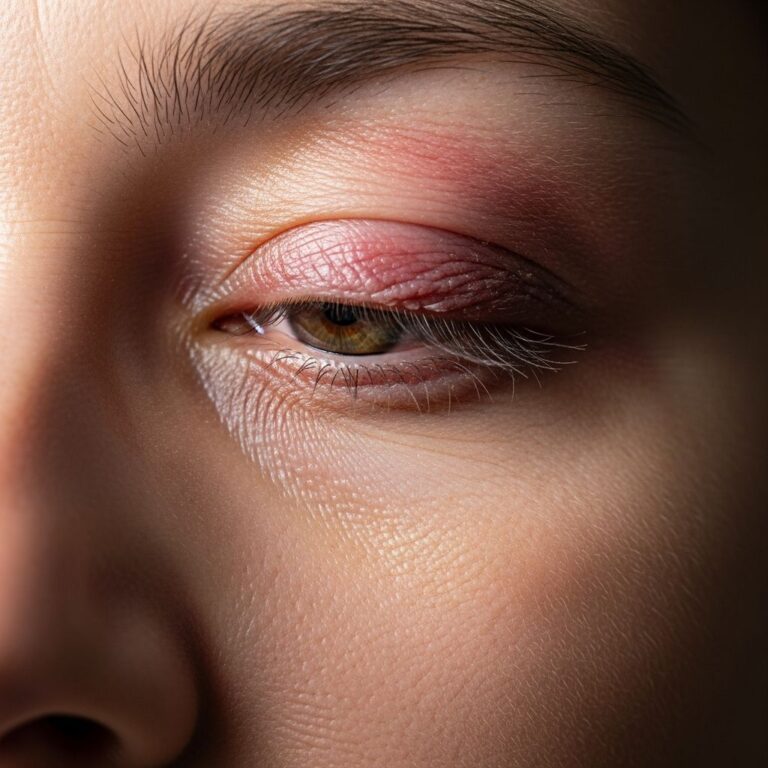
- Crow’s feet: Expression lines appearing around the eyes, caused by repeated squinting and smiling
- Forehead lines: Dynamic wrinkles on the forehead from raising eyebrows and frowning
- Glabellar or frown lines: Lines between the eyebrows caused by repeated frowning
- Nasolabial folds: Smile lines or laugh lines extending from the nose to the corners of the mouth
- Perioral wrinkles: Fine lines around the lips, including smoker’s lines
- Marionette lines: Lines running from the corners of the mouth downward
- Bunny lines: Fine lines on the nose caused by facial expressions
- Gravity folds: Lines on the cheeks and jawline resulting from gravitational pull on the skin
Skincare and Preventive Measures
While facial lines are a natural part of aging, various skincare approaches can help minimize their appearance and prevent premature wrinkling.
Moisturization
Ageing skin feels and looks better when moisturisers are applied regularly. These products improve the water-holding capacity of the skin, helping to plump fine lines and restore a more youthful appearance. When selecting a moisturizer, choose one that feels pleasant to apply, doesn’t sting or burn, or provoke acne.
For optimal results, use moisturizers with water-binding humectants like glycerin, aloe vera, and hyaluronic acid. These ingredients create a protective barrier against harsh weather, combating seasonal dryness and maintaining skin hydration.
Anti-Aging Ingredients
Many face creams include so-called anti-ageing ingredients that may help reduce the appearance of wrinkles. Common options include:
- Antioxidants that protect against environmental damage
- Exfoliants that promote cell turnover
- Retinoids that stimulate collagen production
- Hyaluronic acid for hydration and plumping
However, with the exception of topical retinoids, the effectiveness of many of these anti-ageing ingredients is unproven. Retinol is considered one of the most effective anti-aging ingredients because it encourages the production of collagen, a protein essential for maintaining skin elasticity and firmness. Increased collagen helps reduce the appearance of wrinkles and fine lines.
Sun Protection
Sun exposure is one of the most significant contributors to premature wrinkle formation. Consistent use of broad-spectrum sunscreen and sun-protective measures can prevent UV-induced collagen breakdown and maintain skin health.
Professional Treatment Options
Various professional treatments can effectively address facial lines and wrinkles, with different approaches suited to different types of wrinkles.
Chemical and Mechanical Resurfacing
Resurfacing refers to various techniques in which the top layers of the epidermis are peeled off using chemical or mechanical means. These treatments can even out pigmentation and improve skin texture. They can improve fine lines and static furrows but have no effect on dynamic lines. Chemical peels use acidic solutions to remove damaged outer layers, while mechanical resurfacing uses controlled abrasion to achieve similar results.
Dermal Fillers
Individual lines and furrows can be lifted up with implants, including temporary or permanent fillers or grafts. These can also be used to improve the appearance of a thinning lip. Hyaluronic acid is a popular choice for dermal fillers due to its biocompatibility and ability to integrate with skin tissue naturally. Fine injections of hyaluronic acid through very fine needles can soften facial lines and furrows effectively.
Botulinum Toxin
Botulinum toxin is most useful for dynamic lines and represents one of the most popular non-surgical anti-aging treatments. It can be used to paralyse the muscles that are responsible for frown lines, crow’s feet, and forehead lines. It can also be used to change the shape of the eyebrows and to soften so-called smoker’s lines around the lips, among other uses. By relaxing the muscles responsible for facial expressions, botulinum toxin prevents the formation of new wrinkles and softens existing dynamic lines.
Advanced Aesthetic Procedures
Additional innovative office-based non-surgical cosmetic procedures include:
- Platelet-rich plasma (PRP) therapy for skin rejuvenation
- Radiofrequency (RF) microdermabrasion
- Photoepilation using laser or intense pulsed light (IPL) technology
These techniques can be used individually or in combination for treating facial wrinkles across all age groups, with results typically ranging from 80-100% satisfaction based on visual assessment.
Differences Between Fine Lines and Wrinkles
While fine lines and wrinkles may both result from aging and lifestyle factors, they differ in depth and visibility. Fine lines are shallow and may appear as subtle creases, while wrinkles are deeper and more pronounced. Fine lines are often the early signs of aging, and preventive skincare can help minimize their development into deeper wrinkles.
Understanding this distinction is important because prevention and early intervention with fine lines can delay or reduce the severity of deeper wrinkles that develop later. Fine lines typically respond well to topical treatments and preventive measures, while deeper wrinkles often require professional interventions.
Comprehensive Treatment Strategies
Effective management of facial lines and wrinkles often involves a combination approach:
- Daily skincare with appropriate cleansing, moisturizing, and sun protection
- Incorporation of evidence-based anti-aging ingredients like retinoids and antioxidants
- Consistent hydration through both topical products and adequate water intake
- Professional treatments tailored to specific wrinkle types and locations
- Lifestyle modifications including sun avoidance, smoking cessation, and adequate sleep
Consistency is key, and results may vary based on individual factors including genetics, skin type, and lifestyle choices. It’s advisable to introduce new products gradually to avoid irritation and consult a skincare professional for personalized advice.
Frequently Asked Questions
Q: Can you completely reverse facial lines and wrinkles?
A: While you cannot completely reverse fine lines and wrinkles, you can significantly minimize their appearance through effective skincare and professional treatments. Incorporating retinols, antioxidants, and hyaluronic acid into your routine boosts collagen, hydrates skin, and promotes cell turnover, reducing the visibility of wrinkles. Consistency and sun protection are key for optimal results.
Q: What is the difference between dynamic and static wrinkles?
A: Dynamic wrinkles appear with facial movement and represent muscle activity, while static wrinkles persist even when the face is at rest. Dynamic lines eventually become static lines as the skin loses elasticity. Different treatments are more effective for each type—botulinum toxin works best for dynamic lines, while fillers and resurfacing treat static wrinkles more effectively.
Q: Which treatment is most effective for crow’s feet?
A: Crow’s feet are dynamic expression lines, so botulinum toxin is the most effective treatment option. It paralyzes the muscles responsible for squinting and smiling, preventing new lines from forming and softening existing ones. Combining this with preventive skincare and sun protection provides the best long-term results.
Q: How can I prevent facial wrinkles?
A: Prevention involves multiple strategies: consistent daily sun protection with broad-spectrum sunscreen, regular moisturization with hydrating products, use of topical retinoids and antioxidants, adequate hydration, avoiding smoking and excessive sun exposure, and maintaining healthy sleep positions. Starting preventive measures early, particularly in your 20s and 30s, is most effective.
Q: What role does genetics play in wrinkle formation?
A: Genetics significantly influence how and when your skin ages, including the likelihood and pattern of wrinkle development. While you cannot change your genetic predisposition, consistent skincare, sun protection, and lifestyle modifications can mitigate genetic influences and delay wrinkle formation.
Q: Are there any risks associated with botulinum toxin injections?
A: When administered by qualified professionals, botulinum toxin is generally safe. However, potential side effects may include temporary bruising, swelling, or asymmetrical results if injected incorrectly. Choosing an experienced, board-certified dermatologist or cosmetic surgeon minimizes these risks.
References
- Facial lines and wrinkles — DermNet. Accessed January 2026. https://dermnetnz.org/topics/facial-lines-and-wrinkles
- Microbiome–Aging–Wrinkles Axis of Skin: Molecular Insights and Therapeutic Strategies — National Center for Biotechnology Information (NCBI). 2024. https://pmc.ncbi.nlm.nih.gov/articles/PMC12564825/
- Fine Lines on Face: Types, Causes and Reversal — Ningen. Accessed January 2026. https://ningen.com/blogs/s/fine-lines-on-face
- Facial wrinkles and its treatment — Journal of Pakistan Association of Dermatologists. 2018. https://www.jpad.com.pk/index.php/jpad/article/view/1381
- Hyaluronic acid implant (Fillers) — DermNet. Accessed January 2026. https://dermnetnz.org/topics/hyaluronic-acid-implant
Similar Articles








Read full bio of Sneha Tete