Facial Nerve: Anatomy, Function & Disorders
Understanding the facial nerve: anatomy, function, and common conditions affecting facial movement.
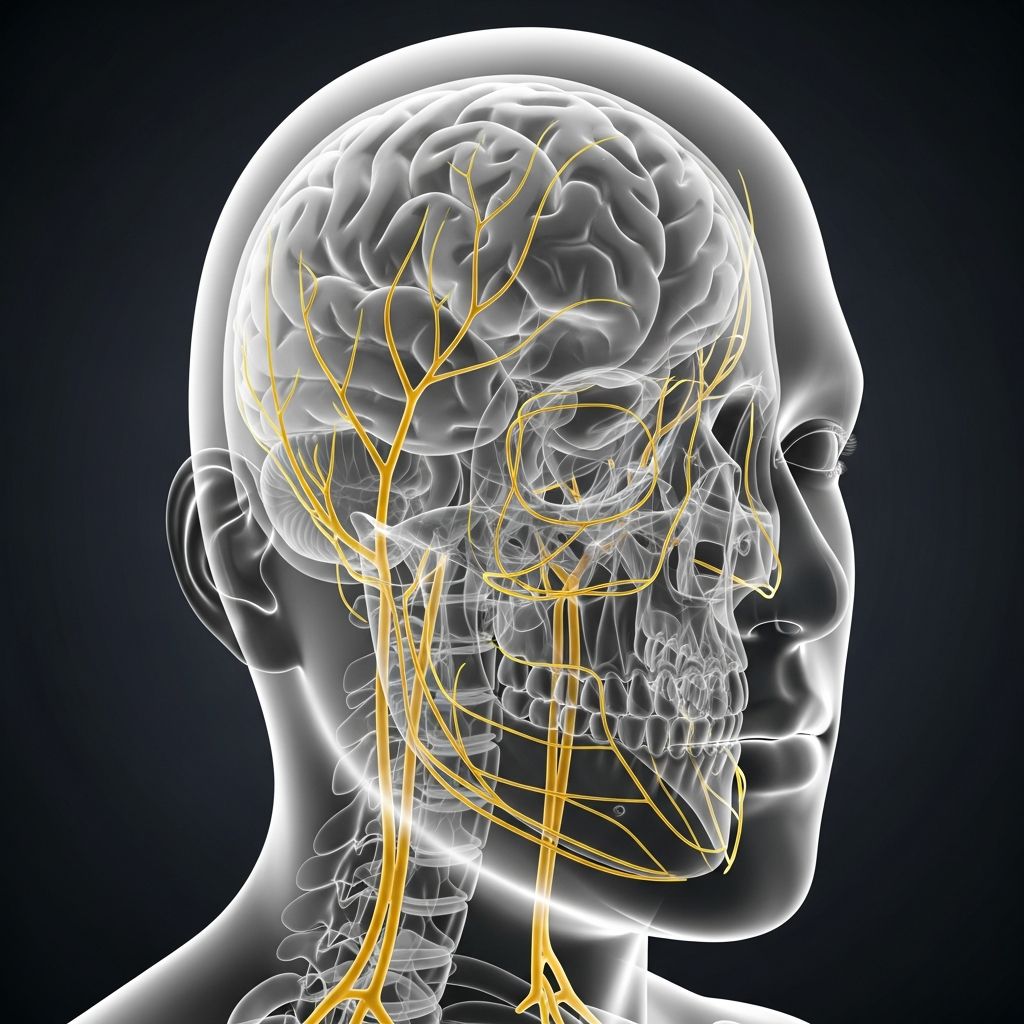
The facial nerve, also known as the seventh cranial nerve or CN VII, is one of the most important nerves in your head. This remarkable nerve controls facial expressions, taste sensation, and several other vital functions. Understanding the facial nerve’s structure and function is essential for recognizing when something goes wrong and seeking appropriate medical care. When the facial nerve becomes damaged or inflamed, it can result in facial paralysis, weakness, or other movement disorders that significantly impact quality of life and self-expression.
What Is the Facial Nerve?
The facial nerve is the seventh pair of cranial nerves that emerge directly from the brain. You have two facial nerves—one on each side of your face—making them part of the twelve cranial nerve pairs that control various functions throughout your head and neck. The facial nerve is a mixed nerve, meaning it contains both motor and sensory fibers that perform different functions throughout the face and head.
This nerve is responsible for controlling the muscles of facial expression, which allow you to smile, frown, blink, and make the countless expressions that communicate emotions and enhance social interaction. Beyond movement, the facial nerve also carries sensory information and controls important autonomic functions that many people are unaware of.
Anatomy of the Facial Nerve
The facial nerve has a complex anatomical pathway that begins in the brainstem and travels through the temporal bone—the thick bone at the side of your skull. Understanding this anatomy helps explain why facial nerve damage can produce such diverse symptoms.
Origin and Course
The facial nerve originates from the brainstem in an area called the cerebellopontine angle. From there, it travels through the internal acoustic meatus (a canal in the temporal bone) and enters the facial canal, a narrow bony tunnel. Within this facial canal, the nerve makes several sharp turns and bends, which is why it’s particularly vulnerable to swelling and compression when inflammation occurs.
The Geniculate Ganglion
A critical structure along the facial nerve’s pathway is the geniculate ganglion, a collection of nerve cell bodies located within the facial canal. This ganglion contains sensory neurons and is the site where the varicella-zoster virus (the virus that causes chickenpox and shingles) can reactivate, leading to a condition called Ramsay Hunt syndrome. The geniculate ganglion serves as an important relay station for nerve signals traveling along the facial nerve.
Branching Pattern
After exiting the skull through the stylomastoid foramen, the facial nerve exits the temporal bone and gives off several branches before dividing into its terminal branches. These branches include the posterior auricular nerve, the nerve to the stapedius muscle, the chorda tympani, and the nerve to the posterior belly of the digastric muscle. Each branch serves specific functions in facial motor control and sensation.
Functions of the Facial Nerve
The facial nerve performs multiple critical functions that extend far beyond simple facial movement. These functions can be organized into motor, sensory, and parasympathetic categories.
Motor Functions
The primary motor function of the facial nerve is controlling the muscles of facial expression. The facial nerve innervates approximately twenty skeletal muscles in the face, allowing for complex and nuanced facial movements. These muscles include the orbicularis oculi (which closes the eyes), the orbicularis oris (which closes the mouth), the zygomaticus major and minor (which elevate the corners of the mouth for smiling), the corrugator supercilii (which furrows the brow), and many others. Beyond facial expression, the facial nerve also controls the stapedius muscle in the middle ear, which dampens loud sounds to protect hearing.
Related Stories



Sensory Functions
The facial nerve carries sensory information from specific areas of your face and head. Sensory fibers of the facial nerve provide sensation to the external ear canal and portions of the ear. Additionally, the facial nerve carries special sensory fibers that transmit taste sensation from the anterior two-thirds of the tongue and the hard palate, allowing you to experience the full spectrum of flavors in food and beverages. This is why facial nerve damage can sometimes result in altered taste perception.
Parasympathetic Functions
The facial nerve also carries parasympathetic fibers that control various autonomic functions. These fibers innervate the lacrimal gland (which produces tears for eye lubrication), the submandibular and sublingual salivary glands (which produce saliva for digestion and mouth moistening), and blood vessels in the face and head. This explains why some people experience dry eyes or dry mouth following facial nerve injury.
Common Facial Nerve Disorders
Various conditions can affect the facial nerve, resulting in a range of symptoms from mild weakness to complete paralysis. Understanding these conditions is important for seeking timely medical intervention.
Bell’s Palsy
Bell’s palsy is the most common cause of facial paralysis, accounting for a significant percentage of facial nerve disorders. This condition results from sudden inflammation or swelling of the facial nerve, typically affecting one side of the face. The exact cause of Bell’s palsy remains unclear, though viral infection, immune system dysfunction, and genetic factors have been proposed as contributing factors. Symptoms develop suddenly over hours to days and may include facial drooping, inability to close the eye on the affected side, altered taste, and increased sensitivity to sound. More than seventy percent of patients with Bell’s palsy recover full facial function with appropriate treatment.
Ramsay Hunt Syndrome
Ramsay Hunt syndrome is the second most common cause of facial paralysis and results from reactivation of the varicella-zoster virus in the geniculate ganglion of the facial nerve. Unlike Bell’s palsy, Ramsay Hunt syndrome is characterized by facial paralysis accompanied by a distinctive vesicular rash (fluid-filled blisters) around the ear, on the hard palate, or on the anterior two-thirds of the tongue. This rash, called zoster oticus, is a hallmark feature that distinguishes Ramsay Hunt syndrome from Bell’s palsy. Patients may also experience vertigo, hearing loss, or other symptoms due to the proximity of the facial nerve to the vestibulocochlear nerve within the facial canal. The prognosis for Ramsay Hunt syndrome is generally not as favorable as Bell’s palsy, with lower rates of complete recovery.
Facial Nerve Paralysis from Other Causes
Facial nerve paralysis can result from various other causes including brain surgery, parotid gland surgery, traumatic injury to the face or skull, stroke affecting the facial nerve nucleus or its central connections, tumors compressing the nerve, and chronic ear infections. Each cause may require different treatment approaches and have different prognoses depending on the severity and location of the nerve damage.
Synkinesis and Facial Tightness
Following partial recovery from facial nerve injury, some patients develop synkinesis—involuntary, discoordinated movements of facial muscles that occur when attempting to move one area of the face. For example, closing the eye might simultaneously cause the corner of the mouth to twitch. Additionally, some patients experience facial tightness resulting from abnormal nerve signal following nerve regrowth, which can impair normal movement of certain facial areas.
Symptoms of Facial Nerve Disorders
The symptoms of facial nerve disorders vary depending on the specific condition and severity of nerve involvement, but commonly include:
- Facial drooping or weakness on one side of the face
- Inability to close the eye on the affected side
- Asymmetrical smile or inability to smile on the affected side
- Decreased forehead wrinkling on the affected side
- Altered taste sensation
- Increased sensitivity to sound (hyperacusis)
- Excessive tearing or dry eyes
- Loss of expression in the face
- Difficulty with eating or drinking
- Pain around the ear or jaw
- Vertigo or dizziness (in some cases like Ramsay Hunt syndrome)
Diagnosis of Facial Nerve Conditions
Diagnosing facial nerve disorders typically begins with a comprehensive clinical examination. A healthcare provider will assess facial symmetry at rest and during movement, check for the ability to close both eyes completely, test taste sensation, and examine the ear canal and oral cavity for signs of rash (particularly important in suspected Ramsay Hunt syndrome). Electromyography (EMG) and nerve conduction studies may be performed to assess the degree of nerve damage and predict recovery. For more complex cases, magnetic resonance imaging (MRI) may show enhancement in the geniculate ganglion or along the facial nerve’s course through the facial canal, particularly in cases of Ramsay Hunt syndrome or when other structural abnormalities are suspected.
Treatment Options for Facial Nerve Disorders
Treatment approaches for facial nerve disorders are highly personalized based on the underlying cause, severity of symptoms, and individual patient circumstances. Multiple treatment modalities exist and are often used in combination to optimize outcomes.
Medical Management
For many facial nerve conditions, particularly Bell’s palsy and Ramsay Hunt syndrome, corticosteroids are the primary medical treatment, as they reduce inflammation of the facial nerve. Antiviral medications may be prescribed in cases of suspected viral etiology. Eye care is crucial, as patients with facial paralysis often cannot close their eye properly, leading to corneal drying and potential damage. Protective measures include lubricating eye drops during the day, protective ointment at night, and protective eyewear or eye taping.
Botox Injections
Botulinum toxin (Botox) is an effective, minimally invasive treatment for facial asymmetry and unwanted facial movements that result from facial nerve disorders. Botox can improve facial expression and function by relaxing overactive or synkinetic muscles, creating a more balanced appearance. Results are temporary, typically lasting three to four months, requiring periodic retreatment.
Surgical Interventions
For cases of complete facial nerve injury or when conservative treatments prove insufficient, surgical options may be considered. These procedures aim to restore facial nerve function and improve patient quality of life.
Nerve Grafting
Nerve grafting works to restore function to facial muscles that have lost their normal nerve input. In cross-facial nerve grafting, nerve signal from the unimpaired side of the face is used to power movement on the paralyzed side. This procedure can improve facial symmetry and restore some voluntary facial expression, though results develop gradually over months to years as the transplanted nerve fibers grow and reinnervate facial muscles.
Nerve Transfer Procedures
Masseter nerve transfer is another surgical approach in which a branch of the “chewing” nerve on the paralyzed side of the face is used to restore function to nearby facial muscles. This procedure allows patients to activate facial muscles by clenching their jaw, providing some degree of voluntary facial movement and improved symmetry.
Prevention and Prognosis
While some facial nerve conditions like Bell’s palsy cannot be prevented, early recognition and treatment significantly improve outcomes. Protecting the eye through proper care prevents secondary complications. For Ramsay Hunt syndrome, vaccination against varicella-zoster virus (the varicella vaccine) may reduce the risk of reactivation. The prognosis varies depending on the cause and severity of facial nerve involvement, with more than seventy percent of Bell’s palsy patients achieving full recovery with appropriate treatment, while Ramsay Hunt syndrome often has a less favorable prognosis.
Frequently Asked Questions
Q: What is the difference between Bell’s palsy and Ramsay Hunt syndrome?
A: Both conditions cause facial paralysis, but Ramsay Hunt syndrome is distinguished by the presence of a painful vesicular rash around the ear, on the hard palate, or on the anterior two-thirds of the tongue. Ramsay Hunt syndrome results from varicella-zoster virus reactivation, while the cause of Bell’s palsy remains unclear. Ramsay Hunt syndrome typically has a less favorable prognosis than Bell’s palsy.
Q: Can facial nerve damage be reversed?
A: Many cases of facial nerve damage recover partially or completely with appropriate treatment, especially when intervention begins early. However, recovery depends on the severity of nerve damage and the underlying cause. Some patients may require surgical intervention to restore facial function if spontaneous recovery is incomplete.
Q: What should I do if I notice sudden facial drooping?
A: Sudden facial drooping can indicate stroke, Bell’s palsy, Ramsay Hunt syndrome, or other serious conditions. Seek immediate medical attention to determine the cause and initiate appropriate treatment. Early intervention significantly improves outcomes for many facial nerve conditions.
Q: How long does recovery from Bell’s palsy typically take?
A: Most patients with Bell’s palsy show improvement within three weeks and achieve significant recovery within three months. However, some patients may require six months or longer for complete recovery. More than seventy percent of patients achieve full facial function with appropriate treatment.
Q: Are there any complications from facial nerve disorders?
A: Complications may include corneal damage from inability to close the eye, synkinesis (involuntary facial movements), facial tightness, psychological distress from altered appearance, and altered taste or dry mouth. Proper eye care and early medical intervention help prevent these complications.
References
- Functional anatomy of the facial nerve revealed by Ramsay Hunt syndrome — Cleveland Clinic Journal of Medicine. 2013-02-01. https://www.ccjm.org/content/ccjom/80/2/78.full.pdf
- Facial Reanimation and Management of Facial Nerve Disorders — Cleveland Clinic. 2025. https://my.clevelandclinic.org/departments/facial-reconstruction-nerve-disorders/programs/facial-reanimation-management-facial-nerve-disorders
- Cranial Nerves: Function, Anatomy & Location — Cleveland Clinic. 2025. https://my.clevelandclinic.org/health/body/21998-cranial-nerves
- Facial Muscles: What They Are, Types, Anatomy & Function — Cleveland Clinic. 2025. https://my.clevelandclinic.org/health/body/21672-facial-muscles
- Cranial Nerve VII: The Facial Nerve — Defeating Epilepsy Foundation. https://www.defeatingepilepsy.org/cranial-nerve-series/cranial-nerve-vii/
Similar Articles








Read full bio of Sneha Tete