Facial Paralysis: Causes, Symptoms, and Treatment
Understanding facial paralysis: comprehensive guide to causes, symptoms, diagnosis, and effective treatment options.
Understanding Facial Paralysis
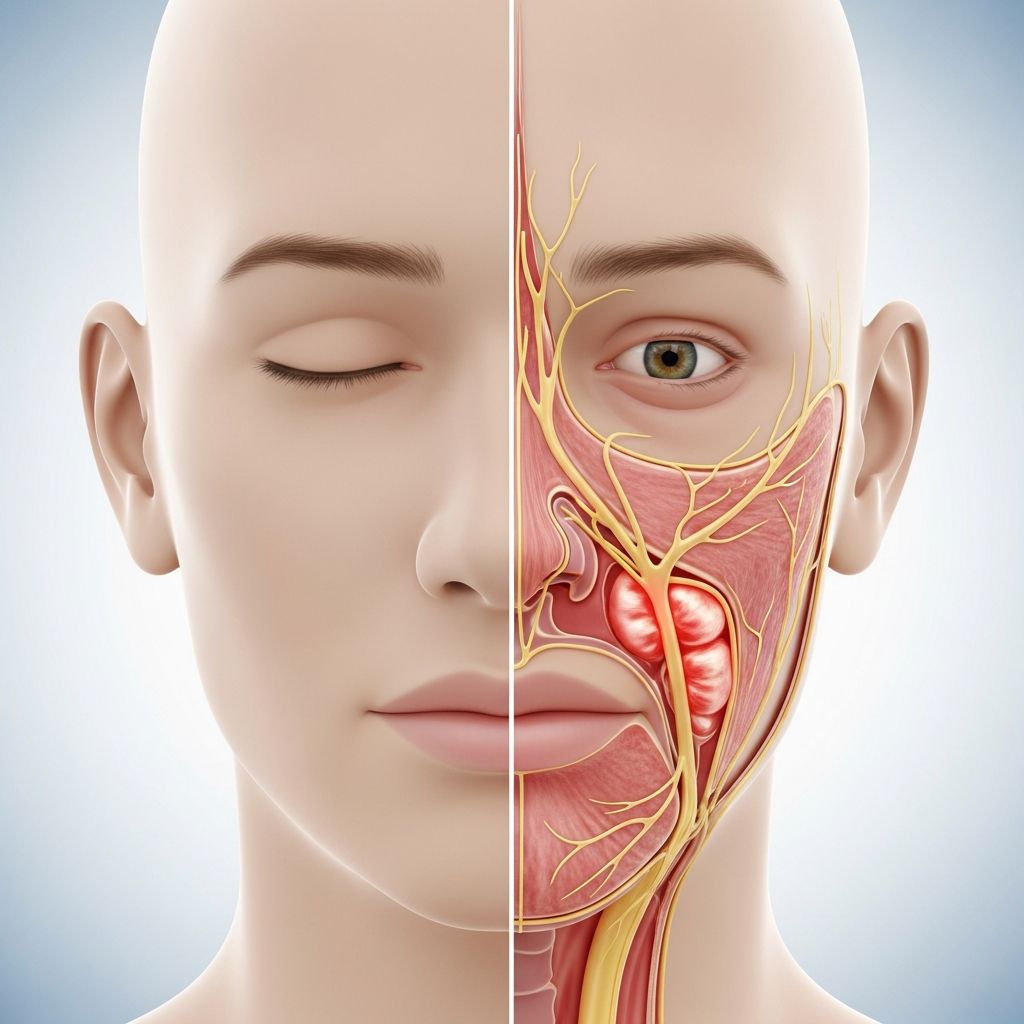
Facial paralysis is a medical condition that occurs when the facial nerve, also known as cranial nerve VII, becomes damaged or injured, resulting in the inability to move some or all of the muscles on one or both sides of the face. This condition can significantly impact a person’s quality of life, affecting essential functions such as eating, speaking, closing the eyes, and expressing emotions. The facial nerve is responsible for controlling the muscles of facial expression, producing tears, dampening certain sounds in the ear, transmitting taste sensations from the tongue, and providing sensation to a small portion of the skin of the ear. Understanding the underlying causes, recognizing symptoms early, and pursuing appropriate treatment can help individuals manage this condition effectively and improve outcomes.
Causes of Facial Paralysis
Facial paralysis can develop from various causes, and understanding the underlying reason is crucial for determining the most appropriate treatment approach. The causes can be broadly categorized into several types:
Bell’s Palsy
Bell’s palsy is the most common cause of facial paralysis, accounting for the majority of cases in the general population. This condition causes sudden, temporary weakness or paralysis of the muscles on one side of the face. While the exact cause of Bell’s palsy remains unclear, medical experts suspect that a viral infection causes the facial nerve to swell, which affects its blood supply and function. The onset is typically sudden, and patients may experience complete paralysis within 24 to 48 hours. Most people with Bell’s palsy regain complete use of their face within weeks or months, although up to 30 percent may experience some continued dysfunction.
Trauma and Injury
Traumatic injury to the facial nerve can occur in different locations and circumstances. Intracranial trauma, which involves injury within the skull, can occur when strong trauma causes a fracture of the temporal bone—the bone through which the facial nerve courses between the brainstem and its exit point from the skull. Such injuries are often seen following motor vehicle accidents or blast injuries and are more common in adults, though they can occur in children as well. When paralysis develops immediately after trauma, surgical intervention involving nerve decompression may be necessary.
Infections and Viral Diseases
Various infections can lead to facial paralysis. Ramsay Hunt syndrome, a viral infection caused by the varicella-zoster virus, can result in facial nerve dysfunction. Bacterial infections such as acute otitis media, cholesteatomas, and necrotizing otitis externa can cause facial nerve palsies by creating dehiscence within the facial canal. Additionally, Lyme disease, transmitted through tick bites, is a rare but documented cause of facial nerve palsy, with symptoms typically appearing between 1 to 2 weeks after tick exposure.
Stroke and Neurological Conditions
Stroke and other neurological conditions can damage the facial nerve or the neural pathways that control facial movement, leading to paralysis on one side of the face. These conditions require prompt medical attention and specialized treatment.
Tumors and Mass Lesions
Tumors that press on the facial nerve or other neural structures can cause facial paralysis. These may be primary tumors of the nerve itself or secondary tumors that encroach upon the nerve’s pathway.
Symptoms and Recognition
Recognizing the symptoms of facial paralysis is essential for seeking timely medical attention. Symptoms may develop suddenly or gradually, depending on the underlying cause:
- Sudden weakness or drooping on one side of the face
- Inability to close the eye on the affected side
- Difficulty eating or drinking, with food or liquids leaking from the mouth
- Impaired speech or slurred speech
- Loss of taste sensations on the affected side of the tongue
- Increased sensitivity to sound on the affected side
- Facial drooping or asymmetry at rest
- Difficulty with facial expressions and smiling
- Dry eye or excessive tearing
Related Stories



Diagnosis of Facial Paralysis
A healthcare provider will begin the diagnostic process by obtaining a detailed medical history and asking about the onset and progression of symptoms. During a physical examination, the provider will request that the patient attempt various facial movements, such as closing their eyes, raising their eyebrows, smiling, and puckering their lips. These simple tests help determine the extent and distribution of paralysis.
Depending on the suspected cause, additional diagnostic imaging tests may be ordered. Magnetic resonance imaging (MRI) and computed tomography (CT) scans can help visualize the facial nerve and identify tumors, fractures, or other structural abnormalities. Electromyography (EMG) and nerve conduction studies may be performed to assess the function and integrity of the facial nerve. These tests provide valuable information about the severity of nerve damage and help guide treatment decisions.
Treatment Options for Facial Paralysis
Treatment of facial paralysis depends on multiple factors, including the patient’s age, the cause of the paralysis, the severity of symptoms, and the duration of the condition. An individualized treatment plan is essential for optimal outcomes. Both nonsurgical and surgical options are available, and many patients benefit from a combination of approaches.
Nonsurgical Treatments
Medications
Corticosteroids are frequently prescribed in the early stages of facial paralysis, particularly in Bell’s palsy, to reduce inflammation and swelling in the facial nerve. Antivirals may be used to combat possible viral infections, especially in cases of Ramsay Hunt syndrome, where acyclovir at a dosage of 800 mg five times daily for 7 to 10 days is commonly administered. These medications are most effective when started early in the disease course.
Botulinum Toxin Injections
Botulinum toxin, commonly known as Botox, is a neuromodulator that can block the chemical signals telling specific muscles to contract. For facial paralysis patients, Botox and similar products like Dysport and Xeomin can address several issues: When nerves regrow following injury, they may branch into unintended areas of the face, causing synkinesis—a condition characterized by involuntary muscle movements during voluntary actions. Botox injections can weaken these overactive muscles, restoring a more natural appearance. Additionally, Botox can treat brow ptosis (drooping brow) and help improve overall facial symmetry. Unlike cosmetic applications, insurance often covers these injections when used for facial paralysis management. Treatments typically need to be repeated every three to four months.
Facial Fillers
Facial paralysis can cause loss of volume on the affected side of the face, making the person appear thinner or asymmetrical on that side. Facial fillers add volume to restore symmetry and improve appearance. The increased volume from fillers may also help individuals retain food and liquids in their mouth more effectively.
Physical and Neuromuscular Therapy
Facial neuromuscular retraining therapy is a specialized form of physical therapy that helps patients relearn to stretch, strengthen, and move their facial muscles. This therapy is critical for restoring function and symmetry to the face. Physical therapists work with patients to improve muscle tone, coordination, and voluntary movement. Facial massage and exercises promote active rehabilitation and are essential components of recovery for many patients with facial paralysis. Studies have shown that symmetry of facial features can usually be regained if patients participate actively in facial muscle retraining and therapy.
Surgical Treatments
For patients with more severe or long-standing facial paralysis, or when nonsurgical treatments have been ineffective, surgical options may be considered. Facial reanimation surgery describes a group of procedures all directed toward improving facial paralysis. The choice of procedure depends on the location and nature of the nerve injury, the duration of paralysis, and the patient’s goals.
Nerve Repair and Grafting
When the facial nerve has been completely severed, it may be possible to repair the nerve directly or graft nerve tissue to restore continuity. Nerve grafts involve taking healthy nerve tissue from elsewhere in the body and using it to bridge the gap in the damaged nerve. Cross-facial nerve grafting is an advanced technique that transfers nerve tissue from the unaffected side of the face to the paralyzed side, potentially allowing restoration of more natural facial movement.
Nerve Transfers
Nerve transfer procedures involve redirecting nerves from other areas of the face or body to reinnervate paralyzed facial muscles. One approach transfers nerves from areas responsible for chewing to the muscles involved in smiling, allowing patients to regain some smile function. The hypoglossal nerve, which leads to the tongue, can be connected to the facial nerve to produce nerve growth in the facial muscles. This procedure may be performed within the first two years of nerve injury to maintain facial tone and possibly regain some function.
Muscle Transfers
Muscle transfer procedures involve taking healthy muscle tissue from one area of the body and transferring it to the face to replace or supplement damaged facial muscles. A commonly used muscle for this purpose is the gracilis muscle from the thigh, which can be transferred to replace one of the main smile muscles. This procedure allows patients to regain the ability to smile and improve overall facial animation.
Selective Neurectomy
Selective neurectomy is a surgical procedure that helps address Bell’s palsy complications or synkinesis (involuntary twitching and spasms). During this procedure, overactive nerves causing unwanted movement are carefully severed. This helps facial movement appear more natural and intentional while reducing spasming or tightness in the face.
Static Procedures
Static procedures are designed to improve the resting appearance of the paralyzed face without necessarily restoring movement. These may include brow lifts to address brow ptosis, eye lifts to improve eye opening, and other techniques to enhance facial symmetry at rest. Tissue from the lining of a thigh muscle can be used to help stop sagging and improve the overall resting appearance of the face.
Airway and Breathing Support
In some cases where facial paralysis affects breathing, surgeons may perform procedures to open a collapsed nostril by transferring cartilage from elsewhere in the nose or ear to the nostril, improving airflow and breathing function.
Eye Care and Complications
One of the most important concerns in facial paralysis is eye care. When the eye muscles are paralyzed, the eye cannot close properly, leading to chronic dry eye and other complications. Protecting the eye is essential to prevent corneal damage and vision problems. Treatment may include:
- Artificial tear drops used regularly throughout the day
- Lubricating ointments applied at night
- Eye taping or protective eyewear to keep the eye closed
- Protective glasses to shield the eye from debris and environmental irritants
- In some cases, a temporary or permanent gold weight implant in the upper eyelid to help close the eye
- Corneal neurotization procedures to restore sensation to the cornea
Recovery and Prognosis
The prognosis for facial paralysis varies depending on the underlying cause and the promptness of treatment. Many cases of Bell’s palsy resolve spontaneously within weeks to months, with most patients regaining complete facial function. However, some individuals may experience persistent weakness or synkinesis. For paralysis resulting from trauma or tumors, recovery may be more prolonged and may require surgical intervention. With comprehensive treatment combining medical management, physical therapy, and when necessary, surgical procedures, many patients can achieve significant improvement in facial function and appearance. Early intervention and consistent participation in therapy are crucial factors in optimizing outcomes.
Frequently Asked Questions
Q: How quickly should I seek medical attention if I suspect facial paralysis?
A: Facial paralysis is a medical emergency if it develops suddenly, especially if accompanied by other symptoms such as weakness, difficulty speaking, or vision changes. Seek immediate medical attention if you experience sudden facial drooping or weakness.
Q: Is facial paralysis always permanent?
A: No, many cases of facial paralysis are temporary. Bell’s palsy, the most common cause, often resolves within weeks to months. However, some cases may result in permanent changes, which is why early treatment and rehabilitation are important.
Q: Can physical therapy alone treat facial paralysis?
A: Physical therapy is often an important component of treatment but is rarely effective as a standalone approach for severe paralysis. A comprehensive treatment plan combining medications, therapy, and possibly surgery typically yields the best results.
Q: How long does it take to see results from facial paralysis treatment?
A: The timeline varies depending on the cause and treatment approach. Some medications begin working within days, while surgical results may take several months to fully manifest as nerve regrowth and muscle reinnervation occur.
Q: Will my insurance cover facial paralysis treatments?
A: Coverage varies by insurance plan and treatment type. Many insurers cover medically necessary treatments for facial paralysis, including Botox injections, medications, and surgery. Cosmetic procedures may not be covered. Check with your insurance provider for specific coverage details.
References
- Facial Paralysis Treatment & Smile Surgery — UVA Health. 2025. https://www.uvahealth.com/treatments/facial-paralysis
- Facial Paralysis | Conditions — UCSF Health. 2025. https://www.ucsfhealth.org/conditions/facial-paralysis
- Facial Paralysis | Condition — University of Utah Health. 2025. https://healthcare.utah.edu/facial-nerve-center/facial-paralysis
- Facial Nerve Palsy — StatPearls, National Center for Biotechnology Information (NCBI), National Institutes of Health. 2024. https://www.ncbi.nlm.nih.gov/books/NBK549815/
- What Causes Facial Paralysis? — UT Southwestern Medical Center. 2025. https://utswmed.org/conditions-treatments/facial-paralysis/
- Facial Paralysis: Causes, Symptoms & Treatment — Cleveland Clinic. 2025. https://my.clevelandclinic.org/health/symptoms/24525-facial-paralysis
- Bell’s Palsy — Symptoms and Causes — Mayo Clinic. 2024. https://www.mayoclinic.org/diseases-conditions/bells-palsy/symptoms-causes/syc-20370028
Similar Articles








Read full bio of medha deb