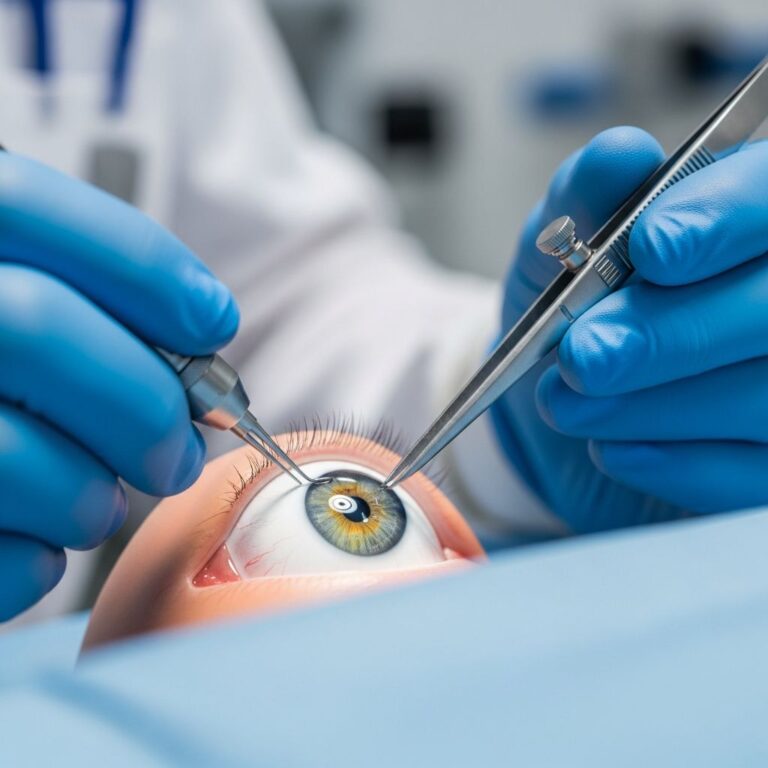
Facial Paralysis: Causes, Symptoms & Treatment
Understanding facial paralysis: comprehensive guide to causes, symptoms, diagnosis, and treatment options.
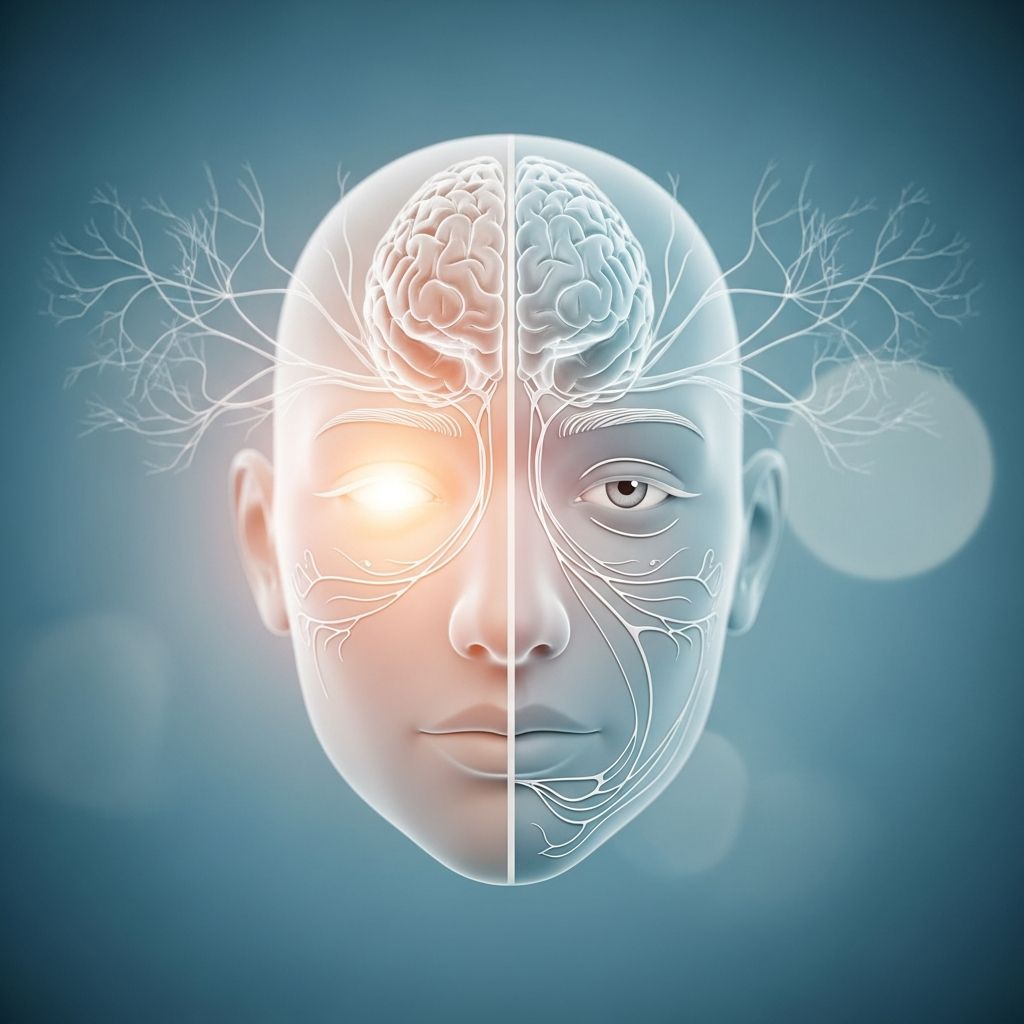
Understanding Facial Paralysis
Facial paralysis is a condition characterized by the inability to move the muscles on one or both sides of your face due to nerve damage. This condition results in weakness, droopiness, and a loss of facial movement that can significantly impact your quality of life and emotional well-being. When the facial nerve, also known as cranial nerve #7, becomes damaged, it triggers this paralysis. The condition may manifest as unilateral paralysis, affecting only one side of the face, or bilateral paralysis, affecting both sides. Facial paralysis may be temporary or permanent, depending on the underlying cause and the severity of nerve damage.
This condition can develop gradually or occur suddenly, and seeking prompt medical attention is essential for achieving the best possible outcomes. While facial paralysis itself is not dangerous, it may indicate a serious underlying health condition that requires immediate evaluation and treatment.
Causes of Facial Paralysis
Facial paralysis can result from various causes, which differ between children and adults. Understanding the underlying cause is crucial for determining the appropriate treatment plan and prognosis.
Common Causes in Adults
- Trauma or facial injury
- Tumors affecting the facial nerve
- Stroke or cerebrovascular events
- Bell’s palsy (idiopathic facial paralysis)
- Infection or inflammation of the facial nerve
- Nerve compression or damage
Causes in Children
In pediatric patients, facial paralysis may stem from different etiologies:
- Congenital or birth-related conditions
- Neoplastic (tumor-related) causes
- Traumatic injury during birth or infancy
- Infectious diseases affecting the facial nerve
- Neurogenic conditions
- Genetic syndromes affecting facial nerve function
Recognizing the Symptoms
The symptoms of facial paralysis can vary depending on which portions of the face are affected and the severity of the nerve damage. Symptoms typically develop suddenly and may progress rapidly.
Common Symptoms Include
- Facial drooping or sagging on one or both sides
- Weakness or inability to move facial muscles
- Difficulty smiling symmetrically
- Inability to raise the eyebrow on the affected side
- Difficulty closing the eye completely
- Drooling or difficulty controlling saliva
- Speech difficulties or slurred speech
- Difficulty eating or chewing
- Pain or discomfort around the jaw or ear
- Increased sensitivity to sound (hyperacusis)
In conditions like Bell’s palsy, symptoms tend to reach peak severity within 48 to 72 hours of onset. Some individuals experience mild facial muscle weakness, while others may have total muscle paralysis affecting the entire side of the face.
Diagnostic Approach
Accurate diagnosis of facial paralysis requires a comprehensive evaluation involving both clinical examination and specialized testing. Your healthcare provider will use several diagnostic tools to identify the cause and extent of nerve damage.
Clinical Examination
During the physical examination, your healthcare provider will assess your facial movements by asking you to perform specific tasks such as:
- Raise your eyebrows
- Close your eyes tightly
- Smile or show your teeth
- Puff out your cheeks
- Wrinkle your forehead
- Pucker your lips
Your provider will also review your medical history and ask detailed questions about when symptoms began and how they have progressed.
Related Stories



Specialized Diagnostic Tests
Electroneurography (ENOG): This test records muscle signals after maximal stimulus of the facial nerve near the base of the ear. ENOG is particularly useful early after the onset of facial paralysis to predict which patients will have poor recovery of facial movement.
Electromyography (EMG): EMG helps determine the extent of nerve injury and the potential for spontaneous recovery. This test is most useful after three months from the onset of facial paralysis and can identify appropriate donor nerves in cases of multi-nerve dysfunction.
Imaging Studies: Magnetic Resonance Imaging (MRI) may be indicated to visualize the path of the facial nerve and rule out other causes of facial dysfunction, such as tumors or structural abnormalities. MRI is particularly valuable when there is concern about underlying pathology.
Treatment Options
Treatment for facial paralysis depends on the underlying cause, the extent of paralysis, and individual patient factors. Your healthcare provider will develop a personalized treatment plan based on your specific needs and goals.
Nonsurgical Treatments
Several nonsurgical approaches can help manage facial paralysis and promote recovery:
- Corticosteroids: These medications reduce inflammation and swelling in the facial nerve, particularly effective when started within 48 hours of symptom onset.
- Antiviral medications: Antivirals are used to fight possible viral infections that may contribute to facial nerve inflammation.
- Physical therapy: Facial physical therapy helps maintain muscle tone and may improve facial movement and function.
- Eye care: Protective measures such as artificial tears, lubricating ointments, eye patches, and protective glasses help prevent complications from incomplete eye closure.
- Botulinum toxin injections: For minor asymmetries, botulinum toxin (Botox) can help balance facial appearance.
- Dermal fillers: Soft tissue augmentation can improve facial symmetry and aesthetic appearance.
Surgical Treatment Options
Surgical intervention may be considered when nonsurgical treatments are insufficient or when paralysis is severe and longstanding. The type of surgical treatment is determined based on the specific functions that have been lost:
| Facial Function | Surgical Treatment Options |
|---|---|
| Smiling | Functional muscle (gracilis) transfer; cross-face nerve graft; static slings; nerve transfers for smile restoration |
| Brow elevation | Endoscopic brow lift; direct brow lift |
| Eye closure | Gold weight implantation; tarsorrhaphy (surgical eyelid closure) |
| Nasal function | Septorhinoplasty; inferior turbinoplasty |
| Facial asymmetry | Fat grafting; facelift; facial implants |
Advanced techniques such as multi-vector reanimation have been developed to restore more natural facial movement. These procedures often involve transferring muscle from other areas of the body, most commonly the gracilis muscle from the leg, which can be converted into multiple muscle bellies to restore different aspects of facial movement, particularly the vertical and horizontal vectors of the smile.
Eye Care and Complications
When facial paralysis affects the eyes, it can lead to several complications requiring specific preventive care. The inability to close the eye completely increases the risk of chronic dry eyes, corneal abrasion, and other eye-related issues.
Eye Care Measures
To protect your eyes when facial paralysis affects eye closure, your healthcare provider may recommend:
- Frequent use of artificial tears throughout the day
- Lubricating ointments, particularly before bedtime
- Protective eye patches or glasses to shield the eye from debris and irritation
- Protective eyewear during wind or dry conditions
- Sleeping with the affected eye partially covered
- Regular ophthalmological monitoring to detect complications early
When to Seek Medical Attention
If you develop facial paralysis—whether gradually or instantaneously—you should see a healthcare provider immediately. Although facial nerve paralysis is not dangerous in itself, it may indicate a serious underlying health condition such as stroke, tumors, or severe infection. Prompt medical treatment is the best way to foster a full recovery with limited damage. Early intervention, particularly with corticosteroid therapy initiated within 48 hours of symptom onset, can significantly improve outcomes and reduce the risk of permanent complications.
Even though facial paralysis is sometimes permanent, healthcare providers can work with patients to reduce the risk of further damage and improve quality of life through appropriate treatment and rehabilitation strategies.
Prognosis and Recovery
The prognosis for facial paralysis depends on several factors, including the underlying cause, the severity of nerve damage, how quickly treatment is initiated, and individual patient characteristics. Many cases of facial paralysis, particularly Bell’s palsy, show significant improvement or complete resolution within a few weeks to several months. However, in some cases, residual weakness or permanent paralysis may occur, necessitating long-term management strategies and potentially reconstructive surgery to optimize function and appearance.
Frequently Asked Questions
Q: Is facial paralysis permanent?
A: Facial paralysis may be temporary or permanent, depending on the underlying cause and severity of nerve damage. Many cases improve significantly with treatment, but some individuals may experience permanent effects. Early treatment increases the likelihood of full recovery.
Q: How quickly should I seek treatment for facial paralysis?
A: You should see a healthcare provider immediately upon noticing symptoms of facial paralysis. Corticosteroid treatment is most effective when started within 48 hours of symptom onset, making early intervention crucial for optimal outcomes.
Q: What is the difference between unilateral and bilateral facial paralysis?
A: Unilateral facial paralysis affects one side of the face, while bilateral facial paralysis affects both sides. Bilateral paralysis is less common and may indicate a more serious underlying condition.
Q: Can facial paralysis be cured surgically?
A: Surgery can significantly improve facial function and appearance in cases of facial paralysis, but complete “cure” depends on the underlying cause and extent of nerve damage. Surgical procedures aim to restore function and aesthetic balance rather than necessarily reversing paralysis completely.
Q: What role does physical therapy play in facial paralysis recovery?
A: Physical therapy, particularly facial physical therapy, helps maintain muscle tone, promote nerve recovery, and improve facial movement and function. It is often used in combination with other treatments for optimal outcomes.
Q: Are there complications associated with facial paralysis surgery?
A: While modern surgical techniques are well-established, potential complications can include hearing loss and permanent facial nerve damage. However, these complications are relatively uncommon when procedures are performed by experienced surgeons. Your surgeon will discuss specific risks and benefits for your situation.
References
- Facial Paralysis: Causes, Symptoms & Treatment — Cleveland Clinic. 2022-12-13. https://my.clevelandclinic.org/health/symptoms/24525-facial-paralysis
- Bell’s Palsy: What It Is, Causes, Symptoms & Treatment — Cleveland Clinic. https://my.clevelandclinic.org/health/diseases/5457-bells-palsy
- Surgical Treatment for Facial Paralysis — Cleveland Clinic Department of Dermatology & Plastic Surgery. https://my.clevelandclinic.org/departments/dermatology-plastic-surgery/depts/facial-paralysis
- When is facial paralysis Bell palsy? Current diagnosis and treatment — Cleveland Clinic Journal of Medicine, 2005. https://www.ccjm.org/content/72/5/398
- Bell’s Palsy – Facial Paralysis — Cleveland Clinic Abu Dhabi. https://www.clevelandclinicabudhabi.ae/en/health-hub/health-resource/diseases-and-conditions/bells-palsy
Similar Articles








Read full bio of Sneha Tete