Facial Psoriasis: Causes, Symptoms, and Treatment Options
Complete guide to understanding facial psoriasis, its triggers, symptoms, and effective management strategies.
Understanding Facial Psoriasis
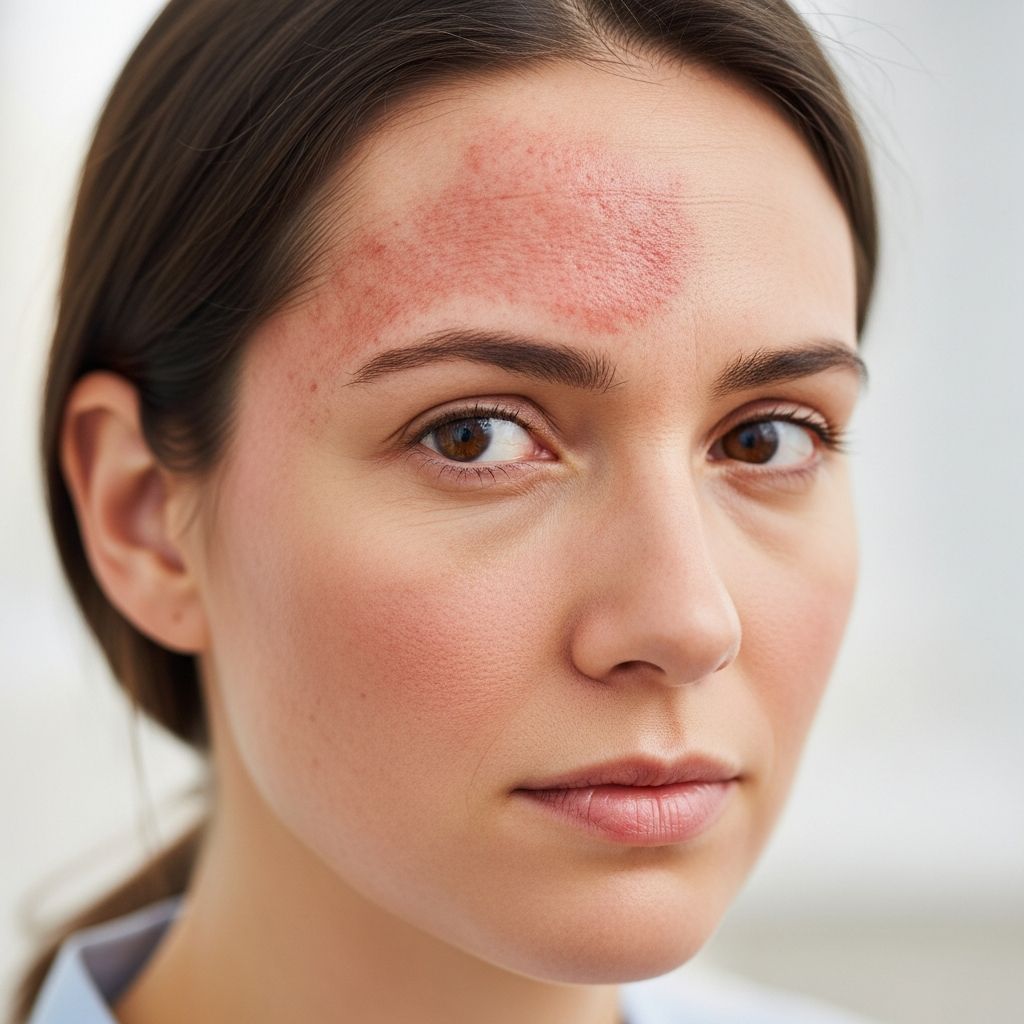
Facial psoriasis is a chronic inflammatory skin condition characterized by red, thickened, and dry patches that appear on the face. This condition affects approximately 50% of individuals diagnosed with psoriasis, and it typically occurs alongside psoriasis elsewhere on the body. The patches often present with silvery scales and can extend to sensitive areas including the eyebrows, hairline, eyelids, and even around the mouth, potentially affecting eating and speaking.
Unlike psoriasis on other areas of the body, facial psoriasis requires specialized treatment approaches due to the delicate nature of facial skin. The condition is not contagious but can significantly impact quality of life, causing discomfort, itching, and emotional distress due to its visible nature.
What Causes Facial Psoriasis
The exact cause of facial psoriasis remains unclear, but research indicates that the condition arises from an inappropriate activation of the immune system. When psoriasis develops, T cells—specialized immune cells that normally protect the body from bacteria and infectious agents—become overactive. Instead of responding to an actual infection, the body triggers these T cells without any genuine threat present.
This immune system malfunction causes skin cells to develop and multiply too rapidly, leading to the accumulation of plaques and the characteristic symptoms of psoriasis. The condition involves a complex interplay between genetic predisposition and environmental factors.
Genetic and Environmental Factors
There is a well-established genetic predisposition to psoriasis, meaning individuals with a family history of the condition have a higher likelihood of developing it. However, genetics alone do not determine whether someone will develop facial psoriasis. Environmental influences play a crucial role in triggering the onset of the condition.
Key environmental factors that contribute to facial psoriasis development include:
- Stress and emotional disturbances
- Skin injuries, including cuts, scrapes, insect bites, and severe sunburn
- Infections such as strep throat or bacterial skin infections
- Certain medications, including lithium, beta-blockers, antimalarial drugs, and corticosteroid withdrawal
- Hormonal changes
Recognizing Symptoms of Facial Psoriasis
Facial psoriasis manifests as distinct patches of inflamed, scaly skin on the face. The appearance and severity of symptoms can vary depending on the type of psoriasis affecting the face and individual skin characteristics.
Common Symptoms
The primary symptoms of facial psoriasis include:
- Raised, inflamed patches of skin
- Persistent itching and discomfort
- Pain or tenderness in affected areas
- Silvery or white scales covering the patches
- Well-defined borders between affected and unaffected skin
- Red or discolored patches that may vary in appearance based on skin tone
Affected Facial Areas
Facial psoriasis commonly appears in specific locations on the face, requiring tailored treatment approaches for each area:
- Upper forehead and hairline
- Eyebrows
- Skin between the nose and upper lip
- Eyelids and periocular regions
- Around the mouth
Types of Facial Psoriasis
Guttate Psoriasis: This variant typically presents as dry, tear-shaped or round spots rather than traditional plaques. It is usually triggered by infections such as strep throat and can appear pink, red, purple, or silvery depending on skin tone.
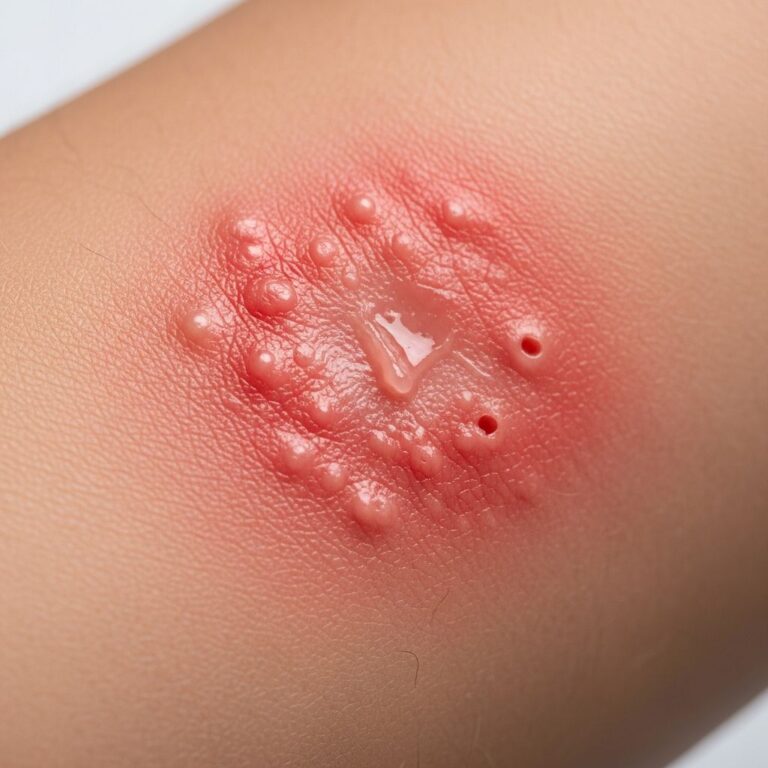
Pustular Psoriasis: This type features facial plaques combined with small pus-filled bumps on scaly skin patches. Common triggers include infection, allergen exposure, and changes in medications.
Related Stories



Identifying Triggers for Facial Psoriasis
Many individuals with facial psoriasis notice that their condition follows cycles of flares and remissions. Understanding personal triggers is essential for effective disease management and preventing exacerbations.
Common Triggers
Environmental and lifestyle factors that commonly trigger facial psoriasis flares include:
- High stress levels and emotional tension
- Seasonal changes, particularly cold, dry weather
- Skin injuries and trauma
- Infections, especially bacterial or viral
- Smoking and exposure to secondhand smoke
- Heavy alcohol consumption
- Certain medications, including lithium and high blood pressure drugs
- Hormonal fluctuations
- Rapid withdrawal of corticosteroid medications
- Vitamin D deficiency
- Obesity
Diagnosis of Facial Psoriasis
Accurate diagnosis of facial psoriasis is crucial for implementing appropriate treatment strategies. A dermatologist typically diagnoses the condition through medical history evaluation and physical examination of the affected skin.
Since facial psoriasis can resemble other skin conditions, healthcare professionals may perform confirmatory tests. In such cases, a small sample of skin tissue may be removed and examined under a microscope to confirm the diagnosis. This biopsy helps differentiate psoriasis from other inflammatory skin conditions such as eczema, which can appear similar but has distinct microscopic features.
Treatment Options for Facial Psoriasis
While there is currently no cure for facial psoriasis, satisfactory control of the disease is achievable for most patients using appropriate therapeutic approaches. Treatment selection depends on the severity of the condition, the specific facial areas affected, and individual patient tolerance.
Topical Corticosteroid Creams
Topical corticosteroids are the first-line treatment for facial psoriasis. Mild to moderate strength topical steroids effectively reduce inflammation and relieve itching. Hydrocortisone is generally considered safe for facial use. However, more potent topical steroids should be used on the face for only a few days each month due to potential side effects. These side effects include skin atrophy, telangiectasia, and systemic absorption.
Topical Calcineurin Inhibitors
Topical calcineurin inhibitors such as tacrolimus 0.1% represent an alternative treatment option for facial psoriasis. These medications work through immunomodulation and are particularly useful for sensitive facial areas where prolonged corticosteroid use may cause adverse effects.
Other Topical Preparations
Additional topical treatments available for facial psoriasis management include:
- Vitamin D analogs (calcipotriene cream)
- Topical retinoids
- Roflumilast cream
- Topinafor cream
- Salicylic acid creams
- Coal tar preparations
- Anthralin creams for stubborn, thick patches
Phototherapy and Light Treatment
Phototherapy using ultraviolet (UV) light represents an effective treatment option for facial psoriasis, slowing skin cell growth and reducing inflammation. This treatment should only be used under medical supervision. Several types of phototherapy are available, and light therapy is considered safe for individuals with all skin types.
For individuals with darker skin tones, there is a possibility that certain UV light exposure could cause hyperpigmentation or darker spots to appear. Doctors can recommend protective measures or alternative treatments to minimize this risk.
Systemic and Biologic Treatments
For moderate to severe facial psoriasis cases, systemic treatments may be necessary. These include:
- Oral or injected medications
- Biologic therapies that halt disease progression and reduce flare frequency
- Methotrexate, an anti-cancer drug that interferes with skin cell growth
- Immunosuppressive medications
- Biologic agents such as TNF-alpha inhibitors (Enbrel)
Biologic medications are disease-modifying therapies that can significantly reduce the number and severity of psoriasis flares.
General Skin Care for Facial Psoriasis
Beyond medical treatments, general skin care practices form an essential component of facial psoriasis management. A consistent, gentle skincare routine helps minimize irritation and supports treatment efficacy.
Essential Skincare Practices
- Use only fragrance-free products on the face
- Moisturize the skin consistently to prevent dryness
- Apply broad-spectrum sunscreen daily for UV protection
- Avoid harsh, irritating skincare products
- Avoid scratching or picking at affected areas
- Use mild, gentle cleansers suitable for sensitive skin
- Do not undergo facial treatments during active psoriasis flares
Lifestyle Modifications and Self-Care
Self-care practices significantly contribute to managing facial psoriasis and improving overall quality of life. These approaches complement medical treatments and help reduce flare frequency.
Key lifestyle modifications include:
- Stress management techniques such as meditation or therapy
- Regular physical activity and exercise
- Smoking cessation
- Limiting alcohol consumption
- Ensuring adequate vitamin D levels through diet or supplementation
- Maintaining a healthy weight
- Protecting skin from cold, dry weather conditions
- Avoiding known personal triggers
Facial Psoriasis vs. Eczema: Key Differences
Facial psoriasis and eczema can appear similar, causing confusion in self-diagnosis. However, distinct differences exist between these conditions:
| Feature | Facial Psoriasis | Eczema |
|---|---|---|
| Appearance | Well-defined scales and plaques | Dry and scaly appearance |
| Border Definition | Sharply defined borders | Less defined borders |
| Scale Characteristic | Silvery or silvery-white scales | Variable appearance |
| Diagnosis Method | Dermatologist examination and biopsy if needed | Dermatologist examination and biopsy if needed |
Professional diagnosis by a dermatologist is essential to confirm the specific condition and implement appropriate treatment strategies.
Important Considerations During Treatment
When treating facial psoriasis, several important considerations ensure safety and treatment efficacy:
- Work closely with a dermatologist to find treatments suitable for facial skin
- Avoid facial treatments at day spas during active psoriasis outbreaks
- Do not self-treat with harsh exfoliating products
- Monitor for side effects from topical medications
- Use medications exactly as prescribed
- Report any adverse reactions to healthcare providers
- Attend follow-up appointments to assess treatment effectiveness
Frequently Asked Questions
Q: Why am I just now developing facial psoriasis for the first time?
A: Facial psoriasis often develops in individuals with genetic predisposition when triggered by environmental factors such as stress, skin injury, hormonal changes, infections, or certain medications. Many people with genetic susceptibility may remain symptom-free for years until exposed to a trigger that activates the condition.
Q: Can facial psoriasis be cured?
A: There is currently no cure for facial psoriasis; however, satisfactory control of the disease is achievable for most patients using topical therapy and other treatment approaches. Treatment aims to manage symptoms, reduce inflammation, and prevent flares rather than eliminate the condition permanently.
Q: What is the best treatment for facial psoriasis?
A: The best treatment varies by individual and depends on severity, affected areas, and personal tolerance. Topical corticosteroids are typically first-line therapy, while calcineurin inhibitors, phototherapy, and biologic medications may be recommended for more severe cases. A dermatologist can determine the most appropriate treatment plan for your specific situation.
Q: Can I use strong corticosteroids on my face?
A: More potent topical steroids should only be used on the face for a few days each month due to potential side effects. Hydrocortisone is generally considered safe for facial use. Always follow your doctor’s recommendations regarding steroid strength and duration.
Q: Are there any lifestyle changes that can help?
A: Yes, lifestyle modifications can significantly improve facial psoriasis management. These include stress management, avoiding smoking and excessive alcohol, protecting skin from cold weather, using gentle fragrance-free skincare products, maintaining adequate vitamin D levels, and avoiding known personal triggers.
Q: Should I get a facial during a psoriasis flare?
A: No, facial treatments at day spas are not recommended during active psoriasis flares. These treatments involve exfoliation, moisturizing, and hydration that can irritate already inflamed skin and worsen symptoms. Wait until your psoriasis is under control before undergoing such treatments.
Q: How do I differentiate between psoriasis and eczema on my face?
A: While both conditions can appear rash-like and itchy, psoriasis typically presents with more well-defined scales and plaques, while eczema appears drier and scalier with less defined borders. A dermatologist can perform examination and tests to confirm the diagnosis.
References
- Psoriasis on the face: Symptoms, causes, and treatments — Medical News Today. 2024. https://www.medicalnewstoday.com/articles/317195
- Facial psoriasis — DermNet. https://dermnetnz.org/topics/facial-psoriasis
- Psoriasis on the Face: Symptoms, What It Looks Like & Treatment — Cleveland Clinic. https://my.clevelandclinic.org/health/diseases/25047-psoriasis-on-the-face
- Psoriasis on the Face (Facial Psoriasis) — WebMD. https://www.webmd.com/skin-problems-and-treatments/psoriasis/facial-psoriasis
- Psoriasis Treatment — Aurora Health Care. https://www.aurorahealthcare.org/services/dermatology/psoriasis
- Psoriasis on face: understanding and managing facial psoriasis — Bioderma. https://www.bioderma.us/en/expert-advice/sensitive-skin/psoriasis-on-face.html
- Psoriasis – Symptoms and causes — Mayo Clinic. https://www.mayoclinic.org/diseases-conditions/psoriasis/symptoms-causes/syc-20355840
Similar Articles








Read full bio of Sneha Tete