Facial Reconstruction Surgery: Techniques and Options
Comprehensive guide to facial reconstruction procedures and surgical techniques.
Understanding Facial Reconstruction Surgery
Facial reconstruction surgery represents a specialized field of medicine dedicated to restoring both the form and function of the face following injury, disease, congenital abnormalities, or other conditions that affect facial appearance and structure. This comprehensive surgical discipline combines artistic principles with advanced surgical techniques to help patients regain confidence and improve their quality of life. Whether addressing traumatic injuries from accidents, facial paralysis, bone defects, or other facial conditions, facial reconstruction surgeons work to create natural-looking results while restoring essential functions such as eating, speaking, and breathing.
The Scope of Facial Reconstruction
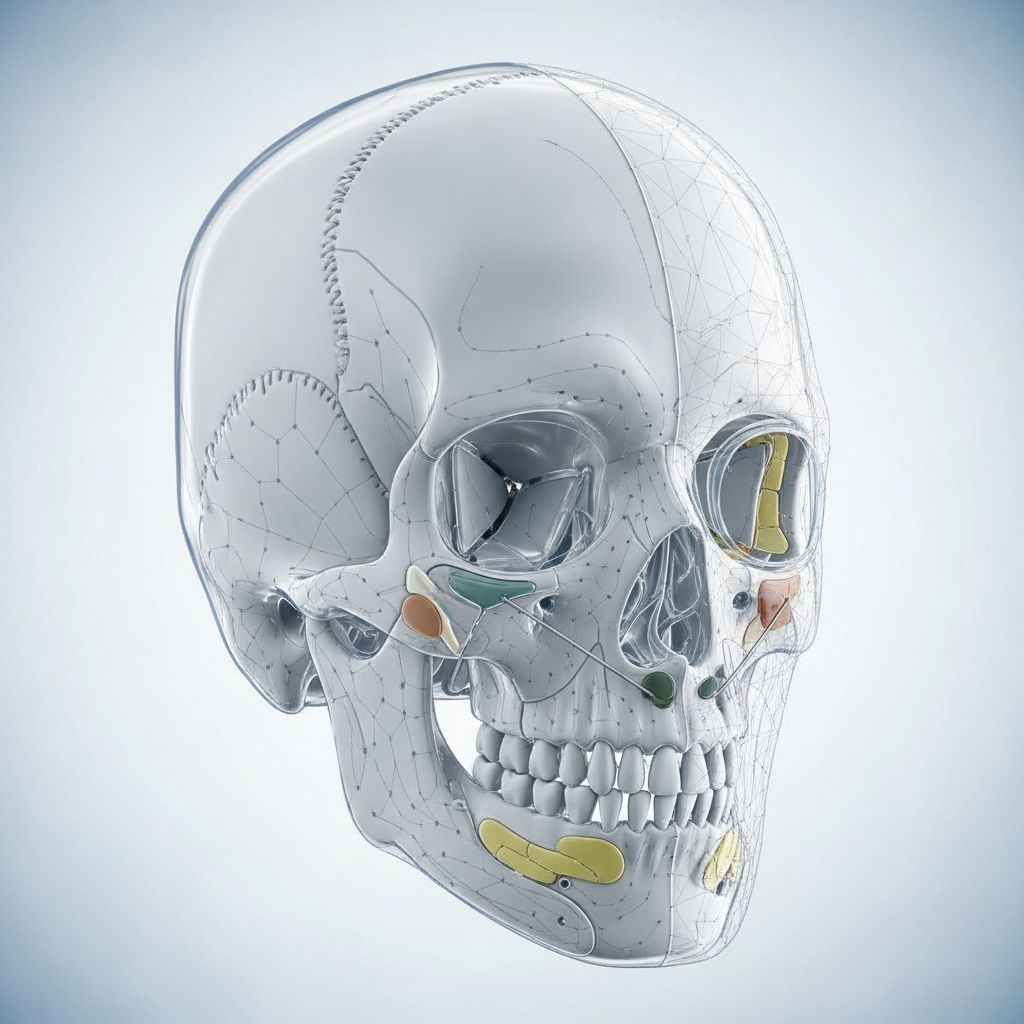
Facial reconstruction encompasses a wide range of surgical procedures designed to address various facial concerns. These procedures may involve rebuilding facial bones, restoring facial movement, repairing soft tissue defects, or correcting structural abnormalities. Facial plastic and reconstructive surgeons concentrate exclusively on the face and neck, spending their entire careers understanding this critical area of the body that plays such an important role in human identity and social interaction. The field requires specialized training, board certification, and professional competence to ensure patients receive the highest standard of care.
Common Indications for Facial Reconstruction
Patients seek facial reconstruction surgery for various reasons, including:
- Traumatic injuries from motor vehicle accidents or falls
- Cancer or tumor removal requiring facial reconstruction
- Congenital facial abnormalities or birth defects
- Facial paralysis or nerve damage
- Burn injuries affecting facial structure
- Significant facial bone loss or defects
Surgical Techniques in Facial Reconstruction
Bone Grafting and Reconstruction
One of the most common approaches in facial reconstruction involves bone grafting. Traditionally, surgeons harvest bone from elsewhere in a patient’s body, commonly from the fibula—the thinner bone in the lower leg. They break the fibula into sections, carefully chisel the pieces to fit the specific defect, and rearrange them to rebuild the jaw or other facial structures. In the United States alone, surgeons perform more than 200,000 bone grafts for facial and skull reconstruction annually, with costs totaling approximately $1 billion. However, modern innovations are transforming this approach.
Advanced Tissue Engineering and 3D Printing
A revolutionary approach to facial bone reconstruction combines 3D printing, cell signaling techniques, and a patient’s own stem cells to engineer living, anatomically precise facial bone. This innovative methodology developed at Johns Hopkins represents a significant advancement in the field. The process begins when surgeons scan a patient’s face using CT imaging and transmit the data to tissue engineers. These engineers then use a 3D printer to produce a porous, biodegradable bone scaffold made from ground-up bone embedded with tiny beads designed to release precise levels of oxygen that direct stem cell growth.
Within 12 to 24 hours, the custom bone scaffold arrives at the operating room in a sterile package, ready for implantation. Surgeons coat the scaffold with stem cells extracted from the patient’s own fatty tissues and implant the tissue-engineered bone. The regeneration process then begins, and over time, the implanted scaffold gradually dissolves and is completely replaced with living regenerated bone and tissue. This approach eliminates the need to harvest bone from another location in the patient’s body, reducing morbidity and recovery time while producing superior anatomical results.
Facial Reanimation Surgery
For patients suffering from facial paralysis—whether from Bell’s palsy, nerve injury, or other causes—facial reanimation surgery offers hope for restored movement and function. Advanced techniques such as gracilis free flap surgery have demonstrated remarkable success in creating natural facial expressions and restoring smile functionality. The gracilis muscle, located in the thigh, can be carefully harvested and transplanted to the face to restore muscle function.
Modern facial reanimation approaches focus on creating comprehensive facial movement rather than limited expressions. Using multiple vector muscle flap techniques, surgeons replace as many of the muscles involved in creating a smile as possible, resulting in fuller, more natural expressions. This advanced approach aims to restore not just any smile, but a genuine, natural-looking smile that includes eye squinting, significant lip movement, and balanced tooth display on both sides of the face—rather than the limited “Mona Lisa smile” of earlier techniques.
Related Stories



The Patient Consultation and Planning Process
The journey toward facial reconstruction begins with a comprehensive consultation with a facial plastic and reconstructive surgeon. During this initial appointment, surgeons take time to understand each patient’s specific concerns and goals. Some patients arrive with anxiety about their conditions, while others have very specific aesthetic or functional concerns they wish to address. Facial plastic surgeons tailor their approach to each patient’s individual needs, ensuring personalized care and attention.
At the first consultation, patients can expect to discuss:
- The specific facial concerns or conditions requiring reconstruction
- Realistic expectations for surgical outcomes
- Available surgical options and techniques
- The recovery timeline and what to expect post-operatively
- Potential risks and complications associated with the procedure
- Financial considerations and insurance coverage
Advanced Clinical Expertise at Johns Hopkins
Leading institutions like Johns Hopkins Medicine combine clinical expertise with research and teaching missions to provide cutting-edge care to facial reconstruction patients. Patients benefit not only from the latest surgical techniques based on evidence-based medicine but also from participation in advancing the field through clinical research. The comprehensive approach integrates clinical, research, and teaching expertise, creating a unique environment where patients receive state-of-the-art care while contributing to the training of future care providers and the advancement of reconstructive surgery techniques.
Addressing Bone Defects: The Future of Reconstruction
The demand for facial and skull reconstruction procedures has grown significantly, increasing more than 2.5 times over the past 16 years. This increased demand reflects both the prevalence of facial injuries and conditions and greater awareness of available treatment options. Traditional bone grafting approaches, while effective, come with limitations including donor site morbidity, limited supply of available bone, and the time required for bone integration.
The emerging field of tissue-engineered craniofacial bone reconstruction promises to revolutionize treatment approaches. By stimulating the body’s own regenerative abilities to grow new, anatomically shaped bone from engineered biomaterials, this approach offers several advantages:
- Eliminates the need for donor bone harvesting from other body sites
- Provides anatomically precise reconstruction customized to each patient
- Results in living tissue that integrates naturally with existing bone
- Reduces recovery time and post-operative complications
- Produces superior aesthetic and functional outcomes
Interdisciplinary Collaboration in Facial Reconstruction
Modern facial reconstruction requires collaboration between multiple specialties. Facial plastic surgeons work with biomedical engineers, radiologists, and other specialists to develop innovative solutions. This interdisciplinary approach ensures that surgical planning incorporates the latest technological advances and that patients benefit from a comprehensive treatment strategy that addresses both aesthetic and functional goals.
Recovery and Post-Operative Care
The recovery process following facial reconstruction varies depending on the complexity and extent of the procedure. Patients should expect to follow specific post-operative instructions to optimize healing and achieve the best possible results. Careful attention to wound care, activity restrictions, and follow-up appointments is essential during the recovery period. Most patients notice gradual improvement over weeks and months, with final results becoming apparent after several months as swelling resolves and tissues fully heal.
Frequently Asked Questions
Q: What is the difference between cosmetic and reconstructive facial surgery?
A: Cosmetic facial surgery focuses on enhancing appearance through elective procedures, while reconstructive facial surgery aims to restore function and normal appearance following injury, disease, or congenital abnormalities. Reconstructive surgery is often medically necessary and may be covered by insurance.
Q: How long does facial reconstruction surgery take?
A: The duration of facial reconstruction surgery varies significantly depending on the complexity of the procedure, the extent of facial damage or defects, and the specific surgical techniques employed. Some procedures may take several hours, while more complex cases may require multiple surgical sessions.
Q: Will I have visible scars after facial reconstruction?
A: Skilled facial plastic surgeons make every effort to minimize visible scarring by placing incisions strategically along natural facial lines and boundaries. Over time, scars typically fade and become less noticeable. Your surgeon will discuss scar management strategies during your consultation.
Q: How long is the recovery period after facial reconstruction?
A: Recovery timelines vary depending on the procedure performed. Most patients experience significant initial healing within 2-3 weeks, but complete healing and final results may take several months. Your surgeon will provide specific recovery guidelines based on your individual procedure.
Q: Can facial reconstruction surgery restore normal function?
A: Yes, facial reconstruction surgery aims to restore both appearance and function. For conditions like facial paralysis, advanced surgical techniques can restore facial movement and expression. For structural defects, surgery can restore the ability to eat, speak, and breathe normally.
Q: Is facial reconstruction covered by insurance?
A: Many facial reconstruction procedures are covered by insurance when they are deemed medically necessary to restore function or address conditions resulting from injury or disease. Cosmetic procedures are typically not covered. Your surgeon’s office can help verify your insurance coverage.
Q: How do I choose a facial reconstruction surgeon?
A: Select a surgeon who is board-certified in facial plastic and reconstructive surgery, has extensive experience with procedures similar to what you need, and takes time to understand your goals and concerns. Ask for before-and-after photos and patient testimonials.
References
- Gracilis Free Flap Surgery for Facial Reanimation — Johns Hopkins Medicine. 2018-03-20. https://www.hopkinsmedicine.org/otolaryngology/specialty_areas/facial_plastic_reconstructive_surgery/reconstructive_procedures/facial_reanimation_surgery.html
- Facing the Future: Revolutionizing Facial Reconstruction Through Tissue Engineering — Johns Hopkins Engineering Magazine, Warren Grayson. 2016-06. https://engineering.jhu.edu/magazine-archive/2016/06/facing-the-future/
- Warren Grayson: Revolutionizing the Face of Medicine — Johns Hopkins Biomedical Engineering Department. 2024. https://www.bme.jhu.edu/news-events/news/warren-grayson-revolutionizing-the-face-of-medicine/
- Facial Plastic and Reconstructive Surgery: Johns Hopkins Q&A — Johns Hopkins Medicine, Lisa Ishii, M.D. 2014-09-24. https://www.hopkinsmedicine.org/facialplastics
Similar Articles








Read full bio of medha deb