Facial Skin Problems: Ultimate Guide To Symptoms & Prevention
Comprehensive guide to common skin conditions affecting the face, including causes, symptoms, and treatments.
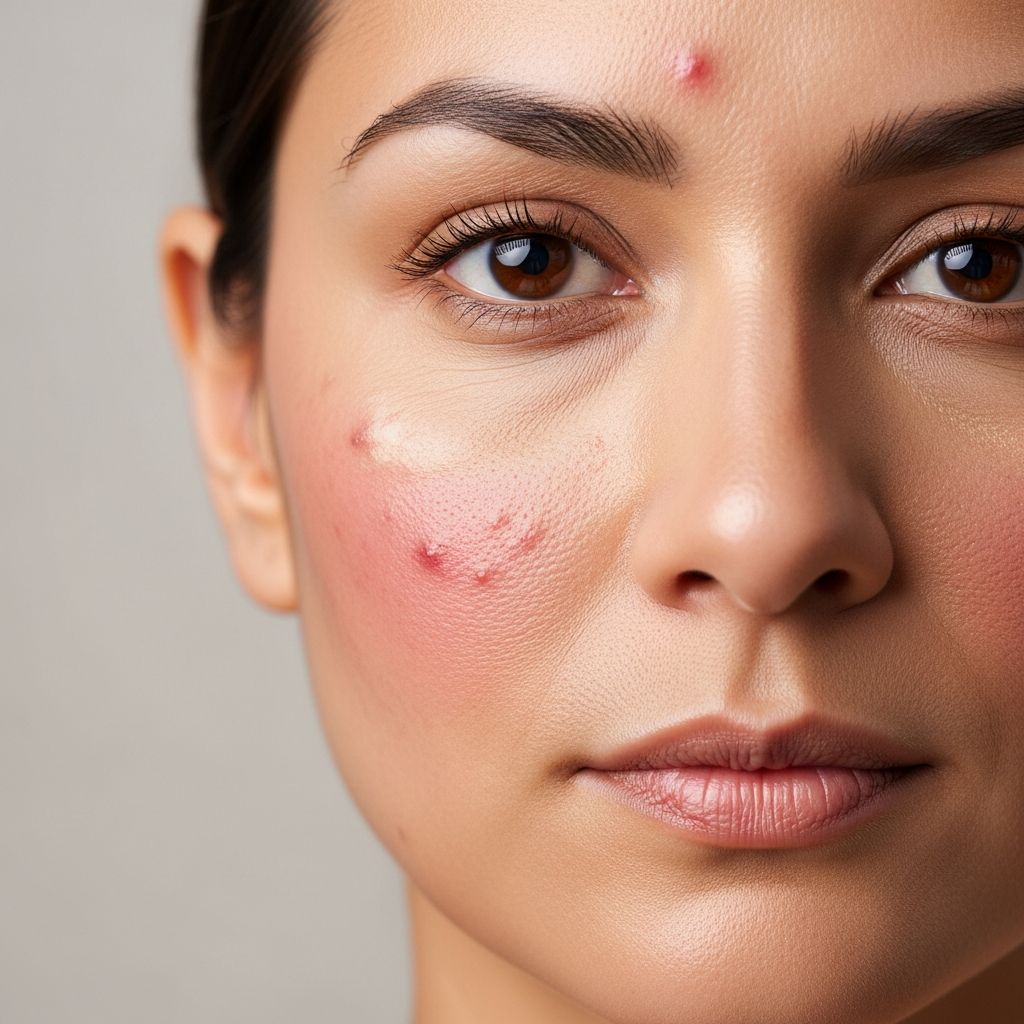
This comprehensive guide links to detailed DermNet pages on various skin conditions that commonly affect the face. Facial skin is particularly prone to issues due to constant exposure to environmental factors, hormones, and daily wear. Understanding these conditions helps in early identification and effective management. Below is a curated list of key facial skin problems, grouped by category for clarity.
Inflammation
Inflammatory conditions often present with redness, swelling, and itching on the face. These are frequently triggered by allergies, infections, or autoimmune responses.
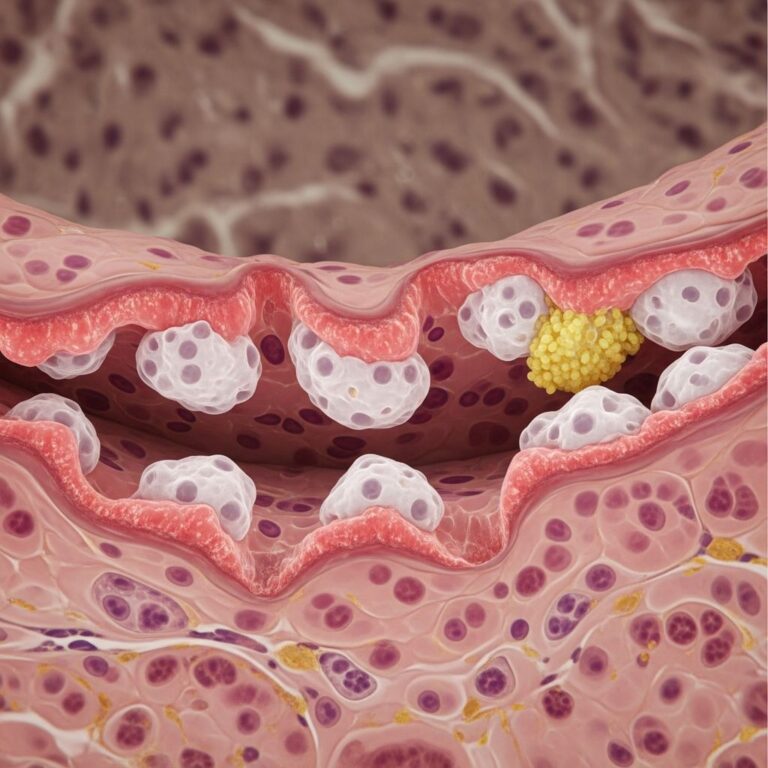
- Acne: Characterized by comedones, papules, pustules, and nodules primarily on the face, neck, and upper trunk. Common in adolescents but can persist into adulthood. Causes include clogged pores, bacteria, and hormones.
- Acne fulminans: A severe, acute form of acne with systemic symptoms like fever and joint pain.
- Angioedema: Sudden swelling of deeper skin layers, often around eyes and lips, which can be allergic or hereditary.
- Angular cheilitis: Cracks and soreness at mouth corners, linked to infection or nutritional deficiencies.
- Cellulitis: Bacterial skin infection causing red, hot, swollen facial areas, requiring prompt antibiotics.
- Contact dermatitis: Allergic or irritant reaction leading to itchy, red facial rashes from cosmetics or plants.
- Dermatitis herpetiformis: Intensely itchy blisters associated with celiac disease.
- Eczema (atopic dermatitis): Chronic itchy, inflamed patches, often on cheeks in children.
- Erythema multiforme: Target-like lesions from infections or drugs.
- Erythema nodosum: Painful red nodules, sometimes on face, linked to infections.
Benign Growths and Tumours
These non-cancerous growths can appear as bumps or lesions on the face, often due to sun exposure or genetics.
- Actinic keratoses: Rough, scaly sun-damaged spots on face, precancerous.
- Ageing skin: Wrinkles, sagging, and age spots from cumulative sun damage.
- Angiokeratomas: Small, dark red vascular spots.
- Cherry angioma: Bright red, harmless vascular growths.
- Cowden syndrome: Multiple facial papules with cancer risk.
- Dermatofibromas: Firm, brownish nodules.
- Keratoacanthoma: Rapidly growing dome-shaped tumour.
- Milium: Tiny white cysts on cheeks and eyelids.
- Molluscum contagiosum: Pearly papules from viral infection.
- Pyogenic granuloma: Friable, red nodule that bleeds easily.
Cancer and Precancer
Facial skin cancers are common due to UV exposure; early detection is crucial.
- Basal cell carcinoma: Pearly nodule with rolled edges, most common on face.
- Squamous cell carcinoma: Scaly, ulcerated lesion.
- Melanoma: Irregular, pigmented lesion with ABCDE criteria (Asymmetry, Border irregularity, Color variation, Diameter >6mm, Evolving).
Blistering Conditions
Blisters on the face can result from autoimmune diseases or infections.
- Bullous pemphigoid: Tense blisters in elderly.
- Pemphigus vulgaris: Flaccid blisters and erosions.
Connective Tissue Disorders
- Adult-onset dermatomyositis: Heliotrope rash on eyelids and Gottron papules.
- Lupus: Butterfly rash across cheeks and nose.
Disorders of Blood Vessels and Lymphatics
- Port-wine stain: Reddish-purple birthmark on face.
Disorders of Cornification
- Ichthyosis: Dry, scaly skin.
- Keratosis pilaris: Rough bumps on cheeks.
Disorders of Hair Follicles and Sebaceous Glands
- Folliculitis: Inflamed hair follicles.
- Hirsutism: Excess facial hair in women.
- Rosacea: Facial redness, flushing, and pustules.
- Seborrhoeic dermatitis: Greasy scales on eyebrows, nasolabial folds.
Disorders of Melanin
Disorders of Nails
- Ingrown toenail: Though not facial, related nail issues.
Drug Eruptions
- Drug eruptions: Facial rashes from medications.
Genodermatoses
- Basal cell naevus syndrome: Multiple facial basal cell carcinomas.
Immunosuppression and Rare Disorders
- Chronic mucocutaneous candidiasis: Persistent facial candidal infections.
Infections
- Impetigo: Honey-crusted sores on face.
- Herpes simplex: Cold sores around mouth.
Related Stories



Metabolic and Nutritional Disorders
- Pellagra: Photosensitive dermatitis on face.
Papulosquamous and Related Disorders
- Psoriasis: Scaly plaques on face.
Pigmentary Disorders
- Postinflammatory hyperpigmentation: Dark spots post-inflammation, common in acne.
Pruritus
- Pruritus: Facial itching from various causes.
Systemic Diseases with Skin Manifestations
- Sarcoidosis: Facial plaques or lupus pernio.
Tumours and Malignancy
- Expanded coverage under Cancer section above.
Prevention and Management
Prevent facial skin problems with daily sunscreen (SPF 30+), gentle cleansing, and moisturizing. For inflammatory conditions, avoid triggers like harsh products. Acne treatment includes topical retinoids and benzoyl peroxide. Rosacea benefits from vascular lasers and topicals. Regular skin checks detect precancers early. Consult dermatologists for persistent issues.
| Condition | Symptoms | Treatment |
|---|---|---|
| Acne | Pustules, blackheads | Topicals, antibiotics |
| Rosacea | Redness, flushing | Metronidazole, lasers |
| Actinic Keratosis | Scaly patches | Cryotherapy |
| Eczema | Itchy red patches | Emollients, steroids |
Frequently Asked Questions (FAQs)
Can facial acne leave scars?
Yes, untreated severe acne can cause scarring and post-inflammatory hyperpigmentation, especially in darker skin tones.
How to prevent actinic keratoses?
Use broad-spectrum sunscreen daily and avoid peak sun hours.
Is rosacea curable?
No, but manageable with lifestyle changes and medications.
What causes facial eczema flares?
Triggers include allergens, stress, and dry weather.
When to see a doctor for facial rash?
If persistent, painful, spreading, or with systemic symptoms.
This guide synthesizes information from high-quality sources to educate on facial dermatology. For personalized advice, consult a healthcare professional.
References
- Skin Disorders: Pictures, Causes, Symptoms, and Treatment — Healthline. 2023-10-15. https://www.healthline.com/health/skin-disorders
- Common skin conditions explained – Right Decisions — NHS Scotland. 2012-05-01. https://rightdecisions.scot.nhs.uk/media/yttfkxkk/dermatology_guide__amended_may_2012_-1.pdf
- Dermatological guide for primary care physicians: full body skin — PMC (PubMed Central). 2024-01-01. https://pmc.ncbi.nlm.nih.gov/articles/PMC11188824/
- Facial skin problems – DermNet — DermNet NZ. 2025-01-01. https://dermnetnz.org/topics/facial-skin-problems
Similar Articles








Read full bio of medha deb