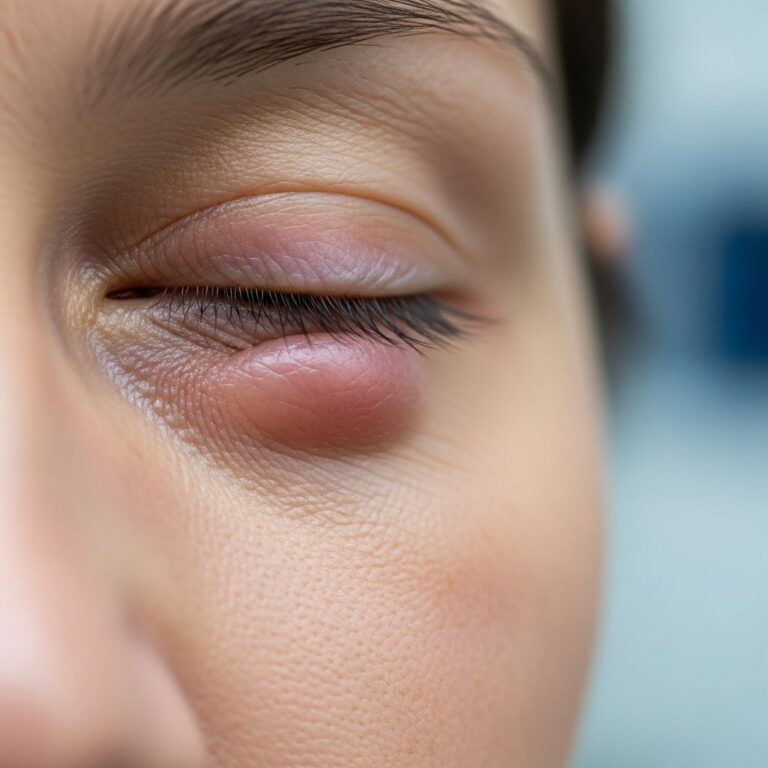
Facial Swelling: Causes, Symptoms & Treatment
Understanding facial swelling: causes, when to seek emergency care, and treatment options.
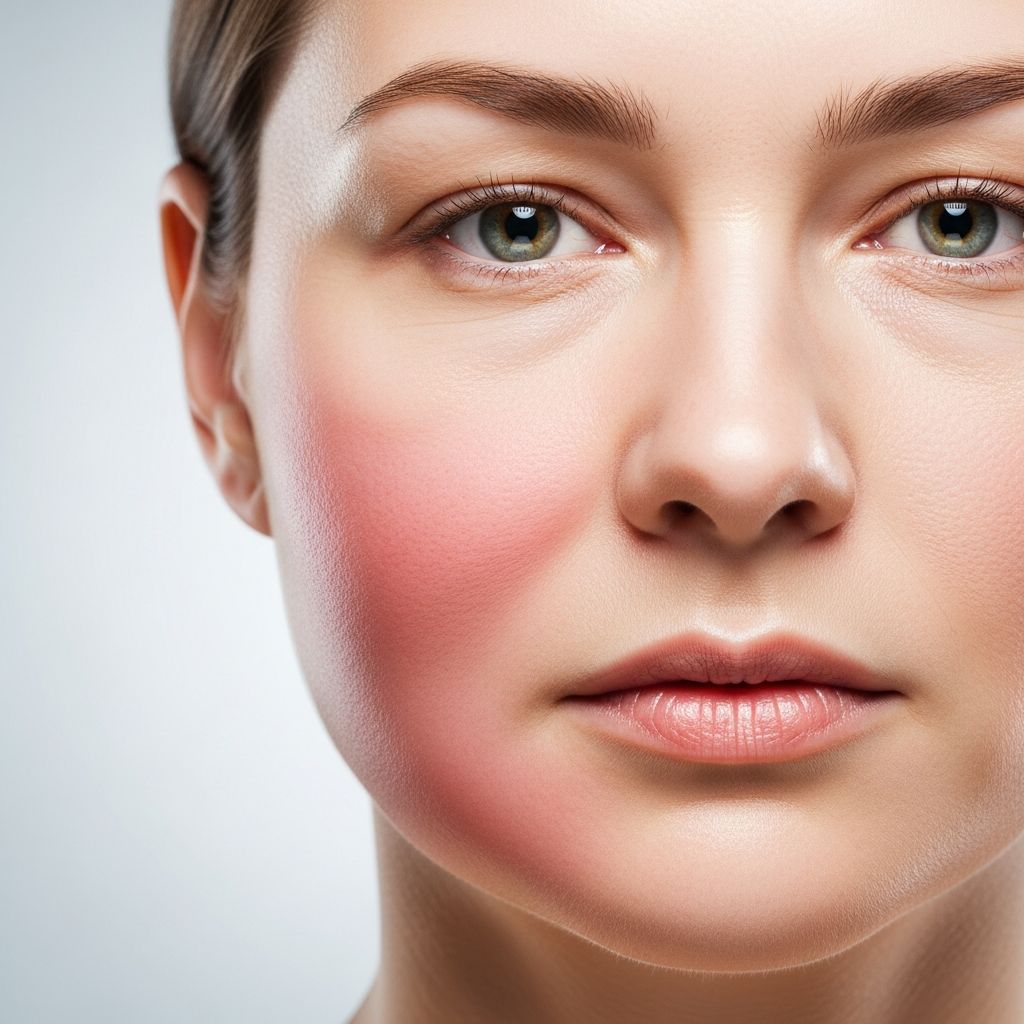
Facial swelling can be alarming and distressing, especially since any changes to your face are immediately noticeable. Whether your face appears puffy, round, or swollen in specific areas, understanding what causes facial swelling is the first step toward addressing it. Swelling occurs when fluid accumulates in the facial tissues, and this can happen for many different reasons—some minor and easily treatable, and others that require medical attention.
Why Does Facial Swelling Occur?
Facial swelling happens when small blood vessels lose their integrity and become leaky, allowing fluid to move more easily into the tissues. The face is particularly prone to noticeable swelling because the area has a high level of blood supply and the skin tends to be thin. This makes even minor fluid retention visible to others and to yourself in the mirror.
Several factors can contribute to the deterioration of small blood vessels, including inflammation, hormonal changes, and allergens. The good news is that sources of facial swelling can often be examined and potentially isolated before becoming larger issues that require long-term treatment plans.
Common Causes of Facial Swelling
Inflammation, infections, and allergies are among the most likely reasons that trigger fluid buildup in facial tissue, leading to swelling. This swelling can range from mild to severe and may even extend to your neck and upper arms. Understanding these causes can help you identify what’s happening and determine the appropriate course of action.
Allergic Reactions
Allergic reactions are one of the most common causes of facial swelling. When your body encounters an allergen—whether it’s from food, medication, insect stings, or environmental factors—it can trigger an immune response that causes swelling in various parts of your face, including your lips, eyelids, and tongue. Angioedema, a specific type of swelling that occurs in the tissue under your skin, is often caused by allergic reactions and can affect your face significantly.
Infections
Bacterial and viral infections can cause facial swelling. Parotitis, which is swelling of the parotid glands located on the side of your face between your ear and jaw, is one example. Infections in the sinuses, teeth, or other facial structures can also lead to noticeable facial swelling and typically accompany other symptoms like pain or fever.
Inflammation and Inflammatory Conditions
Various inflammatory conditions can cause facial swelling. Orofacial granulomatosis is a rare skin condition that causes swelling in your lips, mouth, and face, often presenting as soft, painless swelling that may become firmer and more painful over time. Other inflammatory conditions like Melkersson-Rosenthal syndrome, which affects facial nerves and causes repeat episodes of facial swelling, can also result in noticeable facial puffiness.
Hormonal Changes
Hormonal imbalances can contribute to facial swelling. Moon face, a condition caused by long-term steroid use or Cushing’s syndrome, results in fat deposits building up along the sides of the face, causing severe swelling and a round, puffy appearance. Additionally, hypothyroidism—when your thyroid doesn’t produce enough thyroid hormone—can cause facial swelling because thyroid hormone helps break down sugar molecules in your body. Without enough thyroid hormone, sugar molecules build up in your skin and attract water, causing swelling.
Related Stories



Dental Issues
Dental problems such as tooth infections or abscess can lead to facial swelling. The swelling typically occurs on the side of the face where the dental problem exists and may be accompanied by pain and difficulty eating or drinking.
Injuries and Surgery
Recent facial injuries or surgical procedures can cause temporary facial swelling as your body’s natural response to trauma. This type of swelling usually subsides as healing progresses.
Hereditary Conditions
Hereditary angioedema (HAE) is a genetic disorder that causes episodes of swelling in different parts of the body, including the face, hands, and feet. Symptoms can appear as early as age 2, and the condition requires specific medical management and treatment.
When to Seek Emergency Care
While many causes of facial swelling are not serious, certain symptoms warrant immediate medical attention. Contact emergency services or go to the nearest emergency room immediately if you experience any of the following:
- Swelling in your throat, tongue, or lips that makes your throat feel tight and itchy
- Difficulty breathing or shortness of breath
- Racing heart or chest pain
- Dizziness or fainting
- Fever of 103°F (39.4°C) or higher
- Sudden drop in blood pressure
- Signs of anaphylaxis, a life-threatening allergic reaction
These symptoms could indicate a serious condition like anaphylaxis or an airway obstruction that requires immediate intervention.
Diagnostic Process
When you visit a doctor for facial swelling, they will work with you to pinpoint the exact cause. They’ll determine if diagnostic tests are needed and will ask you several important questions to help guide their evaluation:
- How long has your swelling lasted, and when did it begin?
- Have you taken anything to treat it, and has it worked?
- Have you come into contact with something you may be allergic to?
- What medications are you currently taking?
- Did you recently injure yourself or undergo surgery?
- What other symptoms are you currently experiencing?
Based on your answers, your healthcare provider may recommend allergy skin tests, allergy blood tests, genetic testing, or imaging studies to determine the underlying cause of your facial swelling.
Treatment Options
Treatment for facial swelling depends on the underlying cause. For allergic reactions, antihistamines and corticosteroids may help reduce swelling. For infections, antibiotics or antivirals may be prescribed. Inflammatory conditions like orofacial granulomatosis may respond to corticosteroids and other anti-inflammatory medications. Cold compresses and elevation can provide temporary relief for mild swelling, while addressing the root cause is essential for long-term resolution.
Conditions Associated with Facial Swelling
Angioedema
Angioedema is swelling in the tissue under your skin, most commonly affecting the lips, eyelids, tongue, and face. It can result from allergies, medication side effects, or inherited genetic changes. The swelling occurs when liquid from small blood vessels escapes and fills tissues.
Orofacial Granulomatosis
This rare skin condition causes swelling in the lips, mouth, and face. Swelling is usually soft and painless initially, then becomes firmer and more painful over time. While there’s no cure, corticosteroids and other treatments can help manage symptoms.
Hereditary Angioedema
HAE is a genetic disorder causing recurrent episodes of facial and body swelling. Genetic mutations prevent certain proteins from working correctly, causing fluid to leak from blood vessels into surrounding tissues. Medications can treat and prevent HAE attacks.
Melkersson-Rosenthal Syndrome
This rare neurological disorder causes episodes of facial swelling, facial paralysis, and tongue furrowing. It can be an early sign of Crohn’s disease or sarcoidosis and is often misdiagnosed.
Parotitis
Parotitis is swelling of the parotid glands located on the sides of your face. It can occur on one side (unilateral) or both sides (bilateral) and may result from infections or other underlying conditions.
Frequently Asked Questions
Q: How long does facial swelling typically last?
A: The duration depends on the cause. Allergic reactions may resolve in hours to days, while swelling from infections might last longer. Chronic conditions like orofacial granulomatosis can cause swelling that lasts weeks or months and may become permanent if untreated.
Q: Can facial swelling be prevented?
A: Prevention depends on the cause. Avoiding known allergens, maintaining good oral hygiene, staying hydrated, and managing underlying health conditions can help prevent some types of facial swelling. However, genetic conditions and sudden infections may be unavoidable.
Q: What can I do at home to reduce facial swelling?
A: Cold compresses applied to the swollen areas can help reduce inflammation. Elevating your head while sleeping, reducing salt intake, staying hydrated, and taking over-the-counter antihistamines for allergic reactions may provide relief. However, see a doctor if swelling persists or worsens.
Q: Is facial swelling always a sign of something serious?
A: No. Many causes of facial swelling are minor and resolve on their own or with simple treatment. However, if swelling is accompanied by difficulty breathing, high fever, throat tightness, or other emergency symptoms, seek medical care immediately.
Q: When should I see a doctor about facial swelling?
A: Contact a healthcare provider if swelling lasts more than a few days, is severe, affects your ability to eat or drink, or is accompanied by pain, fever, or other concerning symptoms. Seek emergency care immediately if you have difficulty breathing or other emergency warning signs.
Q: Can medications cause facial swelling?
A: Yes. Some medications, particularly ACE inhibitors for blood pressure, can cause angioedema and facial swelling as a side effect. Long-term corticosteroid use can cause moon face. Always discuss potential side effects with your healthcare provider.
The Bottom Line
Facial swelling can be caused by many different factors, ranging from simple allergic reactions and infections to dermatological issues and dental problems. In most cases, facial swelling is not serious and can be managed with appropriate treatment once the underlying cause is identified. However, it’s important to pay attention to accompanying symptoms and seek medical attention if needed.
If your facial swelling is accompanied by difficulty breathing, a high fever, throat tightness that makes you feel like your airway is closing, or other emergency symptoms, contact your doctor immediately or head to a nearby emergency room. When in doubt about your symptoms, it’s always wise to consult with a healthcare professional who can properly evaluate your condition and recommend appropriate treatment.
References
- Why Is My Face Swollen? 12 Causes, According to Doctors — Good Housekeeping. 2025. https://www.goodhousekeeping.com/health/a43657194/facial-swelling/
- Orofacial Granulomatosis: Causes, Symptoms & Treatment — Cleveland Clinic. 2024. https://my.clevelandclinic.org/health/diseases/23317-orofacial-granulomatosis
- Angioedema: Causes, Symptoms, Types & Treatments — Cleveland Clinic. 2024. https://my.clevelandclinic.org/health/diseases/22632-angioedema
- Moon Face: Causes & Treatment — Cleveland Clinic. 2024. https://my.clevelandclinic.org/health/symptoms/moon-face
- Melkersson-Rosenthal Syndrome: Symptoms & Treatment — Cleveland Clinic. 2024. https://my.clevelandclinic.org/health/diseases/23115-melkersson-rosenthal-syndrome-mrs
- Parotitis: Parotid Gland Swelling Causes, Symptoms & Treatment — Cleveland Clinic. 2024. https://my.clevelandclinic.org/health/diseases/23577-parotitis-parotid-gland-swelling
- Hereditary Angioedema (HAE) Symptoms, Causes & Treatment — Cleveland Clinic. 2024. https://my.clevelandclinic.org/health/diseases/hereditary-angioedema
Similar Articles








Read full bio of medha deb