Facial Trauma: Causes, Types, and Treatment Options
Comprehensive guide to facial trauma: understanding injuries, diagnosis, and recovery strategies.
Understanding Facial Trauma
Facial trauma encompasses a wide range of injuries affecting the face, including fractures, lacerations, soft tissue damage, and complex injuries involving multiple facial structures. These injuries can result from various causes and may significantly impact appearance, function, and quality of life. Proper diagnosis and treatment are essential to restore both aesthetic appearance and functional capacity, helping patients achieve successful reintegration into daily activities.
What Is Facial Trauma?
Facial trauma refers to any injury to the face resulting from blunt force, penetrating wounds, or complex mechanisms of injury. The face contains numerous vital structures including the eyes, nose, mouth, teeth, nerves, and blood vessels. When injured, these structures require careful assessment and treatment to prevent long-term complications. Facial trauma can range from minor lacerations to severe fractures involving multiple facial bones and soft tissues, requiring specialized surgical intervention and comprehensive rehabilitation.
Causes of Facial Trauma
Facial injuries occur through multiple mechanisms in both accidental and intentional situations. Understanding the causes helps in prevention and appropriate treatment planning.
Common Causes Include:
- Motor vehicle accidents and traffic collisions
- Falls from heights or ground level, particularly in elderly individuals
- Assaults and interpersonal violence
- Sports-related injuries and recreational accidents
- Workplace accidents and occupational injuries
- Motorcycle and bicycle accidents
- Blast injuries and ballistic trauma
- Industrial accidents involving machinery
Types of Facial Trauma
Facial trauma encompasses various injury patterns, each requiring specific management approaches. Understanding the classification helps guide appropriate treatment strategies and predict potential complications.
Soft Tissue Injuries
Soft tissue trauma includes lacerations, abrasions, contusions, and avulsion injuries affecting skin and underlying tissues. These injuries may appear minor but require careful evaluation to identify underlying bone fractures or nerve damage. Proper wound cleaning and closure techniques are essential to minimize scarring and restore normal appearance.
Orbital Fractures
The eye socket or orbit is particularly vulnerable to injury. Orbital fractures can involve the orbital rim, orbital floor, or orbital walls. These injuries may compromise eye movement, cause vision problems, or lead to cosmetic deformities. Some orbital fractures require surgical intervention to restore proper eye positioning and function.
Nasal Injuries
Nasal fractures are among the most common facial injuries. While some nasal fractures heal with conservative management, others require reduction to restore airway function and appearance. Nasoethmoid injuries involving the medial orbital structures require specialized surgical techniques to prevent complications such as telecanthus and loss of facial projection.
Maxillary and Midface Fractures
The midface region is complex, involving the upper jaw, cheekbones, and surrounding structures. Le Fort fractures represent classic patterns of midface trauma caused by high-impact injuries. Zygomatic and zygomaticomaxillary complex fractures affect cheekbone prominence and eye support. Proper reduction and fixation are critical to restore facial width, projection, and occlusion.
Related Stories



Mandibular Fractures
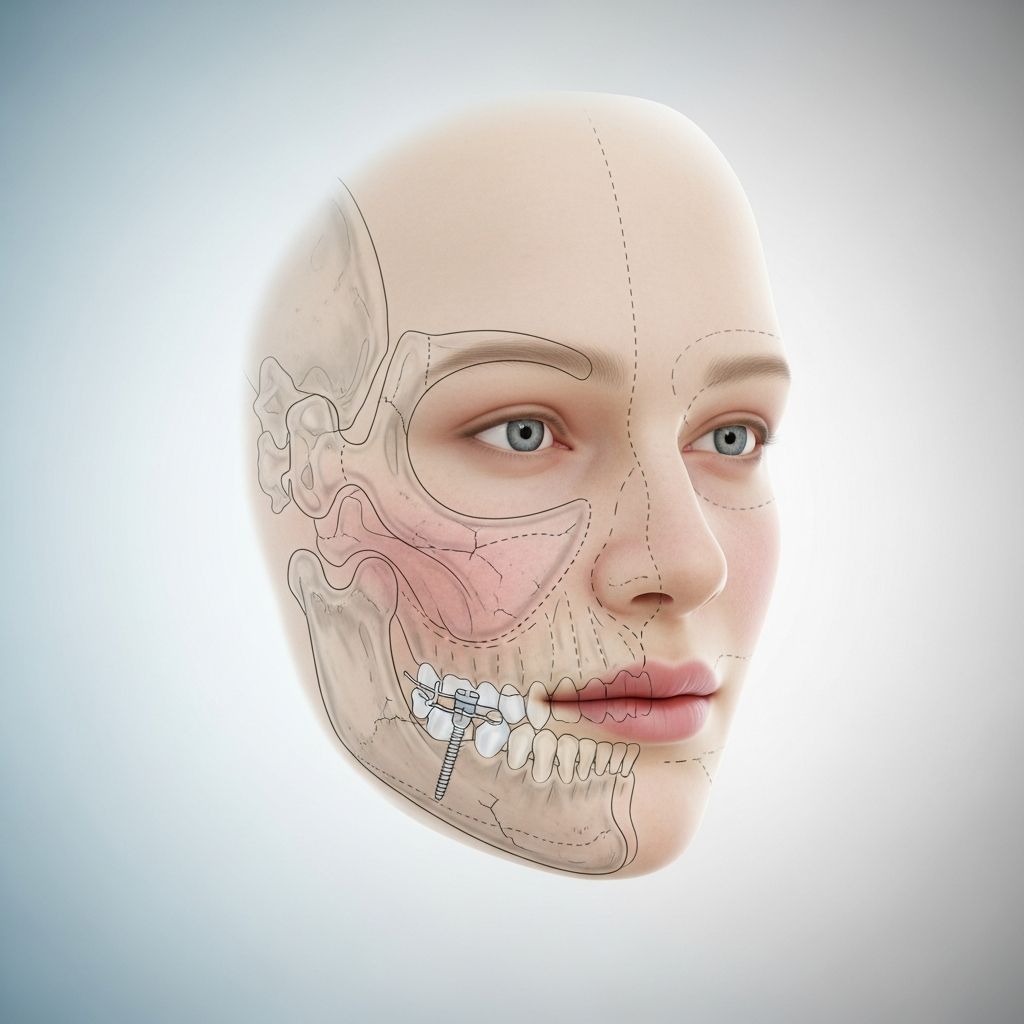
The lower jaw is susceptible to fractures at various sites, including the body, angle, ramus, and condyle. Mandibular fractures can compromise chewing function, speech, and airway patency. Treatment varies from conservative approaches with elastics or splints to surgical fixation with plates and screws, depending on fracture pattern and severity.
Complex and Panfacial Injuries
Severe trauma may involve multiple facial regions simultaneously, creating panfacial injuries requiring comprehensive treatment planning. Ballistic injuries from gunshot wounds and blast injuries from explosions present unique challenges requiring specialized expertise. These complex injuries often necessitate staged reconstruction and multidisciplinary team involvement.
Diagnosis of Facial Trauma
Accurate diagnosis is fundamental to optimal treatment outcomes. A systematic approach to evaluation ensures no significant injuries are missed.
Clinical Examination
Initial assessment begins with evaluation of airway, breathing, and circulation in trauma patients. Following stabilization, detailed examination of the face documents visible injuries, asymmetry, step-offs at bone edges, and malocclusion. Palpation identifies bone crepitus, tenderness, and abnormal mobility. Neurological examination assesses facial nerve function, eye movement, and sensory function to identify nerve injuries.
Imaging Studies
Computed tomography (CT) scanning is the gold standard for evaluating facial trauma. High-resolution CT images in multiple planes identify fractures, bone displacement, and associated soft tissue injuries. Three-dimensional reconstructions help visualize complex fracture patterns and guide surgical planning. Intraoperative imaging and navigation technologies enhance precision during surgical repair.
Specialized Evaluations
Ophthalmic evaluation assesses visual acuity, eye movement, and intraocular pressure in orbital injuries. Dental consultation evaluates tooth integrity, occlusion, and periodontal injuries. Otolaryngologic examination assesses nasal airway, sinuses, and temporal bone injuries. Neurological evaluation identifies facial nerve injuries and skull base involvement.
Treatment Approaches
Facial trauma treatment varies based on injury severity, type, and associated medical conditions. A comprehensive, individualized approach optimizes outcomes.
Conservative Management
Minor injuries with minimal displacement may be managed without surgery. Simple lacerations receive careful wound cleaning and closure. Uncomplicated nasal fractures may be managed with ice, elevation, and pain management. Some mandibular fractures respond to conservative treatment with soft diets and careful jaw hygiene.
Soft Tissue Repair
Proper wound management is essential for optimal healing and minimal scarring. Thorough cleaning removes debris and devitalized tissue. Layered closure restores anatomy and supports underlying structures. Specialized techniques address wounds involving critical structures such as the eyelid, lip, or ear. Timely repair within the “golden period” improves outcomes, though delayed repair remains feasible in selected cases.
Surgical Fixation
Bone fractures with displacement or instability typically require surgical reduction and fixation. Internal fixation using plates and screws provides rigid stabilization, allowing early mobilization and reducing infection risk. The timing of surgery depends on patient stability, associated injuries, and fracture pattern. Open reduction with internal fixation (ORIF) is the standard approach for most displaced facial fractures.
Reconstruction and Delayed Repair
Some patients present with delayed injuries or complications requiring secondary reconstruction. Post-traumatic deformities such as nasal deviation, orbital dystopia, or malocclusion may necessitate corrective osteotomies or additional procedures. Soft tissue defects may require grafts or flaps to restore appearance and function. Virtual surgical planning and three-dimensional printing enable precise preoperative planning for complex reconstructions.
Advanced Techniques
Innovative approaches enhance surgical precision and functional outcomes. Intraoperative surgical navigation systems provide real-time guidance during fracture reduction. Three-dimensional printing creates patient-specific models and surgical guides. Microsurgical techniques enable reconstruction of complex soft tissue defects. In rare cases involving massive tissue loss, facial transplantation offers revolutionary reconstruction options.
Recovery and Rehabilitation
Successful facial trauma recovery extends beyond surgical intervention. Comprehensive rehabilitation addresses physical, functional, and psychological aspects of recovery.
Post-Operative Care
Immediate post-operative management includes wound care, pain control, and swelling management. Patients typically require activity restrictions and dietary modifications during initial healing phases. Regular follow-up appointments monitor healing, assess alignment, and address complications. Most patients experience gradual improvement over weeks to months as swelling resolves and tissues heal.
Functional Rehabilitation
Patients gradually return to normal activities as healing progresses. Jaw exercises and functional activities restore mastication in mandibular injuries. Speech and swallowing therapy addresses phonation and deglutition problems. Gradual return to sports and occupational activities occurs as clearance is obtained.
Psychological Support
Facial trauma profoundly impacts self-image and psychological well-being. Counseling and support services help patients adjust to appearance changes and functional limitations. Many patients benefit from psychological support throughout recovery and reconstruction phases.
Complications and Management
Despite optimal treatment, complications may occur requiring additional intervention. Understanding potential complications enables prompt recognition and management.
Common Complications Include:
- Malocclusion and bite problems affecting chewing
- Facial asymmetry and deformity
- Nerve injuries causing numbness or paralysis
- Infection and abscess formation
- Malunion of fractures requiring revision
- Enophthalmos (eye sunkenness) causing cosmetic and functional problems
- Temporo-mandibular joint dysfunction
- Nasal obstruction from healing complications
- Post-traumatic facial pain syndromes
Special Populations
Facial trauma management requires consideration of unique factors in specific patient populations.
Pediatric Facial Trauma
Children’s facial trauma requires modified approaches considering ongoing growth and development. The pediatric skull demonstrates greater elasticity and remodeling capacity than adult bones. Fractures in children often demonstrate spontaneous healing with minimal intervention. Orbital and mandibular fractures require careful management to avoid growth disturbances. Long-term follow-up monitors for complications affecting facial development.
Geriatric Patients
Elderly patients present unique challenges including compromised bone quality, medical comorbidities, and limited physiologic reserve. Falls represent the primary trauma mechanism in this population. Medical optimization and careful surgical planning are essential. Conservative approaches are often preferred when feasible, though surgical intervention may be necessary for unstable injuries.
Prevention Strategies
While trauma cannot always be prevented, certain measures reduce facial injury risk. Proper use of seat belts and airbags in vehicles significantly decreases facial trauma in motor vehicle accidents. Protective equipment in sports, including helmets and face shields, prevents many sports-related injuries. Workplace safety measures and proper equipment use reduce occupational injuries. Violence prevention programs and community safety initiatives address assault-related trauma.
Frequently Asked Questions
Q: How soon after injury should facial trauma be evaluated?
A: Immediate evaluation is essential for injuries involving the eye, airway, or significant bleeding. Even apparently minor injuries warrant prompt assessment to identify underlying fractures or nerve damage not visible on initial inspection.
Q: Can facial fractures heal without surgery?
A: Some facial fractures, particularly those with minimal displacement, may heal conservatively with careful monitoring. However, displaced or unstable fractures typically require surgical fixation to ensure proper alignment and optimal functional and cosmetic outcomes.
Q: What is the timeline for facial trauma recovery?
A: Initial healing occurs over weeks to months, with most swelling resolving in 2-3 weeks. Complete remodeling and scar maturation may continue for 12-18 months. Functional improvement typically progresses steadily throughout this period.
Q: Will I have permanent scarring after facial trauma?
A: Careful wound management minimizes scarring, and most scars fade significantly over time. Strategic placement of incisions along natural skin creases and attention to anatomic layer closure improve cosmetic outcomes. Scar revision may be considered after complete healing if significant scarring persists.
Q: Can facial sensation return after nerve injury?
A: Nerve injuries may recover spontaneously or with surgical repair. Sensory recovery can occur over months to years as nerve fibers regenerate. Complete recovery varies depending on injury severity and timing of repair.
References
- Facial Trauma Surgery: From Primary Repair to Reconstruction — Dorafshar AH, Rodriguez ED, Manson PN. Elsevier Health Sciences. 2019-02-18. https://www.us.elsevierhealth.com/facial-trauma-surgery-9780323497558.html
- Navigating Complex Facial Trauma: A Comprehensive Guide to CT-Based Assessment — Johns Hopkins University. 2024. https://pure.johnshopkins.edu/en/publications/navigating-complex-facial-trauma-a-comprehensive-guide-to-ct-base/
- Comprehensive Textbook of Facial Trauma Management — Manson PN, Chief of Plastic Surgery, Johns Hopkins Hospital. Educational resources on primary and secondary facial trauma repair. https://shop.elsevier.com/books/facial-trauma-surgery/dorafshar/978-0-323-49755-8
Similar Articles








Read full bio of medha deb