Factors Linked to Greater Weight Loss on Ozempic, Saxenda
Discover key factors like medication type, dosage, persistence, and indication that boost weight loss success on Ozempic and Saxenda.
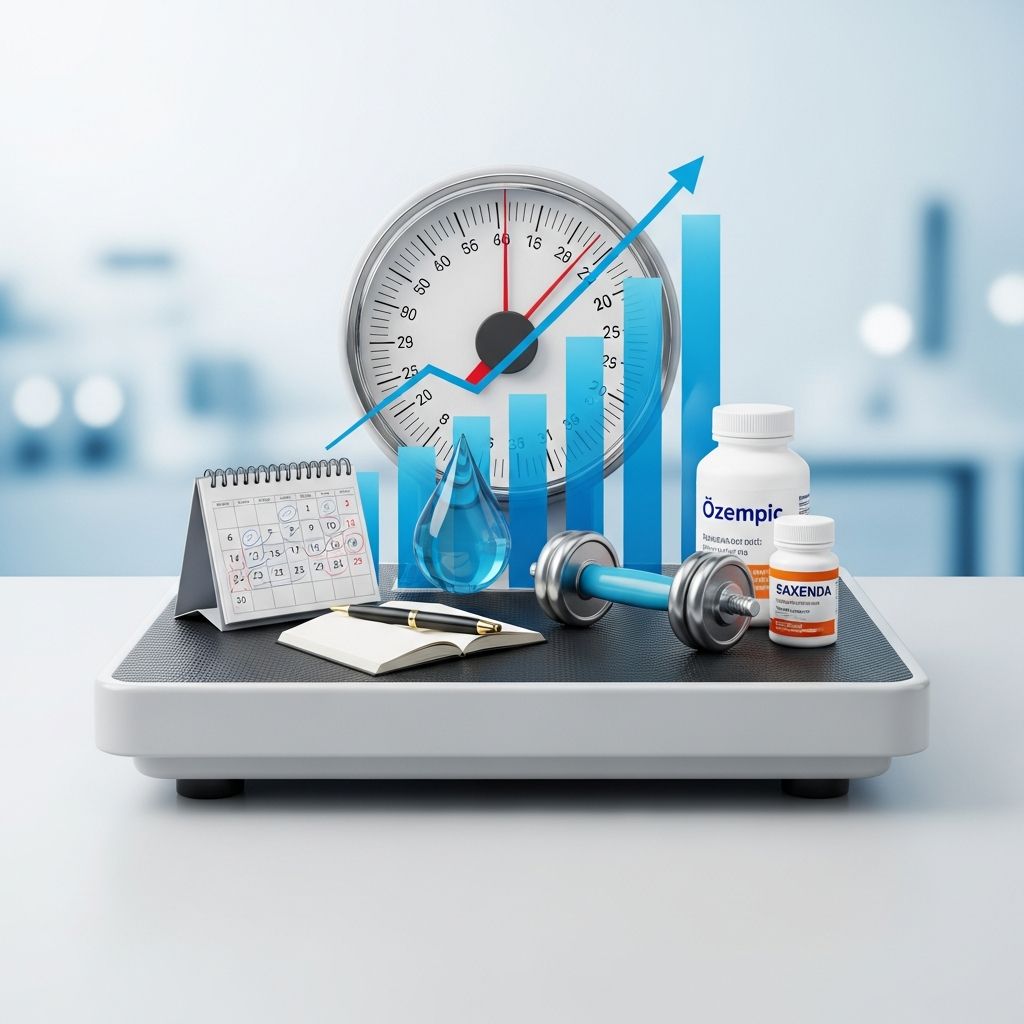
GLP-1 receptor agonists like semaglutide (Ozempic, Wegovy) and liraglutide (Saxenda, Victoza) have transformed weight management, but outcomes vary widely. A Cleveland Clinic study of nearly 3,400 patients reveals four key factors driving greater weight loss: medication type, dosage, treatment indication, and persistence.
What Are Ozempic and Saxenda?
Ozempic and Saxenda are injectable medications mimicking glucagon-like peptide-1 (GLP-1), a hormone that regulates blood sugar, slows gastric emptying, and suppresses appetite. Semaglutide in Ozempic is administered weekly, while liraglutide in Saxenda requires daily dosing. These drugs promote satiety, reduce calorie intake, and support sustained weight loss when combined with lifestyle changes.
Originally approved for type 2 diabetes, these GLP-1 agonists gained popularity for obesity treatment due to impressive weight reductions. Clinical trials show Ozempic users losing an average of 14 pounds over 10 months, with Wegovy achieving up to 15% body weight reduction after 72 weeks.
The Cleveland Clinic Study: Key Findings
Researchers analyzed electronic health records from 3,389 patients prescribed semaglutide or liraglutide between July 2015 and June 2022. All had a BMI of at least 30, with 54% female, average age 50, and diverse demographics (68% white, 20% Black, 7% Hispanic).
Outcomes measured total body weight change and achievement of ≥10% weight loss—a clinically significant threshold reducing risks for hypertension and chronic diseases. At one year, only 40% maintained persistent medication access, highlighting real-world challenges.
Factor 1: Type of Medication (Active Ingredient)
Semaglutide users were more than twice as likely to achieve ≥10% weight loss compared to liraglutide users. This aligns with semaglutide’s higher potency and weekly dosing, improving adherence over daily liraglutide.
- Semaglutide (Ozempic/Wegovy): Stronger appetite suppression and slower gastric emptying.
- Liraglutide (Saxenda/Victoza): Effective but less pronounced effects in head-to-head comparisons.
Trials confirm semaglutide’s edge: 83.5% of Wegovy patients lost ≥12 pounds, with 30% exceeding 45 pounds.
Factor 2: Dosage
Higher maintenance doses increased odds of ≥10% loss by 1.5 times. Low doses suit titration to minimize side effects, but maximal therapeutic doses yield better results once tolerated.
Dosing protocols:
| Drug | Starting Dose | Maintenance Dose |
|---|---|---|
| Semaglutide (Ozempic) | 0.25 mg weekly | 1-2.4 mg weekly |
| Liraglutide (Saxenda) | 0.6 mg daily | Up to 3 mg daily |
Higher doses enhance GLP-1 effects but may intensify nausea or GI issues initially.
Factor 3: Treatment Indication
Patients prescribed for obesity were over twice as likely to hit ≥10% loss versus type 2 diabetes. Obesity-focused regimens often emphasize weight goals, lifestyle integration, and higher doses, unlike diabetes management prioritizing glycemic control.
Experts note this may reflect prescribing patterns: obesity patients receive tailored support, amplifying drug efficacy.
Factor 4: Medication Persistence
Persistent users (cumulative gaps <90 days) were three times more likely to succeed, achieving 5.5% average loss versus 1.8% for inconsistent users. Barriers like cost, shortages, and insurance gaps disrupt progress.
Only 40% maintained full-year access, underscoring the need for affordable, reliable supply. Discontinuation often leads to appetite rebound and weight regain, as obesity is chronic.
Other Influential Factors
Sex Differences
Females were 1.5 times more likely to reach ≥10% loss, possibly due to hormonal or metabolic variances, though more research is needed.
Lifestyle and Support
While not directly studied, experts emphasize combining GLP-1s with diet, exercise, and behavioral coaching for sustainability. Medications reduce hunger, enabling calorie deficits, but long-term habits prevent regain.
Related Stories



How GLP-1 Drugs Work for Weight Loss
GLP-1 agonists replicate intestinal GLP-1, signaling the brain to curb appetite, slowing stomach emptying for prolonged fullness, and boosting insulin while inhibiting glucagon.
- Brain pathways: Suppress ‘eat more’ signals, activate ‘eat less’.
- GI effects: Delayed emptying reduces overall intake.
- Hormonal balance: Improves insulin sensitivity, lowers A1c by >2% in diabetes.
Weight loss stems from consistent calorie reduction via diminished hunger, not just metabolic shifts.
Real-World Weight Loss Outcomes
- Saxenda: 60% lost ≥12 lbs; 1/3 averaged 23 lbs.
- Wegovy: 2/3 lost average 23 lbs; 30% >45 lbs.
- Ozempic: Average 14 lbs over 10 months.
- Phase 3 trial: 15% reduction at 72 weeks with semaglutide.
Clinically, ≥10% loss improves comorbidities, but persistence is crucial for maintenance.
Challenges and Side Effects
Common issues include nausea, vomiting, diarrhea—often transient with titration. Higher doses amplify these, but most adapt.
Access remains a hurdle: High costs and shortages limit persistence. Discontinuation risks regain, as hormonal adaptations drive hunger post-therapy.
Expert Insights
Caroline Apovian, MD from Harvard, confirms these factors align with prior research. Persistence stands out, as interruptions undermine benefits. Strategies include insurance navigation, generics, and lifestyle to extend gains.
Tips for Maximizing Weight Loss Success
- Choose semaglutide if suitable for superior efficacy.
- Titrate to highest tolerated dose.
- Ensure obesity indication with comprehensive care.
- Prioritize uninterrupted access via insurance, assistance programs.
- Pair with 500-calorie deficit diet, 150+ min weekly exercise.
- Monitor with healthcare provider for adjustments.
Frequently Asked Questions (FAQs)
What is the most important factor for weight loss on Ozempic or Saxenda?
Medication persistence has the strongest impact, with consistent users three times more likely to lose ≥10% body weight.
Why do women lose more weight on these drugs?
Study data shows females 1.5 times more likely, potentially due to sex-specific metabolism, though mechanisms require further study.
Can I stop taking Ozempic after weight loss?
Possible but challenging; most regain weight due to appetite rebound. Use as long-term therapy with lifestyle support.
How much weight can I expect to lose?
Average 5-15% with optimal factors; ≥10% is clinically meaningful for health benefits.
Are higher doses always better?
Yes for efficacy, but titrate slowly to manage side effects like nausea.
Future Directions
Ongoing research explores oral GLP-1s, combinations, and predictors of response. Addressing access could unlock broader benefits, reducing obesity-related burdens.
References
- Ozempic: 4 Key Factors Affect How Much Weight You Lose on GLP… — Healthline. 2024. https://www.healthline.com/health-news/ozempic-key-factors-affect-weigh-loss
- Ozempic, Wegovy, Saxenda: Do new weight loss medications really work? — Men’s Health Boston. 2023-06-01. https://www.menshealthboston.com/ozempic-wegovy-saxenda-do-new-weight-loss-medications-really-work/
- Ozempic for Weight Loss: How It Works, Risks, and Side Effects — Men’s Health. 2023. https://www.menshealth.com/health/a42922791/ozempic-weight-loss-drug/
- Glucagon-Like Peptide-1 Receptor Agonists for Chronic Weight… — PMC (NCBI). 2023-10-01. https://pmc.ncbi.nlm.nih.gov/articles/PMC10533252/
Similar Articles








Read full bio of medha deb