Facts About Blood: Composition, Functions, and Health
Understanding blood composition, functions, and why it's vital to your health.
Understanding Blood: The Vital Fluid of Life
Blood is one of the most essential substances in your body, performing countless vital functions every single day. This remarkable fluid circulates through your arteries and veins, reaching virtually every cell in your body. Understanding what blood is, how it works, and why it matters is fundamental to appreciating your own health and wellbeing. Blood serves as your body’s delivery system, transportation network, and defense mechanism all rolled into one.
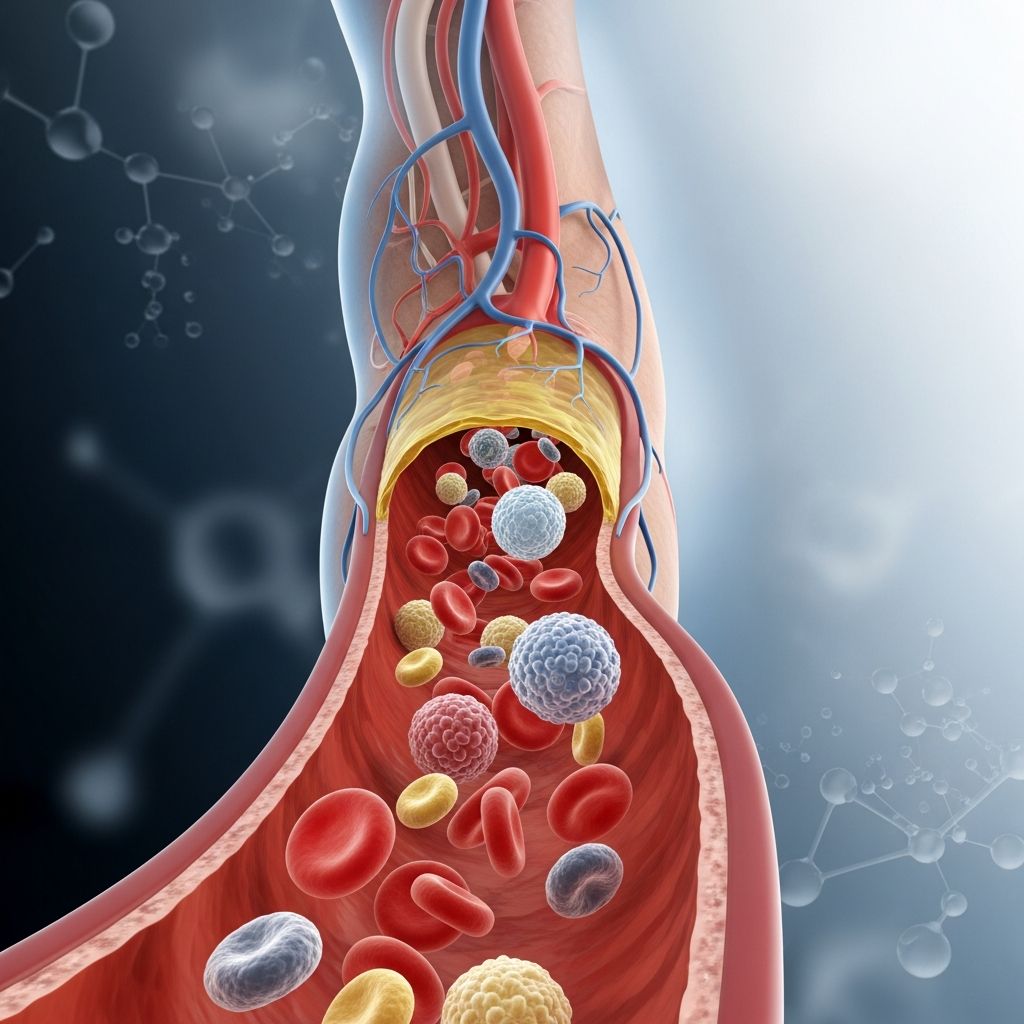
Your blood is a complex mixture of cells suspended in a liquid called plasma. This intricate composition allows blood to perform multiple critical functions simultaneously, from delivering oxygen and nutrients to removing waste products and fighting infection. Without blood, human life would be impossible.
The Composition of Blood
Blood consists of two main components: plasma and blood cells. Understanding these components is essential for grasping how blood maintains your health.
Plasma: The Liquid Foundation
Plasma makes up approximately 55 percent of your total blood volume. This pale yellow fluid serves as the transportation medium for blood cells and contains numerous vital substances. Plasma is composed primarily of water, which accounts for about 92 percent of its composition. The remaining 8 percent consists of proteins, electrolytes, hormones, nutrients, and waste products.
The proteins in plasma, including albumin, immunoglobulins, and clotting factors, perform diverse functions. These proteins help maintain blood pressure, transport hormones and vitamins, and enable blood clotting when needed. Electrolytes in plasma, such as sodium and potassium, maintain proper fluid balance and support nerve and muscle function.
Blood Cells: The Solid Components
Blood cells comprise approximately 45 percent of your blood volume. There are three main types of blood cells, each with specialized functions that contribute to your overall health.
Red Blood Cells: Oxygen Carriers
Red blood cells, also called erythrocytes, are the most numerous cells in your blood. In fact, a single drop of blood contains millions of these disc-shaped cells. Their primary function is to transport oxygen from your lungs to every cell throughout your body.
Red blood cells contain a protein called hemoglobin, which gives blood its characteristic red color. Hemoglobin binds to oxygen molecules in the lungs and releases them to tissues that need oxygen for energy production. This process happens billions of times per day as your heart pumps blood throughout your body. Red blood cells also carry carbon dioxide back to the lungs for exhalation.
The lifespan of a red blood cell is approximately 120 days. After this period, your spleen and liver break down old red blood cells, and your bone marrow continuously produces new ones to maintain adequate oxygen-carrying capacity. Production of red blood cells is controlled by a hormone called erythropoietin, which your kidneys produce in response to low oxygen levels in the blood.
White Blood Cells: Immune Defenders
White blood cells, or leukocytes, are your body’s primary defense against infection and disease. Although far fewer in number than red blood cells, white blood cells are crucial for maintaining health and fighting pathogens. Your blood typically contains between 4,000 and 11,000 white blood cells per microliter.
Related Stories



There are several types of white blood cells, each with specialized immune functions. Neutrophils are the most abundant and quickly respond to bacterial infections. Lymphocytes, including T cells and B cells, coordinate immune responses and produce antibodies. Monocytes develop into macrophages that engulf bacteria and dead cells. Eosinophils fight parasitic infections, and basophils release chemicals involved in inflammatory responses.
White blood cells continuously patrol your bloodstream, searching for invading microorganisms, cancer cells, and other threats. When they detect danger, they can migrate into tissues to neutralize threats. This process is why you might experience swelling or redness during an infection—it’s actually your immune system working to protect you.
Platelets: Clotting and Healing
Platelets, or thrombocytes, are tiny cell fragments that play an essential role in blood clotting. These disc-shaped particles circulate in your blood and spring into action when you have a cut or wound. When platelets encounter a break in a blood vessel, they stick together and form a plug that helps stop bleeding.
Beyond simply plugging holes, platelets also release chemicals that activate clotting factors in your plasma. These factors work together in a complex cascade that forms fibrin, a protein that creates a mesh-like network to reinforce the platelet plug. This sophisticated clotting mechanism prevents excessive bleeding and allows wounds to heal properly.
Your bone marrow produces approximately 100 billion platelets daily, and they typically survive 8 to 10 days in circulation. Low platelet counts can result in excessive bleeding or bruising, while high counts might increase clot formation.
Blood Type and Transfusions
Blood type is determined by specific proteins and sugars on the surface of red blood cells. There are four main blood types: A, B, AB, and O, each of which can be either positive or negative depending on the presence of the Rh antigen.
Understanding blood type is critical for blood transfusions. Receiving incompatible blood can trigger a severe immune reaction. Type O negative blood is considered the universal donor because it lacks the major antigens that trigger reactions. Type AB positive is the universal recipient and can receive blood from any blood type. When you receive a blood transfusion, doctors carefully match your blood type with the donor blood to ensure safety and compatibility.
The Critical Functions of Blood
Blood performs several interconnected functions that are essential for survival and maintaining optimal health.
Oxygen and Nutrient Delivery
The primary function of blood is to deliver oxygen and nutrients to every cell in your body. Red blood cells carry oxygen from your lungs through your arterial system. Plasma transports glucose, amino acids, lipids, and vitamins that cells need for energy and construction. Without this constant delivery system, cells would quickly die.
Waste Removal
Your cells produce waste products during metabolism that would become toxic if they accumulated. Blood removes these wastes, including carbon dioxide and metabolic byproducts. Carbon dioxide returns to the lungs for exhalation, while other wastes travel to your kidneys for filtration and excretion in urine.
Temperature Regulation
Blood helps maintain your body’s core temperature through its circulation. When your body generates excess heat, blood vessels near your skin dilate, allowing more blood to flow to the skin surface where heat is released. During cold exposure, blood vessels constrict to conserve heat and maintain core temperature.
pH and Electrolyte Balance
Blood maintains a precise pH balance, typically between 7.35 and 7.45. This narrow range is essential because enzymes and proteins require specific pH conditions to function. Blood also regulates electrolyte levels, ensuring proper nerve transmission, muscle contraction, and fluid balance throughout your body.
Hormone Transport
Your endocrine glands produce hormones that regulate growth, metabolism, reproduction, and numerous other processes. Blood serves as the transportation system that carries these chemical messengers to their target organs and tissues.
Blood Shelf Life and Storage
Research from Johns Hopkins has contributed to our understanding of how long blood can be safely stored for transfusions. Studies indicate that red blood cells stored longer than three weeks begin to lose their effectiveness, though standard blood storage protocols maintain viability for approximately 42 days under refrigeration. The exact mechanisms of blood storage degradation continue to be studied to ensure transfusion safety and efficacy.
Blood Disorders and Health Conditions
Various conditions can affect blood composition and function. Anemia occurs when red blood cells or hemoglobin levels are too low, reducing oxygen-carrying capacity. Leukemia causes abnormal white blood cell production. Hemophilia impairs the clotting cascade, leading to excessive bleeding. Thrombocytopenia involves abnormally low platelet counts. Understanding these conditions underscores the importance of maintaining blood health through proper nutrition, hydration, and medical care.
Maintaining Healthy Blood
Several lifestyle factors support optimal blood health. A balanced diet rich in iron, B vitamins, and folate supports red blood cell production. Adequate hydration helps maintain plasma volume and ensures blood can circulate effectively. Regular exercise improves circulation and oxygen utilization. Avoiding smoking and excessive alcohol consumption protects blood vessel integrity and prevents damage to blood cells.
Regular blood tests can monitor your blood cell counts, clotting function, and biochemical parameters. These tests provide valuable information about your health status and can detect potential problems early. Donating blood is also beneficial for donors, as it stimulates new blood cell production and can reduce iron overload.
Frequently Asked Questions About Blood
Q: How much blood does the average adult have?
A: The average adult has approximately 5 to 6 liters (about 10 to 12 pints) of blood. The exact amount depends on body size and weight. Blood volume typically represents about 7 percent of total body weight.
Q: How fast does blood circulate through the body?
A: Blood completes a full circulation through your body approximately every 60 seconds at rest. Your heart pumps roughly 2,000 gallons of blood daily to accomplish this continuous circulation.
Q: What is the difference between arteries and veins?
A: Arteries carry oxygen-rich blood away from the heart to tissues, while veins return oxygen-poor blood back to the heart. Arteries have thicker, more muscular walls to withstand higher pressure, while veins have thinner walls and contain one-way valves to prevent backflow.
Q: Can blood type change during a person’s lifetime?
A: No, your blood type is determined by your genetics at birth and remains the same throughout your life. However, certain medical conditions or procedures might affect your blood’s properties temporarily.
Q: Why is donating blood important?
A: Blood donation saves millions of lives annually. Patients requiring surgery, cancer treatment, accident victims, and people with blood disorders depend on donated blood. Donation is also beneficial for donors, stimulating new blood cell production and reducing iron stores.
Q: How does infection affect blood composition?
A: During infection, white blood cell production increases dramatically, and your immune system activates various defensive mechanisms. This is why elevated white blood cell counts often indicate infection in blood tests.
Q: What role does blood play in wound healing?
A: Blood initiates healing through clotting to stop bleeding and carries immune cells to prevent infection. Blood also transports nutrients and growth factors necessary for tissue repair and regeneration.
References
- Shelf Life of Blood? Shorter Than We Think — Newswise / Johns Hopkins Research. 2024. https://www.newswise.com/articles/shelf-life-of-blood-shorter-than-we-think
- Facts About Blood and Blood Cells — Memorial Sloan Kettering Cancer Center. 2024. https://www.mskcc.org/cancer-care/patient-education/facts-about-blood-and-blood-cells
- Blood Composition and Function — National Institutes of Health. 2023. https://www.ncbi.nlm.nih.gov/
Similar Articles








Read full bio of medha deb