You Don’t Say: Essential Facts About Flatulence
Understanding the science behind intestinal gas and when it becomes a health concern.
Flatulence is a natural bodily function that affects virtually everyone, yet it remains a topic many find embarrassing or uncomfortable to discuss. Despite its social stigma, understanding the science behind intestinal gas production can help demystify this common occurrence and clarify when it might warrant medical attention. This comprehensive guide explores the fascinating facts about flatulence, from its biological origins to its potential health implications.
What Is Flatulence?
Flatulence, commonly known as passing gas or “farting,” occurs when intestinal gases are expelled through the rectum. This is a completely normal physiological process that varies significantly from person to person in both frequency and volume. The human body produces intestinal gas continuously as a byproduct of digestion and the normal functioning of the gastrointestinal tract.
Understanding flatulence begins with recognizing that it serves a purpose in the digestive system. The gases present in the intestines come from three primary sources: swallowed environmental air, gases inherent in foods and beverages, and gases produced through fermentation in the gut. The composition and volume of these gases differ among individuals based on diet, gut microbiota composition, and overall digestive health.
Normal Volume and Frequency of Flatus
One of the most important facts about flatulence is understanding what constitutes “normal.” Research has established that the volume of flatus in healthy individuals varies considerably, ranging from approximately 476 to 1,491 milliliters over a 24-hour period. This enormous range highlights why comparing your gas production to another person’s is generally not useful.
The frequency of gas passage also varies widely among individuals. Some people pass gas multiple times throughout the day, while others may pass gas less frequently. Most healthy adults pass gas between 14 to 23 times per day, though this can vary based on diet, activity level, and individual physiology. What matters most is not the absolute number but whether the frequency represents a change from your personal baseline or causes discomfort.
Factors influencing gas volume include:
– Dietary composition and fiber intake- Gut microbiota composition (the community of bacteria in your intestines)- Eating speed and chewing habits- Overall digestive efficiency- Underlying gastrointestinal conditions
The Science Behind Gas Production
Understanding where intestinal gas originates helps explain the variation among individuals. Endogenously produced intestinal gases—those created within the gut—account for approximately 74 percent of flatus in normal subjects. These gases result from the fermentation of unabsorbed food residues in the colon, where the greatest concentration of gut bacteria resides.
The remaining portion of intestinal gas comes from swallowed air and gases present in consumed foods and beverages. The small intestine is normally nearly sterile, while the colon contains trillions of bacteria that break down food components, producing various gases in the process. The composition of your gut microbiota—which is highly individual and relatively resistant to change—significantly influences the volume and type of gases your body produces.
Related Stories



Role of Gut Microbiota
Your gut bacteria are essential for digestive health, but they also produce byproducts that contribute to flatulence. When unabsorbed carbohydrates, fiber, and proteins reach the colon, these bacteria ferment them, producing hydrogen, carbon dioxide, and methane. Some individuals’ microbiota compositions predispose them to increased gas production, explaining why some people experience more frequent or voluminous flatulence despite eating similar diets to others.
Composition of Intestinal Gases
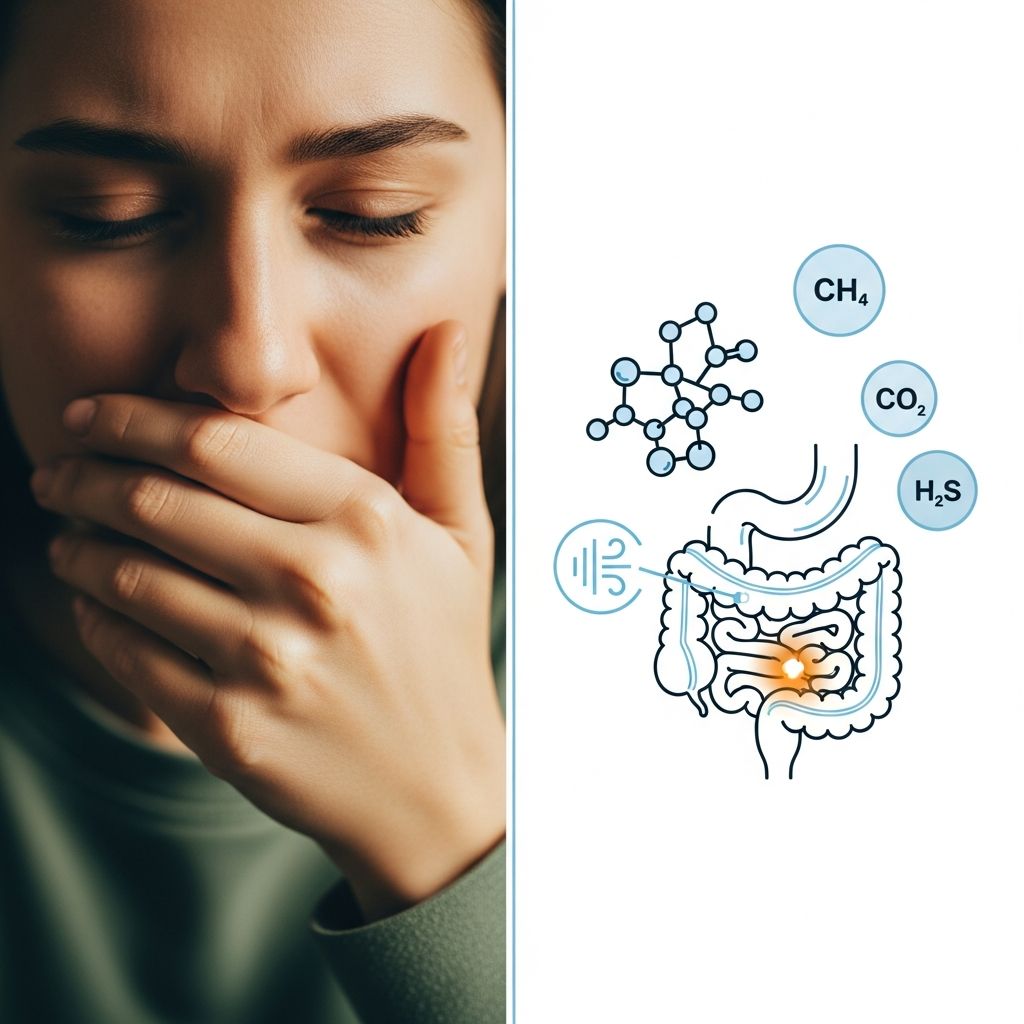
A remarkable fact about flatulence is that over 99 percent of flatus volume consists of odorless gases. The composition includes oxygen, nitrogen, carbon dioxide, hydrogen, and methane. Understanding this composition helps clarify common misconceptions about flatulence.
Primary gases in flatus:
– Nitrogen (component of swallowed environmental air)- Oxygen (from swallowed air)- Carbon dioxide (produced through fermentation)- Hydrogen (produced by bacteria in the colon)- Methane (produced by certain archaea in the colon)
Interestingly, not all humans produce flatus containing methane. In research examining the feces of nine adults, only five of the samples contained archaea capable of producing methane. The prevalence of methane over hydrogen in human flatus may correlate with obesity, constipation, and irritable bowel syndrome, as archaea that oxidize hydrogen into methane promote the metabolism’s ability to absorb fatty acids from food.
Flammability of Flatus
Because methane and hydrogen are flammable gases, flatus can technically be ignited if it contains adequate amounts of these components. While this is more of a scientific curiosity than a practical concern for most people, it underscores the chemical nature of intestinal gas production.
Understanding Flatulence Odor
While the vast majority of flatulence is odorless, the characteristic smell associated with some gas passages comes from a small percentage of compounds present in trace amounts. This is an important distinction that helps explain why not all flatulence is noticeable by smell.
Research has identified volatile sulfur compounds as primary contributors to flatus odor, including hydrogen sulfide, methyl mercaptan, and dimethyl sulfide. These compounds are present in human flatus in concentrations above their smell perception thresholds, meaning even small amounts can be detected by the human nose. Hydrogen sulfide has been shown to correlate convincingly with perceived bad odor, followed by methyl mercaptan and dimethyl sulfide, which are described as having smells reminiscent of rotten eggs, decomposing vegetables, and wild radish respectively.
Several factors influence flatus odor:
– Dietary composition, particularly protein and sulfur-containing amino acids- Gut bacteria composition- Presence of fecal matter in the rectum- Individual digestive efficiency- Microbial fermentation patterns
Diet and Odor Intensity
Increased dietary sulfur-containing amino acids significantly increase the odor of flatus. Diets high in protein, particularly those containing sulfur-rich amino acids, have been demonstrated to substantially amplify flatulence odor. This is why people consuming high-protein diets often report more noticeably smelly gas. Additionally, foods high in sulfur compounds, such as cruciferous vegetables like broccoli and cabbage, can contribute to odorous flatus.
When Flatulence Becomes Excessive
Although flatulence is normal, some individuals experience excessive gas that may indicate an underlying issue. It’s important to distinguish between truly excessive gas production and abnormal gas distribution or sensitivity.
Interestingly, research has challenged the common assumption that people with irritable bowel syndrome (IBS) produce more gas than healthy individuals. Studies quantifying total gas volume in IBS patients, including gas expelled through the mouth via eructation (belching), have consistently failed to demonstrate increased volumes compared to healthy subjects. This finding suggests that perception of bloating and gas-related discomfort may relate more to how the gas is distributed in the intestines than to actual increased production.
Bloating and Abnormal Gas Distribution
Patients experiencing bloating frequently show objective increases in abdominal girth, often enlarging throughout the day and resolving during sleep. Imaging studies have revealed that gas is not distributed normally in these patients: there is segmental gas pooling and focal distension. In conclusion, abdominal distension, pain, and bloating symptoms appear to result from abnormal intestinal gas dynamics rather than from increased flatus production.
The discovery that normal subjects can tolerate very high rates of gas infusion into the small intestine—even at 30 mL/min—without complaints of pain or bloating, which is harmlessly passed as flatus, further supports this understanding. This suggests that symptom severity depends more on gas distribution and individual sensitivity than on absolute gas volume.
Common Causes of Excessive Flatulence
Several factors can contribute to increased flatulence beyond normal variation:
Dietary factors: High-fiber foods, carbonated beverages, artificial sweeteners, and foods that are difficult to digest can increase gas production. Introducing dietary changes gradually allows your digestive system to adapt.
Eating habits: Eating too quickly, inadequate chewing, and consuming large meals can lead to increased swallowing of air and less efficient digestion, both contributing to gas production.
Lactose intolerance: Individuals unable to digest lactose properly experience increased fermentation and gas production after consuming dairy products.
Food sensitivities: Certain foods may be poorly absorbed or difficult for your specific gut bacteria to process, leading to increased gas.
Gastrointestinal disorders: Conditions such as irritable bowel syndrome, inflammatory bowel disease, and small intestinal bacterial overgrowth (SIBO) can alter gas production and distribution.
Aerophagia: Excessive swallowing of air, sometimes a nervous habit or related to certain breathing patterns, can increase nitrogen content in flatus.
When to Seek Medical Attention
While flatulence is normal, certain symptoms warrant medical evaluation. Consult a healthcare provider if you experience:
– Sudden significant changes in gas production or characteristics- Flatulence accompanied by persistent abdominal pain or cramping- Gas associated with chronic diarrhea or constipation- Unexplained weight changes alongside increased flatulence- Severe bloating that interferes with daily activities- Flatulence that doesn’t improve with dietary modifications- Symptoms persisting for more than two weeks
Managing Flatulence Naturally
Several evidence-based strategies can help manage excessive flatulence:
Dietary modifications: Gradually increase fiber intake rather than making sudden changes. Identify specific foods that trigger excess gas and reduce their consumption. Limit carbonated beverages and artificially sweetened foods.
Eating habits: Eat slowly and chew food thoroughly. Avoid eating while stressed or distracted. Eat smaller, more frequent meals rather than large ones.
Lifestyle changes: Regular physical activity aids digestion. Stay well-hydrated with water rather than carbonated beverages. Manage stress through relaxation techniques.
Probiotics: Some individuals find that probiotic supplements help balance gut bacteria composition, though results vary.
Over-the-counter remedies: Products containing simethicone can help break up gas bubbles, while products with alpha-galactosidase can help digest complex carbohydrates.
Frequently Asked Questions About Flatulence
Q: Is it normal to pass gas multiple times daily?
A: Yes, passing gas 14 to 23 times per day is considered normal for most healthy adults. The wide range of normal variation means that frequency alone doesn’t indicate a problem unless accompanied by other symptoms or represents a significant change from your baseline.
Q: Why does my flatulence smell worse after eating certain foods?
A: Foods high in sulfur-containing amino acids and proteins significantly increase flatus odor. Cruciferous vegetables like broccoli and cabbage, along with high-protein foods, particularly contribute to smelly gas due to volatile sulfur compounds produced during fermentation.
Q: Can excessive flatulence indicate a serious health condition?
A: While most excessive flatulence is not serious, it can sometimes indicate conditions like lactose intolerance, food sensitivities, IBS, or other gastrointestinal disorders. If accompanied by pain, changes in bowel habits, or weight changes, medical evaluation is recommended.
Q: Do all humans produce methane in their flatus?
A: No, not all humans produce methane. The ability to produce methane depends on whether specific archaea capable of producing methane are present in your gut microbiota, which varies among individuals.
Q: Why do I feel bloated even though I don’t produce more gas than others?
A: Bloating often results from abnormal gas distribution rather than increased production. Gas pooling in specific intestinal segments can create the sensation of bloating and abdominal distension despite normal total gas volume.
Q: Can probiotics help reduce flatulence?
A: Probiotics may help some individuals by influencing gut microbiota composition, though results vary considerably. It’s best to consult with a healthcare provider about whether probiotics might be beneficial for your specific situation.
Q: How can I reduce flatulence through diet?
A: Gradually increase fiber intake, limit carbonated beverages and artificial sweeteners, identify personal food triggers, eat slowly and chew thoroughly, and consume smaller meals more frequently to reduce gas production.
Conclusion
Flatulence is a normal, natural part of human physiology that varies considerably among individuals. While the topic may seem embarrassing to discuss, understanding the science behind intestinal gas production removes the mystery and can help you manage any excessive symptoms. The key takeaway is that normal flatulence volume, frequency, and even odor vary dramatically based on diet, gut microbiota composition, and individual digestive efficiency. Rather than worrying about whether your flatulence is “normal,” focus on whether it represents a change from your baseline and whether it’s accompanied by other symptoms. Most cases of excessive flatulence can be managed through dietary modifications and lifestyle adjustments, though persistent symptoms warrant professional medical evaluation.
References
- Flatulence — Wikipedia. Retrieved from https://en.wikipedia.org/wiki/Flatulence
Similar Articles








Read full bio of Sneha Tete