Sugar And Sugar Substitutes: Evidence-Based Guide
Understanding the differences between sugar and artificial sweeteners for better health decisions.
Making informed dietary choices is essential for maintaining optimal health and preventing chronic diseases. One of the most significant decisions consumers face involves choosing between regular sugar and artificial sweeteners. As obesity, diabetes, and cardiovascular disease continue to affect millions worldwide, understanding the differences between these sweetening options becomes increasingly important. This comprehensive guide explores the facts about sugar and sugar substitutes to help you make better decisions for your health.
Understanding Sugar and Sweeteners
Sugar is a naturally occurring carbohydrate found in many foods and beverages. It provides energy to the body and is essential for proper functioning. However, added sugars in processed foods and beverages have become a major public health concern. Sugar substitutes and artificial sweeteners have emerged as popular alternatives, but their safety and effectiveness remain subjects of ongoing research and debate.
What Are Artificial Sweeteners?
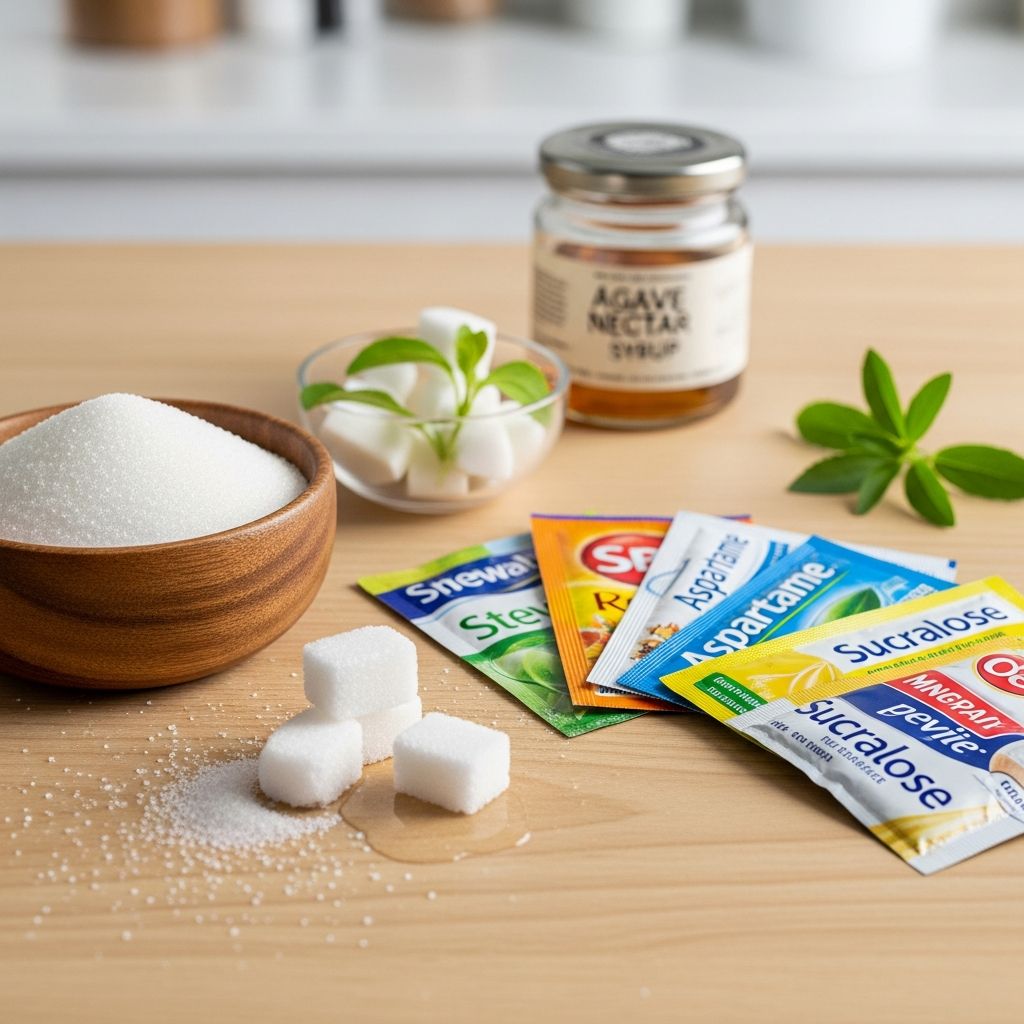
Artificial sweeteners, also known as non-nutritive sweeteners (NNS), are sugar substitutes that provide high sweetening power with minimal calories. These compounds are significantly sweeter than table sugar, often requiring much smaller quantities to achieve the desired level of sweetness. According to research from Johns Hopkins Medicine, artificial sugars are 200 to 700 times sweeter than table sugar. The Food and Drug Administration (FDA) has approved several artificial sweeteners for use in food and beverages, ensuring they meet safety standards before reaching consumers.
Types of Approved Sweeteners
The FDA currently approves the following artificial sweeteners for consumption:
- Aspartame (Equal) – approved in 1974
- Saccharin (Sweet’N Low) – approved in 1977
- Acesulfame potassium (Sweet One) – approved in 1988
- Sucralose (Splenda) – approved in 1998
- Advantame
- Neotame (Newtame)
- Monk Fruit (Luo han guo)
- Stevia leaf extracts (Truvia)
These sweeteners vary in their sweetness intensity, with sucralose being approximately 600 times sweeter than sugar, while aspartame and acesulfame potassium are about 200 times sweeter. Each sweetener has unique chemical properties and metabolic pathways in the body.
Benefits of Artificial Sweeteners
Artificial sweeteners have been promoted as healthier alternatives to sugar for several legitimate reasons, particularly for specific health conditions and populations.
Dental Health Protection
One of the well-established benefits of artificial sweeteners is their positive impact on oral health. Unlike sugar, which feeds cavity-causing bacteria in the mouth, artificial sweeteners do not contribute to tooth decay or cavity formation. This makes them beneficial ingredients in oral health products, including cough syrups, liquid medicines, and toothpaste, significantly enhancing their use worldwide.
Blood Sugar Management
Artificial sweeteners do not affect blood sugar levels in the short term, making them potentially useful for individuals with diabetes or those monitoring their blood glucose. Unlike regular sugar, which causes rapid spikes in blood glucose after consumption, artificial sweeteners provide sweetness without triggering insulin responses. This property has led to their use in diabetes management diets to prevent the regular blood glucose spikes that occur after meals.
Related Stories



Short-Term Weight Management
By providing sweetness without calories, artificial sweeteners theoretically support short-term weight management efforts. They allow individuals to enjoy sweet-tasting foods and beverages while reducing caloric intake, which is essential for weight loss and preventing obesity-related complications. When combined with lifestyle interventions and diet modifications, artificial sweeteners have been utilized to help patients achieve weight loss goals.
Concerns About Artificial Sweeteners
Despite their benefits, emerging research has raised significant concerns about the long-term effects of artificial sweetener consumption, challenging the narrative that they are simply healthy sugar replacements.
Weight Management Contradictions
Recent research presents contradictory evidence regarding artificial sweeteners’ effectiveness for weight management. A comprehensive meta-analysis of 56 studies, including 17 randomized controlled trials, found no statistically significant body weight change between adults consuming artificial sweeteners compared to those consuming sugar or placebo. This surprising finding suggests that artificial sweeteners may not deliver the weight loss benefits they promise. In fact, some studies indicate that artificial sweeteners may increase sweet cravings, potentially leading to weight gain rather than loss.
Effects on Gut Microbiome
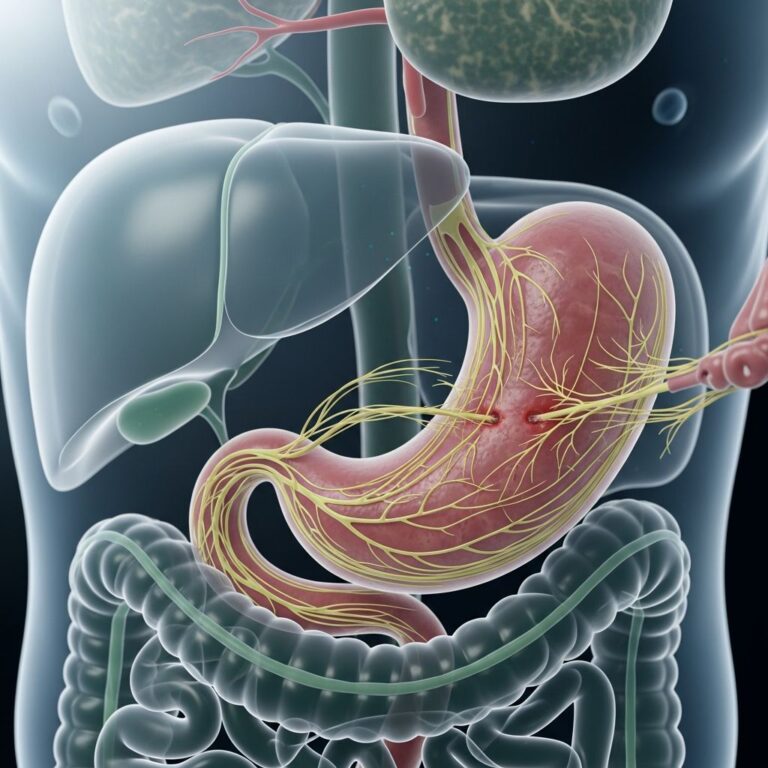
Animal and human studies have revealed concerning effects of artificial sweeteners on the gut microbiome – the community of beneficial bacteria in your digestive system. Research shows that artificial sweeteners alter the composition and function of these microorganisms in ways that may negatively impact metabolic health. In one significant human study, researchers evaluated 381 individuals without diabetes who regularly consumed artificial sweeteners. The study demonstrated significant associations between artificial sweetener consumption and the development of central obesity, elevated fasting blood glucose levels, increased hemoglobin A1c levels, impaired glucose tolerance, and elevated liver enzyme levels. These findings suggest that artificial sweeteners may actually worsen metabolic outcomes rather than improve them.
Cardiovascular Risks
Emerging evidence indicates that artificial sweeteners may increase cardiovascular risk rather than protect against it. Research from the NutriNet-Santé cohort revealed associations between artificially sweetened beverages and increased cardiovascular disease (CVD) risk. The study found that aspartame consumption was associated with an increased risk of cerebrovascular events, while acesulfame potassium and sucralose were linked to heightened risks of coronary heart disease. These findings collectively indicate that substituting artificial sweeteners for added sugar may not provide cardiovascular benefits.
Hunger Signal Disruption
Artificial sweeteners may alter how your body communicates hunger signals. Overstimulation of sugar receptors by intensely sweet substances can confuse the brain’s appetite regulation mechanisms, potentially leading to increased overall food consumption and appetite dysregulation over time.
Comparing Sugar and Artificial Sweeteners
| Characteristic | Regular Sugar | Artificial Sweeteners |
|---|---|---|
| Calories per serving | 4 calories per gram | 0 to minimal calories |
| Sweetness level | Baseline (1x) | 200-700x sweeter |
| Blood sugar impact | Rapid spike | Minimal to none |
| Tooth decay risk | High | None |
| FDA approval | Generally recognized as safe | Approved with usage limits |
| Long-term health effects | Well-documented risks | Effects still being studied |
| Weight management efficacy | Contributes to weight gain | Effectiveness unclear |
Natural Sugars and Sugar Alcohols
Nutritive Sweeteners
Nutritive sweeteners are those that contain carbohydrates and provide energy to the body. These include natural sugars found in fruits, dairy products, and vegetables, as well as added sugars in processed foods. Common forms include glucose, fructose, galactose, sucrose, maltose, lactose, honey, molasses, and agave nectar. While these are natural sources of energy, excessive consumption remains linked to obesity, diabetes, and cardiovascular disease.
Sugar Alcohols
Sugar alcohols, also called polyols, represent a middle ground between sugar and artificial sweeteners. They contain approximately half the calories of regular sugar and provide a lower glycemic impact. Common sugar alcohols include erythritol, sorbitol, xylitol, maltitol, and mannitol. While they offer reduced caloric content, some individuals experience digestive discomfort when consuming sugar alcohols in large quantities.
Recommendations for Healthy Sugar Consumption
Moderation Is Key
Whether choosing regular sugar, artificial sweeteners, or sugar alcohols, moderation remains the fundamental principle for healthy consumption. Clinical dietitian experts recommend using less sugar and fewer artificial sweeteners for successful healthy weight management and overall wellness. Rather than completely eliminating sweet-tasting foods, the focus should be on consuming them strategically and in limited quantities.
Importance of a Balanced Diet
Products labeled as sugar-free or low-sugar are not automatically healthier or more nutritious choices. A comprehensive approach to nutrition should emphasize whole foods, vegetables, fruits, lean proteins, and healthy fats rather than relying on artificially sweetened products. Natural sugars from fruits and dairy products provide not only sweetness but also essential nutrients, fiber, and other beneficial compounds that processed alternatives cannot replicate.
Practical Strategies
For optimal health, consider these evidence-based strategies:
- Reduce overall sweetness preference by gradually decreasing sugar and sweetener consumption
- Choose whole fruits over fruit juices for natural sweetness with added fiber
- Read food labels carefully to identify hidden sugars and sweeteners
- Limit sweetened beverages, including diet sodas and artificially sweetened drinks
- Use artificial sweeteners as temporary tools rather than permanent dietary staples
- Focus on water, unsweetened tea, and other unsweetened beverages
Current Research and Safety Considerations
While artificial sweeteners have been deemed safe by the FDA at current consumption levels, research continues to evolve. Current studies suggest that artificial sweeteners used in moderation are generally safe for healthy adults. However, the long-term effects remain incompletely understood, and ongoing research is necessary to fully comprehend the health implications of widespread artificial sweetener consumption. The World Health Organization notes that while the evidence for certain health associations is still categorized as low, the pattern of findings warrants caution.
Frequently Asked Questions
Q: Are artificial sweeteners completely safe?
A: The FDA has approved artificial sweeteners as safe at current consumption levels. However, ongoing research suggests potential concerns with long-term, heavy use, particularly regarding metabolic health and cardiovascular effects. Moderation is recommended.
Q: Do artificial sweeteners help with weight loss?
A: Research is inconclusive. While artificial sweeteners contain no calories, recent studies show no statistically significant weight loss compared to sugar or placebo. They may help with short-term weight management but should not be relied upon as a weight loss solution.
Q: Which artificial sweetener is the safest?
A: All FDA-approved sweeteners have undergone safety testing. Individual responses vary, and research continues to evaluate long-term effects. Stevia and monk fruit are plant-derived alternatives that some consider more natural options.
Q: Can people with diabetes consume artificial sweeteners?
A: Yes, artificial sweeteners do not affect blood sugar levels in the short term, making them suitable for people with diabetes. However, individuals should consult their healthcare provider about appropriate consumption levels.
Q: What is the healthiest sweetener option?
A: The healthiest approach is reducing overall sweetness consumption from all sources. Natural sugars in fruits and vegetables, combined with minimal added sweeteners, represents the most evidence-based approach to optimal health.
Q: How much artificial sweetener is safe to consume daily?
A: The FDA establishes acceptable daily intake levels for each approved sweetener. For most approved sweeteners, consuming small amounts for short periods is considered safe for healthy adults. Excessive consumption should be avoided.
References
- The Impact of Artificial Sweeteners on Human Health and Cancer — National Center for Biotechnology Information (NCBI). 2024. https://pmc.ncbi.nlm.nih.gov/articles/PMC10822749/
- The Sweet Truth About Artificial Sugars — Albuquerque ER & Hospital. 2024. https://abqhospital.com/the-sweet-truth-about-artificial-sugars/
- Non-nutritive and Nutritive Sweeteners — Johns Hopkins Guides, Johns Hopkins University. 2020. https://www.hopkinsguides.com/hopkins/view/Johns_Hopkins_Diabetes_Guide/547161/all/Non_nutritive_and_Nutritive_Sweeteners
Similar Articles








Read full bio of medha deb