Fading Dark Spots On Skin: 5 Effective Treatments
Discover effective strategies to identify, treat, and prevent dark spots for smoother, even-toned skin.
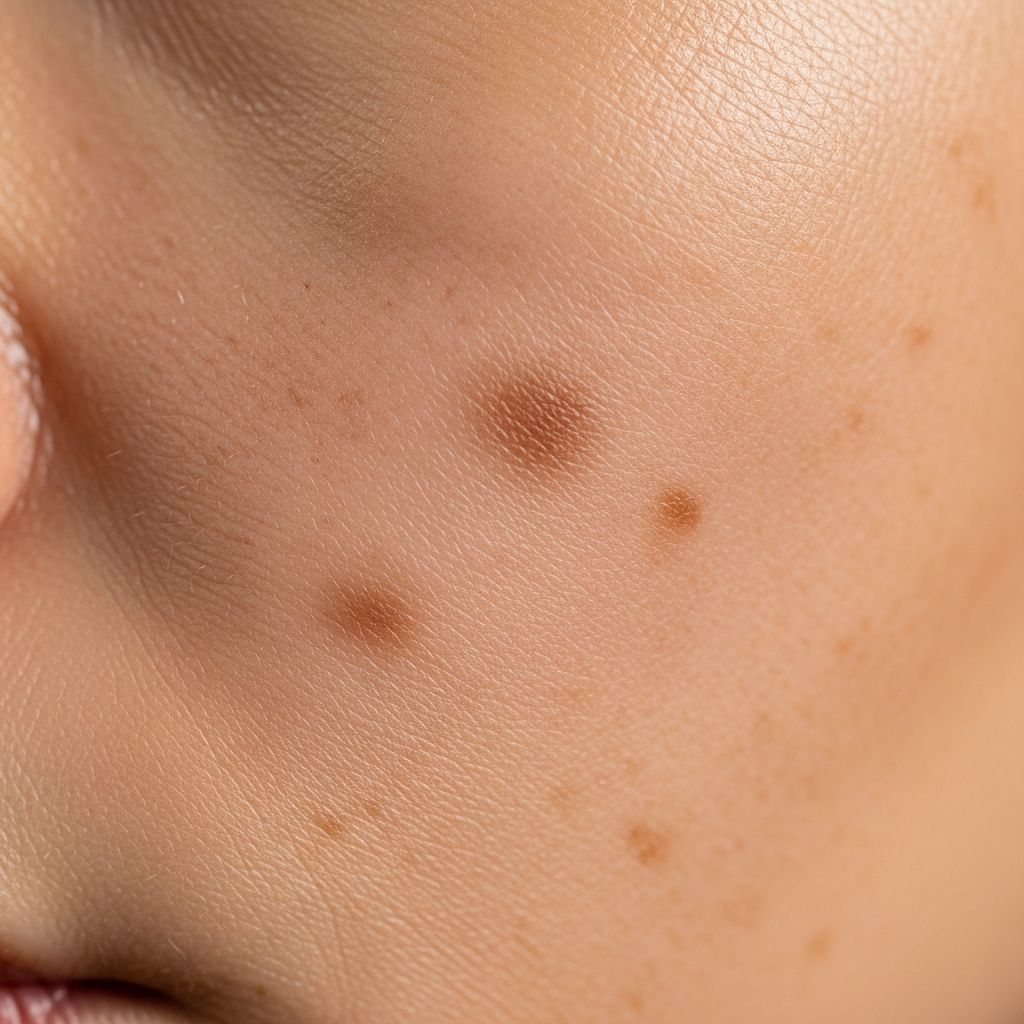
Dark spots, medically termed hyperpigmentation, arise from excess melanin production, resulting in uneven skin tone that affects people across all ages and skin types. These patches often appear on sun-exposed areas like the face, hands, and arms, prompting many to seek solutions for cosmetic improvement.
Understanding Hyperpigmentation Basics
Hyperpigmentation occurs when melanocytes produce too much melanin, the pigment responsible for skin color. This condition is generally harmless but can impact confidence. Common forms include sunspots from UV exposure, melasma linked to hormones, and post-inflammatory marks from skin trauma.
Unlike freckles, which are genetic and lighten with less sun, hyperpigmentation tends to darken with exposure. It affects darker skin tones more visibly due to higher baseline melanin.
Primary Causes of Dark Spots
Several factors trigger melanin overproduction. Identifying the root cause guides effective treatment.
- Sun Exposure: UV rays stimulate melanin as a defense, leading to sunspots or solar lentigines on frequently exposed skin.
- Hormonal Shifts: Melasma emerges during pregnancy, with birth control, or hormonal therapies, often on the cheeks, forehead, and upper lip.
- Inflammation and Injury: Conditions like acne, eczema, or psoriasis cause post-inflammatory hyperpigmentation (PIH) as skin heals unevenly.
- Medications: Some drugs heighten pigmentation sensitivity, especially to sunlight.
- Medical Conditions: Diabetes may lead to acanthosis nigricans (velvety dark patches) or diabetic dermopathy on shins.
- Product Irritation: Harsh cosmetics or hair products can inflame skin, promoting spots.
| Cause | Affected Areas | Risk Factors |
|---|---|---|
| Sun Damage | Face, hands, arms | Prolonged UV exposure |
| Melasma | Cheeks, forehead | Pregnancy, hormones |
| PIH | Post-acne sites | Inflammation, injury |
| Diabetes-Related | Shins, neck | Poorly controlled blood sugar |
Who Is at Risk?
Anyone can develop dark spots, but risks rise with sun exposure, pregnancy, skin conditions like eczema or acne, injuries, photosensitizing medications, and diabetes. Those with medium to dark skin tones notice them more due to melanin response.
Professional Treatment Options
Dermatologists offer targeted therapies to break down pigment and promote renewal. Results vary by spot type, skin tone, and consistency.
- Topical Prescriptions: Hydroquinone (up to 4%) inhibits melanin; retinoids, azelaic acid, kojic acid accelerate turnover.
- Chemical Peels: Acids exfoliate surface layers, fading spots gradually.
- Laser Therapy: IPL or fractional lasers target melanin without harming surrounding skin.
- Microdermabrasion: Abrasive tools slough off top skin, boosting collagen.
- Cryotherapy: Freezes spots with liquid nitrogen for even healing.
Consult a professional, especially for darker tones, to avoid rebound pigmentation.
Over-the-Counter and Home Remedies
Accessible options lighten spots over weeks to months with daily use.
- Vitamin C Serums: Antioxidants block melanin and brighten tone.
- Retinols and AHAs: Promote exfoliation; glycolic acid smooths texture.
- Niacinamide and Kojic Acid: Reduce pigment production safely.
- Aloe Vera: Soothes and may lighten with consistent application.
- Licorice Extract and Curcumin: Natural tyrosinase inhibitors, though more research is needed.
Patch-test products to prevent irritation, which worsens pigmentation.
Prevention Strategies for Even Skin
Proactive habits minimize new spots and enhance treatment outcomes.
- Apply broad-spectrum SPF 30+ daily, reapplying every 2 hours outdoors.
- Wear protective clothing, hats, and seek shade during peak sun (10 AM-4 PM).
- Treat inflammatory conditions promptly with dermatologist guidance.
- Use gentle skincare; avoid irritants.
- Monitor hormones and medications with healthcare providers.
Realistic Expectations and Timeline
Spots lighten over 4-12 weeks with topicals; procedures show faster results but may need sessions. Complete fading isn’t always possible, especially for deep pigmentation. Patience and sun protection are key.
Frequently Asked Questions
Can dark spots disappear naturally?
Related Stories



Some fade with time, especially PIH, but sun exposure or hormones prolong them. Consistent care accelerates improvement.
Are home remedies effective?
Ingredients like vitamin C and retinoids help mildly; severe cases need professional input.
Is hydroquinone safe?
Prescription strengths are effective short-term; avoid long-term use without oversight due to side effects.
How does skin tone affect treatment?
Darker tones risk irritation or worsening; start mild and use sunscreen.
Can diet influence hyperpigmentation?
Antioxidant-rich foods support skin health, but no direct evidence links diet alone to fading spots.
Hyperpigmentation management combines science-backed treatments with diligent prevention. Persistent or changing spots warrant dermatologist evaluation to rule out underlying issues.
References
- Dark spots on the skin: Causes, treatments, and remedies — Medical News Today. 2024-05-15. https://www.medicalnewstoday.com/articles/324833
- Dark Spots on the Skin: Causes, Treatments, and Remedies — Kaizen Health Group. 2023-11-20. https://kaizenhealthgroup.com/dark-spots-on-the-skin-causes-treatments-and-remedies/
- How to fade dark spots in darker skin tones — American Academy of Dermatology (AAD). 2024-01-10. https://www.aad.org/public/everyday-care/skin-care-secrets/routine/fade-dark-spots
- Skin Pigmentation Types, Causes and Treatment—A Review — PMC (NCBI). 2023-07-12. https://pmc.ncbi.nlm.nih.gov/articles/PMC10304091/
- Hyperpigmentation: What it is, Causes, & Treatment — Cleveland Clinic. 2024-02-05. https://my.clevelandclinic.org/health/diseases/21885-hyperpigmentation
Similar Articles








Read full bio of medha deb