Fall Foods: Nutritional Powerhouses for Seasonal Wellness
Discover the hidden health benefits of your favorite fall foods and eat seasonally for optimal nutrition.
Fall Foods: Nature’s Nutritional Powerhouses
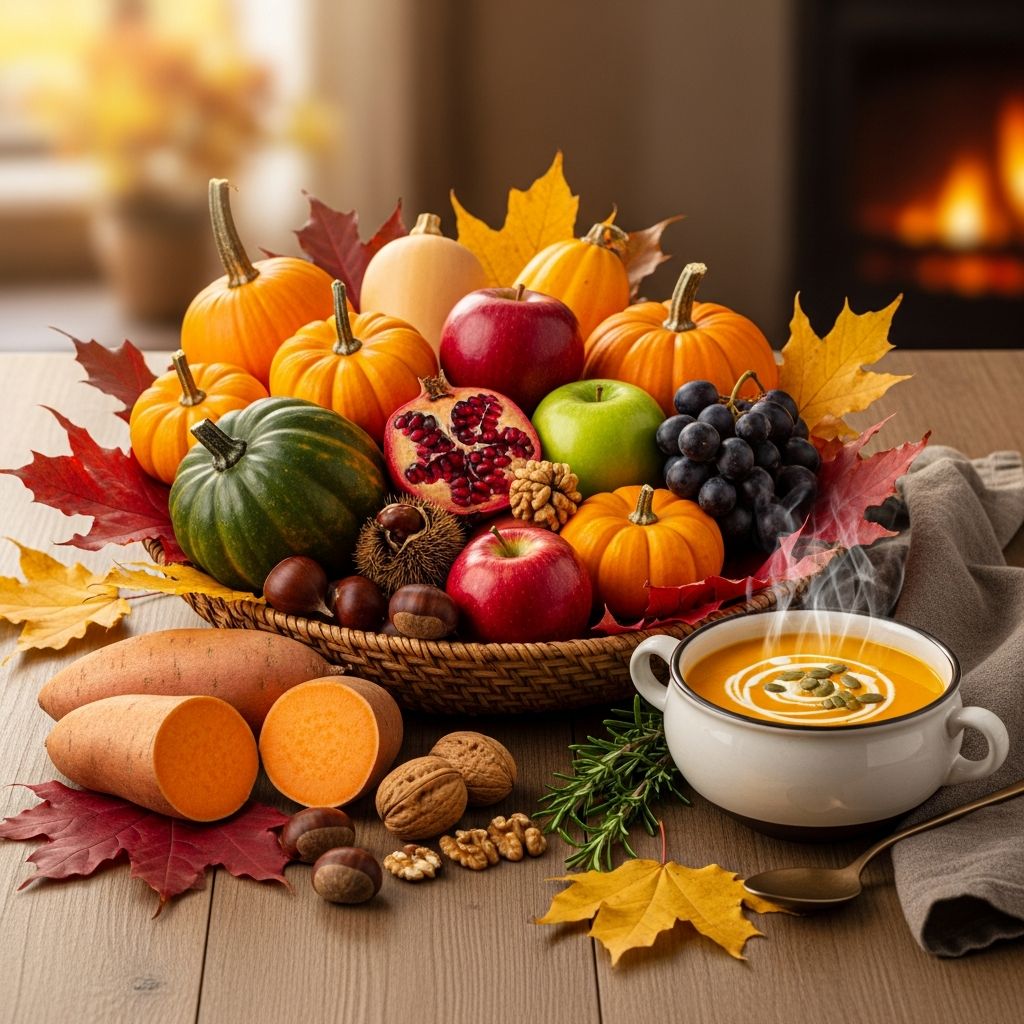
As the leaves change color and temperatures drop, the produce aisles transform into a vibrant display of autumn’s bounty. Fall offers a unique opportunity to nourish your body with foods that are not only delicious but also packed with essential vitamins, minerals, and antioxidants. From crisp apples to creamy pumpkins and nutrient-dense squashes, these seasonal favorites provide targeted nutritional support exactly when your body needs it most. Understanding the health benefits of fall foods can help you make informed dietary choices that enhance your wellness throughout the cooler months.
Why Seasonal Eating Matters for Your Health
Seasonal eating is more than just a culinary trend—it’s a scientifically-backed approach to nutrition. According to registered dietitian nutritionist Kimberly Snodgrass, “A seasonal food is any produce purchased and consumed around the time it is harvested.” Produce purchased in season is more likely to be fresher, consumed closer to harvesting, and higher in nutritional value.
When fruits and vegetables reach peak ripeness during their natural growing season, they have maximum time to develop and absorb nutrients from the sun and soil. Apples picked in the fall, for example, have had more time to develop and absorb these nutrients, making them more nutrient-dense than apples picked early and stored for extended periods. Additionally, seasonal eating encourages dietary diversity, allowing your body to benefit from a wider variety of nutrients throughout the year.
Fall foods are particularly beneficial because they are typically high in vitamin C and fiber—two nutrients that help boost immune system function and maintain digestive health during the colder months when illness is more prevalent.
Top Fall Foods and Their Remarkable Health Benefits
Apples: The Iconic Fall Fruit
Apples are quintessential fall fruits that deliver impressive nutritional value in every bite. One medium apple with its skin provides approximately 20% of the daily recommended fiber intake, making it an excellent choice for digestive health. Apples are also rich in vitamin C, an antioxidant that helps protect your cells from heart disease and cancer. This combination of fiber and vitamin C supports cardiovascular health and strengthens immune function.
How to enjoy apples: Slice them and pair with ground cinnamon or peanut butter for a satisfying snack. Blend them into smoothies with bananas and peanut butter, or stew them and add to hot dishes such as roasted pork.
Pumpkin: Far More Than a Decoration
Many people associate pumpkins solely with Halloween decorations and desserts, but culinary pumpkins are nutritional powerhouses. Pumpkins are loaded with vitamin A, which promotes healthy teeth, skin, soft tissue, and good eyesight while reducing the risk of chronic disease. They also contain vitamin C, supporting immune function, and fiber for digestive health.
It’s important to note that carving pumpkins are not the same as eating pumpkins. Carving varieties have thinner flesh and are easier to cut, while culinary pumpkins are heavier and darker in color, with denser, more flavorful flesh.
Related Stories



How to enjoy pumpkin: Puree pumpkin and add it to macaroni and cheese or hummus for a creative twist. Make pumpkin soup for a warming fall dish. Don’t waste the seeds—roast them for a nutrient-dense snack. Pumpkin seeds are an excellent source of zinc, which is essential for immune function and many other body processes.
Squash: The Underrated Superfood
Squash often goes overlooked, but this versatile fall vegetable deserves a prominent place on your plate. Rich in vitamins A and C, squash supports eye health and strengthens immune function. The high fiber content aids digestion and helps regulate blood sugar levels, while magnesium and potassium enhance heart health.
Beyond the flesh, squash seeds are packed with nutrients, providing antioxidants and a good source of plant-based protein, making them an ideal addition to salads or snacking options.
How to enjoy squash: Roast cubed squash with olive oil and herbs. Use it in soups, stir-fries, or pasta dishes. Don’t discard the seeds—roast them with seasonings for a crunchy, nutritious snack.
Sweet Potatoes: A Fall Staple with Surprising Benefits
Sweet potatoes are a fall staple for good reason. Packed with fiber, vitamin A, vitamin C, and potassium, sweet potatoes offer multiple health benefits. Vitamin A supports eye health, while vitamin C boosts immune function and potassium supports heart health. Research indicates that sweet potatoes may also boost brain health and gut health, help stabilize blood sugar levels, protect against chronic disease, and support healthy weight management.
The natural sweetness of sweet potatoes makes them a healthier alternative to other carbohydrate-rich foods, providing sustained energy without blood sugar spikes. For a colorful twist, try ube, a vibrant purple yam variety that offers the same nutritional benefits with an elegant presentation.
How to enjoy sweet potatoes: Slice them thinly, brush with olive oil, and bake to create crispy sweet potato chips. Use them as a substitute for regular potatoes in mashed dishes or potato salads. Roast them whole as a nutritious side dish.
Brussels Sprouts: Cruciferous Powerhouses
Brussels sprouts are part of the powerhouse cruciferous vegetable family. Each 1-cup serving of cooked Brussels sprouts provides 4 grams of fiber and is an excellent source of vitamins A, C, K, and folate, plus a good source of iron and even some protein. This makes them exceptionally nutrient-dense for their caloric content.
How to enjoy Brussels sprouts: Roast or air-fry them until crispy for a delicious side dish. Shred them to make a noodle-based dish or add them to stir-fries. Create vegetable kebabs featuring Brussels sprouts alongside other fall produce.
Pears: Fiber-Rich and Versatile
Pears are excellent sources of fiber when eaten with the peel intact, supporting digestive health. They also provide vitamins C and K, potassium, and copper—a mineral that supports immunity, helps lower cholesterol, and aids nerve function.
How to enjoy pears: Grill them and add to chicken or turkey sandwiches for depth of flavor. Slice and pair with cheese for an elegant snack. Create a pear and yogurt parfait for a nutritious breakfast or dessert.
Cranberries: Beyond the Thanksgiving Table
Cranberries are far more than a traditional Thanksgiving side dish. They’re excellent sources of vitamins C, K, and E, providing anti-inflammatory relief that may benefit overall wellness.
How to enjoy cranberries: Toss fresh or dried cranberries into salads or on top of oatmeal. Mix them into homemade trail mix with nuts and seeds. Pair them with hot foods such as turkey and chicken for a complementary flavor profile.
Grapes: Nature’s Candy
Sometimes referred to as nature’s candy, grapes are a satisfying, low-calorie snack rich in vitamins C and K and potassium, which aids muscle contractions and heart function. Research shows they can help keep the body hydrated while supporting cholesterol management and blood pressure regulation.
How to enjoy grapes: Freeze them for a refreshing snack with a popsicle-like texture. Add them to salads or smoothies for natural sweetness. Incorporate them into chicken salad for a juicy crunch.
Nutritional Comparison Table
| Fall Food | Key Nutrients | Primary Health Benefit |
|---|---|---|
| Apples | Fiber, Vitamin C | Digestive & Immune Health |
| Pumpkin | Vitamin A, Vitamin C, Fiber | Eye Health & Immunity |
| Squash | Vitamins A & C, Magnesium, Potassium | Heart & Digestive Health |
| Sweet Potatoes | Fiber, Vitamins A & C, Potassium | Blood Sugar & Brain Health |
| Brussels Sprouts | Fiber, Vitamins A, C, K, Folate, Iron | Digestive & Immune Health |
| Pears | Fiber, Vitamins C & K, Copper | Digestive & Heart Health |
| Cranberries | Vitamins C, K, E | Anti-Inflammatory Support |
| Grapes | Vitamins C & K, Potassium | Heart Health & Hydration |
The Role of Cinnamon and Other Fall Spices
While not technically a food, cinnamon is a staple spice in fall cooking that offers remarkable health properties. Cinnamon has anti-inflammatory and antioxidant properties, making it an excellent complement to fall dishes and beverages. Sprinkle it on apples, add it to pumpkin smoothies, or stir it into oatmeal to boost both flavor and nutritional content.
Frequently Asked Questions About Fall Foods
Q: Why is eating seasonal produce more nutritious than out-of-season produce?
A: Seasonal produce is picked at peak ripeness and consumed closer to harvest time, allowing maximum nutrient development and retention. Out-of-season produce is often picked early and stored for extended periods, which diminishes nutritional value over time. Peak-season fall foods have had optimal time to absorb nutrients from soil and sunlight.
Q: What’s the best way to prepare fall vegetables to retain their nutrients?
A: Roasting, steaming, and lightly sautéing are excellent methods that preserve nutrients while enhancing flavor. Avoid overcooking, as prolonged heat can diminish some water-soluble vitamins. Eating fruits and vegetables with their skins intact (when appropriate, like apples and pears) maximizes fiber and nutrient intake.
Q: Can I use carved pumpkins for cooking?
A: No, carving pumpkins are a different variety than culinary pumpkins. Carving pumpkins have thinner flesh and more watery flesh, making them unsuitable for cooking. Choose specifically labeled “sugar pumpkins” or “cooking pumpkins” for recipes. However, the seeds from carved pumpkins can be roasted and eaten as a healthy snack.
Q: How long can I store fall produce?
A: Most fall produce stores well in cool conditions. Apples and pears last several weeks in the refrigerator. Winter squash and pumpkins can last several months in a cool, dry place. Sweet potatoes store best in a cool, dark pantry. For maximum nutrition, consume produce within a few days to a week of purchase when possible.
Q: Are frozen fall fruits and vegetables as nutritious as fresh?
A: Yes, frozen fall produce is frozen at peak ripeness, which preserves nutrients effectively. Frozen vegetables can be just as nutritious as fresh, especially when fresh produce has been stored for extended periods.
Making Fall Foods Part of Your Daily Routine
Incorporating fall foods into your daily diet is straightforward and delicious. Start by selecting two or three fall foods that appeal to you and experiment with different preparation methods. Keep pre-cut vegetables on hand for convenient snacking, prepare large batches of fall soups to freeze for quick meals, and swap regular side dishes with fall alternatives like sweet potato fries instead of regular fries.
As the season progresses from September through November, embrace the abundance of nature’s seasonal offerings. These nutritional powerhouses not only support your immune system during cold and flu season but also provide the sustained energy and nutrients your body craves as temperatures drop.
Conclusion: Embrace Autumn’s Nutritional Abundance
Fall presents a remarkable opportunity to align your nutrition with nature’s seasonal cycles. From fiber-rich apples to antioxidant-packed cranberries, from vitamin-dense squashes to potassium-rich sweet potatoes, the fall harvest offers an impressive array of foods that support multiple aspects of health. By choosing seasonal produce at its peak, you’re not only maximizing nutritional intake but also supporting local agriculture and reducing environmental impact. This season, make a commitment to explore the full spectrum of fall foods and discover how seasonal eating can transform your approach to health and wellness.
References
- Surprising Health Benefits of Your Favorite Fall Foods — Chefs for Seniors. 2024. https://chefsforseniors.com/blog/favorite-fall-foods/
- 7 Healthy Fall Foods to Fill Your Plate — Safety+Health Magazine / Academy of Nutrition and Dietetics. 2024. https://www.safetyandhealthmagazine.com/articles/24310-7-healthy-fall-foods-to-fill-your-plate
Similar Articles








Read full bio of medha deb