Fall Prevention Exercises: 13 Simple Moves To Improve Balance
Reduce fall risk with evidence-based exercises targeting balance and strength.
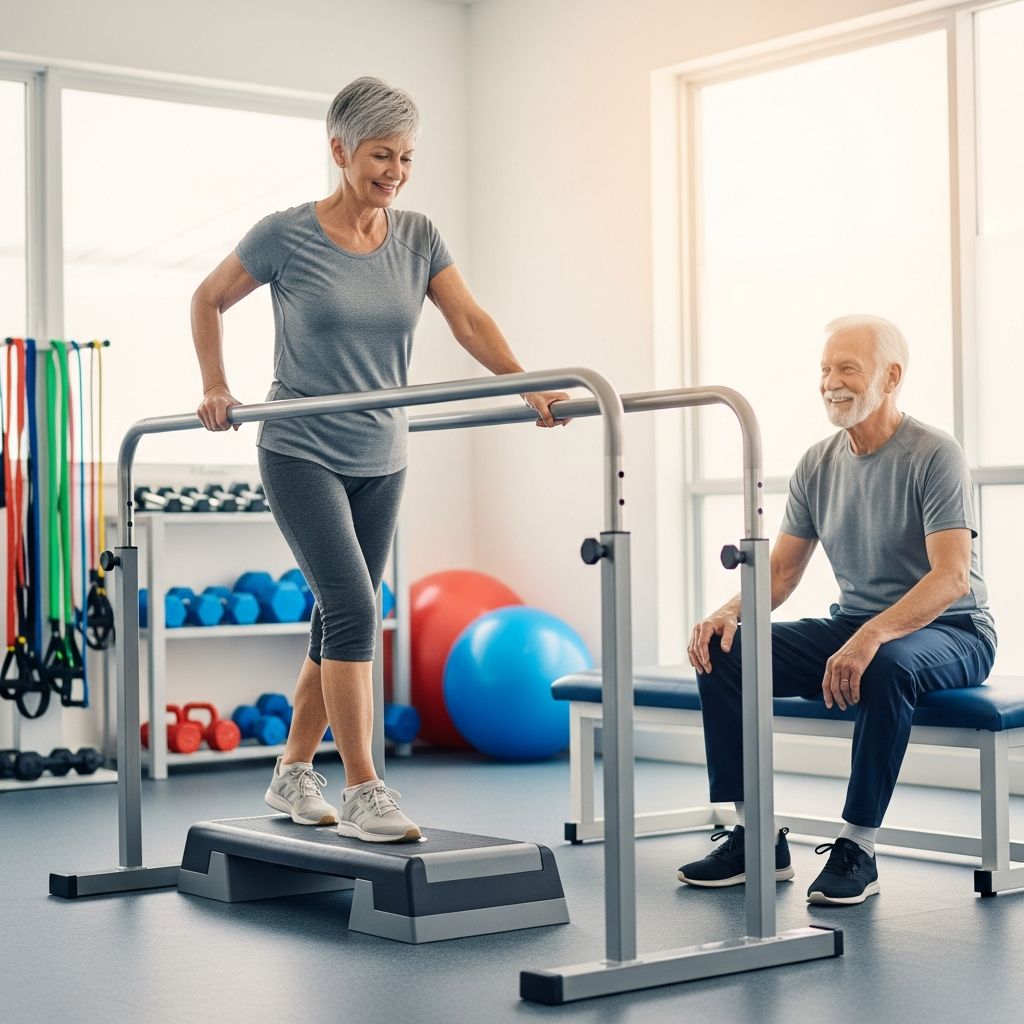
Fall Prevention Exercises: Building Strength and Balance
Falls represent one of the leading causes of injury among older adults, often resulting in serious consequences such as fractures, hospitalizations, and loss of independence. While it is not possible to completely prevent a fall, research demonstrates that targeted exercises focusing on balance and strength training can significantly reduce the risk of falling. Physical therapists at Johns Hopkins Medicine have developed a series of evidence-based exercises designed to be performed safely at home, helping seniors maintain the physical capabilities necessary for independent living.
The foundation of fall prevention lies in understanding that falls typically occur due to weakened leg muscles, poor balance, and reduced coordination. By dedicating just 20-30 minutes daily to fall prevention exercises, older adults can substantially improve their stability, confidence, and overall quality of life. These exercises require minimal equipment and can be adapted to individual fitness levels, making them accessible to seniors of varying abilities.
The Sit-to-Stand Exercise: Building Leg and Core Strength
The sit-to-stand exercise is one of the most fundamental and effective movements for fall prevention. This exercise directly mimics the everyday activity of standing up from a chair, making it highly practical and functional for daily living. By practicing this movement regularly, seniors strengthen the major leg muscles, including the quadriceps and glutes, while also engaging core muscles essential for balance and stability.
Proper Form and Technique
To perform the sit-to-stand exercise correctly, begin by selecting a sturdy chair that will not slide or roll, preferably one with arms. Scoot your body forward to the edge of the chair, ensuring your feet are positioned approximately shoulder-width apart. Place a table or counter in front of you for support if you begin to lose your balance.
Lean your chest forward over your toes, shifting your weight forward, and use your leg muscles to power yourself up to a standing position. The goal is to stand without using your hands for assistance, though initially you may place your hands on the chair arms or counter for support. To return to sitting, reverse the movement by leaning your hips back toward the chair and slowly lowering yourself down with control.
Progression and Modifications
For those who require additional assistance, you can modify this exercise by pushing through your thighs or using your hands on the chair to help lift yourself. As your strength improves, reduce your reliance on hand support. To increase the difficulty, hold light hand weights or perform more repetitions. Aim for 10 repetitions, performed twice daily, gradually increasing as your strength improves.
Balance Exercises: Progressions for Stability
Balance training is crucial for fall prevention because it trains the body’s proprioceptive system—the ability to sense body position in space. Johns Hopkins recommends a progressive approach to balance exercises, starting with the most basic positions and gradually advancing as confidence and stability improve. Always have someone nearby when practicing balance exercises in case you feel unsteady.
Related Stories



Standing Balance with Support
Begin by standing near a sturdy counter or kitchen table that you can hold onto if needed. Stand with your feet approximately shoulder-width apart, providing a stable base of support. Place your hands lightly on the counter for security, then gradually lift your hands off the surface, standing freely while maintaining steady balance. Start by holding this position for 10 seconds and gradually work up to 30 seconds. Perform this exercise twice daily, aiming for five repetitions.
Standing with Feet Together
Once you can comfortably maintain balance with feet shoulder-width apart, progress to the next level by bringing your feet together. Again, begin with your hands on the counter for support, then lift them away as you feel confident. Hold this position for 10 seconds, gradually increasing to 30 seconds. This variation significantly increases the challenge because the base of support is much smaller, requiring greater activation of the stabilizing muscles.
Single-Leg Balance
Single-leg balance represents an advanced progression that dramatically improves stability and coordination. Hold onto a counter or table for support and lift one foot slightly off the ground. Attempt to balance on your standing leg for 10 seconds, working up to 30 seconds. Lower your foot and repeat on the other side. It is essential to practice this exercise on both legs, as one leg may be stronger than the other, and balanced strength is important for overall safety and fall prevention.
Balance with Eyes Closed
For advanced practitioners who have mastered the previous progressions, attempt each balance exercise with your eyes closed. This variation eliminates visual input, forcing the body to rely more heavily on proprioceptive feedback. Hold each position for 10 seconds initially, gradually increasing to 30 seconds. This variation should only be attempted when you have achieved solid balance with eyes open and only when support is immediately available.
Heel-Toe Walk: Strengthening Ankle Stability
The heel-toe walk, also known as the tandem walk, develops ankle coordination and strengthens the muscles along the outside of the leg. This exercise improves the body’s ability to maintain balance during walking and helps prevent the ankle instability that often contributes to falls.
To perform this exercise, position one foot directly in front of the other in a heel-to-toe pattern, as if walking along a tightrope. Move forward slowly and deliberately, maintaining this narrow alignment for 10 to 20 steps. You may hold onto a wall or railing for support if needed. Repeat this exercise daily as part of your fall prevention routine. This movement enhances coordination and trains the smaller stabilizing muscles in the ankle and foot.
Side Leg Raise: Strengthening Hip Muscles
The side leg raise targets the hip abductors and outer thigh muscles, which are vital for maintaining side-to-side balance and stability. Weakness in these muscles often contributes to falls, particularly when the body needs to catch itself after losing balance laterally.
Hold onto the back of a chair or a sturdy counter for support, standing with good posture. Keep your torso upright and stable as you slowly lift one leg out to the side, maintaining a straight line from your hip to your heel. Lift your leg as high as comfortable without leaning your upper body. Slowly lower your leg back to the starting position. Perform 10 to 15 repetitions on each side. For added challenge, perform this exercise without holding the chair once you develop sufficient strength and balance.
Toe Stands: Building Calf Strength
Toe stands strengthen the calf muscles and improve ankle stability, which are essential for maintaining upright balance and preventing forward falls. This exercise is particularly important because the calf muscles play a critical role in postural control and stability.
Hold onto the back of a chair for support, maintaining good posture with your back straight and knees slightly bent. Push up onto your tiptoes as high as possible, rising up on the balls of your feet. Hold this elevated position for a moment, then slowly lower your heels back to the floor. Repeat this movement 10 to 15 times daily. As your strength improves, you may perform this exercise while holding the chair with only one hand or with fingertips for minimal support.
Additional Strengthening Exercises
Knee Curls
Knee curls strengthen the hamstring muscles at the back of the thigh, which are essential for leg stability and proper walking mechanics. Stand while holding the back of a chair for balance, with your feet approximately shoulder-width apart and knees slightly bent. Lift one leg straight behind you and bend your knee, bringing your heel toward your buttocks. Slowly lower your leg back to the starting position. Perform 10 to 15 repetitions on each leg, twice daily.
Leg Extensions
Leg extensions build quadriceps strength, which is crucial for stability during standing and walking. Sit in a straight-backed chair with both feet flat on the floor. Straighten one leg out in front of you as far as possible, engaging the quadriceps muscle. Hold briefly, then slowly lower your leg back down. Perform 10 to 15 repetitions with each leg. This exercise can be performed twice daily as part of a comprehensive fall prevention program.
Leg Stretches
Maintaining flexibility is important for balance and fall prevention. Sit in a straight-backed chair and place one foot on a low stool positioned in front of you. Straighten the leg on the stool and gently reach your hand toward your foot, stretching the back of your leg and lower back. Hold this stretch for 10 to 20 seconds, then sit back up. Repeat five times with each leg. Gentle stretching improves range of motion and reduces muscle tension that can impair balance.
Step-Ups
Step-ups build leg strength while improving balance and coordination. Find a step approximately 7 inches in height, such as a stair, porch step, or sidewalk curb. Use a railing or wall for support if you feel unsteady. Step up with one foot, ensuring your entire foot lands securely on the step, then step down. Repeat this movement for 10 to 30 seconds, gradually increasing speed as your confidence improves. This exercise mimics the daily activity of climbing stairs, making it highly functional.
Wall Push-Ups
Wall push-ups strengthen the chest and core muscles without causing dizziness or excessive balance challenges. Stand approximately 1 foot away from a wall and place your hands on the wall at approximately shoulder-width or slightly wider. Slowly lower your chest toward the wall while keeping your back straight, then push back to the starting position. Perform 5 to 10 repetitions. As your strength improves, step further back from the wall to increase the difficulty and intensity of the exercise.
Exercise Program Guidelines and Safety
Frequency and Duration
For optimal results, perform fall prevention exercises at least five days per week, though daily practice is ideal. Each exercise session should last approximately 20 to 30 minutes. Consistency is more important than intensity; regular, moderate activity provides better long-term results than occasional intense exercise sessions.
Safety Considerations
Always have someone nearby when practicing balance exercises, particularly when beginning a new routine or when you feel unsteady. Ensure your exercise area is well-lit and free of obstacles. Wear supportive, non-slip footwear during all exercises. If you experience dizziness, shortness of breath, chest pain, or unusual discomfort during exercise, stop immediately and consult your healthcare provider.
Progression and Adaptation
Begin with the basic progressions of each exercise and advance only when you can perform the current level with proper form and without assistance. Do not rush progression; it is better to master one level before moving to the next. If you have specific health conditions or concerns, consult with your physical therapist before beginning a new exercise program.
Frequently Asked Questions
Q: How long before I see results from fall prevention exercises?
A: Most people notice improvements in balance and strength within 2 to 4 weeks of consistent exercise. Significant improvements typically occur within 6 to 8 weeks of regular practice.
Q: Can I perform these exercises if I have arthritis?
A: Yes, most of these exercises can be adapted for people with arthritis. Move slowly and gently, avoiding pain. Consult with your physical therapist or doctor about modifications specific to your condition.
Q: Do I need special equipment for these exercises?
A: No, most exercises require only a sturdy chair and access to a counter or wall for support. Hand weights can be added for advanced variations, but are not necessary.
Q: How often should I perform balance exercises?
A: Balance exercises should be performed at least 5 days per week, though daily practice is recommended for optimal results. Most balance exercises can be repeated 5 times per position, twice daily.
Q: What should I do if I feel dizzy during an exercise?
A: Stop the exercise immediately and sit down. If dizziness persists, consult your healthcare provider. Dizziness may indicate a need to progress more slowly or a potential underlying health issue.
Q: Can these exercises prevent all falls?
A: While these exercises significantly reduce fall risk, they cannot prevent all falls. Combining exercise with environmental modifications, appropriate footwear, and regular vision and hearing checks provides comprehensive fall prevention.
Creating Your Fall Prevention Routine
Developing a consistent fall prevention routine begins with selecting exercises appropriate for your current fitness level. Start with the basic progressions of balance exercises and sit-to-stand movements, then gradually add strengthening exercises as your confidence and ability improve. Consider performing exercises at the same time each day to establish a routine and improve adherence.
Tracking your progress can provide motivation and help you monitor improvements in strength and balance. Keep a simple log noting which exercises you performed, the number of repetitions completed, and any challenges or successes. Share this information with your healthcare provider, who can offer guidance and encouragement.
Remember that fall prevention is a long-term commitment. Regular exercise, combined with other safety measures such as removing home hazards and ensuring adequate lighting, provides comprehensive protection against falls. By taking an active role in maintaining your strength and balance, you can significantly reduce your fall risk and maintain the independence and quality of life that matters most to you.
References
- Fall Prevention Exercises with Physical Therapist Lora Stutzman — Johns Hopkins Medicine. 2019-04-29. https://www.hopkinsmedicine.org/health/wellness-and-prevention/fall-prevention-exercises
- Senior Fall Prevention: 5 Easy Balance Exercises to Improve Stability — Prairie Landing. https://www.prairielanding.org/senior-fall-prevention-5-easy-balance-exercises-to-improve-stability/
- Exercises for Seniors to Help Prevent Falls & Stay Independent — Northbridge Communities. https://northbridgecommunities.com/blog-post/exercises-for-seniors-to-help-prevent-falls-and-stay-independent/
- Physical Therapy Exercises for Fall Prevention — Countryside Neurology. https://countrysideneurology.com/physical-therapy-exercises-for-fall-prevention/
- Fall Prevention in Older Adults — National Institute on Aging. https://www.nia.nih.gov/health/fall-prevention
- Preventing Falls and Fractures in Older Adults — Centers for Disease Control and Prevention. https://www.cdc.gov/steadi/index.html
Similar Articles








Read full bio of medha deb