Fall Prevention Strategies to Help Keep You Safe
Comprehensive guide to reducing fall risks and maintaining independence through proven prevention strategies.
Falls represent one of the most common causes of injury and loss of independence among older adults. Each year, millions of people experience falls that result in fractures, head injuries, and long-term complications that can dramatically affect quality of life. However, the good news is that most falls are preventable through a combination of evidence-based strategies, lifestyle modifications, and environmental adjustments. Understanding the risk factors and implementing comprehensive fall prevention measures can help you maintain your independence, stay active, and enjoy a safer, more fulfilling life.
The causes of falls are complex and multifactorial, often involving a combination of physical, environmental, and medical factors. Falls don’t happen by accident—they result from specific conditions that can be identified and addressed. By taking a proactive approach to fall prevention, you can significantly reduce your risk of injury and maintain the freedom to live independently.
The Impact of Falls on Health and Independence
Falls can have serious consequences beyond the immediate injury. A single fall can lead to broken bones, head trauma, and loss of confidence in your ability to move safely. Many older adults who experience falls develop a fear of falling again, which often leads to reduced physical activity, increased isolation, and accelerated decline in strength and balance. This creates a dangerous cycle where inactivity leads to further weakness, which increases fall risk even more.
Beyond the physical injuries, falls can result in significant financial and emotional costs. Hospital stays, rehabilitation, and long-term care can be expensive and disruptive to your life. The psychological impact of a fall—fear, anxiety, and loss of confidence—can be just as debilitating as the physical injury itself. This is why prevention is so important; it’s far more effective to prevent falls than to recover from them.
Understanding Your Fall Risk Factors
Fall risk is not random; it results from specific factors that can be assessed and managed. Healthcare providers use evidence-based assessments to identify these risk factors and develop personalized prevention plans. The CDC’s Stopping Elderly Accidents, Deaths, and Injuries (STEADI) initiative provides a structured framework for assessing fall risk through screening, identifying modifiable risk factors, and implementing targeted interventions.
Common fall risk factors include:
- Balance and gait problems: Weakness in legs, poor coordination, and difficulty walking increase fall susceptibility.
- Vision and hearing impairment: Poor vision reduces awareness of hazards, while hearing loss affects balance regulation.
- Medication effects: Certain medications can cause dizziness, confusion, or weakness that increases fall risk.
- Medical conditions: Arthritis, diabetes, heart disease, and neurological conditions affect balance and mobility.
- Cognitive changes: Memory problems and confusion can lead to poor judgment about safety.
- Environmental hazards: Poor lighting, clutter, loose rugs, and slippery surfaces create dangerous conditions.
The Power of Regular Exercise and Physical Activity
Exercise is the single most powerful fall prevention tool available. Regular physical activity improves strength, balance, flexibility, and coordination—all critical components of fall prevention. Research shows that exercise interventions can reduce the fall rate by approximately 23% and decrease the number of people who experience falls by 15%. The U.S. Preventive Services Task Force (USPSTF) concludes with moderate certainty that exercise interventions provide a moderate net benefit in preventing falls and fall-related injuries.
Related Stories



Effective exercise programs typically include multiple components designed to address different aspects of physical function. The most successful interventions include gait, balance, and functional training, combined with strength and resistance training. Here are the key components of an effective fall prevention exercise program:
Balance Training
Balance exercises are essential for improving stability and preventing falls. These exercises help you maintain control of your body position and respond quickly to changes in your environment. Effective balance exercises include:
- Tai chi and yoga classes, which improve stability and flexibility through controlled movements
- Standing on one foot, progressively increasing duration as balance improves
- Heel-to-toe walking, which challenges your balance system
- Weight shifting exercises, moving your weight from side to side while standing
Tai chi has been particularly well-studied and shows remarkable effectiveness for fall prevention. This ancient practice involves slow, controlled movements that enhance body awareness, improve balance, and strengthen leg muscles without high impact or injury risk.
Strength and Resistance Training
Strong muscles, particularly in your legs and core, are essential for maintaining balance and recovering from stumbles. Resistance training using weights, resistance bands, or your own body weight can significantly improve muscle strength and endurance. Chair exercises offer a safe alternative for those with mobility limitations, allowing you to build muscle without standing. Most exercise interventions include a strength and resistance training component.
Flexibility and Mobility Work
Maintaining flexibility in your joints and muscles allows you to move more easily and respond to environmental challenges. Regular stretching, gentle yoga, and mobility exercises help prevent the stiffness that can contribute to falls.
Endurance and Aerobic Activity
Cardiovascular fitness improves overall health and energy levels, reducing fatigue-related falls. Walking programs are particularly beneficial as they maintain mobility and endurance while being accessible to most people.
Frequency and Duration
Most effective exercise programs involve 2 to 3 sessions per week for at least 12 months, though duration varies from 2 to 30 months depending on the program. Consistency is more important than intensity; regular participation in moderate activity provides better results than sporadic intense exercise.
Creating a Safe Home Environment
Your home should be designed to support safe, independent living. Environmental modifications can significantly reduce fall hazards and make your living space work with your physical abilities rather than against them.
Flooring and Surfaces
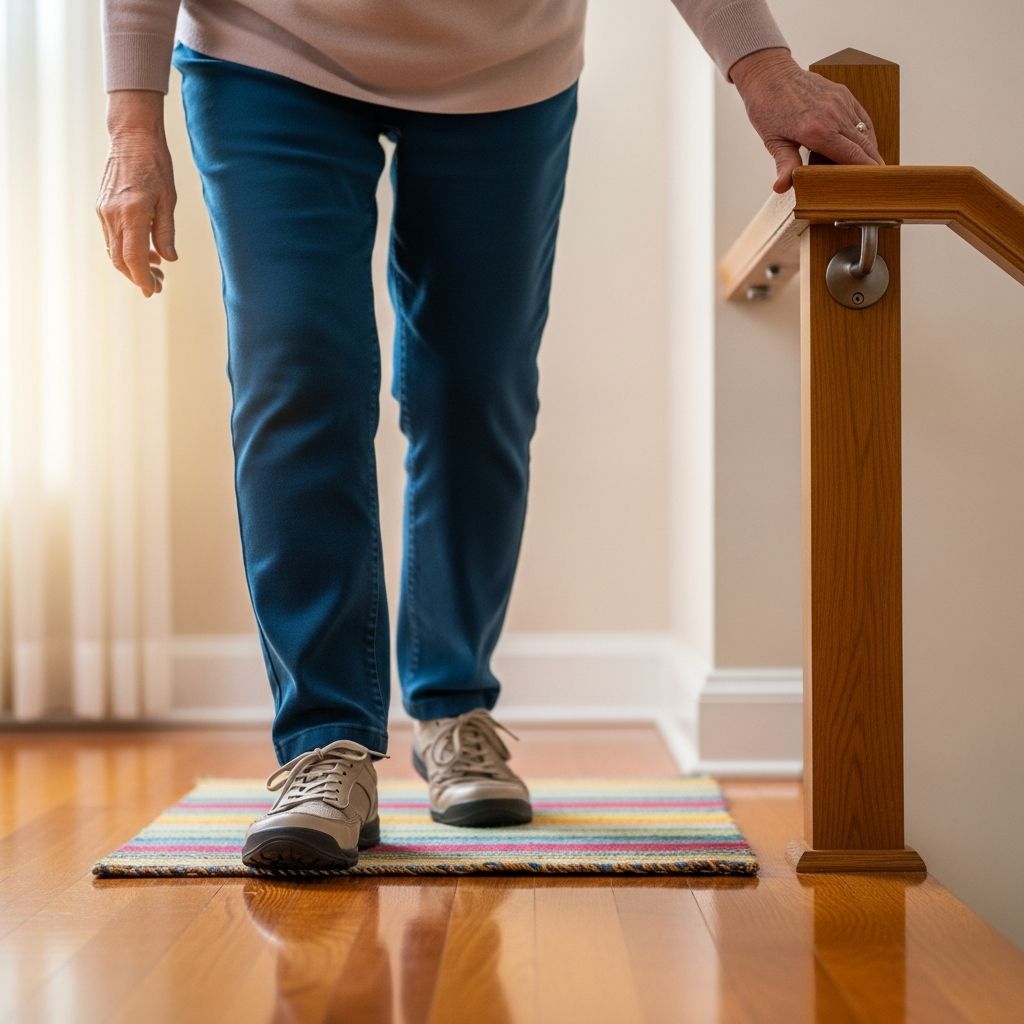
Flooring plays a crucial role in fall prevention. Non-slip flooring materials reduce the risk of slipping on smooth surfaces. Loose rugs are a major trip hazard and should either be removed or secured firmly with anti-slip pads. Carpeting should be low-pile and well-maintained to prevent catching your feet.
Handrails and Grab Bars
Handrails along hallways and staircases provide essential stability as you move through your home. Grab bars in bathrooms near toilets and showers help you maintain balance during activities when you’re most vulnerable to falls. These should be securely installed and positioned at appropriate heights.
Adequate Lighting
Poor lighting is a major fall hazard. Ensure that all areas of your home are well-lit, with particular attention to staircases, hallways, and bathrooms. Install nightlights in hallways and bathrooms for nighttime navigation. Consider motion-activated lighting in areas you visit infrequently.
Clutter-Free Spaces
Maintaining clear pathways through your home prevents tripping hazards. Remove unnecessary furniture and keep frequently used items within reach to avoid bending or reaching beyond your base of support. Organize your living space logically so you don’t have to search for items or navigate around obstacles.
Bathroom Safety
Bathrooms are high-risk fall environments because surfaces are wet and slippery. Install grab bars, use non-slip mats in tubs and showers, and consider raised toilet seats or shower chairs. Ensure that water temperature is moderate to prevent dizziness.
Footwear and Assistive Devices
What you wear on your feet matters significantly for fall prevention. Proper footwear provides the foundation for balance and stability. Recommended footwear includes:
- Non-slip, supportive shoes with firm grip and low heels
- Shoes that fit properly and stay on securely
- Closed-toe shoes for better support and protection
Avoid high heels, loose slippers, and socks without traction, as these significantly increase fall risk.
If you have balance problems or mobility limitations, assistive devices such as walkers and canes can provide crucial support. These devices should be properly fitted to your height and strength, and you should receive training on how to use them safely and correctly. Regular inspection ensures they remain in good working condition.
Medication Management and Medical Review
Certain medications can increase fall risk by causing dizziness, confusion, drowsiness, or weakness. Blood pressure medications, sedatives, pain medications, and some psychiatric drugs are particularly problematic. A comprehensive medication review should be part of your fall prevention strategy.
Healthcare providers should assess whether each medication is still necessary and whether dosages could be adjusted. Some medications may need to be discontinued, while others might be replaced with safer alternatives. It’s important to review all medications—including over-the-counter drugs and supplements—as some combinations can increase fall risk.
Nutrition, Hydration, and Overall Health
Proper nutrition supports muscle strength, bone health, and overall physical function, all essential for fall prevention. Key nutritional considerations include:
- Adequate calcium and vitamin D for bone health and strength
- Sufficient protein to maintain and build muscle mass
- Regular hydration to prevent dizziness and low blood pressure
- Consistent meal timing to maintain energy levels and prevent weakness
Dehydration can cause dizziness and confusion, increasing fall risk. Aim to drink adequate fluids throughout the day, even if you don’t feel particularly thirsty.
Vision and Hearing Assessment
Vision and hearing are critical for maintaining awareness of your environment and for balance regulation. Regular eye exams can identify vision problems that increase fall risk. If you wear glasses or contact lenses, ensure your prescription is current. Hearing assessments should be part of your routine healthcare, as untreated hearing loss affects balance and increases fall susceptibility.
Technology and Monitoring for Fall Detection
Modern technology offers innovative approaches to fall prevention and detection. Smart socks containing pressure sensors can notify healthcare staff when a patient attempts to stand, significantly reducing fall risk. Remote patient monitoring via video from a centralized monitoring station has also been shown to reduce fall frequency and associated harm. Motion sensors and automated alert systems can detect falls immediately, enabling rapid response and medical attention.
Developing Your Personalized Fall Prevention Plan
Since fall risks are individualized, a successful prevention strategy must be customized to your specific situation. Healthcare providers use structured assessment tools like the Fall TIPS (Fall Tailoring Interventions for Patient Safety) toolkit, which takes a three-step approach: assessing fall risk, developing a personalized prevention plan, and executing the plan consistently. This toolkit is used in more than 500 hospitals and is associated with a 25% reduction in falls in hospital settings.
Your fall prevention plan should address your specific risk factors and include interventions you’re willing and able to implement. Plans typically include exercise recommendations, environmental modifications, medication review, lifestyle changes, and regular follow-up to monitor progress.
The Role of Healthcare Providers and Family Support
Effective fall prevention requires collaboration among healthcare providers, patients, and family members. Healthcare professionals can identify risk factors, recommend interventions, and monitor your progress. Family members can help by ensuring environmental safety, encouraging exercise participation, and providing emotional support and motivation.
Healthcare providers should receive specialized training in fall prevention, including recognizing early signs of fall risk, safely assisting patients with mobility challenges, and educating patients and families about prevention strategies. This professional expertise combined with family involvement creates the most effective support system.
Taking Action: Steps You Can Take Today
Fall prevention doesn’t require complex interventions; simple steps can significantly reduce your risk:
- Schedule a fall risk assessment with your healthcare provider
- Begin or increase regular physical activity, particularly balance and strength training
- Review your home environment and implement safety modifications
- Have a medication review to identify fall risk-increasing drugs
- Schedule vision and hearing assessments
- Invest in appropriate footwear
- Ensure adequate nutrition and hydration
- Engage family members in your fall prevention efforts
Frequently Asked Questions
Q: What is the most important thing I can do to prevent falls?
A: Regular physical activity, particularly exercise that includes balance training and strength work, is the single most important fall prevention strategy. Research shows that consistent exercise can reduce fall rates by up to 23% and decrease the number of people experiencing falls by 15%.
Q: How often should I exercise to prevent falls?
A: Most effective fall prevention exercise programs include 2 to 3 sessions per week for at least 12 months. Consistency is more important than intensity; regular participation provides better results than sporadic intense exercise.
Q: Can I prevent falls on my own, or do I need professional help?
A: While you can implement many fall prevention strategies independently, a comprehensive approach involving healthcare providers is most effective. Professional assessment can identify your specific risk factors and help you develop a personalized prevention plan tailored to your needs.
Q: What medications increase fall risk?
A: Blood pressure medications, sedatives, pain medications, and some psychiatric drugs are particularly problematic. Any medication that causes dizziness, confusion, drowsiness, or weakness can increase fall risk. Discuss all medications with your healthcare provider to identify potential fall risk.
Q: Are grab bars and handrails really necessary?
A: Yes, grab bars in bathrooms and handrails along hallways and staircases provide essential stability and support, particularly during high-risk activities. These modifications are among the most effective environmental changes for preventing falls.
Q: Is it ever too late to start an exercise program for fall prevention?
A: No, it’s never too late. Regular physical activity provides benefits at any age and can significantly reduce fall risk even if you’ve experienced falls previously. Consult your healthcare provider before starting a new exercise program to ensure it’s safe for your specific situation.
References
- Fall Prevention Strategies in Assisted Living Communities — Heisinger Bluffs Retirement Community. 2024. https://www.hbrhc.com/blog/fall-prevention-strategies-in-assisted-living-communities
- The Ongoing Journey to Prevent Patient Falls — Agency for Healthcare Research and Quality (AHRQ). 2024. https://psnet.ahrq.gov/perspective/ongoing-journey-prevent-patient-falls
- Interventions to Prevent Falls in Community-Dwelling Older Adults: A Systematic Review for the U.S. Preventive Services Task Force — U.S. Preventive Services Task Force (USPSTF). Published in JAMA Network. https://jamanetwork.com/journals/jama/fullarticle/2819573
- Preventing Falls: A Guide to Implementing Effective Community-Based Fall Prevention Programs — Centers for Disease Control and Prevention (CDC). 2023. https://www.cdc.gov/steadi/
- Multiple Strategies Necessary For Preventing Falls In Older Adults — Harvard Health Publishing. 2024. https://student.edfit.com/blog/multiple-strategies-necessary-for-preventing-falls-in-older-adults-says-harvard/
- World Guidelines for Falls Prevention and Management for Older Adults — National Center for Biotechnology Information (NCBI). Published in PMC. https://pmc.ncbi.nlm.nih.gov/articles/PMC9523684/
Similar Articles








Read full bio of Sneha Tete