Falling Asleep With TV On: Expert Guide To Better Sleep Hygiene
Discover why falling asleep with the TV on feels comforting but harms sleep quality, and learn healthier bedtime habits.
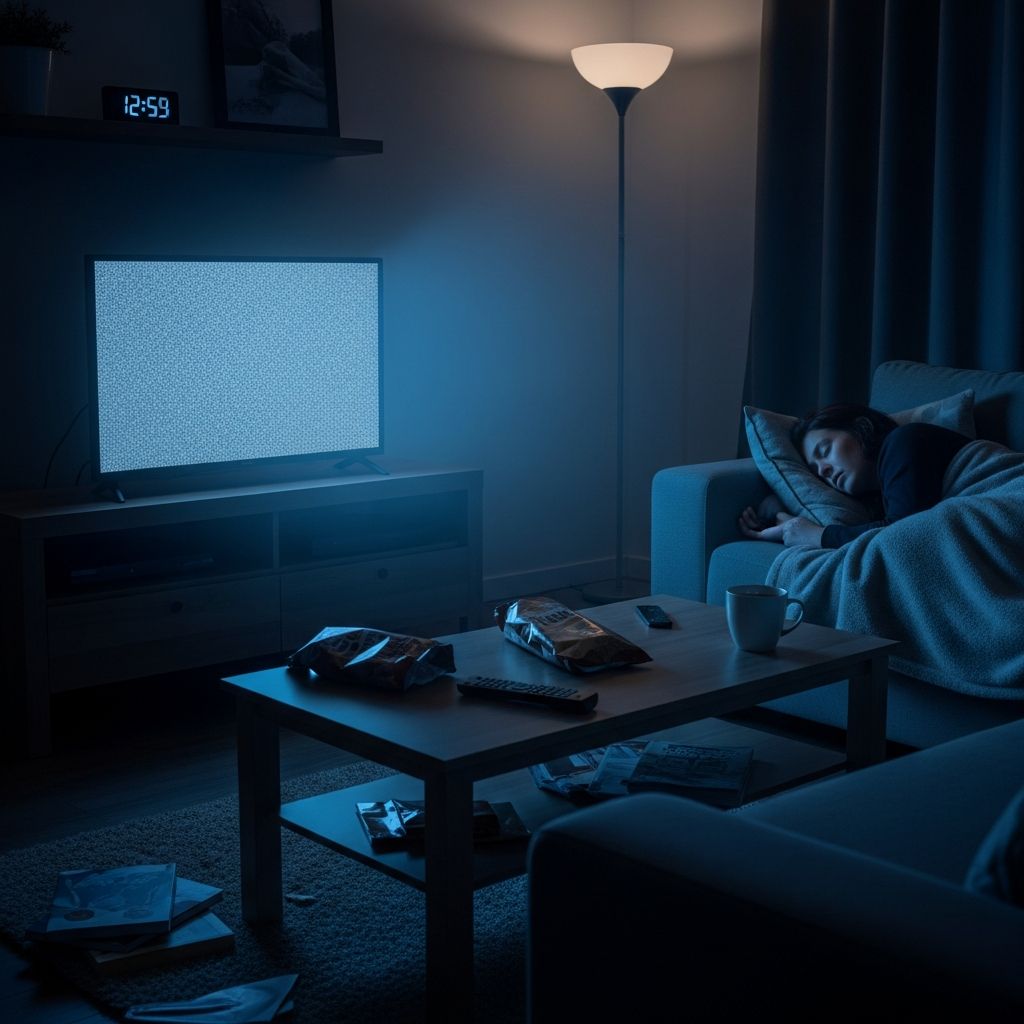
Many people have developed the habit of drifting off to sleep with the television flickering in the background. This common bedtime ritual provides a sense of comfort and distraction, yet it poses significant risks to sleep quality and overall health. While the glow and murmur of a show might ease you into slumber, research reveals that prolonged TV exposure before bed interferes with essential sleep processes, leading to fragmented rest and daytime fatigue.
Why Do People Fall Asleep With the TV On?
Falling asleep with the TV on often stems from a desire for background noise or distraction. For numerous individuals, the soft hum of dialogue and visuals mimics white noise, creating a soothing environment that drowns out racing thoughts or feelings of loneliness. A psychologist from Cleveland Clinic notes that more than half of Americans engage in this practice, finding it calming akin to ambient sound machines.
This habit can serve as a mental buffer against stress accumulated during the day. People depleted from work or parenting turn to TV as a low-effort reward, indulging in familiar shows despite mild interest. However, what feels relaxing in the moment masks deeper disruptions to the body’s natural sleep mechanisms.
- Comfort from familiarity: Repetitive shows provide predictable content that lulls the mind.
- Distraction from anxiety: TV diverts attention from worries, facilitating initial drowsiness.
- White noise effect: Constant audio helps mask household or external sounds.
The Science Behind TV’s Impact on Sleep
Television viewing, especially close to bedtime, profoundly affects sleep architecture. Exposure to screens emits blue light, which suppresses melatonin production—the hormone critical for regulating the sleep-wake cycle. Studies indicate that watching TV for four hours before sleep reduces REM (rapid eye movement) sleep, the restorative phase essential for memory consolidation and emotional processing.
A prospective study involving over 3,900 adults found that watching TV for ≥2 hours daily predicted difficulties falling asleep, middle-of-the-night awakenings, and early morning arousals with inability to return to sleep. These associations held even after adjusting for demographics, BMI, exercise, diet, and napping habits. The bidirectional relationship suggests excess TV not only disturbs sleep induction but also perpetuates poor sleep quality over time.
Sedentary behavior tied to TV watching compounds issues. Each additional hour of viewing correlates with health risks rivaling obesity or smoking, partly due to disrupted circadian rhythms from evening bright light exposure. In adolescents, heavy TV use (three or more hours daily) elevates sleep problem risks into adulthood, underscoring long-term consequences.
How TV Light Disrupts Your Circadian Rhythm
Blue light from TVs tricks the brain into perceiving daytime conditions, delaying melatonin release by hours. This circadian disruption shifts the body’s internal clock, making it harder to fall asleep promptly and achieve deep sleep stages. Even passive TV viewing—unlike interactive devices—links to poorer sleep outcomes in adults aged 13-64.
Related Stories



During sleep onset, persistent light exposure prevents the pineal gland from signaling rest. Resulting shallow sleep fragments the night, reducing time in slow-wave and REM phases. Clinical experts emphasize that while TV feels non-stimulating, its luminance sustains alertness, mimicking dawn and perpetuating vigilance.
| Light Type | Effect on Melatonin | Sleep Impact |
|---|---|---|
| Blue Light (TV) | Strong suppression | Delayed onset, reduced REM |
| Amber/Red Light | Minimal suppression | Supports natural rhythm |
| Darkness | Full release | Optimal deep sleep |
Effects on REM Sleep and Dream Content
REM suppression from pre-bed TV viewing leaves individuals feeling unrested despite sufficient hours. Binge-watching sacrifices this stage, where the brain processes emotions and consolidates learning. Psychologists report that even eight hours of sleep post-TV exposure yields fatigue due to incomplete restoration.
Content matters too: Stimulating programs like true crime or news imprint on the subconscious, influencing dreams and heightening anxiety. Conversely, light comedies promote positive mental states conducive to restful sleep. Rumination on plot twists can extend into wakefulness, exacerbating insomnia.
Health Risks Beyond Poor Sleep
Chronic TV-induced sleep deficits elevate risks for mental health issues like depression and anxiety. Disrupted sleep correlates with cardiovascular disease, as seen in studies linking insomnia symptoms to higher mortality in men. Physical inactivity during viewing promotes obesity and reduces longevity—every TV hour shortens life by approximately 22 minutes.
Cognitive effects include impaired focus and mood instability. In older adults, nighttime TV associates with excessive napping and fragmented sleep patterns. Overall, this habit rivals major lifestyle risks, urging reevaluation for long-term wellness.
Alternatives to TV for Better Sleep Hygiene
Transitioning away from TV requires intentional substitutes that honor the circadian system. Experts recommend dim, warm lighting and non-screen activities at least 90 minutes before bed.
- Audio options: Podcasts, audiobooks, or sleep stories provide narrative distraction without light.
- White noise machines: Fans, ocean waves, or rain sounds replicate TV’s auditory comfort.
- Reading physical books: Tiresome material in low light naturally induces drowsiness.
- Relaxation techniques: Meditation, progressive muscle relaxation, or gentle yoga unwind the mind.
Implement a wind-down routine: herbal tea, journaling, or stretching 30-60 minutes pre-bed. Apps with guided sleep meditations offer structured paths to deeper rest.
Tips for Breaking the TV Sleep Habit
Gradual reduction prevents withdrawal. Start by limiting to one episode nightly, then shift to audio-only. Set device timers for auto-shutoff and position TVs outside bedrooms.
- Track sleep with a journal to correlate TV habits and rest quality.
- Replace viewing with dim-lit hobbies like knitting or puzzles.
- Use blue-light filters if unavoidable, though complete avoidance is ideal.
- Curate playlists of calming content for transitional use.
- Consult professionals for persistent issues; cognitive behavioral therapy for insomnia (CBT-I) excels.
Consistency yields results within weeks, with improved energy and mood as rewards.
Frequently Asked Questions (FAQs)
Is it bad to fall asleep with the TV on every night?
Yes, regular exposure to TV light suppresses melatonin, fragments sleep, and reduces REM, leading to fatigue and health risks despite feeling initially soothing.
How long before bed should I stop watching TV?
Cease screen time at least 90 minutes prior to promote melatonin release and circadian alignment, per sleep experts.
What can I use instead of TV for background noise?
White noise machines, fans, podcasts, or sleep apps deliver audio comfort without disruptive light, enhancing sleep depth.
Does the type of TV content matter for sleep?
Absolutely—avoid stimulating genres like thrillers or news; opt for comedies or romances to foster positive dream states and relaxation.
Can I still watch TV if I use blue light glasses?
Glasses help marginally but don’t eliminate effects; best to avoid screens entirely for optimal melatonin production and rest.
Expert Advice on Choosing Bedtime Content
If TV persists, select mindfully. Psychologists advocate feel-good genres: romances soothe, comedies uplift. Steer clear of anxiety triggers—true crime infiltrates dreams, news amplifies worries. Pair with volume low to minimize stimulation.
Bedroom sanctification is key: Reserve for sleep and intimacy only. Remote accessibility tempts midnight binges; charge devices elsewhere.
References
- The Association of TV Watching to Sleep Problems in a Church-based Population — Taylor WD, et al. National Center for Biotechnology Information (NCBI). 2014-09-19. https://pmc.ncbi.nlm.nih.gov/articles/PMC4607020/
- Why Some Like to Sleep with TV On — Cleveland Clinic Newsroom. 2024-11-15. https://newsroom.clevelandclinic.org/2024/11/15/why-some-like-to-sleep-with-tv-on
- How To Watch TV And Also Get Good Sleep — Headspace. Accessed 2026. https://www.headspace.com/articles/tv-also-good-sleep
- Association between nighttime sleep and napping in older adults — Goldman SE, et al. Oxford University Press (Sleep Journal). 2008-05-01. https://academic.oup.com/sleep/article/31/5/733/2454434
- The association between insomnia symptoms and mortality — Li Y, et al. American Heart Association (Circulation). 2014. https://www.ahajournals.org/doi/10.1161/CIRCULATIONAHA.113.004500
Similar Articles








Read full bio of Sneha Tete