Fallopian Tubes: Location, Anatomy, Function & Conditions
Understanding fallopian tubes: their location, anatomy, function, and common medical conditions affecting reproductive health.
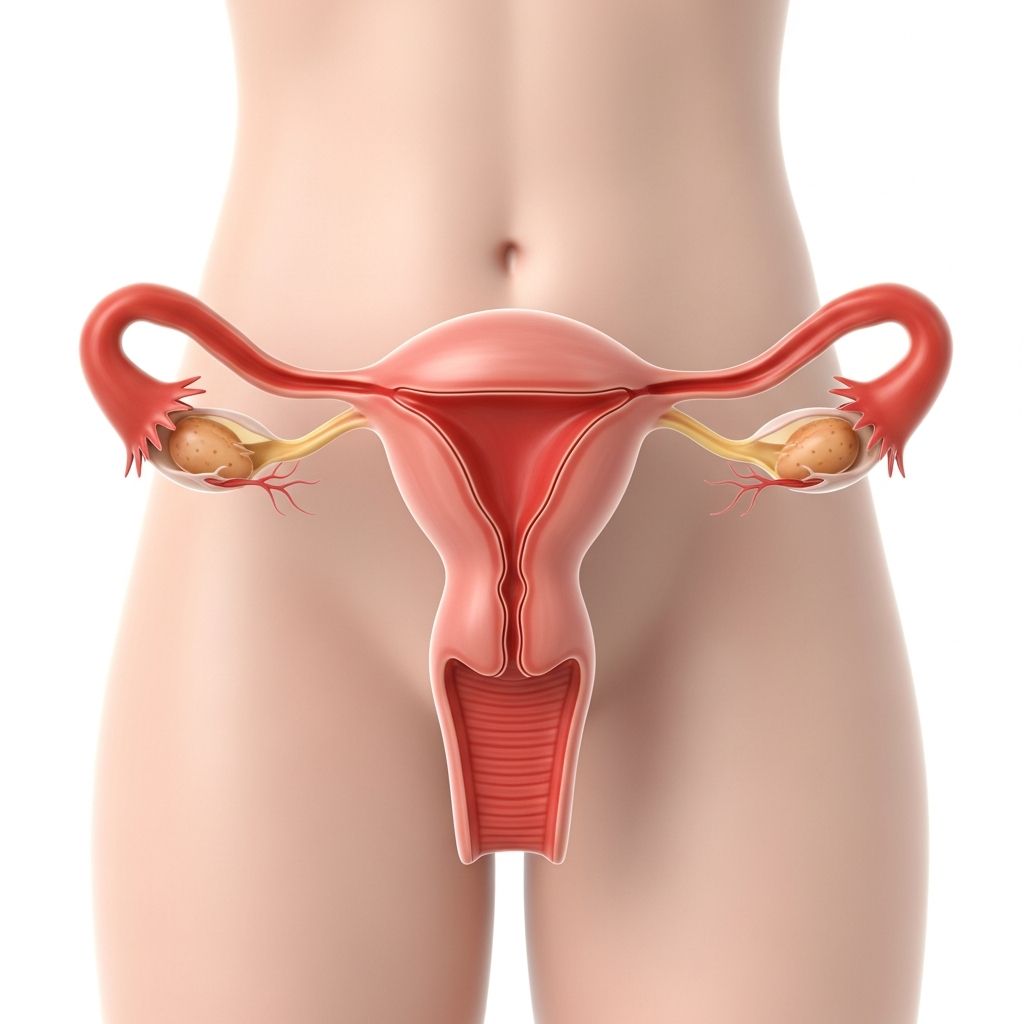
Your fallopian tubes are a pair of hollow, muscular ducts located between your ovaries and your uterus. Each fallopian tube is a channel between your ovaries and the uterus that plays a crucial role in the reproductive process. These delicate structures are essential for conception, and understanding their anatomy and function can help you better understand your reproductive health.
What Are Fallopian Tubes?
Think of a fallopian tube as a passageway that connects two vital reproductive organs. Located on either side of your pelvis, your fallopian tubes serve as the primary channel through which an egg travels from your ovary toward your uterus. Each tube measures approximately 4 inches in length and has a diameter similar to a piece of thread, yet they perform one of the most important functions in human reproduction.
Your fallopian tubes are remarkable structures that combine muscular walls with a specialized lining designed to facilitate egg transport. The tubes contain involuntary muscles that contract in a wave-like motion, called peristalsis, which helps move the egg along its journey. Additionally, the inner lining of the fallopian tubes is covered with hair-like projections called cilia that help guide the egg toward the uterus.
Anatomy of the Fallopian Tubes
Understanding the detailed structure of fallopian tubes helps explain how they function in reproduction and why certain conditions can affect fertility. Each fallopian tube has distinct sections, each with specialized characteristics.
The Four Main Parts of Fallopian Tubes
Your fallopian tubes have four distinct parts, each serving a specific purpose in the reproductive process:
Intramural Section: The intramural portion is the segment that passes through the wall of the uterus. This is the shortest and narrowest part of the fallopian tube, measuring only about 1 inch in length. The intramural section connects the uterine cavity to the next segment of the tube.
Isthmic Section: The isthmic section, also called the isthmus, is a narrow, muscular portion that extends from the uterus. This segment is slightly wider than the intramural section and plays an important role in moving the egg toward the uterus through muscular contractions.
Ampullary Section: The ampullary section is the longest and widest portion of the fallopian tube. This is the most common location where fertilization occurs, as sperm and egg typically meet here. The ampullary section has a larger diameter, providing space for the developing embryo in early pregnancy.
Fimbrial Section: The fimbrial section, or fimbriae, is the funnel-shaped opening at the end of the fallopian tube near your ovary. The fimbriae are fingerlike projections that help catch the egg as it’s released from the ovary during ovulation. These delicate structures wave and move to guide the egg into the fallopian tube.
Related Stories



How Do Fallopian Tubes Function?
The fallopian tubes serve several critical functions in the reproductive process. During ovulation, your ovary releases an egg. The fimbriae at the end of the fallopian tube help capture this egg and guide it into the tube. Once inside, the combination of muscular contractions and ciliary action moves the egg through the fallopian tube toward the uterus.
If sperm is present in the fallopian tube, fertilization typically occurs in the ampullary section. The fertilized egg, now called a zygote, continues to move through the tube while beginning to divide and develop. Over the course of several days, this developing embryo travels through the fallopian tube and into the uterus, where it can implant in the uterine lining and continue growing.
The fallopian tubes also provide an optimal environment for early embryonic development. The specialized lining of the tubes secretes fluids that nourish the developing embryo during its journey to the uterus. This supportive environment is essential for the embryo’s survival and proper development during these critical early stages.
Conditions Affecting the Fallopian Tubes
Various medical conditions can affect fallopian tube function and compromise fertility. Understanding these conditions is important for recognizing symptoms and seeking appropriate treatment.
Blocked Fallopian Tubes
Blocked fallopian tubes occur when scar tissue, fluid buildup, or other obstructions prevent the egg from traveling through the tube. Common causes include endometriosis, pelvic inflammatory disease, previous abdominal or pelvic surgery, and sexually transmitted infections. A blocked fallopian tube can prevent conception or increase the risk of ectopic pregnancy, where the embryo develops in the tube rather than the uterus.
Ectopic Pregnancy
In rare cases, a fertilized egg may begin to develop within the fallopian tube instead of traveling to the uterus. This condition, called an ectopic pregnancy, is not viable and poses a serious health risk to the pregnant person. Symptoms include severe abdominal pain, vaginal bleeding, and shoulder pain. An ectopic pregnancy requires immediate medical attention, and the affected fallopian tube may need to be surgically removed through a procedure called salpingectomy.
Fallopian Tube Cancer
Fallopian tube cancer is a rare form of gynecological cancer that originates in the cells lining the fallopian tube. This disease may develop silently with few early symptoms, or it may present with symptoms such as abnormal vaginal bleeding, pelvic pain, or a palpable abdominal mass. Risk factors include family history of cancer, particularly a BRCA gene mutation. Treatment typically involves surgical removal of the affected fallopian tube, uterus, and ovaries, often followed by chemotherapy.
Hydrosalpinx
Hydrosalpinx occurs when fluid accumulates within the fallopian tube, causing it to become enlarged and distended. This condition often results from previous infection, endometriosis, or scarring. A hydrosalpinx can interfere with fertility by preventing egg transport or creating an inhospitable environment for the developing embryo.
Fallopian Tubes and Fertility
Healthy, patent fallopian tubes are essential for natural conception. During a fertility evaluation, healthcare providers assess fallopian tube function through various diagnostic tests. A hysterosalpingogram (HSG) is a common imaging procedure where contrast dye is injected through the cervix, and X-rays are used to visualize the shape of the uterus and the patency of the fallopian tubes.
If your fallopian tubes are blocked or damaged, fertility treatments such as in vitro fertilization (IVF) may be recommended. During IVF, eggs are retrieved directly from your ovaries and fertilized in a laboratory before being transferred to your uterus, bypassing the need for functional fallopian tubes.
Can You Get Pregnant With One Fallopian Tube?
Yes, you can still conceive with a single healthy fallopian tube. Many individuals are born with only one fallopian tube due to developmental variations, or they may have had one tube removed due to medical conditions or injury. As long as you have at least one functioning fallopian tube, one healthy ovary, a normal menstrual cycle, and a patent uterus, natural pregnancy is possible.
However, fertility may be somewhat reduced compared to those with two functioning tubes, depending on which ovary releases the egg during each cycle. If the ovary on the side of the remaining tube releases an egg, conception is possible. If the ovary on the opposite side releases the egg, that egg cannot be captured by the remaining tube, and conception cannot occur that cycle.
Surgical Procedures Involving Fallopian Tubes
Several surgical procedures may involve the fallopian tubes, either for therapeutic or preventive purposes.
Tubal Ligation
Tubal ligation, commonly called “getting your tubes tied,” is a permanent form of birth control. During this procedure, the fallopian tubes are cut, blocked, or sealed to prevent pregnancy. The procedure can be performed using laparoscopic surgery through small abdominal incisions or through a more extensive laparotomy approach. While tubal ligation is considered a permanent procedure, in rare cases the tubes can reconnect, potentially leading to unintended pregnancy or ectopic pregnancy.
Salpingectomy
A salpingectomy is the surgical removal of one or both fallopian tubes. This procedure may be performed to treat ectopic pregnancy, remove cancerous tissue, address severe infection or endometriosis, or serve as a preventive measure for individuals with high risk of ovarian cancer, particularly those with BRCA gene mutations. Salpingectomy can be performed laparoscopically to minimize recovery time and complications.
Salpingostomy and Fimbrioplasty
A salpingostomy is a procedure to drain excess fluid from the fallopian tubes and repair damage caused by infection or scarring. Fimbrioplasty is a related procedure that specifically repairs the fimbriae, the fingerlike projections at the end of the fallopian tube. These procedures are relatively rare and are performed to restore fallopian tube function and improve fertility prospects.
When to Seek Medical Attention
Certain symptoms warrant prompt medical evaluation, as they may indicate fallopian tube pathology or other reproductive health issues. Persistent pelvic pain, abnormal vaginal bleeding, unusual vaginal discharge, or difficulty conceiving after one year of attempting pregnancy should all be evaluated by a healthcare provider. Additionally, if you experience severe abdominal pain, particularly on one side, along with vaginal bleeding and shoulder pain, seek emergency medical attention immediately, as these may be signs of ectopic pregnancy.
Frequently Asked Questions
Q: How long are fallopian tubes?
A: Each fallopian tube measures approximately 4 inches (10 centimeters) in length, though there is natural variation between individuals.
Q: What causes blocked fallopian tubes?
A: Blocked fallopian tubes can result from endometriosis, pelvic inflammatory disease, previous surgery, sexually transmitted infections, uterine fibroids, or scar tissue formation.
Q: Can blocked fallopian tubes be repaired?
A: In some cases, blocked fallopian tubes can be repaired through surgical procedures such as salpingostomy or fimbrioplasty. However, success rates vary, and in vitro fertilization may be recommended as an alternative fertility treatment.
Q: What is the difference between tubal ligation and salpingectomy?
A: Tubal ligation involves blocking, tying, or sealing the fallopian tubes to prevent pregnancy while keeping the tubes in place. Salpingectomy involves the complete surgical removal of one or both fallopian tubes.
Q: Does a fallopian tube disorder always cause infertility?
A: Not necessarily. Depending on the specific condition and whether one or both tubes are affected, some individuals with fallopian tube disorders may still achieve pregnancy naturally, though fertility may be reduced.
Q: How is fallopian tube patency tested?
A: A hysterosalpingogram (HSG) is the most common test to assess fallopian tube patency. Contrast dye is injected through the cervix while X-ray images are taken to visualize the tubes and identify any blockages.
References
- Fallopian Tubes: Location, Anatomy, Function & Conditions — Cleveland Clinic. 2024. https://my.clevelandclinic.org/health/body/23184-fallopian-tubes
- Fimbriae Of The Uterine Tube: Anatomy & Function — Cleveland Clinic. 2024. https://my.clevelandclinic.org/health/body/24346-fimbriae
- Tubal Ligation: Procedure, Recovery & Side Effects — Cleveland Clinic. 2024. https://my.clevelandclinic.org/health/treatments/4933-tubal-ligation
- Salpingectomy: Purpose, Procedure, Risks & Recovery — Cleveland Clinic. 2024. https://my.clevelandclinic.org/health/treatments/21879-salpingectomy
- Fallopian Tube Cancer: Symptoms, Diagnosis & Treatment — Cleveland Clinic. 2024. https://my.clevelandclinic.org/health/diseases/21540-fallopian-tube-cancer
- Fallopian tube adenocarcinoma — EBSCO Research Starters in Health and Medicine. https://www.ebsco.com/research-starters/health-and-medicine/fallopian-tube-cancer
- Infertility: A Practical Framework — Cleveland Clinic Journal of Medicine. 2019. https://www.ccjm.org/content/86/7/473
Similar Articles








Read full bio of Sneha Tete