Famciclovir for Viral Infections (Famvir®)
Comprehensive guide to Famciclovir (Famvir®) for treating shingles, genital herpes, and cold sores in adults.
About famciclovir
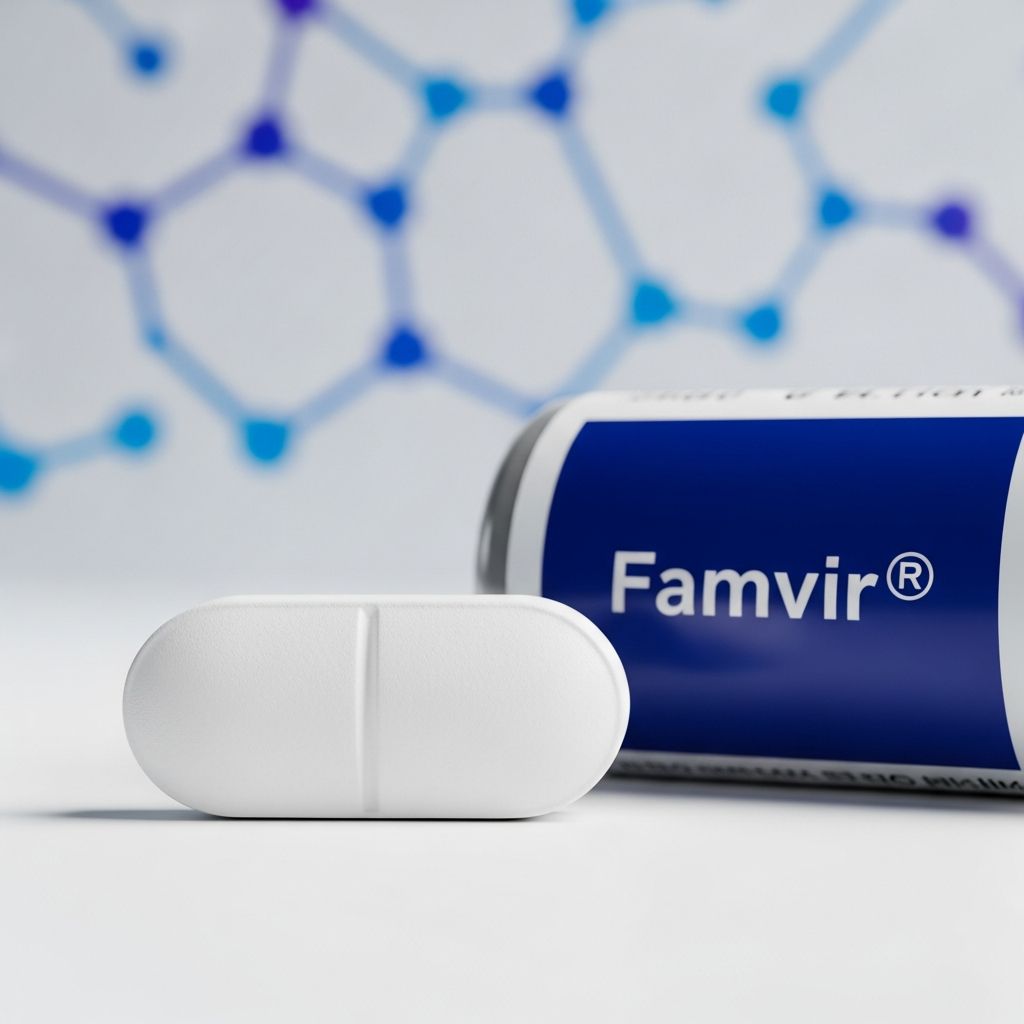
Famciclovir is an antiviral medication specifically designed to combat infections caused by herpes viruses, including herpes zoster (shingles) and herpes simplex viruses responsible for genital herpes and cold sores. Also known by the brand name Famvir®, it is available in tablet form and is prescribed for adults with these viral infections.
| Type of medicine | An antiviral medicine |
|---|---|
| Used for | Viral infections in adults (shingles, genital herpes, cold sores) |
| Also called | Famvir® |
| Available as | Tablets |
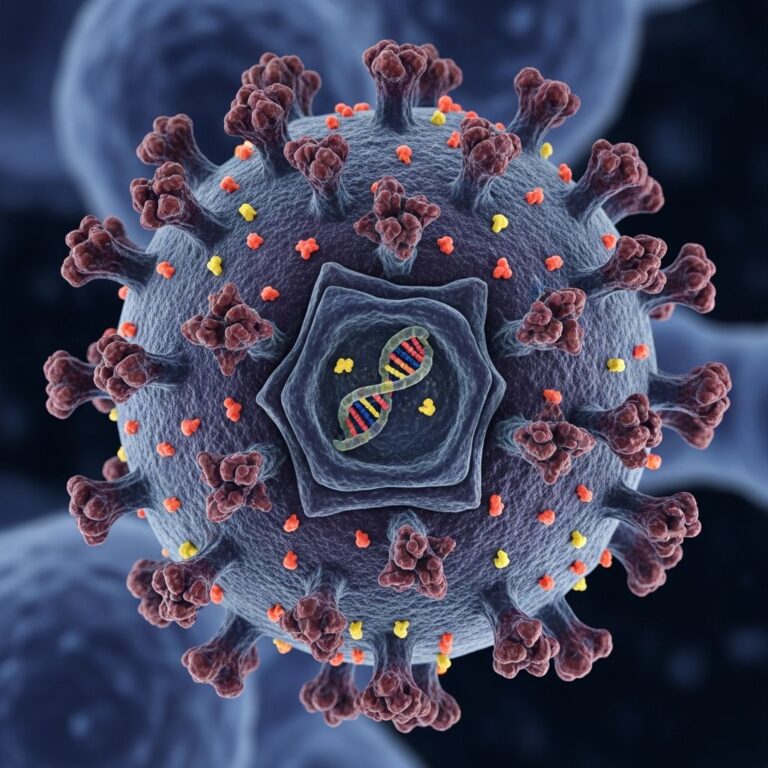
Famciclovir functions as a prodrug that rapidly converts in the body to penciclovir, its active form. Penciclovir inhibits viral DNA polymerase, preventing the herpes viruses—such as varicella-zoster virus (VZV) causing shingles, herpes simplex virus type 1 (HSV-1) for cold sores, and HSV-2 for genital herpes—from replicating. This action reduces the severity, duration, and pain of outbreaks, accelerates healing, and limits viral shedding, though it does not cure the infection or prevent future recurrences.
Clinical studies demonstrate that early treatment with famciclovir shortens the time to loss of vesicles, ulcers, and crusts in shingles, and suppresses recurrent genital herpes episodes in immunocompetent patients. In HIV-infected patients, it effectively manages recurrent mucocutaneous herpes simplex infections. The medication is well-absorbed orally, with penciclovir achieving a bioavailability of about 77%, and it exhibits low plasma protein binding (<20%).
Key facts about famciclovir
- Famciclovir tablets can be taken with or without food, and doses should be spaced evenly throughout the day.
- A typical course lasts 5-10 days, but single-day regimens exist for some herpes episodes, while suppression therapy may extend up to 12 months or longer.
- It relieves symptoms like pain, itching, and blisters but does not eliminate the latent virus in nerve cells.
- In renal impairment, dosage adjustments are crucial to avoid acute kidney issues, as penciclovir is primarily excreted by the kidneys.
- Famciclovir is not recommended for initial genital herpes episodes or ophthalmic zoster without specialist advice.
How and when to take famciclovir
Always follow your doctor’s prescription, starting treatment at the first sign of symptoms (e.g., tingling, rash) for optimal efficacy, ideally within 72 hours for shingles. Swallow tablets whole with water; do not crush or chew. Complete the full course even if symptoms improve to prevent relapse.
Dosage guidelines
| Condition | Recommended Dosage | Duration |
|---|---|---|
| Herpes zoster (shingles) | 500 mg every 8 hours | 7 days |
| Recurrent genital herpes | 1000 mg every 12 hours (single-day) or 125-250 mg twice daily for suppression | 1 day or up to 1 year |
| Herpes labialis (cold sores) | 1500 mg single dose or 1000 mg twice daily | 1 day |
| Recurrent herpes in HIV patients | 500 mg twice daily | 5-10 days |
For patients with reduced kidney function, doses must be adjusted based on creatinine clearance to prevent accumulation and potential renal failure. Hemodialysis removes about 75% of penciclovir, so supplemental doses may be needed post-dialysis. If you miss a dose, take it as soon as remembered unless near the next dose; do not double up.
Common questions about famciclovir
How long does it take to work?
Symptom relief often begins within 1-2 days, with faster healing of lesions compared to placebo. Viral shedding reduces significantly within 24 hours.
Can I drink alcohol while taking famciclovir?
Moderate alcohol is unlikely to interact, but excessive intake may worsen dehydration or immune response during infection. Consult your doctor.
Related Stories



Is famciclovir safe in pregnancy?
Limited data; use only if benefits outweigh risks. Animal studies show no teratogenicity, but human studies are insufficient.
Side effects of famciclovir
Famciclovir is generally well-tolerated, with side effects similar to placebo in many trials. Most are mild and transient.
Common side effects
- Headache (up to 10% of patients)
- Nausea or vomiting
- Diarrhea or abdominal pain
- Fatigue or dizziness
Serious side effects (rare)
- Thrombotic thrombocytopenic purpura (TTP)/hemolytic uremic syndrome (HUS), especially in immunocompromised patients
- Acute renal failure in those with pre-existing kidney disease or overdose
- Neutropenia or elevated liver enzymes
- Severe skin reactions (e.g., Stevens-Johnson syndrome)
Report persistent headaches, confusion, jaundice, or unusual bleeding immediately. In clinical trials, adverse events were comparable to acyclovir.
How to cope with side effects of famciclovir
- Headache: Rest, hydrate, and use paracetamol (avoid ibuprofen if dehydrated).
- Nausea: Take with food; eat small, bland meals.
- Diarrhea: Stay hydrated with oral rehydration solutions.
- Dizziness: Avoid driving; rise slowly from sitting.
If side effects are severe, contact your doctor; they may adjust dosage or switch medications.
Pregnancy and breastfeeding with famciclovir
Famciclovir is category B in pregnancy (no evidence of risk in animal studies, but limited human data). Use only if clearly needed, preferably after the first trimester. Penciclovir appears in breast milk at low levels; weigh benefits vs. risks, and consider pumping/discarding milk during treatment. Consult a specialist for immunocompromised or pregnant patients.
Other medicines, food, and famciclovir
No significant food interactions; take with or without meals. Drug interactions are minimal due to low metabolism via CYP450, but:
- Probenecid: Increases penciclovir levels; monitor renal function.
- Nephrotoxic drugs (e.g., cyclosporine): May compound kidney risks.
- No major interactions with antiretrovirals, but dose adjust in HIV patients with renal issues.
Inform your doctor of all medications, including over-the-counter and herbal supplements.
Cautions of famciclovir
- Adjust dose in renal impairment (creatinine clearance <60 mL/min).
- Avoid in galactose intolerance (tablets contain lactose).
- Use caution in elderly or dehydrated patients.
- Not effective if started >72 hours post-shingles rash.
- Does not prevent transmission; use barrier methods during outbreaks.
Famciclovir and driving
Dizziness or fatigue may occur; do not drive or operate machinery until you know how it affects you. Shingles pain itself can impair alertness.
Frequently asked questions (FAQs)
Q: Does famciclovir cure herpes or shingles?
A: No, it treats symptoms and speeds healing but does not eradicate the latent virus.
Q: Can famciclovir prevent outbreaks?
A: Yes, suppressive therapy (e.g., 250 mg twice daily) reduces recurrences by up to 80% in frequent cases.
Q: Is famciclovir safe for children?
A: Not approved for under 18s; safety not established.
Q: What if I forget a dose?
A: Take it promptly unless close to the next; never double dose.
Q: Can I spread herpes while on famciclovir?
A: Risk reduces with less shedding, but abstain from contact until lesions crust over.
References
- Famciclovir for viral infections – Patient.info — Patient.info. 2023. https://patient.info/medicine/famciclovir-for-viral-infections-famvir-2
- Famciclovir (oral route) – Mayo Clinic — Mayo Clinic. 2024-01-01. https://www.mayoclinic.org/drugs-supplements/famciclovir-oral-route/description/drg-20063776
- Famciclovir: Uses, Interactions, Mechanism of Action | DrugBank — DrugBank. 2024. https://go.drugbank.com/drugs/DB00426
- Famciclovir Tablets Product Monograph — Health Canada. 2023. https://pdf.hres.ca/dpd_pm/00078599.PDF
- Famciclovir Prescription & Dosage Information – MPR — MPR. 2024. https://www.empr.com/drug/famciclovir/
- Famvir (famciclovir) Tablets Label — U.S. FDA. 2011-11-01. https://www.accessdata.fda.gov/drugsatfda_docs/label/2011/020363s037lbl.pdf
Similar Articles








Read full bio of medha deb