Familial Adenomatous Polyposis: Causes, Symptoms, and Treatment
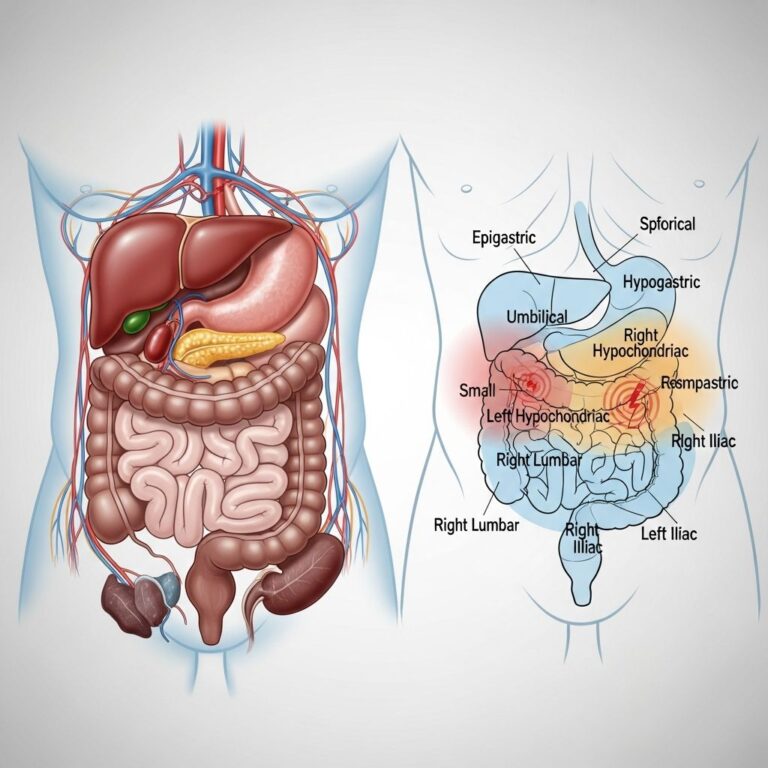
Understanding FAP: A comprehensive guide to causes, symptoms, diagnosis, and management strategies.
Familial Adenomatous Polyposis (FAP): A Comprehensive Overview
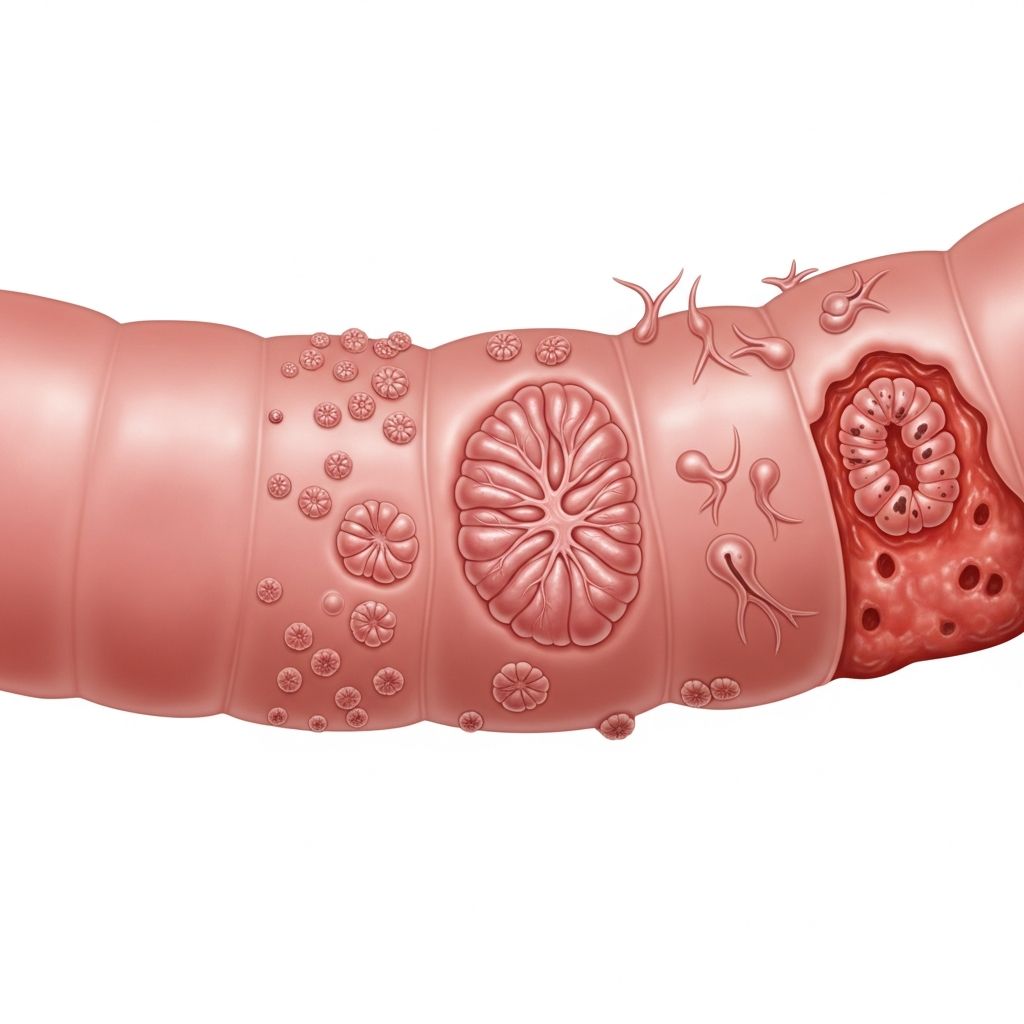
Familial adenomatous polyposis (FAP) is a rare inherited cancer predisposition syndrome characterized by the development of hundreds to thousands of precancerous colorectal polyps, known as adenomatous polyps. This hereditary condition significantly increases the risk of developing colorectal cancer at a relatively young age if left untreated. FAP affects approximately 1 in 7,500 to 1 in 10,000 individuals worldwide and represents one of the most common hereditary cancer syndromes. Understanding this condition is crucial for affected families, as early detection and intervention can dramatically improve outcomes and quality of life.
What is Familial Adenomatous Polyposis?
Familial adenomatous polyposis is an autosomal dominant inherited disorder that causes multiple adenomatous polyps to develop throughout the colon and rectum. In classic FAP, patients typically develop hundreds to thousands of polyps, with an average age of onset around 16 years. The defining characteristic of FAP is that without proper treatment, these polyps have a nearly 100 percent certainty of developing into colorectal cancer by the time the patient reaches their 40s. This near-certain cancer development distinguishes FAP from sporadic polyp formation and makes it a critical condition requiring aggressive medical management.
Genetic Basis and Inheritance Pattern
Familial adenomatous polyposis is caused by a mutation in the adenomatous polyposis coli (APC) gene, located on chromosome 5. The APC gene is a tumor suppressor gene responsible for controlling cell growth and preventing cells from becoming cancerous. When this gene is mutated, its ability to suppress tumor formation is compromised, leading to uncontrolled polyp development. FAP is inherited in an autosomal dominant pattern, meaning an affected individual has a 50 percent chance of passing the condition to each child, regardless of the child’s sex.
Approximately 70 percent of FAP patients have a family history of colorectal polyps and cancer. However, about 25 to 30 percent of cases result from de novo mutations—new genetic changes that occur spontaneously without being inherited from an affected parent. In rare cases, postzygotic somatic mosaicism can occur, where the mutation is present in some but not all cells of the body.
Symptoms and Clinical Presentation
Primary Symptoms
The main symptom of FAP is the presence of hundreds or even thousands of polyps growing in the colon and rectum, usually beginning by the mid-teens. However, polyps often do not cause noticeable symptoms until they have grown large enough to become problematic. When symptoms do occur, they may include:
- Rectal bleeding or blood in the stool
- Diarrhea or constipation
- Chronic abdominal pain or cramping
- Mucus in the stool
- Changes in bowel habits
- Weight loss
- Anemia due to blood loss
- Palpable abdominal masses
Extracolonic Manifestations
Beyond colorectal involvement, FAP can cause various manifestations in other parts of the body. These extracolonic features may include benign and malignant growths in multiple organ systems. Common extracolonic manifestations include:
- Osteomas: Benign bone growths, typically in the skull and mandible
- Dental abnormalities: Unerupted teeth, congenital absence of teeth, supernumerary teeth, dentigerous cysts, and odontomas
- Congenital hypertrophy of the retinal pigment epithelium (CHRPE): Benign pigment changes in the retina
- Desmoid tumors: Benign but potentially aggressive soft tissue tumors that can cause significant morbidity
- Skin lesions: Sebaceous cysts, epidermoid cysts, and other benign skin tumors
- Polyps in the upper gastrointestinal tract: Including the stomach, duodenum, and small bowel
Related Stories



Cancer Risks Associated with FAP
The most significant concern with FAP is the dramatically elevated cancer risk. Without treatment, the risk of developing colorectal cancer approaches 100 percent, typically occurring by the fourth decade of life. Beyond colorectal cancer, FAP patients face increased risks for various other malignancies:
| Cancer Type | Risk Percentage | Notes |
|---|---|---|
| Duodenal/small intestine cancer | 5-11% | Most common extracolonic malignancy |
| Thyroid cancer | 2% | More common in women |
| Pancreatic cancer | 2% | Difficult to detect early |
| Liver cancer (hepatoblastoma) | 0.7% in children <5 years | More common in early childhood |
| Central nervous system tumors | <1% | Medulloblastoma |
| Biliary tract cancer | Increased risk | Less common manifestation |
FAP Variants
Classic FAP
Classic FAP presents with hundreds to thousands of colorectal adenomatous polyps, typically appearing by the mid-teens. Without colectomy, affected individuals usually develop colorectal cancer by the third or fourth decade of life. This is the most common and aggressive form of the condition.
Attenuated FAP (AFAP)
Attenuated familial adenomatous polyposis is a less aggressive variant characterized by fewer colorectal adenomatous polyps, typically ranging from 10 to 100 polyps rather than hundreds or thousands. AFAP presents with a later age of adenoma appearance and carries a lower cancer risk compared to classic FAP, though the risk remains significantly elevated compared to the general population. The onset of polyps and cancer typically occurs later in life for those with AFAP.
Gardner Syndrome
Gardner syndrome is a clinical variant of FAP where colonic polyposis is accompanied by clinically obvious osteomas and soft tissue tumors. Some lesions that are indicative of Gardner syndrome include skull and mandible osteomas, dental abnormalities, and fibromas on the scalp, shoulders, arms, and back. This variant represents a phenotypic spectrum of FAP rather than a distinct genetic entity.
MUTYH-Associated Polyposis (MAP)
In a subset of individuals, mutations in the MUTYH gene cause a recessively inherited polyposis condition known as MUTYH-associated polyposis. MAP is characterized by a slightly increased risk of developing colorectal cancer and polyps or adenomas in both the upper and lower gastrointestinal tracts. This condition follows a different inheritance pattern than classic FAP.
Diagnosis and Screening
Initial Diagnosis
A clinical diagnosis of an adenomatous polyposis syndrome can be made when an individual develops 100 or more large bowel adenomas. However, diagnosis can occur earlier through genetic testing when FAP is suspected based on family history or symptoms. Genetic testing for APC gene mutations can confirm the diagnosis definitively.
Screening Recommendations
For individuals with known FAP in their family, screening should begin early. Children in families known to be affected by the syndrome should begin yearly colonoscopy screenings at the age of 10 years. This early and regular screening allows for detection of polyps before they progress to cancer, enabling preventive interventions. If family history is unknown and FAP is discovered through symptoms, screening typically begins at the time of diagnosis and continues regularly thereafter.
Treatment Options
Surgical Intervention
The definitive treatment for FAP is surgical removal of the colon and rectum, known as colectomy. This procedure is typically performed when significant polyp burden is detected or when the patient reaches their mid-to-late teenage years, depending on the number and size of polyps. Colectomy effectively eliminates the risk of colorectal cancer from FAP, as the cancerous potential of the polyps is removed entirely.
Post-Surgical Management
Even after colectomy, patients with FAP require continued surveillance. Those who undergo colectomy with ileal pouch-anal anastomosis (IPAA) need regular endoscopic screening of the remaining rectum and pouch to monitor for any residual polyp formation. Additionally, because FAP carries increased risks for extracolonic cancers, patients require surveillance for cancers of the duodenum, thyroid, pancreas, liver, and other organs throughout their lifetime.
Medical Management
While surgery is the primary definitive treatment, certain medications may be considered in managing FAP, particularly for attenuated cases or as adjunctive therapy. Regular monitoring and endoscopic surveillance remain essential components of management regardless of treatment approach.
Living with FAP: Long-term Considerations
Individuals diagnosed with FAP face lifelong medical management requirements. Regular colonoscopies, upper endoscopies to monitor the duodenum, and surveillance for extracolonic manifestations become part of routine care. Family members of affected individuals should undergo genetic counseling and testing to determine if they carry the APC mutation. Psychological support and genetic counseling are also important components of comprehensive FAP management, as the diagnosis carries significant implications for the patient and their family.
Frequently Asked Questions
Q: At what age should FAP screening begin?
A: Screening should begin at age 10 years in children with a known family history of FAP. For individuals without a known family history, screening begins when FAP is suspected based on clinical presentation or when diagnosis is confirmed.
Q: Can FAP be prevented?
A: FAP cannot be prevented, as it is a hereditary genetic condition. However, the development of colorectal cancer can be prevented through early detection and colectomy surgery before cancer develops.
Q: What is the survival rate for people with FAP?
A: With appropriate treatment and surveillance, particularly when colectomy is performed before cancer develops, individuals with FAP can have normal or near-normal life expectancies. Early detection and intervention are crucial for positive outcomes.
Q: Is genetic counseling recommended for FAP families?
A: Yes, genetic counseling is strongly recommended for all individuals with FAP and their family members. Counseling helps families understand inheritance patterns, assess cancer risks, and make informed decisions about genetic testing and medical management.
Q: Can attenuated FAP develop into classic FAP?
A: Attenuated FAP and classic FAP are determined by the specific APC gene mutation present. They do not convert from one form to another, though the phenotypic expression can vary among family members carrying the same mutation.
Q: What complications can arise from desmoid tumors in FAP?
A: Desmoid tumors, which occur in about 5 percent of FAP patients, can cause significant morbidity and mortality. These benign but aggressive tumors can grow and compress surrounding tissues and organs, potentially requiring surgical intervention or other treatment strategies.
References
- Familial adenomatous polyposis — Half, E., PubMed/NCBI. 2009. https://pubmed.ncbi.nlm.nih.gov/19822006/
- Familial adenomatous polyposis: Symptoms and causes — Mayo Clinic. 2024. https://www.mayoclinic.org/diseases-conditions/familial-adenomatous-polyposis/symptoms-causes/syc-20372443
- Familial Adenomatous Polyposis — National Organization for Rare Disorders (NORD). 2024. https://rarediseases.org/rare-diseases/familial-adenomatous-polyposis/
- Familial Adenomatous Polyposis (FAP) — Cleveland Clinic. 2024. https://my.clevelandclinic.org/health/diseases/16993-familial-adenomatous-polyposis-fap
- Familial Adenomatous Polyposis – Gastrointestinal Disorders — MSD Manuals Professional Edition. 2024. https://www.msdmanuals.com/professional/gastrointestinal-disorders/tumors-of-the-gastrointestinal-tract/familial-adenomatous-polyposis
- Familial Adenomatous Polyposis (FAP) – Digestive Health — Loyola Medicine. 2024. https://www.loyolamedicine.org/services/digestive-health-program/digestive-health-conditions/familial-adenomatous-polyposis
- Familial adenomatous polyposis — Orphanet. 2024. https://www.orpha.net/en/disease/detail/733
Similar Articles








Read full bio of medha deb