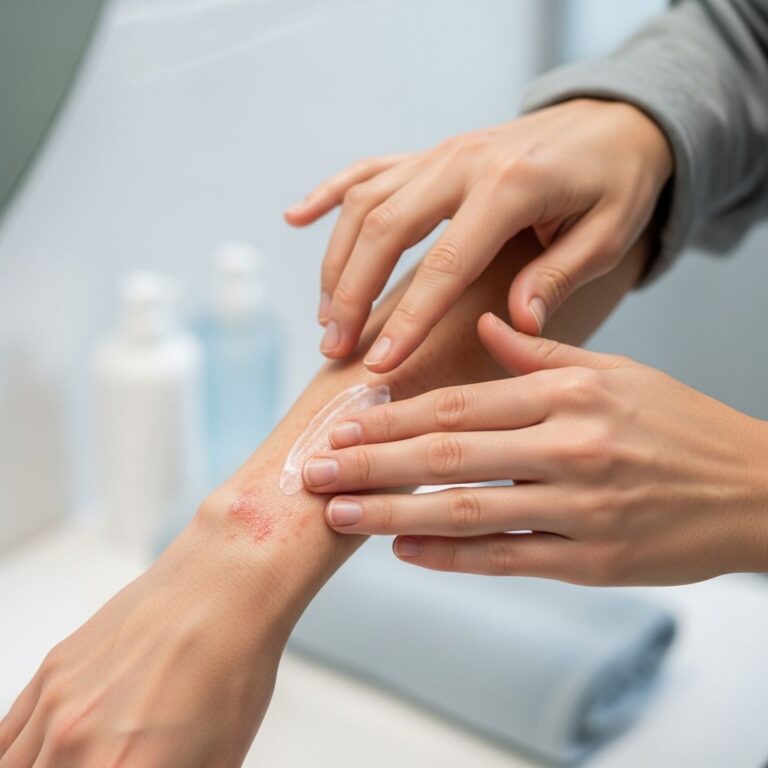
Familial Cold Autoinflammatory Syndrome: Diagnosis & Treatment
Rare genetic disorder triggered by cold: episodic fever, rash, joint pain, and fatigue in autoinflammatory syndrome.

Authoritative guide to FCAS (familial cold autoinflammatory syndrome), the mildest cryopyrin-associated periodic syndrome (CAPS).
What is familial cold autoinflammatory syndrome?
Familial cold autoinflammatory syndrome (**FCAS**) is a rare, inherited
autoinflammatory disease
characterised by acute, episodic attacks offever
withrash
followinggeneralised exposure to cold
. These episodes typically onset in infancy and recur lifelong, triggered by even mild cooling temperatures.FCAS belongs to the
cryopyrin-associated periodic syndromes (CAPS)
spectrum, representing the mildest phenotype compared to moderate Muckle-Wells syndrome (MWS) and severe neonatal-onset multisystem inflammatory disease (NOMID/CINCA). Unlike allergic cold urticaria, FCAS involves systemic inflammation driven by dysregulated innate immunity, not IgE-mediated hypersensitivity.Demographics
FCAS has an estimated prevalence of
1:1,000,000
, making it extremely rare. It predominantly affects families ofNorth American and European descent
with no sex predilection—males and females are equally impacted. Large multigenerational pedigrees are common due to its autosomal dominant inheritance.- Age of onset: Mean 47 days; 95% by 6 months. Rare adult presentations reported
- Lifelong persistence: Symptoms continue indefinitely without intervention
- Family history: Often positive in 50% of offspring from affected parents
Causes
FCAS results from
gain-of-function mutations
in theNLRP3
gene (chromosome 1q44), encodingcryopyrin
(also NALP3). Cryopyrin forms the core of theinflammasome
, a multiprotein complex regulating IL-1β activation.Mutant cryopyrin causes
constitutive inflammasome overactivation
, leading to excessiveinterleukin-1β (IL-1β)
secretion. This pro-inflammatory cytokine drives the hallmark symptoms. Remarkably, FCAS monocytes exhibitenhanced IL-1 release at subphysiologic temperatures
(<33°C), explaining cold sensitivity.
Clinical features
Attacks begin
2-3 hours post-cold exposure
(range 1-6 hours), last<24 hours
(average 12 hours), and resolve spontaneously. Even brief generalised cooling (air conditioning, wind, cold drinks) suffices; local cold rarely triggers.Symptoms during acute episodes
| Symptom | Frequency | Description |
|---|---|---|
| Fever | 100% | Mild-moderate (38-40°C), chills |
| Rash | 95-100% | Urticarial, erythematous macules/papules on trunk/extremities. Non-pruritic, blanches |
| Arthralgia/Myalgia | 90-95% | Symmetric joint pain (knees, ankles); transient synovitis rare |
| Fatigue/Malaise | 96% | Profound drowsiness, weakness |
| Conjunctivitis | 70-90% | Bilateral red, watery eyes; no vision loss |
| Other | Variable | Headache (50%), thirst, nausea, sweating, vertigo |
Images: Characteristic FCAS rash shows confluent erythematous patches without angioedema or purpura
Complications
FCAS generally lacks the organ damage seen in severe CAPS:
- Amyloidosis: Rare (<5%); AA amyloid deposition causing proteinuria/renal failure
- Chronic inflammation: Absent in pure FCAS (vs MWS/NOMID)
- Dehydration: From fever/sweating during attacks
Diagnosis
Primarily
clinical
, supported by genetic confirmation. Key diagnostic clues:Diagnostic criteria (requires ≥4/6)
- Recurrent fever + rash post-generalised cold exposure
- Age of onset <6 months
- Episode duration <24 hours
- Conjunctivitis during attacks
- Absence of periorbital edema, lymphadenopathy, serositis
- Family history of CAPS
Genetic testing: NGS/Sanger sequencing of NLRP3. Detects ~60-70% of cases; phenotypic FCAS exists without identifiable mutation.
Investigations during attacks
- ↑ Acute phase reactants: CRP, ESR (mild); normal between episodes
- Leukocytosis: Neutrophilia
- Anaemia: Mild chronic disease anaemia possible
Related Stories



Differential diagnoses
| Condition | Distinguishing features |
|---|---|
| Acquired cold urticaria | Pruritic hives within minutes; local cold triggers; ice cube test +ve; no fever/systemic symptoms |
| Muckle-Wells syndrome | Longer attacks (24-48h); sensorineural deafness; urticarial vasculitis |
| NOMID/CINCA | Daily symptoms from birth; arthropathy, uveitis, CNS involvement |
| Common cold urticaria | Hives only; no inheritance/fever |
| Other periodic fevers | FMF/TNFRSF1A: abdominal pain, longer attacks |
Treatment
IL-1 blockade is first-line and transformative:
- Anakinra (IL-1Ra): 1-2 mg/kg/day SC. Rapid symptom control; prevents attacks
- Canakinumab (anti-IL-1β): 150 mg SC every 8 weeks. Long-acting
- Rilonacept (IL-1 Trap): 160 mg weekly SC (US-approved for CAPS)
Non-responders: High-dose NSAIDs, colchicine (limited efficacy). Avoid steroids (rebound flares).

Outcome
Excellent with IL-1 inhibitors—near-complete symptom remission, normal quality of life. Untreated: recurrent debilitating flares, rare amyloidosis. Lifelong therapy typically required; some attain partial remission with age.
Frequently Asked Questions
What triggers FCAS attacks?
Generalised cold exposure (wind, AC, cold food/drink). Attacks begin 1-6 hours later, lasting <24h.
Is FCAS curable?
No cure, but IL-1 inhibitors (anakinra, canakinumab) provide excellent control. Genetic counselling recommended.
Does FCAS cause permanent damage?
Rare amyloidosis risk; no chronic arthropathy or deafness (unlike other CAPS).
Can FCAS be prevented?
Avoid cold triggers. Prophylactic anakinra prevents attacks effectively.
Is genetic testing necessary?
Confirms diagnosis (60-70% mutation detection rate); guides family screening.
References
- Familial Cold Autoinflammatory Syndrome — National Organization for Rare Disorders (NORD). 2023. https://rarediseases.org/rare-diseases/familial-cold-autoinflammatory-syndrome/
- Familial Cold Autoinflammatory Syndrome (FCAS) — DermNet NZ. 2024-05-15. https://dermnetnz.org/topics/familial-cold-autoinflammatory-syndrome
- Familial Cold Autoinflammatory Syndrome (FCAS) — NOMID Alliance. 2023. https://www.nomidalliance.org/fcas.php
- Understanding Familial Cold Autoinflammatory Syndrome (FCAS) — AutoInflammatory Arthritis Alliance. 2024. https://www.aiarthritis.org/fcas
Similar Articles








Read full bio of Sneha Tete