Familial Mediterranean Fever: Symptoms, Causes & Treatment Guide
Understanding Familial Mediterranean Fever: Symptoms, genetic causes, diagnosis, and lifelong colchicine management for recurrent inflammatory attacks.
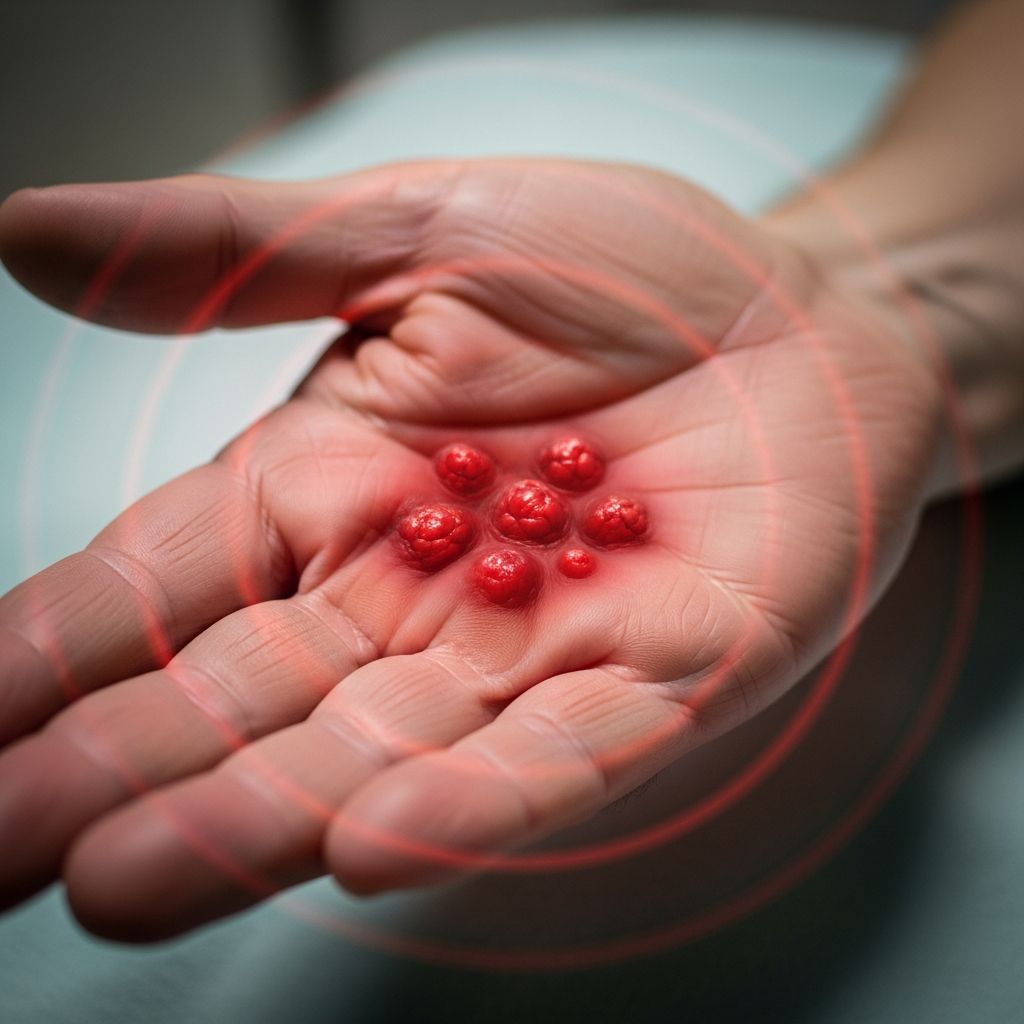
Authoritative facts about Familial Mediterranean Fever (FMF): this autosomal recessive autoinflammatory disease causes recurrent episodes of fever, serositis, arthritis, and erysipelas-like erythema, with potential amyloidosis complications.
What is familial Mediterranean fever?
Familial Mediterranean fever (FMF) is a hereditary autoinflammatory disorder characterized by recurrent, self-limited attacks of fever accompanied by serositis (inflammation of serous membranes), arthritis, and skin manifestations. These episodes typically last 12-72 hours and resolve spontaneously, but untreated cases risk AA amyloidosis leading to renal failure.
Primarily affecting individuals of Mediterranean descent, including Jewish, Armenian, Arab, Turkish, and Italian populations, FMF arises from mutations in the MEFV gene on chromosome 16, which encodes pyrin (marenostrin), a protein regulating inflammasome activity and interleukin-1β production. Type 1 FMF involves inflammatory attacks, while rare Type 2 features systemic inflammation without serositis.
Attacks are triggered by stress, infections, or menstruation, with prodromal symptoms like malaise preceding them. Without treatment, frequency increases, heightening amyloidosis risk.
Who gets familial Mediterranean fever?
FMF predominantly impacts people with Eastern Mediterranean, Middle Eastern, or North African ancestry. Carrier frequency reaches 1:5-1:15 in high-risk groups like non-Ashkenazi Jews, Armenians, Arabs, and Turks.
- Age of onset: Usually childhood (5-15 years), 80-90% before age 20; rare adult-onset cases.
- Sex distribution: Equal in males and females.
- Prevalence: Highest in Sephardic Jews (1:200-1:1000), Armenians (1:180), Arabs (1:5000), and Turks; rare elsewhere but reported globally due to migration.
Family history is common, with autosomal recessive inheritance requiring two mutated MEFV alleles.
What causes familial Mediterranean fever?
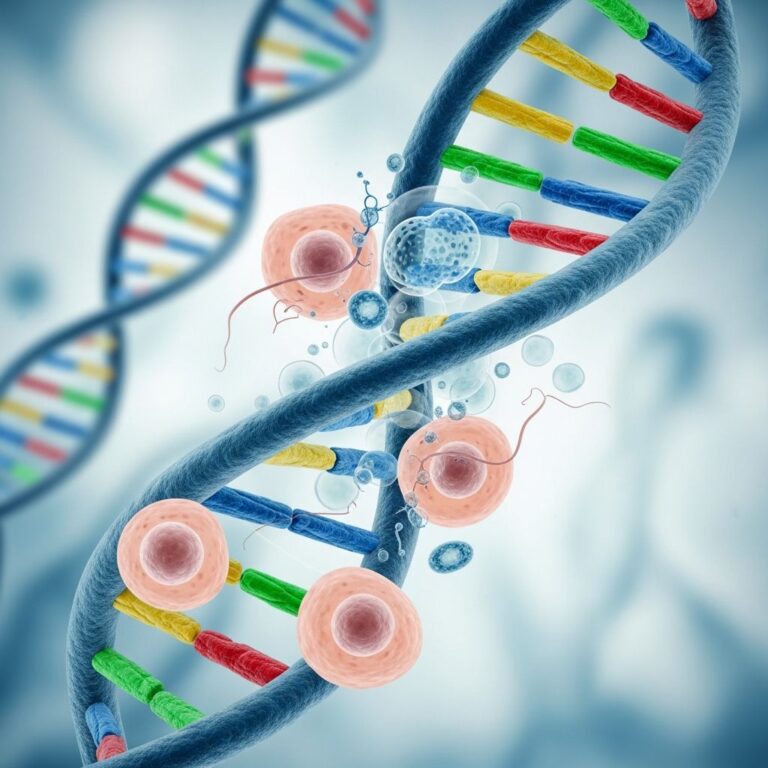
FMF results from biallelic mutations in the MEFV gene, leading to overactive pyrin and excessive IL-1β release, causing uncontrolled inflammation. Over 30 mutations identified, with M694V (most severe, amyloidosis-prone), V726A, M680I common.
- Pathophysiology: Mutant pyrin fails to inhibit inflammasome, triggering neutrophil influx and serositis.
- Triggers: Idiopathic, but infections, trauma, stress, or hormonal changes provoke attacks.
What are the clinical features of familial Mediterranean fever?
FMF attacks are stereotyped: abrupt onset, peak in hours, resolve in 12-72 hours (arthritis longer, up to weeks). Fever (≥38°C) accompanies 99% of attacks.
Sites of inflammation
- Peritonitis (abdominal attacks): 85-95%; severe pain mimicking appendicitis, rigidity, rebound tenderness; diarrhea/vomiting possible.
- Pleuritis/pleuropericarditis: 30-50%; unilateral chest pain, dyspnea.
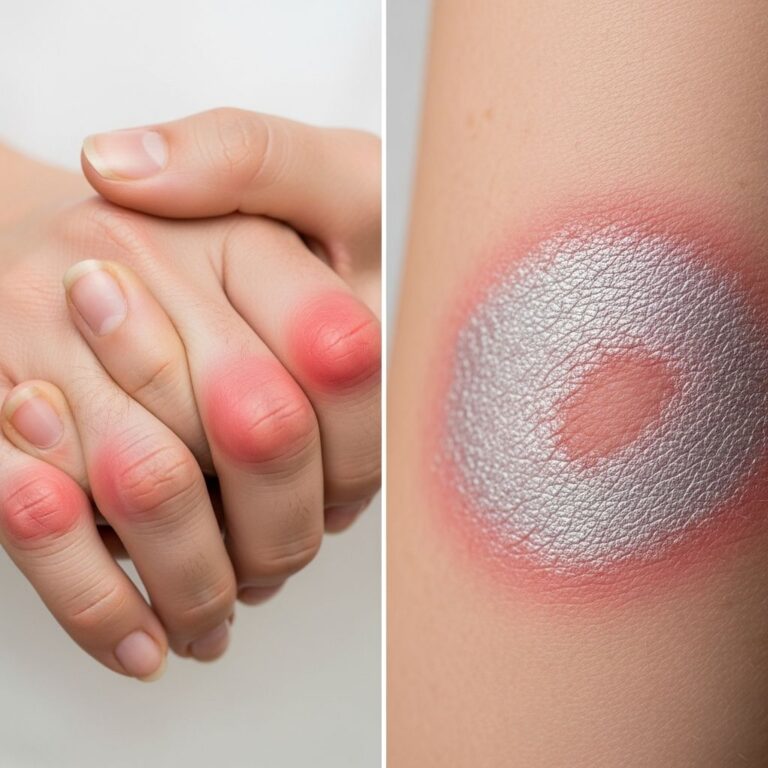
- Arthritis/arthralgia: 75%; mono/oligoarthritis (knee, ankle, hip); protracted (weeks-months), effusions, erosions rare.
- Skin lesions: Erysipelas-like erythema (3-25%); tender red plaques on lower legs, feet, ankles.
- Myalgia/exertional leg pain: 40%; calf/hip pain.
- Other: Scrotal pain (5%, orchitis), headaches, aseptic meningitis (rare).
Type 2 FMF
Rare; amyloidosis or elevated acute-phase reactants without typical attacks.
Diagnosis of familial Mediterranean fever
Clinical diagnosis uses Tel-Hashomer or Livneh criteria, confirmed by genetic testing. No single lab test diagnostic; acute phase reactants (ESR, CRP) rise during attacks, normalize between.
Tel-Hashomer criteria
| Major criteria | Minor criteria |
|---|---|
| Recurrent febrile episodes with serositis | Recurrent febrile episodes |
| AA amyloidosis without predisposing disease | Erysipelas-like erythema |
| Favourable colchicine response | FMF in first-degree relative |
Diagnosis: ≥2 major or 1 major + 2 minor.
Livneh simplified criteria
| Major (typical attacks) | Minor (incomplete attacks) |
|---|---|
| Generalized peritonitis | Chest |
| Unilateral pleuritis/pericarditis | Joint (non-hip/knee/ankle) |
| Monoarthritis (hip/knee/ankle) | Exertional leg pain |
| Fever alone | Colchicine response |
Related Stories



Typical attacks: ≥3 recurrent febrile (≥38°C), 12h-3d duration. Diagnosis: ≥1 major or ≥2 minor.
Genetic testing: Detects mutations (homo/compound heterozygote); negative in 20-30% phenotype-positive. Differential: infections, IBD, rheumatic fever, periodic syndromes.
Complications of FMF
AA amyloidosis: Most serious; renal deposition causes proteinuria, nephrotic syndrome, ESRD (10-20% untreated high-risk). Higher with M694V.
- Monitor: Annual urine protein/creatinine, serum amyloid A.
- Biopsy: Rectal/kidney if proteinuria.
Other: Protracted arthritis, infertility (amyloid), vasculitis.
Management and treatment of FMF
Lifelong daily colchicine (1-2 mg) prevents attacks (90% response), averts amyloidosis.
- Dosing: Adults 1.2-1.8 mg/d; children 0.5-1.5 mg/d; adjust for side effects (diarrhea, myopathy).
- Refractory cases: IL-1 blockers (anakinra, canakinumab).
- Attack management: NSAIDs, opioids; avoid surgery.
- Pregnancy: Continue colchicine (safe).
Prevention of amyloidosis in FMF
Colchicine eliminates amyloidosis risk in compliant patients. Screen high-risk (Turkish, M694V): SAA, proteinuria. Dialysis/transplant for ESRD.
What’s new in FMF?
Recent advances: MEFV testing guidelines, biologics for colchicine resistance, canakinumab approval (2023 data).
Frequently asked questions (FAQs) in FMF
Q: Is FMF curable?
A: No cure, but colchicine controls symptoms and prevents complications lifelong.
Q: Can FMF skip generations?
A: No, autosomal recessive; carriers asymptomatic, affected need two mutations.
Q: Does FMF affect life expectancy?
A: Normal with treatment; untreated amyloidosis shortens via renal failure.
Q: Is genetic testing necessary?
A: Supportive; diagnoses 70-80%, guides counseling.
Q: Can children with FMF play sports?
A: Yes, with colchicine; avoid triggers.
References
- Familial Mediterranean fever; diagnosis, treatment, and … — von B Bashardoust. 2015. https://pmc.ncbi.nlm.nih.gov/articles/PMC5297479/
- Familiar mediterranean fever (FMF) – Medizin 3 — UK-Erlangen. Accessed 2026. https://www.medizin3.uk-erlangen.de/en/patients/clinical-pictures-and-diseases/familiar-mediterranean-fever-fmf/
- Familial Mediterranean fever – Symptoms & causes — Mayo Clinic. Accessed 2026. https://www.mayoclinic.org/diseases-conditions/familial-mediterranean-fever/symptoms-causes/syc-20372470
- Familial Mediterranean Fever — PRINTO. 2016. https://www.printo.it/pediatric-rheumatology/IE/info/pdf/20/2/Familial-Mediterranean-Fever
- Familial Mediterranean Fever – Children’s Health Issues — MSD Manuals. Accessed 2026. https://www.msdmanuals.com/home/children-s-health-issues/hereditary-periodic-fever-syndromes/familial-mediterranean-fever
Similar Articles








Read full bio of Sneha Tete