Family Eye Safety Guide: Expert Tips For 2025
Essential strategies to safeguard vision for every family member during gatherings, play, and daily life.

Protecting the vision of every family member is crucial, especially during lively gatherings or outdoor adventures. Simple habits can prevent injuries, reduce strain, and promote long-term eye health across all ages.
Understanding Common Eye Risks in Family Settings
Family events often involve barbecues, games, water play, and shared meals, each carrying potential hazards for eyes. Sparks from grills, flying balls, pool chemicals, and even sand can lead to irritation or serious damage. Statistics show nearly 18,000 sports-related eye injuries occur annually in U.S. emergency rooms, many preventable with basic precautions. Children and active adults face higher risks, making proactive measures essential.
Indoor activities like board games or movie nights introduce digital strain, while holiday decorations or crafts pose poking dangers. Recognizing these threats allows families to prepare effectively, ensuring joyful times without vision worries.
Essential Protective Gear for Active Families
Investing in proper eyewear is the first line of defense. For sports like baseball, basketball, or tennis, polycarbonate goggles are recommended over regular glasses, as they secure firmly and withstand impacts.
- Sports and Play: Choose wraparound styles for yard games or biking to block debris from all angles.
- Yard Work: Safety goggles prevent grass clippings or tools from causing harm during mowing or gardening.
- Home Projects: Use sealed goggles with side shields for painting, cleaning, or repairs.
Regular glasses often fail in high-risk scenarios due to poor fit and material fragility. Families should keep a variety of sizes on hand, ensuring even kids have properly fitted options.
Shielding Eyes from Sun and UV Exposure
UV rays harm eyes year-round, raising risks for cataracts and surface burns, even on overcast days. Sunglasses blocking 99-100% UVA/UVB are non-negotiable for outdoor family fun.
| Activity | Recommended Protection |
|---|---|
| Beach Days | Wraparound polarized lenses |
| Hiking/Camping | UV400-rated shades with straps |
| Daily Walks | Basic full-coverage sunglasses |
| Winter Play | UV glasses over snowy reflections |
Prescription sunglasses or clip-ons extend protection to those needing vision correction. Teach kids to wear them consistently, pairing with hats for added shade.
Preventing Irritation from Fire, Smoke, and Elements
Campfires and barbecues are reunion staples, but smoke irritates eyes and can cause temporary vision blur or fainting if inhaled deeply. Maintain a safe distance, position upwind, and supervise children closely.
- Avoid rubbing eyes exposed to smoke; rinse gently with water instead.
- For sand at beaches, flush with clean running water—never rub, to protect the cornea.
- Steer clear of direct fire gazing to prevent burns or ash entry.
During windy gatherings, indoor alternatives reduce exposure. Post-event, artificial tears soothe minor dryness.
Water Safety: Pools, Lakes, and Oceans
Swimming invites chlorine sting, pH imbalances, or bacterial risks. Test pool levels daily; high chlorine reddens eyes. Goggles shield during dives or laps.
In natural waters, avoid dunking heads near contaminated shores. After swimming:
- Rinse eyes with fresh water.
- Remove contacts immediately to prevent absorption of irritants.
- Pat dry gently, avoiding shared towels.
Related Stories



Families with pools should schedule professional maintenance quarterly for optimal safety.
Digital Wellness During Indoor Gatherings
Shared screens for photos, games, or videos strain eyes amid close seating. The 20-20-20 rule counters this: every 20 minutes, gaze 20 feet away for 20 seconds.
Optimize setups:
- Position screens at arm’s length, slightly below eye level.
- Use ambient lighting to cut glare.
- Enable blue light filters post-sunset.
Alternate activities like walks or charades to balance screen time, especially for kids prone to fatigue.
Contact Lens and Hygiene Best Practices
For lens wearers, family hygiene lapses amplify infection risks. Wash hands thoroughly before insertion/removal.
- Never sleep in lenses unless approved overnight types.
- Replace cases monthly; clean daily with fresh solution.
- Avoid tap water exposure during swimming or showers.
Annual optometrist checks verify fit and prescription, catching early issues.
Nutrition and Lifestyle for Lasting Vision
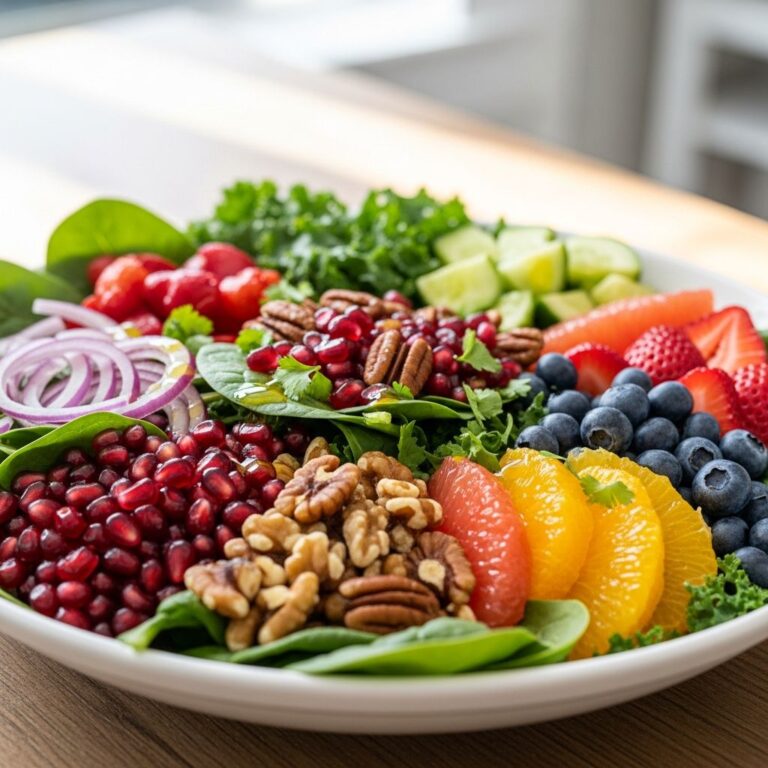
A nutrient-rich diet bolsters eye resilience. Leafy greens, colorful produce, and fish supply lutein, zeaxanthin, and omega-3s. Hydration flushes irritants.
Other habits:
- Maintain healthy weight to curb diabetes-related vision threats.
- Quit smoking, as it accelerates age-related macular degeneration.
- Ensure home lighting prevents slips; install handrails.
Regular Vision Checkups for All Ages
Comprehensive dilated exams detect silent issues like glaucoma. Know family history for personalized risks. Update prescriptions yearly to avoid strain headaches.
Schedule around gatherings: pre-reunion checks ensure optimal vision for photos and games.
Toy and Holiday Safety Measures
Toys with small parts or sharp edges risk scratches. Match age guidelines; supervise complex play. Store crafts securely post-use.
Holiday lights demand goggles for stringing; avoid toxic plants near eyes. Rich foods warrant balanced intake to stabilize blood sugar affecting vision.
First Aid for Minor Eye Mishaps
Act swiftly but calmly:
| Issue | Immediate Action |
|---|---|
| Foreign Object | Flush with saline; seek care if persistent |
| Chemical Splash | Rinse 15+ minutes; call poison control |
| Scratch/Redness | Cold compress; professional eval if pain lasts |
Never use home remedies like spit. ER for vision loss, severe pain, or blood.
FAQs
Are regular glasses enough for sports?
No, they lack impact resistance and secure fit. Opt for polycarbonate sports gear.
How often should families get eye exams?
Annually for all, or sooner if symptoms arise.
Do kids need sunglasses?
Yes, UV exposure accumulates lifelong; choose fun, durable pairs.
What if sand gets in an eye?
Flush gently with water; avoid rubbing.
Can diet really protect eyes?
Yes, antioxidants from fruits/veggies reduce degeneration risks.
Building a Family Eye Safety Routine
Integrate tips via checklists: gear kits for outings, reminder apps for 20-20-20, shared calendars for exams. Educate through games, rewarding compliance. These steps transform awareness into habits, preserving sight for future reunions.
References
- How to Protect Your Eyes: 6 Essential Tips for Eye Health — Harmony Healthcare LI. 2023. https://www.harmonyhealthcareli.org/how-to-protect-your-eyes-6-essential-tips-for-eye-health/
- 6 Vision Safety Tips To Share With The Family This Summer — OCLI. 2023. https://www.ocli.net/blog/6-vision-safety-tips-to-share-with-the-family-this-summer/
- The Yearly Family Eye Care Checklist — GT Eye Clinic. 2023. https://www.gteyeclinic.com/the-yearly-family-eye-care-checklist/
- Keep Your Family’s Eyes Healthy and Happy During Safe Toys and Celebrations Month — Eye Care Med. 2023. https://www.eyecaremed.com/uncategorized/keep-your-familys-eyes-healthy-and-happy-during-safe-toys-and-celebrations-month/
- Healthy Vision Tips — National Eye Institute (NIH). 2024-02-23. https://www.nei.nih.gov/eye-health-information/healthy-vision/nei-for-kids/healthy-vision-tips
- 5 Tips for Healthy Eye Safety Habits in Your Home — LO Eye. 2023. https://www.loeye.com/5-tips-for-healthy-eye-safety-habits-in-your-home/
- Practical Eye Safety Tips You Can Use — Precision Eye Sky. 2023-01-24. https://precisioneyesky.com/2023/01/24/practical-eye-safety-tips-you-can-use/
- Taking Care of Your Eyes — Centers for Disease Control and Prevention (CDC). 2025. https://www.cdc.gov/vision-health/prevention/taking-care-of-your-eyes.html
Similar Articles








Read full bio of medha deb