Family-Favorite High-Protein Sheet Pan Dinners
Easy, nutritious sheet pan dinners packed with protein for busy families.
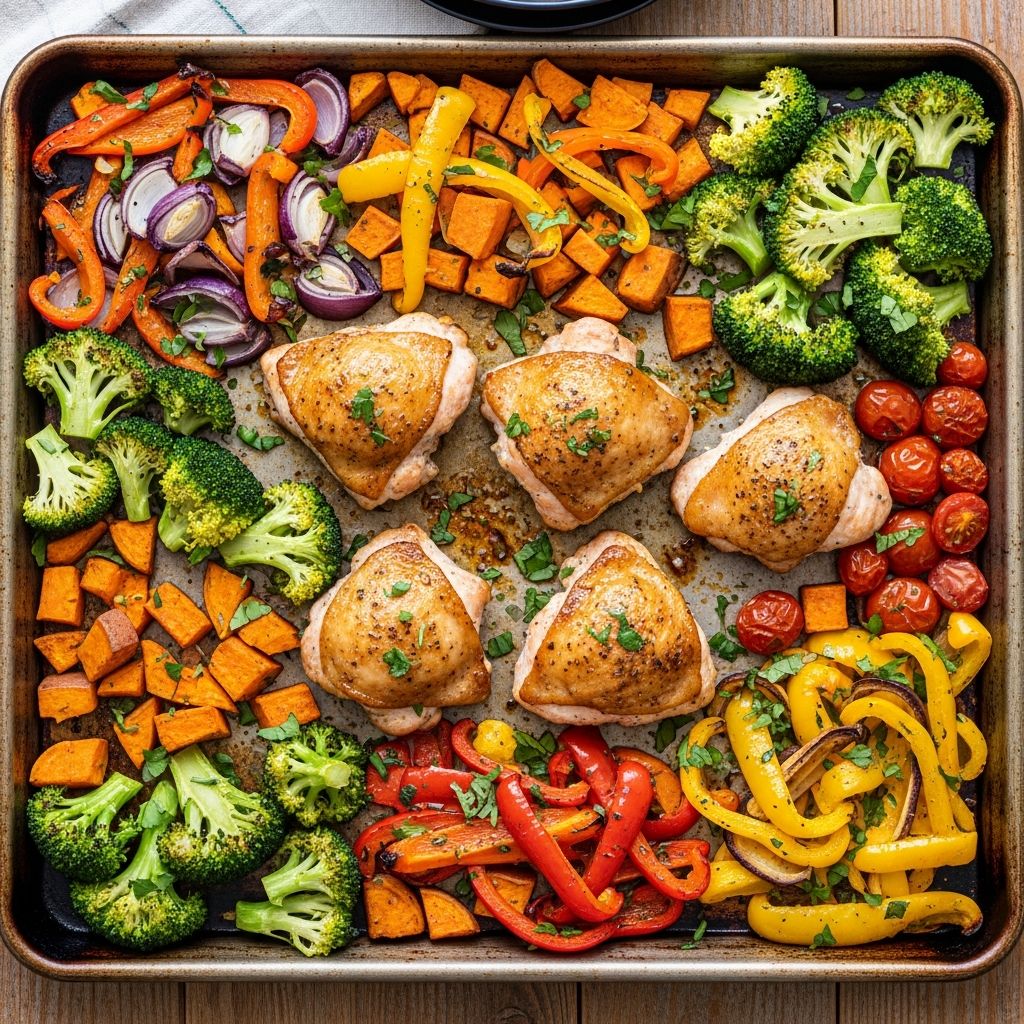
Family-Favorite High-Protein Sheet Pan Dinners: Easy, Nutritious Solutions for Busy Families
Sheet pan dinners have become a game-changer for families seeking quick, wholesome meals without the hassle of multiple dishes and complicated cooking procedures. These versatile one-pan wonders combine proteins, vegetables, and seasonings on a single baking sheet, transforming dinner preparation into an effortless endeavor. When crafted with high-protein ingredients, sheet pan dinners provide not only exceptional flavor but also the nutritional foundation necessary for healthy family living.
High-protein sheet pan dinners are particularly valuable for families managing busy schedules. From young professionals to active children, protein requirements vary across household members, yet a single well-designed sheet pan meal can satisfy everyone’s nutritional needs while delivering restaurant-quality taste.
Why Sheet Pan Dinners Work for Families
Sheet pan dinners offer multiple advantages that make them ideal for contemporary family life. The primary benefit involves time efficiency—preparation, cooking, and cleanup all happen with minimal effort. Unlike traditional multi-pot cooking methods, sheet pan dinners consolidate everything onto one surface.
- Minimal Cleanup: One pan means one item to wash, dramatically reducing post-dinner cleanup time and frustration.
- Simplified Preparation: Everything cooks simultaneously, with no need to monitor multiple burners or coordinate different cooking times.
- Consistent Cooking: Oven heat distributes evenly across the sheet pan, ensuring all components cook uniformly without burning or undercooking.
- Cost-Effective Ingredients: Sheet pan recipes often utilize affordable proteins and seasonal vegetables, keeping grocery budgets manageable.
- Customizable Options: Family members with different preferences can easily substitute ingredients without affecting the entire meal.
- Make-Ahead Flexibility: Many sheet pan dinners allow for advance preparation, with assembly happening shortly before baking.
Understanding Protein Requirements in Family Nutrition
Protein serves as the building block for muscles, bones, skin, and virtually all body tissues. The American Dietary Guidelines recommend varying protein amounts based on age, sex, and activity level. Children require approximately 1.0 to 1.2 grams per kilogram of body weight, while adults need around 0.8 grams per kilogram. However, active individuals and growing teenagers may require additional protein for optimal development and recovery.
Incorporating high-protein ingredients into family meals ensures that everyone, from young children to active teens, receives adequate nutrition for growth, energy, and overall health. Sheet pan dinners make this nutritional goal achievable without requiring separate meals or complex dietary planning.
Best Protein Sources for Sheet Pan Dinners
Successful high-protein sheet pan dinners begin with selecting quality protein sources that cook well in an oven environment and appeal to family palates.
Chicken Breast and Thighs
Chicken remains the most versatile and accessible protein for sheet pan cooking. Boneless, skinless chicken breasts offer lean protein with minimal fat, while thighs provide richer flavor and stay moist during cooking. A 3-ounce serving of cooked chicken breast contains approximately 26 grams of protein, making it an excellent choice for muscle-building family meals.
Ground Turkey and Lean Beef
Ground proteins work beautifully in sheet pan preparations, whether formed into meatballs, crumbled into seasoned portions, or combined with vegetables. Lean ground beef (93% lean or higher) provides iron and B vitamins alongside quality protein, while ground turkey offers a lighter alternative.
Related Stories



Fish and Seafood
Salmon, cod, and shrimp cook quickly on sheet pans and provide omega-3 fatty acids alongside protein. These options are particularly valuable for families looking to incorporate heart-healthy fats and explore diverse flavor profiles beyond poultry and beef.
Plant-Based Proteins
For vegetarian or mixed-preference families, tofu, tempeh, and legumes provide satisfying protein options. Pressed and marinated tofu absorbs flavors beautifully, while legumes contribute fiber along with protein, supporting digestive health.
Essential Vegetables for Balanced Sheet Pan Meals
Vegetables transform sheet pan dinners from simple protein dishes into nutritionally complete meals. Choose vegetables with similar cooking times or cut them appropriately to ensure uniform doneness.
- Cruciferous Vegetables: Broccoli, cauliflower, and Brussels sprouts benefit from initial tossing with oil to encourage browning and develop nutty flavors.
- Root Vegetables: Carrots, potatoes, and sweet potatoes should be cut into smaller pieces to ensure they cook through in the same timeframe as proteins.
- Summer Vegetables: Zucchini, bell peppers, and summer squash cook quickly and should be added to sheet pans in the final cooking stages if other ingredients require extended heat.
- Leafy Additions: Fresh greens like kale or spinach can be tossed with cooked components just before serving, providing fresh texture and additional nutrients without requiring extra cooking time.
- Allium Vegetables: Onions and garlic develop sweet, caramelized flavors when roasted, enhancing the overall dish complexity.
Seasoning Strategies for Family-Friendly Flavor
Seasoning sheet pan dinners requires balancing bold flavors with family-friendly preferences. Rather than applying complex spice blends that might alienate younger or pickier eaters, consider these seasoning approaches:
Simple Herb Combinations: Italian herbs (oregano, basil, thyme), Mediterranean combinations (garlic, lemon, herbs), or Asian-inspired blends (ginger, soy sauce, sesame oil) provide recognizable flavors everyone enjoys.
Citrus and Acid: Fresh lemon juice, lime zest, and vinegar brighten dishes without introducing heat levels that might deter younger palates.
Gradual Heat Introduction: For families developing tolerance for spicy foods, mild options like smoked paprika or a light sprinkle of red pepper flakes allow customization without compromising the base recipe.
Quality Oils: Extra virgin olive oil, avocado oil, or sesame oil contribute nutritional value and flavor depth, transforming simple ingredients into restaurant-quality preparations.
Temperature and Timing Guidelines
Achieving perfectly cooked sheet pan dinners requires understanding proper oven temperatures and cooking durations. Most sheet pan dinners cook at 400-425°F (200-220°C), balancing thorough cooking with reasonable timing.
Protein cooking times vary significantly based on type, thickness, and whether items are cut into uniform pieces. Chicken breasts (¾-inch thick) typically require 12-15 minutes, while thicker cuts may need 18-20 minutes. Ground proteins cook faster, generally completing in 12-15 minutes. Fish fillets cook in just 10-12 minutes, requiring careful timing to prevent overcooking.
Insert a meat thermometer into the thickest portion to verify doneness: chicken reaches safe temperatures at 165°F (74°C), ground meats at 160°F (71°C), and fish at 145°F (63°C).
Step-by-Step Preparation Instructions
Preparation Phase (10-15 minutes)
- Preheat oven to desired temperature, allowing it to reach consistent heat before adding sheet pan
- Pat proteins dry with paper towels, removing excess moisture that prevents browning
- Cut vegetables into uniform pieces, ensuring even cooking across all components
- Combine seasonings in small bowl for efficient application
- Line sheet pan with parchment paper or light aluminum foil for simplified cleanup
Assembly Phase (5 minutes)
- Arrange proteins in single layer across sheet pan
- Distribute vegetables around proteins, avoiding dense clusters
- Drizzle with oil and sprinkle with seasonings
- Toss gently if recipe allows, ensuring even coating without damaging delicate proteins
Cooking Phase (12-25 minutes)
- Place sheet pan in preheated oven on middle rack for optimal heat distribution
- Check progress midway through cooking if desired, though not necessary for most recipes
- Verify doneness using meat thermometer rather than relying solely on appearance
Popular High-Protein Sheet Pan Dinner Ideas
Garlic Herb Chicken with Roasted Vegetables: Boneless chicken breasts seasoned with garlic, thyme, and rosemary, accompanied by roasted carrots, potatoes, and green beans.
Mediterranean Salmon Sheet Pan: Salmon fillets with lemon, olives, and cherry tomatoes, offering omega-3 fatty acids and heart-healthy benefits alongside satisfying protein content.
Mexican-Inspired Ground Turkey Taco Sheet Pan: Seasoned ground turkey with black beans, corn, and bell peppers, buildable into tacos with fresh toppings for interactive family dining.
Asian-Style Chicken Thighs: Moist chicken thighs with soy sauce, ginger, and sesame oil, served alongside bok choy and broccoli for an exotic yet accessible family meal.
Sheet Pan Sausage and Vegetables: Italian or chicken sausages with roasted zucchini, bell peppers, and onions, delivering robust flavors with minimal effort.
Nutritional Benefits of High-Protein Sheet Pan Dinners
High-protein sheet pan dinners deliver multiple nutritional advantages beyond simply meeting protein requirements. Proteins promote satiety, helping family members feel satisfied longer and reducing unhealthy snacking between meals. The combination of protein with fiber-rich vegetables supports stable blood sugar levels and sustained energy throughout afternoon and evening hours.
By cooking complete meals on single sheet pans without added refined carbohydrates or excessive oils, families naturally maintain portion control and nutritional balance. The inclusion of colorful vegetables ensures diverse micronutrient intake, with various vegetables contributing different vitamins, minerals, and phytonutrients essential for optimal health.
Storage and Meal Planning Tips
Sheet pan dinners prepare exceptionally well for meal planning. Cooked portions store safely in glass containers for three to four days, making them ideal for lunch repurposing or busy weeknight reheating. Freeze leftover cooked sheet pan dinners in portion-sized containers for up to three months, creating convenient backup meals during especially hectic weeks.
Prepare sheet pans the evening before, storing assembled (but uncooked) pans in refrigerators overnight. Simply transfer to the oven when ready to cook, dramatically reducing actual cooking day effort. This strategy proves particularly valuable for families managing multiple after-school activities or evening commitments.
Frequently Asked Questions
Q: Can I prep sheet pan dinners in advance?
A: Yes, you can assemble sheet pans up to 24 hours ahead. Store the assembled (uncooked) pan in the refrigerator and transfer directly to the oven when ready to cook. You may need to add 2-3 minutes to cooking time since the ingredients start cold.
Q: What’s the best way to prevent vegetables from burning?
A: Cut vegetables into uniform sizes so they cook evenly, avoid overcrowding the pan, and toss everything together with oil before baking. If using vegetables with significantly different cooking times, add quicker-cooking items halfway through.
Q: Can I use frozen vegetables for sheet pan dinners?
A: Yes, but thaw and drain them first to remove excess moisture. Pat them dry with paper towels before roasting. You may need to reduce cooking time by a few minutes since frozen vegetables start partially cooked.
Q: How do I keep chicken moist while cooking on a sheet pan?
A: Use chicken thighs instead of breasts when possible—they contain more fat and stay moister. For breasts, pound them to uniform thickness, don’t overcook (use a meat thermometer), and let them rest a few minutes after cooking.
Q: What type of sheet pan works best?
A: Heavy-duty aluminum sheet pans with raised edges (18×13 inches) distribute heat most evenly. Avoid thin, flimsy pans that can cause uneven browning. Line with parchment paper for easy cleanup.
Q: Can I make sheet pan dinners for specific dietary preferences?
A: Absolutely. Divide the sheet pan into sections for different proteins (chicken, tofu, fish) or vegetables, allowing family members with different preferences to enjoy the same meal framework with personalized components.
References
- Dietary Guidelines for Americans 2020-2025 — U.S. Department of Agriculture and U.S. Department of Health and Human Services. 2020. https://www.dietaryguidelines.gov/
- National Institutes of Health: Protein and Amino Acids — National Institutes of Health Office of Dietary Supplements. Accessed January 2026. https://ods.od.nih.gov/factsheets/Protein-HealthProfessional/
- Safe Minimum Internal Temperature Chart — USDA Food Safety and Inspection Service. January 2024. https://www.fsis.usda.gov/food-safety/safe-food-handling-and-preparation/food-safety-basics/safe-minimum-internal-temperature-chart
- Omega-3 Fatty Acids: An Essential Contribution to Optimal Health — Harvard T.H. Chan School of Public Health. 2024. https://www.hsph.harvard.edu/nutritionsource/omega-3-fats/
- Food Storage Guidelines for Refrigeration and Freezing — FoodSafety.gov (U.S. Department of Agriculture). January 2024. https://www.foodsafety.gov/food-storage/using-your-refrigerator-and-freezer-safely
Similar Articles








Read full bio of medha deb