Farmed or Wild: What’s the Best Salmon to Buy?
Uncover the nutritional, environmental, and health differences between farmed and wild salmon to make the smartest choice for your diet and heart health.
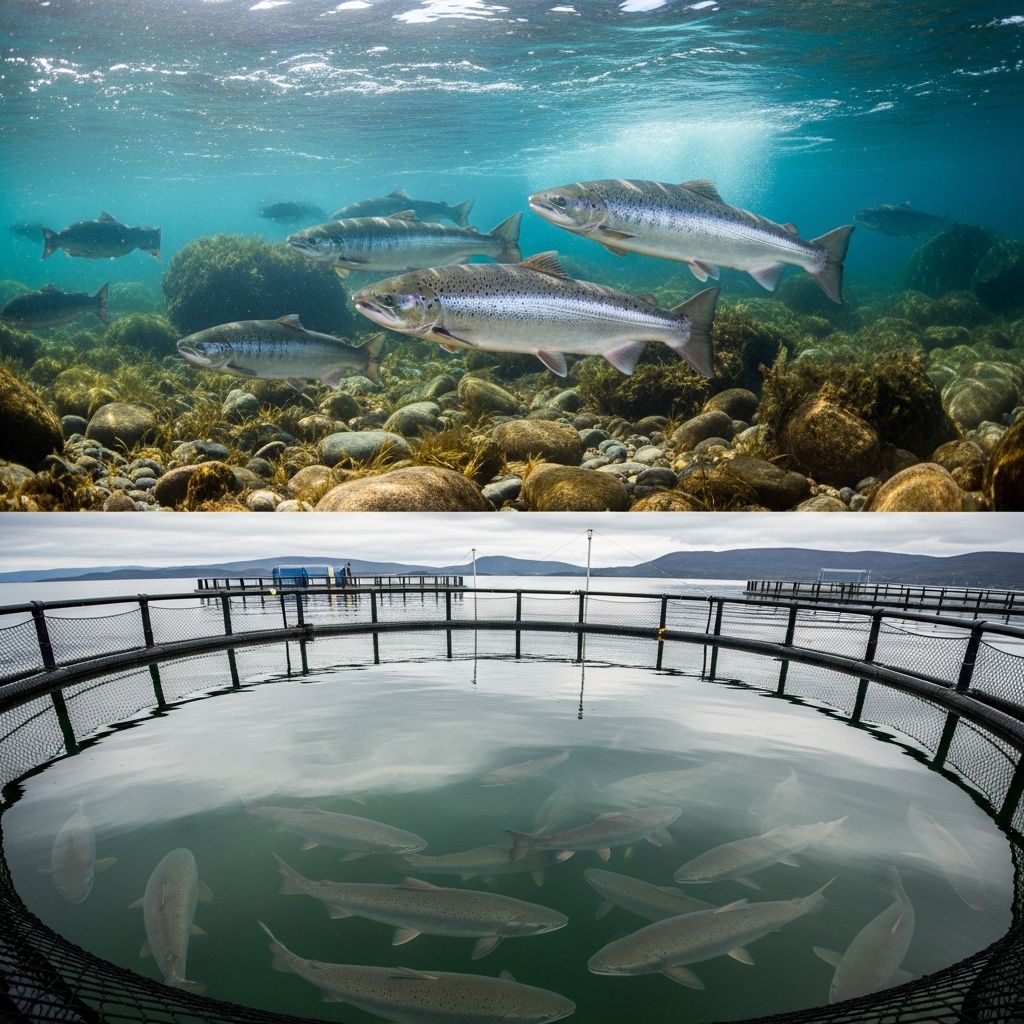
Salmon stands out as one of the most nutrient-dense foods, packed with
omega-3 fatty acids
that support heart health, reduce inflammation, and help manage cholesterol levels. But when standing in the grocery aisle, you’re faced with a choice: farmed or wild salmon? Each has unique advantages and drawbacks in terms of nutrition, contaminants, taste, price, and environmental impact. This comprehensive guide breaks down the differences to help you decide which is best for your health goals.Why Salmon Is a Heart-Healthy Choice
Salmon’s popularity stems from its rich profile of
EPA and DHA omega-3 fatty acids
, which lower triglycerides, reduce blood pressure, and prevent plaque buildup in arteries. The American Heart Association recommends two 3.5-ounce servings of fatty fish like salmon weekly to cut heart disease risk. Both farmed and wild varieties deliver these benefits, but their nutrient density varies due to diet and lifestyle differences.Wild salmon swim freely in oceans and rivers, foraging on krill, shrimp, and small fish, resulting in a leaner profile. Farmed salmon, raised in pens, receive formulated feeds high in fishmeal, grains, and oils, boosting fat content. Understanding these origins is key to evaluating their health impacts.
Nutrition Face-Off: Wild vs. Farmed Salmon
Nutritionally, wild salmon often edges out with superior vitamin and mineral content, while farmed offers higher omega-3s. A 3-ounce serving comparison highlights these disparities:
| Nutrient (per 3 oz serving) | Wild Salmon | Farmed Salmon |
|---|---|---|
| Calories | 120-140 | 180-220 |
| Total Fat | 5-7g | 12-15g |
| Omega-3s (EPA+DHA) | 1.2-1.8g | 1.8-2.5g |
| Protein | 22g | 20g |
| Vitamin D (IU) | 500-800 | 200-400 |
| Vitamin A (IU) | 150 | 40 |
| Saturated Fat | 1g | 3-4g |
Wild salmon wins on leanness and vitamins: It’s lower in calories and saturated fat, ideal for weight management and cholesterol control. Studies show wild Pacific salmon has eight times more vitamin D and three times more vitamin A than farmed Atlantic varieties, thanks to their natural diet.
Farmed salmon leads in omega-3s: Higher fat content means more omega-3s, beneficial for nervous system health and inflammation reduction. However, this fat also includes more saturated fats.
Contaminants and Safety Concerns
Both types carry risks from environmental pollutants, but farmed salmon accumulates more due to crowded pens and feed. Key concerns include:
- PCBs and POPs: Polychlorinated biphenyls (PCBs), a persistent organic pollutant (POP), are 5-16 times higher in farmed salmon. Linked to diabetes, obesity, and stroke risk in women.
- Dioxins: Wild Pacific salmon shows the lowest levels; these neurotoxins pollute waterways.
- Antibiotics: Farmed fish receive antibiotics to combat infections in dense farms, potentially fostering resistance.
- Heavy Metals and Plastics: Mercury and microplastics affect both, but wild may ingest more from prey.
Contaminants in farmed salmon exceed EPA frequent-consumption limits, though below FDA tolerances. Experts recommend wild for pregnant women and children. Remove skin from both to minimize exposure. Recent feed regulations have lowered levels in farmed salmon.
Related Stories



Taste, Texture, and Cooking Differences
Wild salmon boasts a firmer texture, vibrant color, and robust, earthy flavor from its diverse diet. It’s leaner, so it cooks faster and can dry out if overdone—ideal for grilling or broiling.
Farmed salmon is fattier, moister, and milder, with added astaxanthin for pink hue. This makes it forgiving for baking or pan-searing. The “color added” label indicates safe, natural pigments mimicking wild diets.
Environmental Impact: Sustainability Matters
Wild salmon fishing must be sustainable to avoid overharvesting. Look for Marine Stewardship Council (MSC) certification. Farmed salmon reduces wild pressure but raises issues: waste pollution, escaped fish interbreeding, and sea lice harming wild populations. Norway and Chile lead in better practices; ASC-certified farms prioritize eco-friendliness.
Opt for responsibly sourced options to support ocean health.
Cost and Availability
Wild salmon costs 1.5-3 times more ($15-30/lb) due to seasonal, limited catches (e.g., Alaskan sockeye in summer). Farmed is cheaper ($8-15/lb), year-round, and widely available.
For budget-conscious eaters, high-quality farmed from certified sources balances cost and benefits.
Which Should You Choose?
Choose wild if: Prioritizing low contaminants, lean protein, and natural nutrition. Best for cholesterol management and vulnerable groups.
Choose farmed if: Seeking higher omega-3s affordably. Select antibiotic-free, ASC-certified from clean regions like Scotland or Canada.
The consensus: Benefits outweigh risks for both in moderation (2 servings/week). Vary seafood sources and prioritize quality.
Frequently Asked Questions (FAQs)
Is farmed salmon safe to eat?
Yes, when from reputable sources. It provides ample omega-3s but monitor contaminants by choosing certified options.
Does farmed salmon have more omega-3s?
Yes, due to higher fat content (1.8-2.5g vs. 1.2-1.8g per serving), supporting heart health.
Is wild salmon worth the extra cost?
For lower contaminants and superior vitamins, yes—especially if budget allows. Otherwise, quality farmed suffices.
Can I eat salmon daily?
No, limit to 2-3 servings weekly to avoid pollutant buildup. Alternate with other low-mercury fish.
How to reduce contaminants in salmon?
Remove skin, choose wild or certified farmed, and diversify seafood intake.
Expert Tips for Buying and Preparing Salmon
- Labels: MSC for wild, ASC for farmed.
- Color: Wild is naturally deep red; farmed may say “color added” (safe astaxanthin).
- Storage: Fresh smells ocean-like; frozen retains nutrients.
- Prep: Grill wild at high heat; bake farmed low-and-slow.
Incorporate salmon into cholesterol-friendly meals like salads, tacos, or grilled fillets with veggies.
References
- Difference Between Wild and Farm-Raised Salmon — WebMD. 2023-05-15. https://www.webmd.com/diet/difference-between-wild-and-farmed-salmon
- Fish Faceoff: Wild Salmon vs. Farmed Salmon — Cleveland Clinic. 2024-02-20. https://health.clevelandclinic.org/fish-faceoff-wild-salmon-vs-farmed-salmon
- Farmed vs. Wild Salmon: Which is Better? — Oceanfood Sales (citing CTV News/UBC). 2023-11-10. https://oceanfoods.com/our-resources/farmed-vs-wild-salmon-which-is-better/
- Wild Salmon vs. Farmed Salmon: What’s the Difference? — North Coast Seafoods. 2024-08-05. https://www.northcoastseafoods.com/blogs/know-seafood/farm-raised-vs-wild-caught-salmon
- Which is Better: Wild Salmon or Farmed Salmon? — Healthline. 2024-01-12. https://www.healthline.com/nutrition/wild-vs-farmed-salmon
Similar Articles








Read full bio of Sneha Tete