Farmyard Pox Pathology: Essential Guide To Parapoxvirus Lesions
Comprehensive pathology of farmyard pox: orf, milker's nodules, and bovine papular stomatitis in humans and animals.
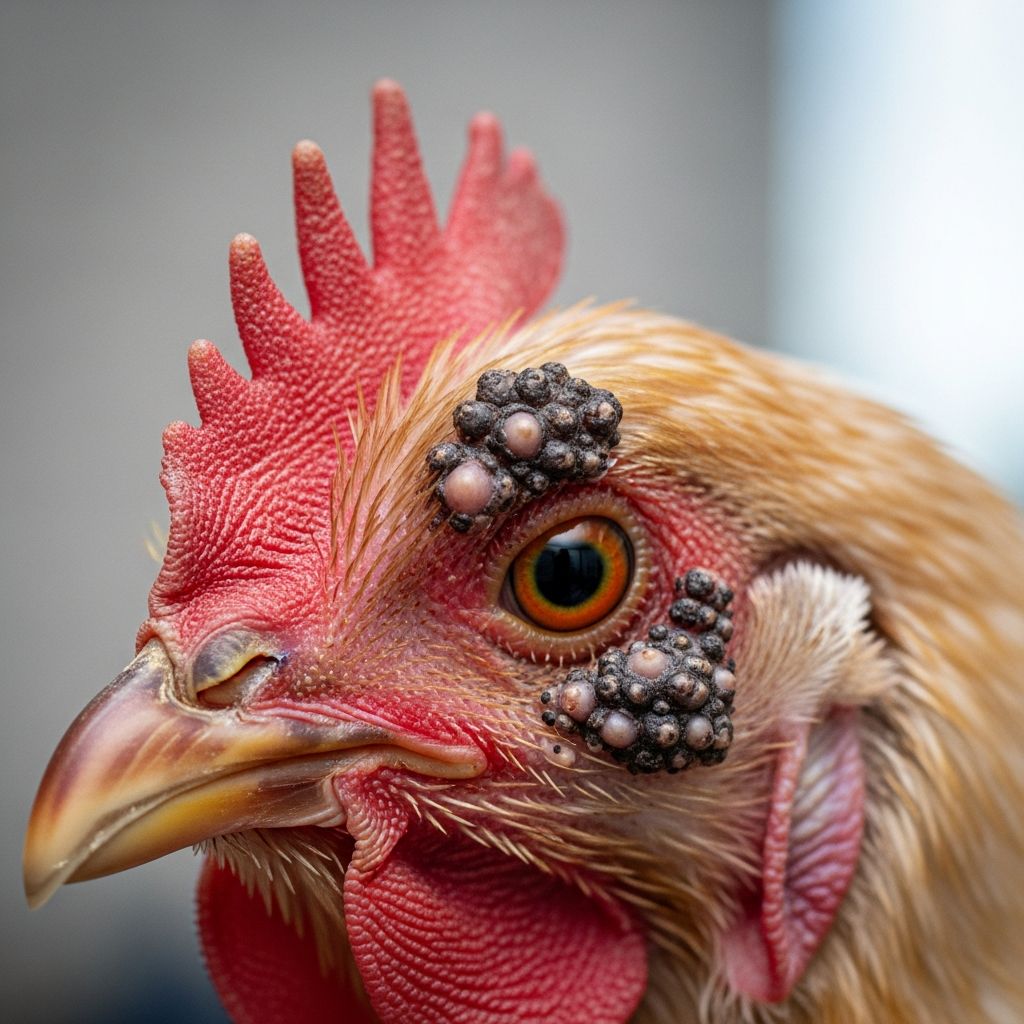
Farmyard pox refers to a group of zoonotic infections caused by parapoxviruses, primarily affecting livestock such as sheep, goats, and cows, and transmitted to humans through direct contact. These infections, including orf (contagious pustular dermatitis), milker’s nodules, and bovine papular stomatitis, manifest as characteristic skin lesions with distinct pathological features involving epidermal hyperplasia, dermal edema, and inflammatory infiltrates.
Introduction
Farmyard pox encompasses several parapoxviral zoonoses that are occupational hazards for veterinarians, farmers, shearers, and dairy workers. Orf, caused by the orf virus (Parapoxvirus orf), primarily infects sheep and goats, leading to pustular lesions around the mouth and teats. Milker’s nodules result from bovine papular stomatitis virus or pseudocowpox virus infections in cows, transmitted via milking. These viruses induce self-limiting cutaneous lesions in humans, progressing through stages of papule formation, nodule development, weeping, crusting, and regression.
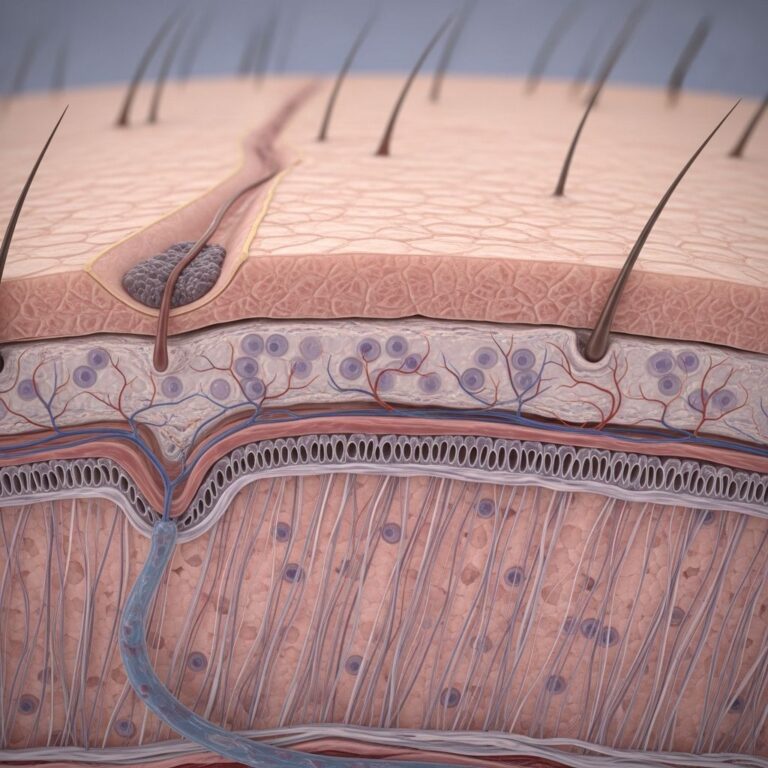
The pathology is characterized by marked epidermal hyperplasia, intraepidermal and subepidermal blistering, dermal swelling, and a dense mixed inflammatory infiltrate comprising lymphocytes, histiocytes, and eosinophils. Ballooning degeneration of keratinocytes and viral inclusions are hallmark microscopic findings. Human infections are typically benign but can lead to secondary complications like erythema multiforme or giant cell reactions.
Aetiology
Farmyard pox viruses belong to the genus Parapoxvirus within the family Poxviridae. Key members include:
- Orf virus: Infects sheep and goats, causing contagious pustular dermatitis (scabby mouth). It affects lambs’ oral mucosa, preventing suckling, and ewes’ teats, leading to mastitis.
- Bovine papular stomatitis virus (BPSV) and pseudocowpox virus: Cause milker’s nodules in humans via lesions on cows’ teats and calves’ mouths.
These viruses are brick-shaped with crossed filaments on electron microscopy, distinguishing them from orthopoxviruses. Transmission occurs via direct contact with infected animal lesions, fomites, or recently vaccinated animals. Human-to-human spread is unreported. Reinfection is common due to strain variability and short-lived immunity.
Clinical Features
In Animals
In sheep and goats, orf presents as papules and pustules on lips, muzzle, mouth, eyelids, feet, and teats. Lesions progress to thick, bleeding crusts. Lambs may suffer weight loss from impaired suckling, while ewes develop mastitis.
Cows exhibit mild teat infections (ring sores) and calf oral ulcers from BPSV or pseudocowpox.
In Humans
Human lesions appear after a 5-14 day incubation, typically on hands, fingers, forearms, or face at contact sites. Progression includes six stages:
- Maculopapular stage: Erythematous macules or papules.
- Target stage: Targetoid nodules with red halo and necrotic center.
- Acute stage: Weeping nodules.
- Regenerative stage: Drying nodules.
- Papilloma stage: Crusted, papillomatous growth.
- Regression stage: Spontaneous resolution, occasionally leaving granulomas.
Lesions are 0.5-5 cm, firm, red-blue nodules with grey crusts. They are mildly tender, non-painful, and resolve in 4-8 weeks. Lymphangitis, lymphadenopathy, fever, or malaise may occur. Secondary erythema multiforme (target lesions on extremities) affects 10% of cases 1-2 weeks post-onset.
Diagnosis
Diagnosis relies on clinical history of animal contact and lesion morphology. Differential includes orf vs. milker’s nodules (orf lesions larger, fewer; milker’s nodules smaller, multiple).
- Electron microscopy: Identifies parapoxvirus morphology.
- PCR: Confirms viral DNA.
- Histopathology: Essential for atypical cases (see below).
- Biopsy: Rarely needed but confirmatory.
Related Stories



Exclude mimics: cowpox, anthrax (black eschar), herpes, pyogenic granuloma, sporotrichosis.
Pathology
Histopathological hallmarks of farmyard pox are consistent across variants:
| Feature | Description |
|---|---|
| Epidermis | Marked acanthosis (hyperplasia), parakeratosis, spongiosis, intraepidermal vesicles with ballooning degeneration and reticular degeneration. Eosinophilic viral inclusions (A-type) in keratinocytes. |
| Dermoepidermal junction | Subepidermal blisters. |
| Dermis | Marked edema, dilated vessels, heavy lymphohistiocytic infiltrate with eosinophils and neutrophils. Perivascular and periadnexal distribution. |
| Advanced lesions | Giant cell reaction, granulomatous inflammation, pseudoepitheliomatous hyperplasia. |
Stratum corneum remains intact. Special stains (PAS, silver, acid-fast) are negative, ruling out fungi/mycobacteria. In regression phase, fibrosis and persistent viral antigen detection occur.
Complications
- Erythema multiforme: Targetoid rash on acral sites, self-limiting.
- Bullous pemphigoid-like or toxic erythemas: Rare hypersensitivity reactions.
- Secondary infection: Bacterial superinfection causing cellulitis.
- Lymphangitis/adenitis: Red streaks, swollen nodes.
- Giant papilloma: Persistent vegetative lesions requiring excision.
- Auto-inoculation: Spread to other sites, e.g., penis, face.
Differential Diagnosis
| Condition | Key Distinguishers |
|---|---|
| Cowpox/Orf vs. Milker’s nodule | Lesion number/size; animal exposure (sheep vs. cows). |
| Cutaneous anthrax | Black eschar, systemic symptoms; Gram stain positive. |
| Herpetic whitlow | Grouped vesicles, Tzanck smear positive. |
| Pyoderma/Sporotrichosis | Culture positive; satellite lesions. |
| Milker’s nodule vs. Camel pox | Geography (India); orthopoxvirus. |
Treatment
Symptom relief suffices as lesions self-resolve:
- Supportive: Elevate lesions, wet dressings, analgesics.
- Topical: Cidofovir, imiquimod, or retinoic acid for persistent cases (limited evidence).
- Intralesional: Interferon or steroids for inflamed lesions.
- Systemic: Aciclovir ineffective (DNA polymerase mismatch); antibiotics for secondary infection.
- Surgical: Excision for giant papillomas.
Prevention: Gloves, hygiene, animal vaccination.
Frequently Asked Questions (FAQs)
Q: Is farmyard pox contagious between humans?
A: No documented human-to-human transmission; strictly zoonotic.
Q: How long do farmyard pox lesions last?
A: 4-8 weeks, progressing through 6 stages to spontaneous resolution.
Q: Can farmyard pox cause serious complications?
A: Rare; includes erythema multiforme, secondary infection, or persistent granulomas.
Q: Who is at risk for farmyard pox?
A: Farmers, vets, shearers, dairy workers handling infected livestock.
Q: Is treatment with antivirals effective?
A: Limited; supportive care is primary. Cidofovir shows promise topically.
Prevention and Public Health
Vaccination of lambs reduces outbreaks. Humans should use protective gear. Notify public health for clusters, though not reportable like orthopoxviruses. Immunocompromised patients warrant monitoring.
References
- Milker’s nodules – DermNet — DermNet NZ. 2023. https://dermnetnz.org/topics/milkers-nodule
- Orf (disease) – Wikipedia — Wikipedia. 2025-01-15. https://en.wikipedia.org/wiki/Orf_(disease)
- Contagious Pustular Dermatitis (ORF) – MalaCards — MalaCards. 2024. https://www.malacards.org/card/contagious_pustular_dermatitis
- Orf Viral Infection – StatPearls — NCBI Bookshelf. 2023-11-20. https://www.ncbi.nlm.nih.gov/books/NBK562191/
- Orf – DermNet — DermNet NZ. 2023. https://dermnetnz.org/topics/orf
- Poxvirus infections in dermatology — Wiley Online Library. 2023-05-01. https://onlinelibrary.wiley.com/doi/10.1111/ddg.15257
Similar Articles








Read full bio of medha deb