Fart Walks: The Digestive Trend Doctors Actually Endorse
A simple post-meal walk that relieves bloating, improves digestion, and regulates blood sugar.
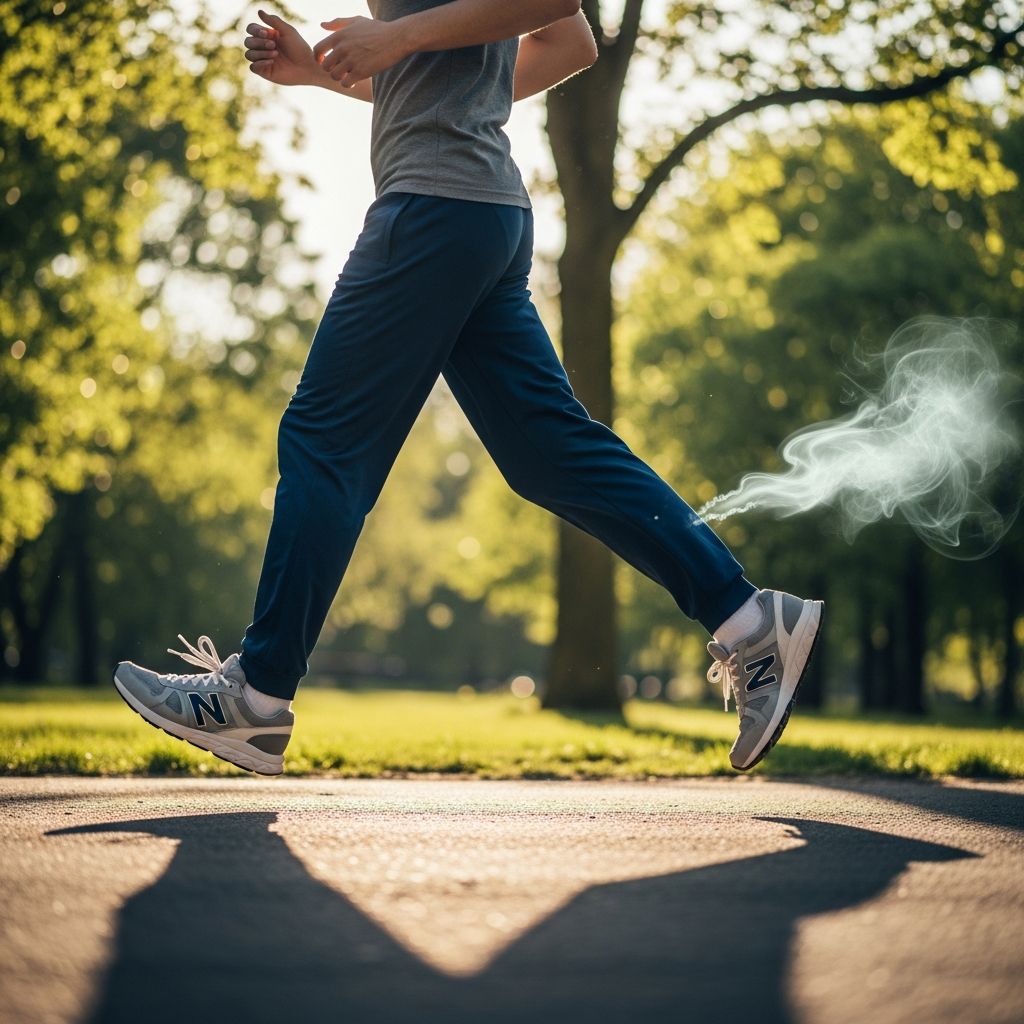
A trend has taken over social media that sounds silly but is surprisingly backed by science: the “fart walk.” What was once simply known as an after-dinner stroll has been rebranded with a catchy name that perfectly describes its primary benefit. While the name might make you chuckle, physicians and gastroenterologists are genuinely enthusiastic about this simple health practice. Unlike many wellness trends that emerge and fade, fart walks represent a legitimate, evidence-based approach to improving digestion and overall health.
What Exactly Is a Fart Walk?
A fart walk is a light-to-moderate paced walk taken shortly after eating a meal—ideally within about an hour of finishing dinner. The practice was popularized by Mairlyn Smith, a 70-year-old cookbook author who evangelizes on social media about eating high-fiber foods and walking after meals to promote healthy digestion and gas passage.
The concept is straightforward: instead of sitting on the couch after dinner, you take a brief stroll around your neighborhood, your home, or anywhere convenient. The name humorously references the fact that movement stimulates the digestive system to release accumulated gas through belching or flatulence—a completely natural and healthy bodily function.
Why Do We Feel Bloated After Eating?
Before understanding how fart walks help, it’s important to know why bloating occurs in the first place. According to Dr. David D. Clarke, a clinical assistant professor of gastroenterology emeritus at Oregon Health & Science University, feeling bloated after meals is remarkably common. This discomfort typically results from one or more of these factors: eating too much food at once, eating too quickly and swallowing excess air, or consuming beverages containing dissolved gas such as soda or beer.
When these situations occur, gas accumulates in the digestive tract, creating that uncomfortable, distended feeling in the abdomen. For many people, this bloating can last for hours, affecting their comfort and potentially their mood for the rest of the evening.
How Fart Walks Improve Digestion
The magic of fart walks lies in their ability to stimulate the digestive system through movement. As Dr. Christopher Damman, a gastroenterologist at the Digestive Health Center at UW Medical Center, explains: “The bowel does move well on its own, but it moves better when you move.”
When you walk after eating, you enhance the muscle contractions of the gastrointestinal tract—a wave-like movement called peristalsis. This enhanced muscular activity helps move food through your digestive system more efficiently and allows accumulated gas to pass as belches or flatulence. The result is faster stomach emptying and improved transit through the intestinal tract.
According to Dr. Shawn Khodadadian of Manhattan Gastroenterology, a fart walk helps relieve symptoms of bloating and gas while promoting healthy bowel motility. The enhanced movement also decreases the time that stomach acid is present in your stomach, which can provide relief for those who experience heartburn after meals.
Benefits Beyond Digestive Relief
Blood Sugar Regulation
One of the most significant benefits of fart walks extends beyond digestion. Research has long supported taking a postprandial (after-meal) walk for blood sugar management. Your blood sugar spikes within 60 to 90 minutes of eating, and fart walks can dramatically blunt this spike.
Dr. Damman notes that there is “decent literature that suggests that exercise immediately after meals can be disproportionately beneficial to regulating blood sugar levels.” In fact, studies have shown that even just five minutes of light-intensity walking significantly reduced postprandial glucose and insulin responses compared to sitting after a meal.
This blood sugar regulation is crucial because sharp spikes, especially from processed or sugary foods, can increase insulin resistance over time and contribute to the development of prediabetes or type 2 diabetes. By taking a fart walk, you help your muscles remove blood glucose from your bloodstream, reducing the demand on your pancreas to secrete insulin.
Cardiovascular and Metabolic Benefits
Beyond digestion and blood sugar, fart walks offer broader health advantages. Regular post-meal walking can help stave off weight gain, improve circulation, lower blood pressure, and support overall cardiovascular fitness. Dr. Khodadadian also suggests that fart walks may reduce the risk of developing type 2 diabetes—a significant public health concern affecting millions worldwide.
Mental Health Benefits
The benefits extend to mental wellness as well. The addition of aerobic exercise, even light walking, has been shown to improve stress, anxiety, and mild depression. This occurs through multiple mechanisms: reducing baseline cortisol levels over time, improving sleep quality, and increasing levels of important neurochemicals such as endorphins, dopamine, and serotonin.
Who Benefits Most from Fart Walks?
While fart walks are beneficial for virtually everyone, certain groups experience particularly pronounced advantages:
- People with IBS: Those with irritable bowel syndrome often report decreased sensation of gas and bloating when they incorporate regular movement into their routines.
- People with metabolic syndrome: The blood sugar regulation benefits are especially valuable for individuals managing metabolic syndrome.
- People at risk for diabetes: The insulin-sparing effects of post-meal walking make this practice particularly valuable for those with prediabetes or family histories of type 2 diabetes.
- People with heartburn: Those experiencing acid reflux may find relief from the faster stomach emptying that walking provides.
How to Get the Most Out of Your Fart Walk
Timing Is Critical
The timing of your fart walk is crucial for maximizing benefits, particularly for blood sugar control. Since blood glucose spikes begin within minutes after eating as your stomach starts to empty into the small intestine, you should aim to start your walk within about an hour of finishing your meal. Waiting too long will cause you to miss the initial blood sugar spike when the walk would be most beneficial.
Duration and Intensity
The good news is that fart walks don’t need to be lengthy or strenuous to be effective. Dr. Clarke recommends aiming for at least four to five minutes of light-to-moderate paced walking within about an hour of finishing a meal. This minimal time commitment makes fart walks accessible to virtually everyone.
For more sustained and comprehensive benefits, particularly for overall cardiovascular health and blood sugar regulation, aim for 30 to 60 minutes of moderate-paced walking on most days of the week. However, even short walks provide meaningful digestive and metabolic benefits.
Consistency Matters
While a single fart walk provides immediate digestive benefits, consistent practice over time yields greater advantages. Regular movement throughout the day helps your body regulate blood sugar more effectively overall. Additionally, consistent physical activity helps reduce stress levels, which dramatically impacts blood sugar regulation—when you’re acutely stressed, your body releases cortisol, which spikes blood glucose.
Important Precautions and Considerations
While walking is generally healthy and safe for most people, certain conditions warrant medical consultation before starting a fart walk routine. If you have recently had surgery, experience motility issues, suffer from significant abdominal distress, have arthritis, or have heart or lung issues, check with your doctor first.
It’s worth noting that some people with poor tone in the sphincter muscle at the junction of the esophagus and stomach might experience increased acid reflux when stomach contractions are stimulated by walking. Additionally, if you have diabetes and take medication to manage blood sugar, be aware that excessive exertion could theoretically cause hypoglycemia, so monitor your levels appropriately.
Dr. Khodadadian emphasizes that recommendations for fart walk duration and intensity may vary based on your individual medical history, but the goal is ultimately to engage in an appropriate level of exercise for your personal circumstances.
Beyond Fart Walks: Comprehensive Digestive Health
While fart walks offer genuine benefits, it’s important to recognize that they’re part of a larger picture of digestive health. If you experience regular bloating, it may indicate underlying conditions that walking alone cannot address.
Dr. Damman notes that persistent bloating often relates to the types of foods people eat or can indicate small intestinal bacterial overgrowth (SIBO) or IBS. These conditions require more comprehensive treatment approaches beyond post-meal walks.
Additionally, processed foods that have been stripped of nutrients like fiber and beneficial phytonutrients can impair blood sugar regulation in the gut. Consuming whole foods rich in fiber and phytonutrients—while potentially producing more gas that makes fart walks even more valuable—supports better overall digestive function.
The Science Behind the Trend
What makes fart walks particularly noteworthy is that this trend, despite its humorous name, is one that physicians can genuinely get behind. The practice is grounded in well-established physiological principles and supported by peer-reviewed research. Dr. Clarke explains the mechanism clearly: walking enhances peristalsis, the wave-like muscle contractions that move food through your digestive tract.
The blood sugar benefits are equally well-documented, with multiple studies demonstrating that post-meal exercise, even light activity, significantly improves glucose control. This mechanism works through increased glucose uptake by muscles and reduced insulin demand by the pancreas.
Making Fart Walks a Sustainable Habit
The beauty of fart walks lies in their simplicity and sustainability. Unlike complex fitness regimens or restrictive diets, a post-meal walk requires no special equipment, membership, or extensive time commitment. You simply need to prioritize movement after eating.
To make fart walks a consistent habit, consider these practical strategies:
- Schedule your walk at the same time each evening to establish a routine
- Invite family members or friends to join you for social accountability and enjoyment
- Use the time for reflection, listening to podcasts, or enjoying nature
- Start with your actual meal rather than waiting, so you naturally begin within the optimal window
- Combine fart walks with other wellness practices like stress management and adequate sleep
The Bottom Line
The fart walk trend represents a refreshing example of social media promoting a genuinely beneficial health practice. By taking a simple 4-5 minute walk after meals, you can improve digestion, reduce bloating, stabilize blood sugar, and support your overall health. For those willing to extend their walks to 30-60 minutes most days, the cardiovascular and metabolic benefits expand significantly.
The practice costs nothing, requires no special equipment, and fits easily into most daily routines. Whether you call it a fart walk, a postprandial stroll, or simply an after-dinner walk, the evidence suggests this simple habit deserves a place in your health routine.
Frequently Asked Questions
Q: How long should a fart walk be?
A: Minimum effectiveness is achieved with 4-5 minutes of light-to-moderate paced walking within about an hour of finishing your meal. For more comprehensive benefits, aim for 30-60 minutes on most days of the week.
Q: When is the best time to take a fart walk?
A: Start your walk within about an hour of finishing your meal, ideally sooner. Since blood sugar spikes begin within minutes of eating, the sooner you walk, the better you’ll blunt the glucose spike.
Q: Can fart walks help with IBS symptoms?
A: Yes, studies show that mobility can lead to decreased sensation of gas and bloating in patients with IBS. However, if you have underlying IBS, consult your doctor about a comprehensive treatment approach.
Q: Is fart walking safe for people with diabetes?
A: Yes, fart walks can help people with diabetes maintain better blood sugar control. However, if you take diabetes medication, monitor your blood sugar levels as excessive exertion could theoretically cause hypoglycemia.
Q: Do fart walks help with heartburn?
A: Yes, the faster stomach emptying that results from walking can decrease the time acid is present in your stomach, providing heartburn relief for most people. However, those with poor sphincter tone may experience increased reflux.
Q: Can fart walks help prevent type 2 diabetes?
A: Yes, regular post-meal walks reduce blood sugar spikes and insulin demand, which may reduce the long-term risk of developing type 2 diabetes.
References
- Is Taking a ‘Fart Walk’ Good for Your Health? — Time Magazine. 2024-10-10. https://time.com/7299648/what-is-fart-walk/
- Why ‘Fart Walks’ Are So Good for Your Health — University of Washington Medicine, Right as Rain. 2024. https://rightasrain.uwmedicine.org/body/food/fart-walks-digestion-blood-sugar
Similar Articles



Read full bio of Sneha Tete