Fasting Before Lipid Tests: Usually Unnecessary
Recent research shows fasting may not be required for accurate cholesterol and lipid level testing.

Understanding Lipid Tests and Fasting Requirements
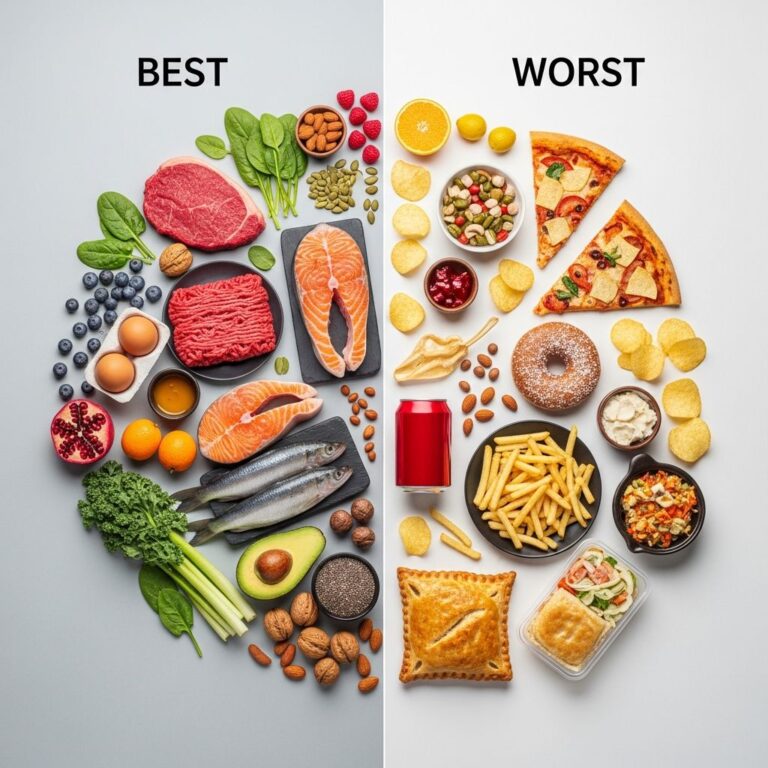
For decades, patients have been instructed to fast for 9 to 12 hours before getting their lipid panels done. This standard practice was based on the assumption that food intake would significantly alter cholesterol and triglyceride measurements, potentially leading to inaccurate results. However, recent scientific evidence suggests that this long-standing requirement may be unnecessary for most people undergoing routine lipid testing.
Lipid panels measure several key markers of cardiovascular health, including total cholesterol, LDL cholesterol (often called “bad” cholesterol), HDL cholesterol (the “good” cholesterol), and triglyceride levels. Healthcare providers use these measurements to assess an individual’s risk of developing heart disease and to determine whether treatment with medications like statins is necessary. Understanding the relationship between fasting status and test accuracy is crucial for improving patient convenience and compliance with recommended screening guidelines.
The Evolution of Lipid Testing Guidelines
Historically, the fasting requirement before lipid testing became standard practice without substantial scientific evidence supporting its necessity. The assumption was that eating food, particularly meals containing fat, would cause triglyceride levels to rise significantly and temporarily, thereby producing misleading results. Additionally, the calculations used to determine LDL cholesterol levels relied on triglyceride measurements, which fueled concerns that non-fasting samples would compromise the accuracy of LDL calculations.
Over the past two decades, numerous studies have challenged this conventional wisdom. Medical organizations have gradually begun to reconsider whether mandatory fasting is truly essential for accurate lipid measurement and cardiovascular risk assessment. The American College of Cardiology and the American Heart Association have indicated that fasting is not routinely required for lipid profile determination, marking a significant shift in clinical practice recommendations.
Landmark Research Supporting Non-Fasting Lipid Testing
One of the most compelling recent studies analyzing fasting versus non-fasting lipid testing was published in JAMA Internal Medicine and conducted by researchers from Brigham and Women’s Hospital, Harvard Medical School, and Imperial College in London. This groundbreaking analysis examined data from the Anglo-Scandinavian Cardiac Outcomes Trial–Lipid Lowering Arm (ASCOT-LLA), which included more than 8,000 study participants.
What made this research particularly valuable was its methodological approach. Unlike previous studies that compared fasting and non-fasting results from different individuals, this analysis compared results from the same individuals with blood samples drawn four weeks apart. Participants were followed for a median of 3.3 years to assess major coronary events, including heart attacks, fatal coronary heart disease, and strokes.
The findings were striking: the analysis found little meaningful difference between fasting and non-fasting lipid results from the same individuals. The only notable difference was moderately higher triglyceride levels in non-fasting samples, which researchers expected and considered clinically insignificant. Most importantly, fasting and non-fasting lipid levels demonstrated similar associations with coronary events, meaning that non-fasting results were equally reliable for predicting cardiovascular risk.
What Changes When You Eat Before Testing?
Research examining the specific effects of food intake on lipid measurements reveals that the changes are minimal and generally not clinically significant. When comparing lipid profiles measured 1 to 6 hours after habitual meals with fasting measurements, the maximum mean changes observed are remarkably small. Triglycerides may increase by approximately 0.3 mmol/L (26 mg/dL), while total cholesterol may decrease slightly by 0.2 mmol/L (8 mg/dL). LDL cholesterol similarly shows minimal variation of 0.2 mmol/L (8 mg/dL).
Related Stories



Perhaps most importantly, HDL cholesterol, apolipoprotein A1, apolipoprotein B, and lipoprotein(a) concentrations are not affected by fasting status at all. These markers remain stable regardless of whether a person has eaten recently, providing additional reassurance about the reliability of non-fasting measurements.
The concern that eating affects LDL cholesterol calculations through the Friedewald equation—a mathematical formula used to calculate LDL when direct measurement isn’t available—has also been addressed by research. Studies show that directly measured and calculated LDL cholesterol values are similar using both fasting and non-fasting lipid profiles, even when using the triglyceride-dependent formula.
Cardiovascular Risk Assessment Without Fasting
A key argument supporting non-fasting lipid testing is based on how humans actually live. People spend the vast majority of their lives in a non-fasting state, consuming meals and snacks throughout the day. Blood samples drawn after fasting represent an artificial physiological condition that doesn’t reflect typical human physiology. Non-fasting lipid measurements, by contrast, reflect an individual’s habitual metabolic state and may actually provide a more accurate picture of their everyday cardiovascular risk.
Research suggests that postprandial effects—the changes that occur after eating—do not diminish and may actually enhance the strength of associations between plasma lipid concentrations and cardiovascular disease risk. This means that measuring lipids in a person’s typical fed state may provide equal or possibly superior information for assessing heart disease risk compared to the artificial fasting state.
Clinical Implications and Benefits of Non-Fasting Testing
The shift toward non-fasting lipid testing offers several practical advantages for both patients and healthcare systems. For elderly patients and those with diabetes, fasting before testing can present genuine health risks. These populations may experience dangerous drops in blood sugar or other complications from prolonged fasting. By eliminating the fasting requirement, healthcare providers can make testing more accessible and safer for these vulnerable groups.
The convenience factor cannot be overlooked. Requiring patients to fast overnight before an early morning blood draw creates a significant barrier to compliance with recommended lipid screening. Many people find it difficult to arrange their schedules around fasting requirements, and this inconvenience may lead some individuals to postpone or skip important health screenings. Allowing patients to eat normally before their lipid tests would remove this obstacle and likely increase screening rates.
As Dr. Samia Mora, the corresponding author of the landmark JAMA Internal Medicine study and director of the Center for Lipid Metabolomics at Brigham and Women’s Hospital, stated: “We hope this study will be the final nail in the coffin, providing strong evidence that, within the same person, fasting or not before a lipid level test doesn’t matter for predicting cardiovascular risk.”
Current Guidelines and Medical Recommendations
Despite the compelling evidence supporting non-fasting lipid testing, adoption of this practice remains inconsistent across healthcare settings. While some medical societies have endorsed eliminating mandatory fasting before lipid tests, this recommendation has not yet become universally standard practice. Healthcare providers continue to hold varying opinions on the subject, and many patients still receive instructions to fast before their tests.
According to 2019 guidelines, people aged 20 years and older without a history of heart disease probably do not need to fast before a screening lipid test. However, people with a family history of heart disease or those already taking statins may benefit from fasting to ensure accurate measurements. Additionally, a fasting blood test may be necessary when non-fasting test results indicate triglyceride levels of 400 mg/dL or higher, as this may suggest underlying metabolic issues that warrant further investigation.
If additional tests requiring fasting—such as fasting blood glucose testing for diabetes screening—are being performed at the same time as a lipid panel, patients will still need to fast for those other tests. In such cases, combining fasting for multiple tests makes practical sense.
Special Considerations for Different Patient Populations
While non-fasting lipid testing appears safe and accurate for most people, certain situations may warrant continued use of fasting protocols. Patients with significantly elevated triglycerides, those with known genetic lipid disorders, or individuals at very high risk for cardiovascular disease may still benefit from fasting measurements to provide additional clinical context. Additionally, patients newly starting statin therapy may require fasting lipid panels to establish accurate baseline measurements for comparison during treatment.
An important limitation of current research on non-fasting lipid testing is that most studies, including the landmark ASCOT-LLA trial, predominantly included European, white, and male participants. Researchers acknowledge that future studies should investigate whether ethnic and racial differences exist in how fasting status affects lipid measurements. This represents an important gap in the evidence base that warrants additional investigation.
Practical Guidance for Patients
Given the evolving nature of recommendations around fasting and lipid testing, patients should communicate directly with their healthcare providers about what is appropriate for their individual circumstances. Some physicians may continue recommending fasting based on their clinical judgment or institutional protocols, while others may embrace the evidence supporting non-fasting testing.
If your doctor recommends a fasting lipid test, it’s reasonable to ask whether fasting is truly necessary for your situation. Discuss your personal risk factors, medical history, and any other tests being performed. This conversation can help ensure you’re following guidance that is both evidence-based and tailored to your specific needs. If you prefer not to fast and feel uncomfortable doing so, communicate these concerns to your healthcare provider, who may be able to accommodate your preferences while still obtaining meaningful clinical information.
The Impact on Healthcare Access and Compliance
Broader adoption of non-fasting lipid testing could have significant public health implications. Lipid screening rates remain suboptimal in many populations, with many people who should be tested never actually obtaining baseline measurements. The inconvenience and discomfort associated with fasting requirements likely contributes to this low screening rate. By removing this barrier, healthcare systems could increase the proportion of the population receiving appropriate cardiovascular risk assessment.
Furthermore, for patients already diagnosed with elevated cholesterol or cardiovascular disease, regular lipid monitoring is essential to ensure that medications are working effectively. The ability to obtain lipid measurements without fasting would make repeated testing more feasible and help patients maintain better medication compliance and disease management.
Frequently Asked Questions About Lipid Testing
Q: Do I need to fast before my lipid panel?
A: For most people without a history of heart disease, fasting is likely unnecessary. However, follow your doctor’s specific instructions, as individual circumstances vary. If you have diabetes, are at very high cardiovascular risk, or have significantly elevated triglycerides, your doctor may recommend fasting.
Q: What if my doctor tells me to fast but I’ve read that it’s not necessary?
A: Ask your doctor to explain their recommendation. Many physicians may continue recommending fasting based on established protocols, even though evidence suggests it may not be necessary. A conversation about the recent research can help you understand whether fasting is truly necessary in your case.
Q: Will non-fasting test results be less accurate than fasting results?
A: Research indicates that non-fasting lipid results are equally accurate for assessing cardiovascular risk. The only notable difference is slightly higher triglyceride levels in non-fasting samples, which is expected and clinically insignificant.
Q: What should I eat before my lipid test if fasting isn’t required?
A: You can eat your normal diet. However, avoid extremely high-fat meals immediately before testing, as very large amounts of dietary fat may transiently elevate triglycerides more substantially than typical meals.
Q: How often should I have my lipid levels checked?
A: Adults without known heart disease or risk factors typically need lipid screening every four to six years. Those with elevated cholesterol, cardiovascular disease, or taking statins should be tested more frequently, typically annually or as recommended by their doctor.
Q: Can I drink water or coffee before my lipid test?
A: Water is typically allowed and encouraged before any blood test. Plain black coffee without additives may be acceptable, but check with your healthcare provider about their specific protocols.
References
- Mora, S., et al. Association of Nonfasting vs Fasting Lipid Levels With Risk of Major Coronary Events in the Anglo-Scandinavian Cardiac Outcomes Trial–Lipid Lowering Arm — JAMA Internal Medicine. 2019-05-28. https://jamanetwork.com/journals/jamainternalmedicine/article-abstract/2733560
- Fasting is not routinely required for determination of a lipid profile — National Institutes of Health, National Center for Biotechnology Information. 2016. https://pmc.ncbi.nlm.nih.gov/articles/PMC4929379/
- Can you eat the night before a cholesterol test? — Medical News Today. 2024. https://www.medicalnewstoday.com/articles/what-to-eat-the-night-before-a-cholesterol-test-what-to-eat-and-more
- 2013 ACC/AHA Guideline on the Assessment of Cardiovascular Risk — American College of Cardiology and American Heart Association. 2013. https://www.acc.org/
Similar Articles








Read full bio of medha deb