Fasting Blood Sugar Test: Understanding Levels and Results
Learn what fasting blood sugar tests measure, how to prepare, and what your results mean for your health.
What Is a Fasting Blood Sugar Test?
A fasting blood sugar test, also known as a fasting blood glucose test, is a simple and common blood test that measures the amount of glucose (sugar) in your bloodstream when it should be at its lowest level. This test is performed after you have not eaten or consumed anything except water for a specific period, typically in the morning hours. The fasting blood sugar test is one of the primary screening tools healthcare providers use to detect prediabetes, Type 2 diabetes, and gestational diabetes during pregnancy.
The test works by measuring your blood glucose levels during a time when your body has had sufficient time to process any food or beverages you previously consumed. By measuring blood sugar at this baseline level, healthcare providers can get an accurate picture of how your body manages glucose metabolism when it is not actively digesting food.
Why Your Healthcare Provider Recommends This Test
Healthcare providers typically recommend a fasting blood sugar test for several important reasons:
– Screening for prediabetes in individuals without previous diabetes diagnosis- Screening for Type 2 diabetes in asymptomatic individuals- Screening for gestational diabetes during pregnancy- Monitoring blood sugar levels in people already diagnosed with diabetes- Checking for side effects from medications that may affect blood glucose levels- Evaluating other health conditions that impact blood sugar metabolism
One critical reason these screenings are so important is that prediabetes, Type 2 diabetes, and gestational diabetes often have no symptoms in their early stages. Many people can have these conditions without knowing it, which makes regular screening through fasting blood sugar testing essential for early detection and intervention.
How to Prepare for Your Fasting Blood Sugar Test
Proper preparation ensures accurate test results. Your healthcare provider will give you specific instructions, but standard preparation guidelines include:
– Fasting Duration: Do not eat or drink anything except water for eight to 12 hours before the test. Your provider will specify the exact duration required.- Timing: Most people schedule their test in the morning, which allows them to fast overnight when they naturally don’t eat anyway.- Water Intake: You may drink water freely during the fasting period to stay hydrated.- Avoid Caffeine: Do not consume coffee, tea, energy drinks, or other caffeinated beverages, even if they are black coffee. Caffeine can affect blood glucose results and acts as a diuretic, potentially causing dehydration.- Medications: Unless your healthcare provider instructs otherwise, it is generally safe to continue taking prescribed medications during your fasting period. Always confirm this with your provider, including questions about over-the-counter medicines, vitamins, and supplements.- Plan Ahead: Bring a snack or beverage with you to consume immediately after your blood is drawn, as you can eat and drink as soon as the test is complete.
The Fasting Blood Sugar Test Procedure
The fasting blood sugar test is a straightforward procedure that takes just a few minutes. Here’s what to expect:
During a traditional laboratory fasting blood glucose test, a phlebotomist will use a small needle to draw blood from a vein in your arm. The blood sample is then sent to a laboratory for analysis. This is the most common method for fasting blood sugar testing.
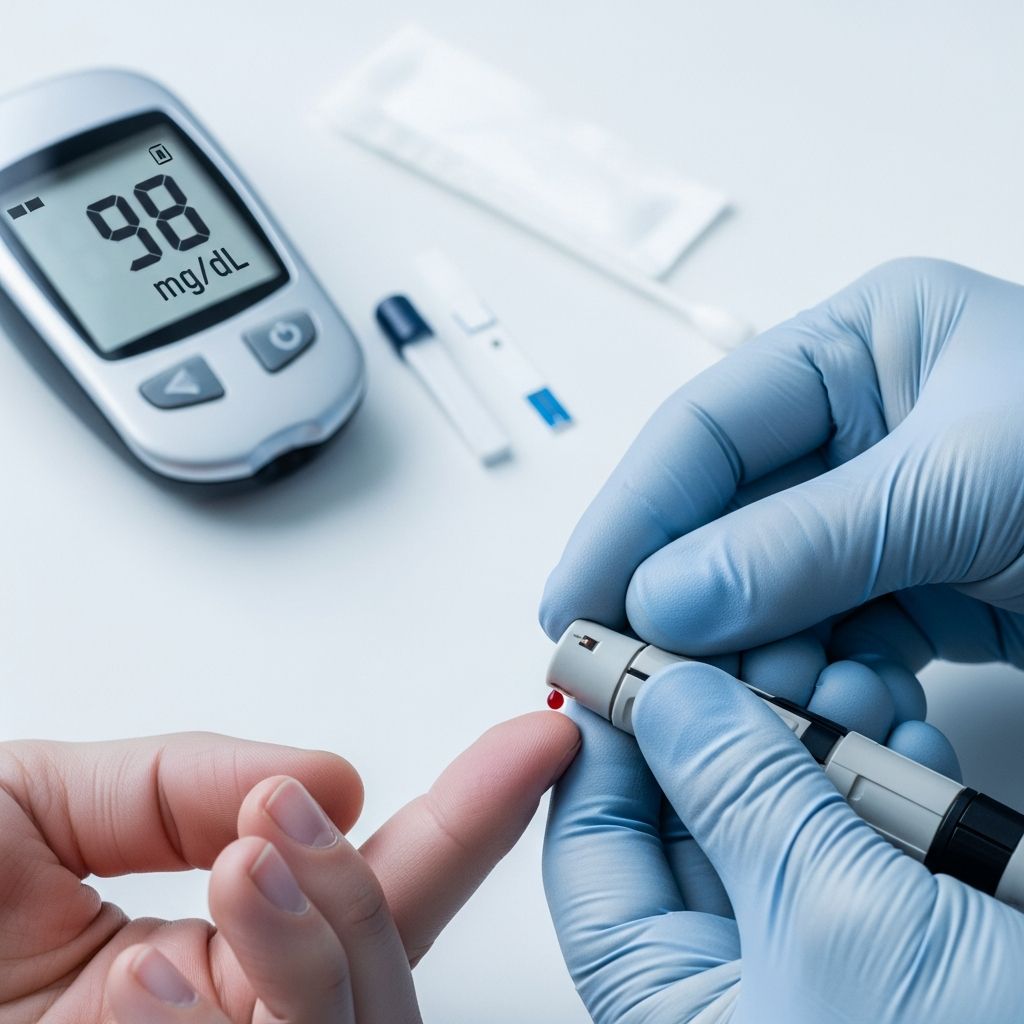
In some cases, your healthcare provider may perform a finger-prick test in the office using a blood glucose monitor and test strip. This method provides results within seconds, though laboratory tests are more commonly used for diagnostic purposes.
Related Stories



The entire procedure is minimally invasive and causes minimal discomfort for most patients. If you have concerns about needles or have had difficulty with blood draws in the past, inform your healthcare provider so they can take appropriate measures to make you more comfortable.
Understanding Your Fasting Blood Sugar Results
Fasting blood sugar test results are reported as a single number measured in milligrams per deciliter (mg/dL) in the United States. If you live outside the United States, your laboratory may use millimoles per liter (mmol/L) as the unit of measurement. The results are interpreted as follows:
| Fasting Blood Sugar Level | Status (in mg/dL) | Status (in mmol/L) |
|---|---|---|
| Less than 100 | Normal | Less than 5.6 |
| 100 to 125 | Prediabetes | 5.6 to 6.9 |
| 126 or higher | Diabetes | 7.0 or higher |
If your fasting blood glucose level is 126 mg/dL (7.0 mmol/L) or higher on more than one testing occasion, it typically indicates that you have diabetes. People with Type 1 diabetes usually have very high blood glucose levels, often 200 mg/dL (11.1 mmol/L) or higher.
What Different Results Mean
Normal Results
A fasting blood sugar level of less than 100 mg/dL is considered normal. This indicates that your body is effectively managing blood glucose levels and maintaining healthy glucose metabolism.
Prediabetes Results
A fasting blood sugar level between 100 and 125 mg/dL suggests prediabetes. If your test results indicate prediabetes, your healthcare provider will recommend lifestyle modifications to help get your blood sugar into a healthy range. These recommendations typically include dietary changes and increased physical activity. Your provider will likely want you to have additional fasting blood sugar tests over time to monitor whether you are developing Type 2 diabetes.
Diabetes Results
A fasting blood sugar level of 126 mg/dL or higher, confirmed on more than one occasion, indicates diabetes. Your healthcare provider will work with you to develop a comprehensive treatment plan that may include medication, dietary modifications, and lifestyle changes.
Low Blood Sugar Results
A fasting blood sugar of less than 70 mg/dL is considered low blood sugar for someone who has diabetes. However, this level may be normal for someone without diabetes. If you receive a result in this range, your healthcare provider may ask whether you have experienced symptoms of low blood sugar, such as shakiness, confusion, or sweating. They may recommend additional testing to determine if this result represents a pattern of low blood sugar episodes or is simply a one-time occurrence.
Timeline for Receiving Results
Results from a laboratory fasting blood sugar test are typically available quickly—usually within hours or a few days, depending on your healthcare facility and laboratory. If your healthcare provider performs a finger-prick test in the office, you will receive results within seconds. However, office-based tests are more commonly used for monitoring rather than initial diagnosis.
What Happens If Results Are Abnormal
If your fasting blood sugar test reveals an abnormal result, your healthcare provider will not rely on a single abnormal result to diagnose diabetes. Instead, they will likely repeat the test to confirm accuracy. This approach ensures that temporary factors or testing anomalies don’t lead to an incorrect diagnosis.
If the repeated test confirms an abnormal result, your provider will discuss the findings with you and develop an appropriate treatment or management plan based on whether you have prediabetes or diabetes.
Why Fasting Is Important for Accurate Results
Fasting before your blood sugar test is essential because when you eat and drink, your bloodstream temporarily absorbs nutrients, sugars, and fats. These substances can alter the levels of glucose that the test is trying to measure, potentially leading to inaccurate results. Think of fasting as giving your internal systems a temporary reset, allowing your healthcare provider to obtain a clear baseline reading of what naturally circulates in your blood. This produces more precise measurements and more reliable interpretation of your results.
Important Considerations Before Your Test
If you accidentally eat or drink anything besides water before your fasting blood sugar test, inform your healthcare provider before the test. They will want to know this information so they can interpret your results correctly. They may recommend rescheduling your test for another time to ensure they can obtain accurate results.
If you are unsure whether you need to fast before your blood test, contact your healthcare provider immediately. Fasting before a blood test when it wasn’t necessary can also skew your results, so it’s important to confirm your fasting requirements in advance.
Managing Anxiety About the Test
It’s completely normal to feel nervous about getting a fasting blood sugar test. You might worry about receiving an abnormal result or experiencing discomfort during the blood draw. However, it’s important to remember that this test is a positive step toward protecting and preserving your future health. Early detection of diabetes or prediabetes allows for prompt intervention and lifestyle modifications that can significantly impact your long-term health outcomes. If you have any questions about your results or the testing process, your healthcare provider will be available to help and support you.
Frequently Asked Questions
Q: How often should I get a fasting blood sugar test?
A: The frequency depends on your individual health status and risk factors. If you have normal results, your healthcare provider may recommend screening every few years. If you have prediabetes, more frequent testing may be necessary to monitor your progression. Your provider will establish an appropriate testing schedule for your specific situation.
Q: Can I drink water before my fasting blood sugar test?
A: Yes, you can and should drink water before your fasting blood sugar test. Staying hydrated is important and won’t affect your test results. However, avoid any other beverages, including coffee, tea, and juice.
Q: What if I have symptoms of diabetes but my fasting blood sugar test is normal?
A: If you experience symptoms suggestive of diabetes but your fasting blood sugar test is normal, your healthcare provider may recommend additional tests, such as an oral glucose tolerance test or hemoglobin A1C test, for a more comprehensive evaluation.
Q: Do I need to stop taking my medications before the test?
A: Generally, you should continue taking your prescribed medications unless your healthcare provider specifically instructs you otherwise. Always confirm medication instructions with your provider, as some medications may affect your test results.
Q: Is fasting blood sugar testing accurate for everyone?
A: Fasting blood sugar testing is a reliable screening tool for most people. However, certain factors such as stress, illness, or recent medication changes can temporarily affect results. Your healthcare provider will consider your overall health picture when interpreting results.
Q: Can pregnancy affect fasting blood sugar test results?
A: Yes, pregnancy can affect blood glucose levels. Healthcare providers commonly screen for gestational diabetes during pregnancy using fasting blood sugar tests and other glucose tolerance tests to ensure the health and safety of both mother and baby.
References
- Fasting Blood Sugar: Testing, Levels & What They Mean — Cleveland Clinic. 2024. https://my.clevelandclinic.org/health/diagnostics/21952-fasting-blood-sugar
- Blood Glucose Test: MedlinePlus Medical Test — National Library of Medicine. 2024. https://medlineplus.gov/lab-tests/blood-glucose-test/
- Fasting for Blood Work — Cleveland Clinic. 2024. https://my.clevelandclinic.org/health/articles/fasting-for-blood-work
- Blood Glucose (Sugar) Test: Levels & What They Mean — Cleveland Clinic. 2024. https://my.clevelandclinic.org/health/diagnostics/12363-blood-glucose-test
- What You Should Know About Fasting Before a Blood Test — Cleveland Clinic Health. 2024. https://health.clevelandclinic.org/fasting-before-blood-test
- Diabetes: What It Is, Causes, Symptoms, Treatment & Types — Cleveland Clinic. 2024. https://my.clevelandclinic.org/health/diseases/7104-diabetes
Similar Articles








Read full bio of medha deb