How Fat Can Worsen Arthritis: 6 Effects On Joint Health
Discover how excess fat not only pressures joints but also fuels inflammation, worsening various forms of arthritis and related conditions.
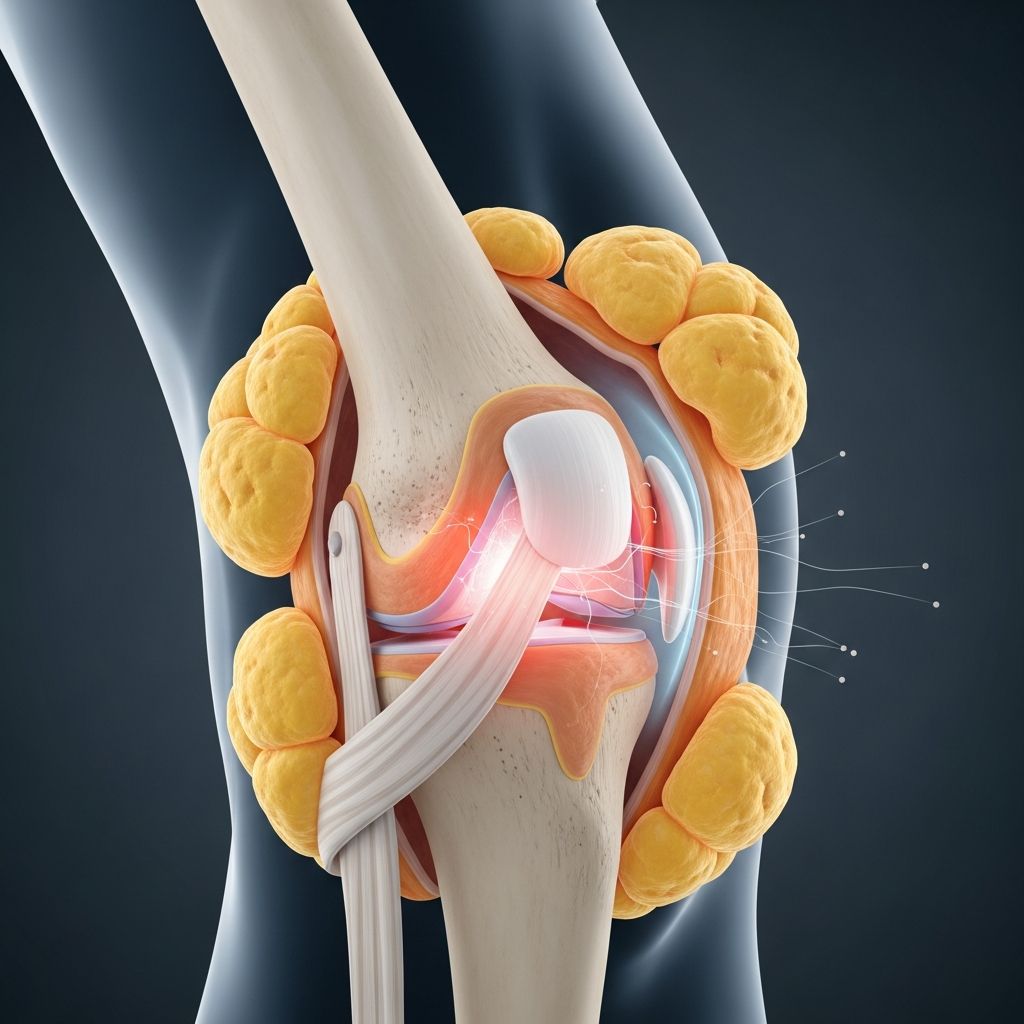
Excess fat increases not only pressure on joints but also inflammation, accelerating arthritis progression across multiple types. Understanding this connection is crucial for managing symptoms and improving quality of life.
Osteoarthritis
Osteoarthritis (OA) is the most common type of arthritis, affecting over 32.5 million Americans. It involves the breakdown of cartilage, the flexible tissue covering bone ends in joints. Factors like age, injury, heredity, and lifestyle contribute to OA risk.
Excess weight dramatically heightens OA risk and severity. Being just 10 pounds overweight adds 15 to 50 pounds of pressure on knees per step, making OA development or worsening more likely. This mechanical stress alone damages joints, but fat tissue plays a more sinister role.
Fat is metabolically active, releasing proteins called adipokines and cytokines that promote inflammation. These chemicals circulate systemically, inflaming joints even without extra load. In OA, this low-grade inflammation speeds cartilage destruction. As Stephen Messier, PhD, from Wake Forest University notes, rising OA prevalence mirrors obesity increases: “The increase in the prevalence of OA is directly attributable to the rise in obesity.”
Obesity accelerates OA progression. Overweight individuals experience faster disease worsening, higher severity, and increased need for hip or knee replacements, often with complications. Excess fat also links to heart disease, diabetes, and other issues via the same inflammatory pathways.
Rheumatoid Arthritis
Rheumatoid arthritis (RA) affects up to 1.5 million Americans as an autoimmune disease where the immune system attacks joint tissue, causing widespread inflammation, erosion, and pain.
About two-thirds of RA patients are overweight or obese, matching general population rates but amplifying problems. Fat releases adipokines; healthy levels are beneficial, but excess produces pro-inflammatory cytokines like TNF-alpha and IL-1, overactive in RA. These worsen joint inflammation and contribute to cardiovascular risks, already 50% higher in RA patients.
Visceral fat (abdominal) heightens insulin resistance, diabetes, and heart risks. Obesity may reduce arthritis medication effectiveness and remission chances. Jon Giles, MD, from Columbia University, emphasizes: fat increases heart disease risk on top of RA’s baseline dangers.
Gout
Gout, an inflammatory arthritis, results from uric acid crystals forming in joints, often the big toe, causing intense pain. Excess weight, especially visceral fat, raises gout risk even without overall obesity.
Obesity promotes hyperuricemia (high uric acid) via insulin resistance and metabolic changes. Fat-released cytokines fuel inflammation during attacks. Losing weight lowers uric acid levels and flare frequency.
Psoriatic Arthritis
Psoriatic arthritis (PsA) affects those with psoriasis, causing joint inflammation, pain, and skin issues. Obesity is more prevalent in PsA patients.
It’s a “double whammy”: psoriasis often precedes PsA, worsened by obesity’s metabolic factors like adiponectin, leptin, and cytokines. These drive systemic inflammation. Dafna Gladman, MD, from University of Toronto, notes unclear exact mechanisms but confirms fat’s active role.
Lupus
Lupus (systemic lupus erythematosus, SLE) is an autoimmune disease causing inflammation in joints, skin, kidneys, and more. Obesity’s relationship with lupus is complex—cause or effect unclear.
Fat releases inflammatory cytokines, potentially elevating cardiovascular risks already high in lupus. Mechanically, obesity worsens joint loading and pain. Studies suggest bidirectional links, with obesity exacerbating symptoms.
Fibromyalgia
Fibromyalgia involves chronic widespread pain, tender points, fatigue, sleep issues, depression, and cognitive fog, affecting up to 6% of Americans, mostly women.
Related Stories



Obesity correlates with fibromyalgia severity. Excess fat may amplify pain sensitivity via inflammation and altered pain processing. Weight loss often improves symptoms, though direct causal links need more research.
Mechanisms: Beyond Mechanical Load
Extra pounds add force—every pound equals four on knees—but fat’s true danger is biological. Adipose tissue produces:
- Cytokines (e.g., TNF-alpha, IL-1): Drive inflammation body-wide.
- Adipokines (e.g., leptin): Promote inflammation, affect immunity and metabolism.
- Visceral fat worsens insulin resistance, uric acid buildup, and cardiovascular plaque.
This creates a vicious cycle: inflammation limits exercise, promoting weight gain, disability, depression.
Weight Loss Benefits
Losing weight eases joint pressure, reduces inflammation, improves medication efficacy, and boosts remission odds. Even 10% loss significantly cuts pain and slows OA.[10]
| Arthritis Type | Weight Loss Benefits |
|---|---|
| Osteoarthritis | Reduces knee pressure by 40-180 lbs (10% loss), slows cartilage loss. |
| Rheumatoid Arthritis | Lowers cytokines, better drug response, higher remission. |
| Gout | Drops uric acid, fewer flares. |
| PsA | Decreases inflammation, improves skin/joint symptoms. |
Strategies for Weight Loss with Arthritis
Combine diet, exercise, and lifestyle changes:
- Diet: Emphasize anti-inflammatory foods—fruits, vegetables, fish, nuts, beans; limit processed foods, saturated fats.
- Exercise: Low-impact like swimming, cycling, walking. Aim for 150 minutes/week. Builds strength without joint stress.
- Behavioral: Track intake, set realistic goals, seek support. Consult doctors for tailored plans.
Pre-surgery weight loss improves outcomes.
Frequently Asked Questions (FAQs)
Q: How much extra pressure does 10 pounds add to knees?
A: 15-50 pounds per step, increasing OA risk and worsening symptoms.
Q: Does fat affect non-weight-bearing joints?
A: Yes, via systemic inflammation from cytokines.
Q: Can weight loss reverse arthritis damage?
A: It slows progression, reduces pain/inflammation, but doesn’t fully reverse cartilage loss.
Q: Is visceral fat worse than subcutaneous?
A: Yes, abdominal fat drives more inflammation and metabolic issues.
Q: What’s the best diet for arthritis weight loss?
A: Mediterranean-style: whole foods, low processed/saturated fats.
References
- How Fat Affects Osteoarthritis — Arthritis Foundation. 2023. https://www.arthritis.org/health-wellness/about-arthritis/related-conditions/other-diseases/how-fat-affects-osteoarthritis
- How Fat Can Worsen Arthritis — Arthritis Foundation. 2023. https://www.arthritis.org/health-wellness/about-arthritis/understanding-arthritis/fat-and-arthritis
- How Fat Affects Rheumatoid Arthritis — Arthritis Foundation. 2022-04-28. https://www.arthritis.org/health-wellness/about-arthritis/related-conditions/other-diseases/how-fat-affects-rheumatoid-arthritis
- Beyond Weight: Fat & Arthritis Podcast EP 67 — Arthritis Foundation. 2023. https://www.arthritis.org/liveyes/podcast/new-podcast/beyond-weight-fat-and-arthritis
- Weight Loss Benefits for Arthritis — Arthritis Foundation. 2023. https://www.arthritis.org/health-wellness/healthy-living/nutrition/weight-loss/weight-loss-benefits-for-arthritis
Similar Articles








Read full bio of medha deb