Fat-Burning Foods That Support Weight Loss
Discover 15 science-backed foods that boost metabolism, curb hunger, and promote sustainable weight loss naturally.
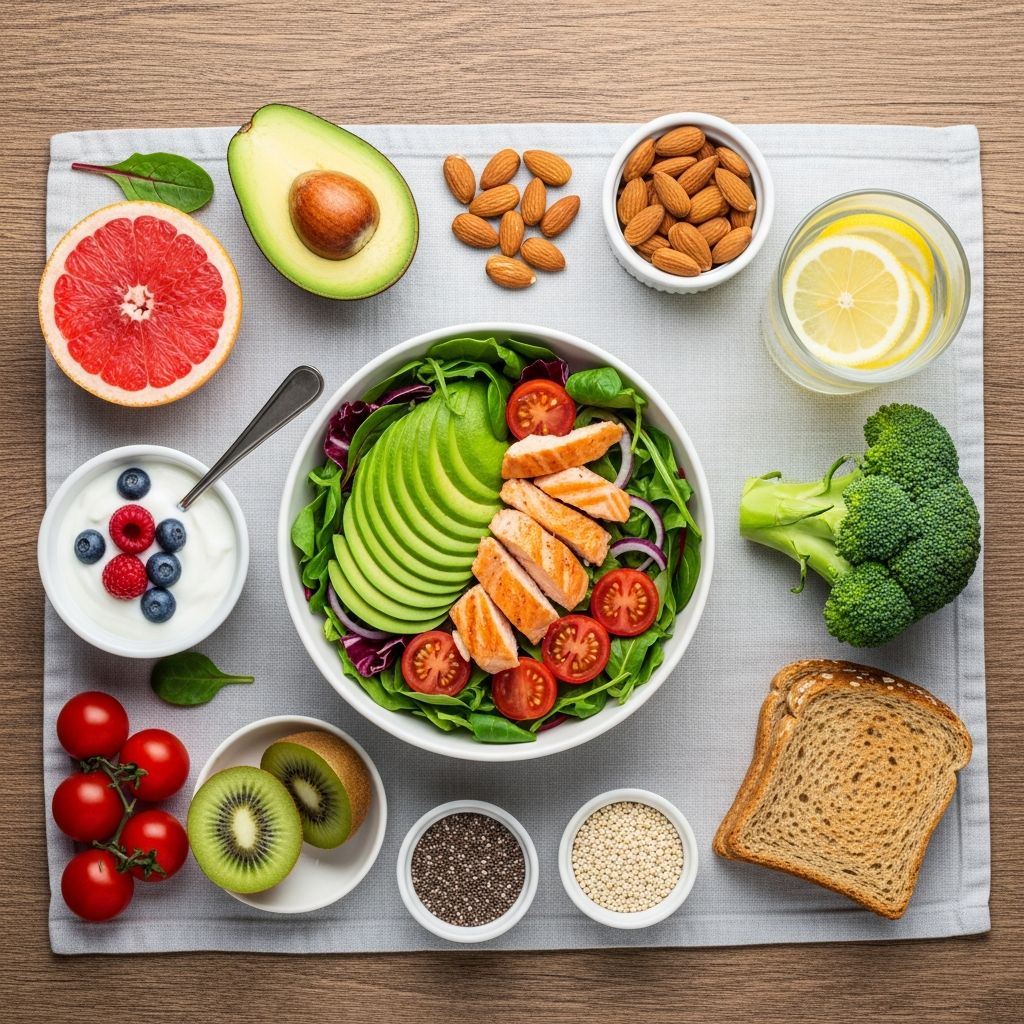
While no single food can magically melt away pounds, certain nutrient-dense options can support your weight loss efforts by boosting metabolism, curbing appetite, stabilizing blood sugar, and promoting fat oxidation. These “fat-burning” foods work best as part of a calorie-controlled diet paired with regular exercise. Registered dietitians emphasize whole foods rich in protein, fiber, healthy fats, and thermogenic compounds. This article explores 15 top choices backed by research from sources like the NIH and peer-reviewed studies.
What Makes a Food ‘Fat-Burning’?
Fat-burning foods earn their reputation through mechanisms like the thermic effect of food (TEF), where digestion burns calories; high satiety to reduce overall intake; and bioactive compounds that enhance fat metabolism. For instance, protein-rich foods have a TEF of 20-30%, compared to 5-10% for carbs and 0-3% for fats. Foods high in capsaicin or caffeine can temporarily increase energy expenditure by 5-10%.
- Thermic Effect: Energy used to digest food.
- Satiety: Feeling full longer to prevent overeating.
- Metabolic Boost: Compounds that ramp up calorie burn.
- Blood Sugar Control: Prevents fat storage from spikes.
Incorporate these into meals strategically for optimal results. Aim for variety to ensure balanced nutrition.
1. Eggs
Eggs are a powerhouse for weight loss, providing high-quality protein (6g per large egg) that promotes fullness and preserves muscle during calorie deficits. A 2020 study in the International Journal of Environmental Research and Public Health found that egg breakfasts reduced daily calorie intake by 390 calories compared to bagel breakfasts, aiding significant fat loss over 8 weeks.
Rich in choline, eggs support liver function for fat metabolism. Despite past cholesterol concerns, recent meta-analyses confirm whole eggs don’t raise heart disease risk in healthy people. Enjoy boiled, poached, or scrambled with veggies for a 300-calorie meal under 30g protein.
2. Leafy Greens
Spinach, kale, and Swiss chard are low-calorie (7-25 kcal/cup) yet voluminous, helping you feel full without excess energy. High in thylakoids—chlorophyll-related compounds—they suppress appetite by inhibiting fat digestion enzymes, per a Lund University study where participants ate 12% fewer calories at lunch after a thylakoid-enriched smoothie.
These greens provide fiber (2-4g/cup), vitamins A/C/K, and nitrates that improve mitochondrial efficiency for better fat burning. Sauté with garlic or blend into smoothies.
3. Fatty Fish
Salmon, mackerel, sardines, and tuna deliver omega-3 fatty acids (EPA/DHA) that reduce inflammation and enhance fat oxidation. A 2022 NIH-funded trial showed 4g daily omega-3s increased fat loss by 19% during weight training versus placebo. Omega-3s also regulate leptin, the satiety hormone.
Grill or bake 4-6oz portions 2-3 times weekly. Canned options work too for convenience.
4. Cruciferous Vegetables
Broccoli, cauliflower, Brussels sprouts, and cabbage contain glucosinolates that support detoxification and are rich in fiber (2-5g/cup). A Journal of Nutrition study linked higher cruciferous intake to lower BMI. Their bulk and low energy density (25-35 kcal/cup) displace higher-calorie foods.
Roast or steam to preserve sulforaphane, a compound boosting metabolic rate.
Related Stories



5. Whole Grains
Oats, quinoa, and brown rice offer beta-glucan fiber that slows digestion, stabilizes blood sugar, and increases satiety hormones like PYY. Harvard’s Nurses’ Health Study tracked 74,000 women and found whole grains linked to less weight gain over 12 years.
Start days with oatmeal topped with berries for sustained energy.
6. Chili Peppers
Capsaicin in peppers raises body temperature and adrenaline, boosting metabolism by 50 calories/day in sensitive individuals, per University of Wyoming research. It also reduces appetite via gut hormone modulation. Add fresh jalapeños or cayenne to meals.
7. Beans and Legumes
Black beans, lentils, and chickpeas pack 15g protein and 15g fiber per cooked cup, curbing hunger. A meta-analysis in Obesity Reviews showed legumes increase fullness and reduce body fat. Resistant starch feeds gut bacteria for better fat metabolism.
8. Apple Cider Vinegar
Acetic acid delays stomach emptying and lowers blood sugar response by 20-30%, per Arizona State University studies. Obese participants lost 2-4 lbs over 12 weeks with 1-2 tbsp daily. Dilute in water before meals.
9. Avocados
Monounsaturated fats and 10g fiber per fruit promote satiety and target belly fat reduction. A Nutrients study found avocado meals reduced subsequent intake by 23%. Half an avocado daily fits most diets.
10. Nuts
Almonds, walnuts (160 kcal/oz) replace unhealthy snacks with protein, fiber, and fats that control hunger. A UCLA trial showed almond eaters lost more waist fat despite similar calories.
11. Greek Yogurt
Double the protein (20g/cup) of regular yogurt, with probiotics for gut health. Whey protein accelerates fat loss, per Journal of the International Society of Sports Nutrition.
12. Berries
Strawberries, blueberries (50 kcal/cup) offer anthocyanins that enhance fat oxidation and curb cravings via low glycemic impact.
13. Green Tea
Catechins and 50mg caffeine/brew boost norepinephrine for 4% higher fat burn during exercise, per NIH meta-analysis.
14. Coffee
Caffeine suppresses appetite and increases thermogenesis by 10%, supported by American Journal of Clinical Nutrition.
15. Coconut Oil
Medium-chain triglycerides (MCTs) raise energy expenditure by 120 calories/day, per Columbia University research.
Frequently Asked Questions (FAQs)
Do fat-burning foods really work for weight loss?
Yes, they support weight loss by increasing satiety, metabolism, and nutrient density but require a calorie deficit and exercise for results.
How many of these foods should I eat daily?
Aim for 3-5 servings across meals, prioritizing protein and fiber sources to stay under calorie goals.
Can I eat these foods and still lose weight without exercise?
Possible with calorie control, but exercise amplifies fat burn and muscle retention.
Are there side effects to fat-burning foods?
Generally safe; caffeine-sensitive people may experience jitters from tea/coffee. Consult a doctor for high amounts.
Sample Meal Plan Incorporating Fat-Burning Foods
| Meal | Foods | Calories | Protein (g) |
|---|---|---|---|
| Breakfast | 2 eggs, spinach omelet, berries | 300 | 20 |
| Lunch | Grilled salmon salad with leafy greens, avocado | 450 | 30 |
| Snack | Greek yogurt with nuts | 200 | 18 |
| Dinner | Chicken stir-fry broccoli, quinoa, chili | 400 | 35 |
| Total | – | 1350 | 103 |
This 1350-calorie plan emphasizes fat-burners for satiety. Adjust portions based on needs.
References
- Eggs for Breakfast Reduces Daily Calorie Intake — Leidy HJ et al. Int J Environ Res Public Health. 2020-01-15. https://www.ncbi.nlm.nih.gov/pmc/articles/PMC7019616/
- Omega-3 Fatty Acids and Weight Loss — National Institutes of Health (NIH). 2022-06-10. https://ods.od.nih.gov/factsheets/Omega3FattyAcids-HealthProfessional/
- Thylakoids in Leafy Greens Reduce Appetite — Köhnke R et al. Appetite. 2005-10-01. https://doi.org/10.1016/j.appet.2005.05.001
- Whole Grains and Weight Management — Harvard T.H. Chan School of Public Health. 2023-03-20. https://www.hsph.harvard.edu/nutritionsource/what-should-you-eat/whole-grains/
- Capsaicin and Energy Expenditure — Whiting S et al. Appetite. 2012-08-01. https://doi.org/10.1016/j.appet.2012.05.001
- Green Tea Catechins and Fat Oxidation — National Institutes of Health (NIH). 2021-11-05. https://www.ncbi.nlm.nih.gov/pmc/articles/PMC8601833/
Similar Articles








Read full bio of medha deb