Fat Freezing (Cryolipolysis): What You Need to Know
Discover how cryolipolysis works, its benefits, risks, and what to expect from fat freezing treatments.
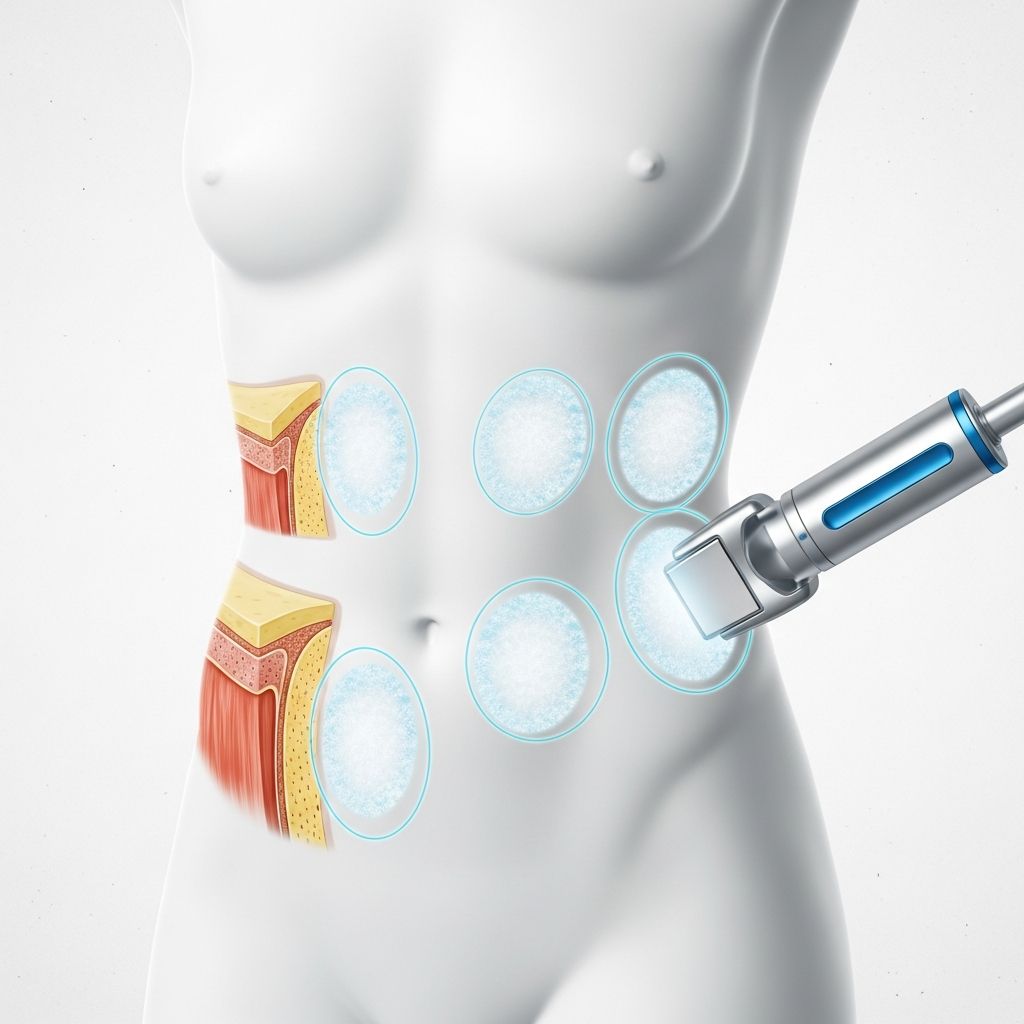
What Is Fat Freezing (Cryolipolysis)?
Fat freezing, also known as cryolipolysis, is a non-surgical fat reduction procedure that uses controlled cold temperatures to target and reduce stubborn fat deposits in specific areas of the body. The technique is designed for people who have localized fat bulges that do not respond to diet and exercise, but it is not intended for individuals with obesity. The most well-known brand for this procedure is CoolSculpting™, which has been patented and widely used in cosmetic clinics.
How Does Cryolipolysis Work?
Cryolipolysis works by exploiting the fact that fat cells are more sensitive to cold than surrounding tissues like skin, muscle, and nerves. During the procedure, a specialized device is used to cool the targeted fat layer to a temperature between 30.2°F and 39.2°F. This controlled cooling causes the fat cells to crystallize and die, while the surrounding tissues remain unharmed.
- The device suctions the targeted area, applying a gel pad to protect the skin.
- The fat bulge is drawn into the applicator, where it is cooled for about 35 minutes to an hour.
- As the area becomes numb, patients may feel sensations like pulling, tingling, or mild discomfort, which usually subside after a few minutes.
- After treatment, the area is massaged for a few minutes to help break down the fat cells.
The body’s immune system then gradually eliminates the dead fat cells through natural metabolic processes, primarily via the lymphatic system and liver. This process can take several weeks to months, with most people noticing visible results within 3 to 4 months.
Where Can Cryolipolysis Be Used?
The U.S. Food and Drug Administration (FDA) has approved cryolipolysis for treating fat deposits in the following areas:
- Beneath the chin
- Upper arms
- Inner and outer thighs
- Abdomen
- Hip/flank (“love handles”)
- Upper back (“bra rolls”)
- Lower back
- Underneath the buttocks
The procedure is not suitable for all body areas and should only be performed by licensed healthcare professionals.
What Are the Benefits of Cryolipolysis?
Cryolipolysis offers several advantages over traditional fat reduction methods:
- Non-surgical: No incisions, anesthesia, or downtime required.
- Minimal discomfort: Most patients experience only mild sensations during treatment.
- Targeted results: Focuses on specific fat bulges without affecting surrounding tissues.
- Gradual, natural-looking results: Fat reduction occurs over weeks to months, avoiding sudden changes.
- Permanent fat cell reduction: Once fat cells are destroyed, they do not regenerate in the treated area.
What Are the Risks and Side Effects?
While cryolipolysis is generally safe, there are some potential risks and side effects to consider:
- Temporary redness, swelling, bruising, or numbness in the treated area
- Mild pain, tingling, or stinging sensations
- Rare cases of paradoxical adipose hyperplasia (PAH), where fat cells increase instead of decrease
- Temporary skin sensitivity or changes in skin texture
- Very rare risk of nerve injury or frostbite if not performed correctly
Side effects typically resolve within a few days to a few weeks. Patients are advised to follow post-treatment care instructions and consult their provider if symptoms persist.
Who Is a Good Candidate for Cryolipolysis?
Related Stories



Cryolipolysis is best suited for individuals who:
- Have localized fat deposits that are resistant to diet and exercise
- Are not significantly overweight or obese
- Have healthy skin in the treatment area
- Do not have conditions that increase cold sensitivity (such as cryoglobulinemia or cold urticaria)
- Are not pregnant or breastfeeding
The procedure is not recommended for people with certain medical conditions, including severe varicose veins, dermatitis, or other skin lesions in the treatment area.
What to Expect During the Procedure
The cryolipolysis procedure is typically performed in a doctor’s office or outpatient clinic. Here’s what you can expect:
- The treatment area is assessed and marked with a skin-marking pencil.
- A gel pad is applied to protect the skin.
- The targeted fat bulge is suctioned into the applicator, where it is cooled for up to one hour.
- Most patients remain awake and can read, watch videos, or relax during the session.
- After treatment, the area may be massaged for a few minutes.
Patients can usually resume normal activities immediately after the procedure.
How Long Do Results Last?
Once the treated fat cells are destroyed, they are permanently eliminated from the body. However, if a person gains weight after the procedure, new fat cells can develop in untreated areas or even in the treated area. Maintaining a healthy lifestyle with diet and exercise is essential to preserve results.
How Many Treatments Are Needed?
The number of treatments required depends on the size and number of fat deposits, as well as individual goals. Some people may see satisfactory results after a single session, while others may need multiple treatments in the same area or different areas to achieve their desired outcome. A personalized treatment plan is developed in consultation with a healthcare provider.
What Is the Cost of Cryolipolysis?
The cost of cryolipolysis varies depending on the number of areas treated and the provider’s location. On average, a typical treatment plan ranges from $2,000 to $4,000. Insurance usually does not cover the cost of elective cosmetic procedures like cryolipolysis.
FAQs About Cryolipolysis
Is cryolipolysis painful?
Most patients experience only mild discomfort during the procedure, such as pressure, tingling, or aching, which usually subsides as the area becomes numb.
How long does it take to see results?
Some people notice changes as early as 3 weeks after treatment, but the most dramatic results are typically seen after 2 to 4 months.
Can cryolipolysis be used for weight loss?
No, cryolipolysis is not a weight loss solution. It is designed to reduce localized fat deposits, not to treat obesity.
Are the results permanent?
Yes, the treated fat cells are permanently destroyed. However, maintaining a healthy weight is important to prevent new fat cells from forming.
Who should not get cryolipolysis?
People with obesity, certain skin conditions, or abnormal cold sensitivity should not undergo cryolipolysis. Pregnant or breastfeeding women should also avoid the procedure.
Conclusion
Cryolipolysis is a safe and effective non-surgical option for reducing stubborn fat deposits in targeted areas of the body. While it is not a substitute for weight loss or a healthy lifestyle, it can help achieve a more contoured appearance for those with localized fat that does not respond to diet and exercise. Always consult with a qualified healthcare provider to determine if cryolipolysis is right for you.
References
- Fat Freezing (Cryolipolysis) — Cleveland Clinic. 2023. https://my.clevelandclinic.org/health/treatments/21060-fat-freezing-cryolipolysis
- CoolSculpting for Fat Loss: Risks, Side Effects — WebMD. 2023. https://www.webmd.com/beauty/coolsculpting
- CoolSculpting® — Cleveland Clinic. 2023. https://my.clevelandclinic.org/cosmetic-plastic-surgery/procedures/cool-sculpting
Similar Articles








Read full bio of Sneha Tete