Fat Loss vs Weight Loss: Understanding Key Differences
Discover why fat loss matters more than weight loss for sustainable health and fitness goals.
Fat Loss vs Weight Loss: Understanding the Key Differences
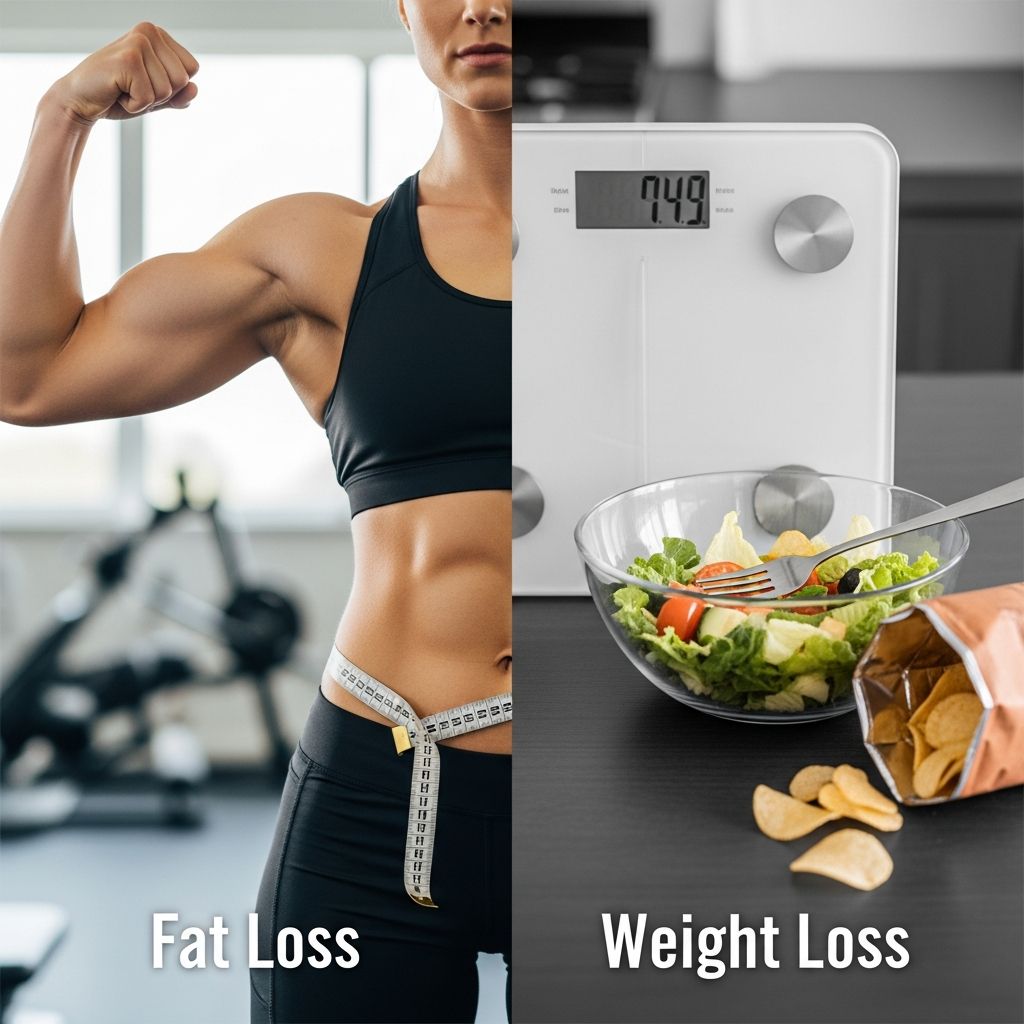
When embarking on a health and fitness journey, understanding the distinction between fat loss and weight loss is fundamental to achieving sustainable results. While these terms are often used interchangeably, they represent fundamentally different processes with distinct implications for your health, metabolism, and physical appearance. Weight loss refers to a decrease in your total body weight, which can include fat, muscle, water, and other body components, whereas fat loss specifically targets the reduction of body fat while preserving lean muscle mass. This distinction is crucial because not all weight loss is beneficial, and the composition of what you lose matters significantly for long-term health outcomes.
What Is Weight Loss?
Weight loss is the overall reduction in your body weight as measured by a scale. This decrease can come from multiple sources within your body, including fat tissue, lean muscle mass, water retention, and even bone mineral density. When you step on a scale and see a lower number, you’re measuring the combined effect of all these changes. However, this number alone doesn’t tell you what you’ve actually lost. For example, losing water weight through dehydration might appear as significant weight loss, but it doesn’t represent meaningful health improvements and can reverse quickly once you rehydrate.
The initial phase of weight loss typically involves losing water weight. This occurs because when you reduce calories, your body depletes glycogen stores—glucose stored in your muscles and liver for energy. Since your body uses substantial water when storing glucose, burning through these stores results in rapid water weight loss. While this can be motivating when you first start a diet, it’s important to recognize that this represents temporary fluid shifts rather than sustainable fat reduction.
What Is Fat Loss?
Fat loss, by contrast, specifically targets the reduction of adipose tissue—the fat stored throughout your body as an energy reserve. Fat loss focuses on improving your body composition, which is the ratio of fat to lean tissue. This approach allows you to reduce body fat while simultaneously building or maintaining muscle mass, which fundamentally changes how your body looks and functions. One of the most compelling aspects of fat loss is that you can actually lose fat without experiencing significant changes on the scale. This occurs when fat loss is offset by muscle gain, resulting in improved body composition without dramatic weight fluctuations.
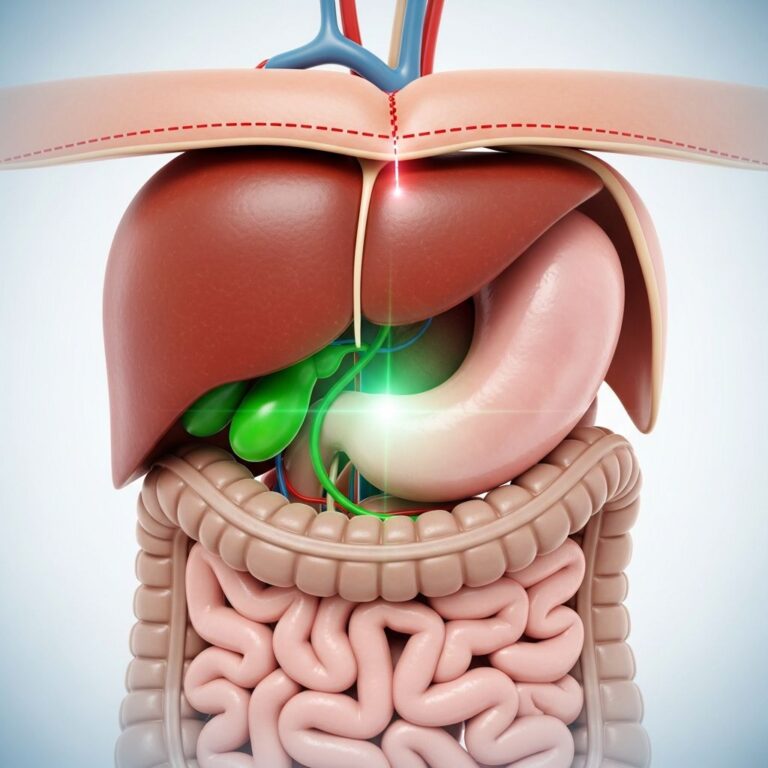
There are different types of fat in your body, with visceral fat being particularly important to address. Visceral fat, also called “active fat,” is stored in your abdominal cavity close to vital organs like your liver, pancreas, and intestines. This type of fat is especially problematic because it’s metabolically active and linked to serious health conditions including type 2 diabetes, heart disease, and stroke. Targeting fat loss, particularly visceral fat, can significantly reduce your disease risk and improve metabolic health.
Key Differences Between Fat Loss and Weight Loss
Understanding the specific differences between these two goals helps clarify why fat loss should be your primary focus:
Related Stories



| Factor | Weight Loss | Fat Loss |
|---|---|---|
| Definition | Reducing total body weight | Reducing body fat percentage |
| What’s Lost | Combination of fat, muscle, and water | Primarily body fat |
| Measurement | Scale weight and BMI | Body fat percentage and measurements |
| Physical Appearance | Can create “skinny fat” look | More toned, defined appearance |
| Metabolic Impact | Can slow metabolism | Maintains or improves metabolism |
| Sustainability | Often leads to weight cycling | More sustainable long-term results |
| Health Benefits | Variable, depends on composition | Consistently positive |
The Metabolic Consequences of Weight Loss
One of the most significant drawbacks of focusing solely on weight loss is the negative impact on your metabolism. When you lose weight rapidly without preserving muscle mass, your metabolic rate can decline substantially. Each pound of muscle burns approximately 6 calories daily at rest, while fat burns only 2-3 calories. This means that losing muscle tissue directly reduces your basal metabolic rate—the number of calories your body burns simply to maintain basic functions at rest.
Additionally, when you lose weight significantly, your body undergoes hormonal adaptations designed to conserve energy. Your thyroid hormone and leptin production decrease, while ghrelin (your hunger hormone) increases. Your body essentially becomes more efficient at storing energy, making it progressively harder to lose additional weight and easier to regain what you’ve lost. This metabolic adaptation is a key reason why rapid weight loss often leads to the frustrating “yo-yo” effect of weight cycling, where people repeatedly lose and regain weight.
Why Fat Loss Matters More for Your Health
Focusing on fat loss rather than weight loss provides numerous health benefits that extend far beyond appearance:
- Preserves Metabolic Rate: Muscle tissue burns significantly more calories at rest than fat tissue, helping maintain your metabolism and making long-term weight management easier.
- Improves Physical Appearance: Fat loss creates a more toned, defined look compared to the “skinny fat” appearance that can result from losing weight indiscriminately.
- Enhances Strength and Function: Maintaining muscle improves your ability to perform daily activities and athletic performance.
- Supports Long-Term Success: Fat loss through sustainable habits is less likely to result in the frustrating weight cycling associated with rapid weight loss.
- Better Reflects Health Improvements: Body composition changes more closely correlate with reduced disease risk factors than scale weight alone.
Systemic Health Benefits of Reducing Body Fat
Beyond metabolism and appearance, reducing body fat provides profound health improvements:
- Reduced Inflammation: Fat tissue produces inflammatory compounds that contribute to chronic disease. Reducing fat lowers systemic inflammation.
- Improved Insulin Sensitivity: Fat loss lowers the risk of type 2 diabetes and metabolic syndrome by improving how your body manages blood sugar.
- Better Cardiovascular Health: Reducing excess fat decreases blood pressure and improves cholesterol profiles, supporting heart health.
- Decreased Cancer Risk: Excess fat, particularly visceral fat, is linked to several types of cancer including breast and colon cancer.
- Enhanced Joint Health: Less body weight means less stress on weight-bearing joints like knees and hips, reducing pain and risk of osteoarthritis.
- Improved Hormonal Balance: Better body composition improves regulation of hormones affecting hunger, mood, metabolism, and reproduction.
- Better Sleep Quality: Reducing excess fat decreases sleep apnea and other sleep disturbances, improving overall rest quality.
Strategies for Achieving Fat Loss While Preserving Muscle
Achieving fat loss requires a different approach than simple weight loss. Creating a calorie deficit remains necessary, but the method matters significantly.
Moderate Calorie Reduction: Cutting calories too drastically leads to greater muscle loss rather than fat loss. A moderate reduction—typically 500-750 calories below your maintenance level—allows your body to preferentially burn fat while sparing muscle tissue.
Prioritize Protein Intake: Consuming adequate protein is crucial for preserving muscle mass during fat loss. Protein helps maintain muscle tissue, increases satiety, and has a higher thermic effect than other macronutrients, meaning your body burns more calories digesting it.
Combine Resistance Training with Cardio: Strength training signals your body to preserve muscle mass while in a calorie deficit. Pairing resistance training with moderate cardiovascular exercise optimizes fat loss while maintaining or even building muscle.
Ensure Adequate Sleep and Stress Management: Poor sleep and chronic stress increase cortisol levels, which promotes fat storage, particularly in the abdominal area. Prioritizing 7-9 hours of quality sleep and stress reduction techniques supports fat loss and metabolic health.
The Stages of Weight and Fat Loss
Understanding the typical progression of weight loss helps set realistic expectations. The initial stage involves rapid water weight loss, which can be motivating but isn’t sustainable or particularly meaningful for health. During this phase, glycogen stores deplete and water leaves your body accordingly.
The second stage, known as the “slow weight loss stage,” involves a plateau in scale weight loss. However, this is precisely when meaningful fat loss accelerates. Research comparing rapid weight loss to slow weight loss found that the rapid weight loss group lost more lean body mass and water weight, whereas the slow weight loss group lost significantly more body fat. This slower progression actually represents success in preserving muscle while reducing fat.
Measuring Fat Loss Accurately
Since the scale doesn’t distinguish between fat loss and muscle loss, using multiple measurement methods provides a clearer picture of your progress:
- Body composition analysis (DEXA scans, bioelectrical impedance, or hydrostatic weighing)
- Body measurements using a tape measure (waist, hips, chest, arms, thighs)
- Progress photos to visually track changes in body shape and definition
- How your clothes fit, as fat loss often results in visible size reduction
- Strength improvements and enhanced athletic performance
- Energy levels and overall sense of well-being
Frequently Asked Questions
Q: Can you lose fat without losing weight on the scale?
A: Yes, absolutely. You can reduce fat and build muscle simultaneously, resulting in improved body composition without major changes on the scale. This is why relying solely on scale weight can be misleading.
Q: Why does weight loss slow down after the initial phase?
A: After initial water weight loss, your metabolic rate decreases slightly as your body becomes smaller and requires fewer calories. Additionally, hormonal adaptations make continued weight loss more challenging. This is completely normal and expected.
Q: How much muscle do people typically lose during weight loss?
A: This depends on your approach. Rapid weight loss can result in significant muscle loss, while slow, gradual fat loss with adequate protein and resistance training can minimize muscle loss or even build muscle simultaneously.
Q: Is it harder for older adults to achieve fat loss?
A: Older adults face greater challenges due to increased risk of sarcopenia (age-related muscle loss) and naturally declining hormone levels. However, resistance training and adequate protein become even more critical for preserving muscle mass during fat loss.
Q: How long should fat loss take?
A: True fat loss is a slower process than rapid weight loss, typically involving 1-2 pounds of fat loss per week. However, “slow is good” because it indicates you’re losing fat while preserving valuable muscle tissue and creating sustainable habits.
Q: What’s the difference between visceral fat and subcutaneous fat?
A: Visceral fat is stored in your abdominal cavity near vital organs and is particularly dangerous for health. Subcutaneous fat is stored under your skin. Both should be reduced, but visceral fat reduction is especially important for metabolic health.
The Bottom Line
While it’s natural to focus on the number on the scale, fat loss should be your primary goal rather than general weight loss. Weight loss is a crude measurement that doesn’t distinguish between losing valuable muscle tissue and losing fat. Fat loss, achieved through moderate calorie reduction, adequate protein intake, regular resistance training, and sustainable lifestyle changes, delivers superior health outcomes, preserves your metabolism, and creates a more attractive physique.
The key to success is adopting habits you can maintain long-term rather than pursuing rapid weight loss through extreme measures. By prioritizing fat loss over weight loss, you’re investing in not just how you look today, but in your metabolic health and physical capability for years to come. Remember that progress isn’t always linear, and the scale is just one data point. Track multiple metrics, stay consistent with your habits, and trust the process of sustainable fat loss.
References
- Weight Loss vs. Fat Loss: Knowing The Difference — InBody USA. 2024. https://inbodyusa.com/blogs/inbodyblog/weight-loss-vs-fat-loss-knowing-the-difference/
- Weight Loss vs. Fat Loss: Difference, Tips, and More — Medical News Today. 2023. https://www.medicalnewstoday.com/articles/weight-loss-vs-fat-loss
- Weight Loss vs. Fat Loss — Healthline. 2024. https://www.healthline.com/nutrition/weight-loss-vs-fat-loss
- What’s the difference between fat loss and weight loss? — Weight Watchers. 2024. https://www.weightwatchers.com/us/blog/weight-loss/fat-loss-vs-weight-loss
- The Stages of Weight Loss: Weight Loss vs. Fat Loss — Nutrisense. 2024. https://www.nutrisense.io/blog/weight-loss-vs-fat-loss
Similar Articles








Read full bio of Sneha Tete