Fatigue In Parkinson’s Disease: Evidence-Based Ways To Manage
Explore the hidden burden of fatigue in Parkinson's: causes, impacts, and proven strategies for reclaiming daily energy and vitality.
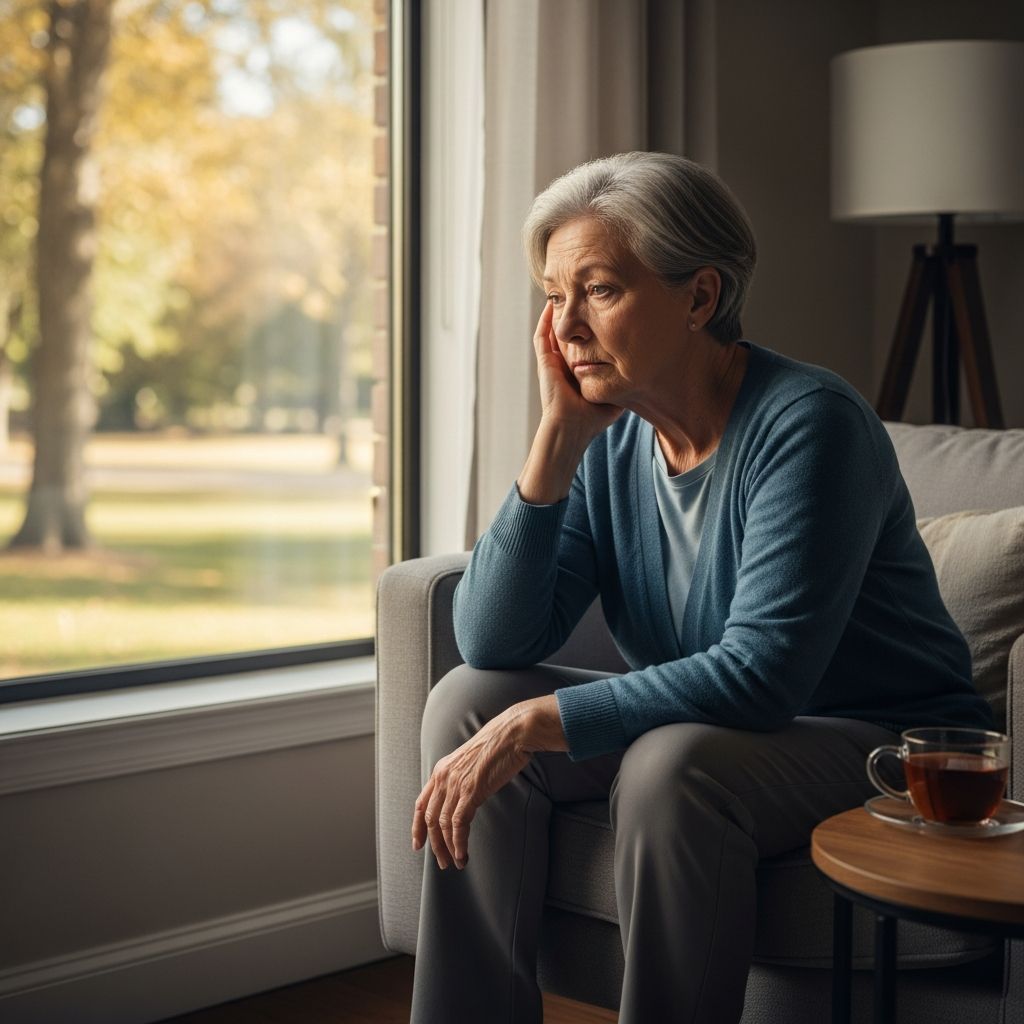
Parkinson’s disease (PD) fatigue represents a profound, persistent exhaustion that impacts nearly half of all patients, often ranking among the most disruptive symptoms even beyond classic motor issues like tremors or stiffness. Unlike ordinary tiredness that eases with rest, this fatigue persists regardless of sleep, stemming primarily from brain changes in neurotransmitter systems and basal ganglia circuits.
Defining the Core Nature of PD Fatigue
PD-related fatigue manifests as an overwhelming lack of energy for both physical and cognitive tasks, described by patients as a sense of depletion that hinders routine activities without tying directly to drowsiness or low motivation. It divides into physical weariness—feeling limbs heavy as lead—and mental fog, where sustaining attention or initiating tasks becomes exhausting.
- Physical Dimension: Demands excessive effort for movement, amplified by bradykinesia, rigidity, and tremors that overtax muscles.
- Mental Dimension: Impairs concentration and decision-making, often labeled cognitive fatigue, independent of motor slowdown.
Prevalence data indicate one-third of PD individuals cite it as their top complaint, emerging early, even pre-diagnosis, and worsening over time.
Unraveling the Brain Mechanisms Behind Fatigue
Research points to fatigue as a primary PD feature, rooted in neurodegeneration affecting dopamine, serotonin, and other pathways, rather than mere side effects of symptoms or drugs. Key pathophysiological elements include:
- Disrupted basal ganglia-cortical loops, especially frontal circuits, reducing motivational drive and energy regulation.
- Serotonin system deficits, shown by reduced binding in putamen, caudate, and limbic areas in fatigued PD patients.
- Neuroinflammation, hypothalamic-pituitary-adrenal axis alterations, and autonomic dysfunction like cardiac denervation.
Central fatigue dominates, involving diminished motor cortex activation influenced by sensory feedback and psychological factors, distinct from peripheral muscle fatigue. This aligns with PD’s multi-neurotransmitter pathology, where serotonin loss correlates strongly with fatigue severity.
Differentiating Fatigue from Related Symptoms
Clinically, PD fatigue stands apart from sleepiness, depression, or apathy, though overlaps exist. Patients report wanting to engage but lacking energy, without nap urges or mood-driven origins.
| Symptom | Key Traits in PD | Relation to Fatigue |
|---|---|---|
| Fatigue | Energy void not refreshed by rest; physical/mental drain | Primary; core PD trait |
| Sleepiness | Desire to sleep; improves with rest | Separate; sleep issues contribute secondarily |
| Depression | Mood lows drive inactivity | Co-occurs but not causal for most fatigue |
| Apathy | Lack of motivation despite energy | Overlaps in frontal circuits but distinguishable |
Primary fatigue lacks mood disorders or sleepiness, while secondary forms tie to these, yet most cases are intrinsic to PD pathology.
Everyday Impacts on Life with PD
Fatigue erodes quality of life by curbing social engagement, hobbies, work, and self-care, leading to isolation and heightened disability claims. It intensifies during medication “off” phases, compounding motor challenges and fostering frustration.
Related Stories



- Daily tasks like showering or cooking demand disproportionate effort.
- Social withdrawal reduces family interactions and community involvement.
- Career limitations persist even post-retirement via hobby loss.
Contributing Elements Beyond Core Pathology
While primary, fatigue amplifies via secondary factors:
- Motor Symptoms: Rigidity and slowness burn extra calories.
- Sleep Disruptions: Over 75% face insomnia, REM behavior disorder, or apnea, fragmenting rest.
- Medications: Dopamine agonists induce drowsiness; levodopa fluctuations cause crashes.
- Mood & Nutrition: Anxiety, depression, or poor diet exacerbate.
Post-deep brain stimulation, it persists, linked to mood but rooted in disease progression.
Proven Approaches to Combat PD Fatigue
Management blends lifestyle, therapy, and meds, focusing on modifiable contributors since no cure targets root mechanisms directly.
Physical Activity as First-Line Defense
Regular exercise counters fatigue by boosting dopamine sensitivity and energy pathways, with studies showing 20-30% improvement. Tailored programs outperform general advice.
- Aerobic: Cycling, walking (30 min/day, 3-5x/week).
- Strength: Resistance bands for rigidity.
- Balance: Tai chi or yoga for efficiency.
Optimizing Sleep Hygiene
Addressing disorders via CBT-I, CPAP for apnea, or meds like melatonin enhances daytime vigor.
Medication Adjustments and Supplements
Review dopamine agonists for swaps; stimulants like methylphenidate aid select cases. Modafinil shows mixed results.
Cognitive Behavioral Tactics
Energy conservation—prioritizing tasks, pacing—plus mindfulness reduces perception.
Nutritional and Holistic Supports
Balanced diets with proteins timed post-meds; hydration and caffeine strategically.
| Strategy | Evidence Level | Expected Benefit |
|---|---|---|
| Exercise Programs | High (RCTs) | 25-40% fatigue drop |
| Sleep Therapy | Moderate | Improved alertness |
| Med Tweaks | Variable | Case-specific relief |
| CBT/Energy Pacing | Emerging | Enhanced coping |
Monitoring and Personalized Care
Track via scales like PFS-16; apps log patterns tied to meds/sleep. Multidisciplinary teams—neurologists, PTs, psychologists—tailor plans.
FAQs on Parkinson’s Fatigue
Is PD fatigue the same as being sleepy?
No. Fatigue persists post-rest without sleep desire, unlike sleepiness.
Can exercise really help?
Yes, structured activity reduces it significantly per clinical trials.
Does depression cause all PD fatigue?
Rarely; most is primary from brain changes.
How early does fatigue start?
Often pre-motor symptoms, affecting prodromal stages.
Are there drugs specifically for it?
No FDA-approved; adjustments and off-label options used.
Proactive strategies empower PD patients to mitigate fatigue’s grip, fostering sustained engagement despite disease progression.
References
- The Pathophysiology of Fatigue in Parkinson’s Disease and its … — NIH/PMC. 2018-10-15. https://pmc.ncbi.nlm.nih.gov/articles/PMC6178705/
- Why Am I So Exhausted? Is Fatigue Related to Parkinson’s? — PhotoPharmics. 2023. https://photopharmics.com/?p=6242
- Fatigue in Parkinson’s — APDA. 2024-06-01. https://www.apdaparkinson.org/what-is-parkinsons/symptoms/fatigue/
- Parkinson’s Disease-related Fatigue: A Case Definition and … — NIH/PMC. 2016-05-23. https://pmc.ncbi.nlm.nih.gov/articles/PMC4863238/
- Fatigue & Sleep | Parkinson’s Disease — Michael J. Fox Foundation. 2025. https://www.michaeljfox.org/symptoms/fatigue-sleep
- Fatigue and Sleepiness in Parkinson’s Disease – YouTube — MU Health Care. 2023-11-10. https://www.youtube.com/watch?v=HOFjm-tcOws
Similar Articles








Read full bio of Sneha Tete