Fatty Cream: Complete Guide To Hydrated, Healthy Skin
Discover how fatty cream moisturizes dry skin, supports eczema and psoriasis management, and enhances everyday skincare routines effectively.
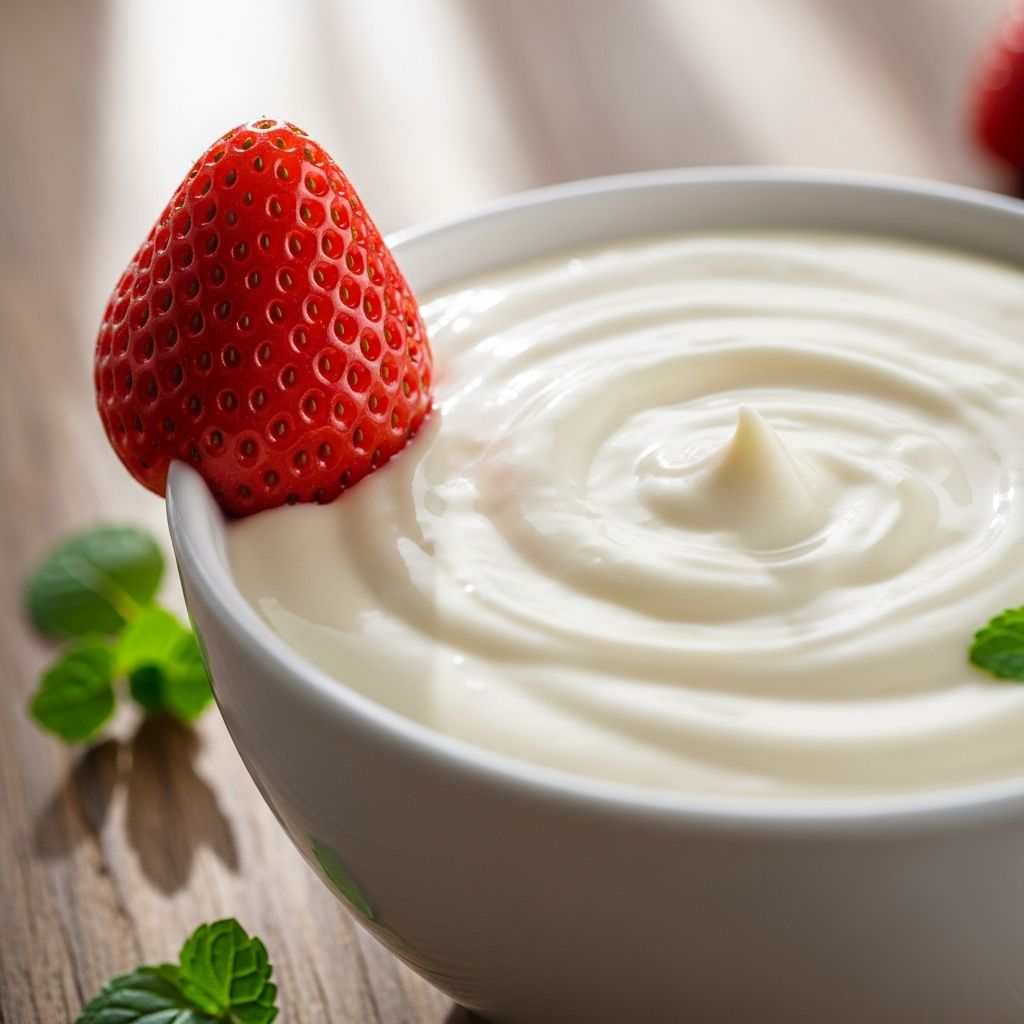
Fatty cream serves as a potent emollient formulation designed to combat dryness and support skin barrier function in various dermatological conditions. This oil-in-water emulsion strikes a balance between richness and absorbability, making it ideal for daily use on face and body alike. Unlike heavier ointments, it provides substantial moisture without excessive greasiness, helping to lock in hydration and soothe irritated skin surfaces.
Understanding Emollients and Fatty Cream’s Role
Emollients are cornerstone therapies in dermatology, working by forming a protective lipid layer that prevents transepidermal water loss. Fatty cream exemplifies this category, particularly beneficial for chronic conditions where skin hydration is compromised. It replenishes essential fatty acids, mimicking the skin’s natural oils to restore suppleness and reduce flakiness.
In clinical contexts, such creams prove invaluable for maintaining skin integrity post-cleansing or during flare-ups of inflammatory disorders. Their non-greasy texture ensures comfort, encouraging consistent application which is key to long-term efficacy.
Primary Skin Conditions Addressed by Fatty Cream
Fatty cream targets a spectrum of dry skin afflictions, with eczema and psoriasis at the forefront.
Eczema Management
Eczema, characterized by intense itching, redness, and scaling, disrupts the skin’s protective barrier. Regular use of fatty cream helps mitigate these symptoms by trapping moisture and calming inflammation. It is especially useful after bathing, when skin is most receptive to hydration.
- Reduces itchiness through sustained moisturization.
- Prevents cracking and secondary infections.
- Suitable for infants, children, and adults.
Psoriasis Relief
Psoriasis manifests as thickened, scaly plaques due to rapid cell turnover. While not a cure, fatty cream softens these lesions, easing discomfort and preparing skin for other therapies. Ointment variants are often preferred for their occlusive properties in psoriasis care.
- Softens scales for easier removal.
- Diminishes plaque thickness over time.
- Enhances penetration of medicated topicals.
How Fatty Cream Works on a Molecular Level
The efficacy of fatty cream stems from its emulsion structure: oil droplets dispersed in water, stabilized for optimal spreadability. Upon application, it deposits lipids that integrate with the stratum corneum, bolstering the intercellular matrix. This action not only hydrates but also repairs barrier defects common in atopic conditions.
Studies highlight emollients’ role in modulating skin pH and microbial balance, indirectly reducing flare triggers. For instance, consistent use can decrease reliance on corticosteroids by maintaining remission.
Optimal Application Techniques
To maximize benefits, apply fatty cream liberally several times daily, prioritizing damp skin post-wash. This ‘soak and smear’ method captures residual water, amplifying hydration.
| Scenario | Frequency | Tips |
|---|---|---|
| Daily Maintenance | 2-3 times/day | Thin layer all over body. |
| Flare-Up | 4+ times/day | Thicker application on affected areas. |
| Post-Bath | Immediately after | Pat dry, then apply while damp. |
| Children/Babies | As needed | Gentle pats, avoid eyes. |
Avoid rubbing vigorously to prevent irritation. For facial use, a lighter touch suffices due to thinner skin.
Related Stories



Safety Profile and Side Effects
Fatty cream is generally well-tolerated across age groups, being free of common irritants like SLS. However, rare sensitivities may occur.
- Common Mild Effects: Temporary greasiness or mild stinging on broken skin.
- Rare Reactions: Allergic contact dermatitis; discontinue if rash worsens.
- Precautions: Not for infected areas without medical advice. Test patch for new users.
Unlike steroid-containing products, plain fatty cream poses minimal risk of skin thinning or telangiectasia with prolonged use.
Comparing Fatty Cream to Other Moisturizers
| Type | Texture | Best For | Absorption |
|---|---|---|---|
| Fatty Cream | Medium-rich cream | Eczema, psoriasis, general dryness | Quick, non-greasy |
| Aqueous Cream | Light lotion | Mild dryness | Very fast |
| Emulsifying Ointment | Heavy grease | Severe barrier damage | Slow, occlusive |
| Lotions | Watery | Hairy areas | Fastest |
Fatty cream offers a middle ground, outperforming lighter options in retention while avoiding the heaviness of ointments.
Integration with Medical Treatments
Often used adjunctively, fatty cream enhances corticosteroid efficacy by improving drug delivery and reducing dosage needs. In psoriasis protocols, it follows scale removal; in eczema, it underpins ‘active’ phases.
Recent research underscores emollients’ standalone value: one trial showed topical creams augmenting dietary interventions for skin firmness, with measurable circumference reductions.
Special Considerations for Vulnerable Groups
Pregnancy and Breastfeeding
Plain emollients like fatty cream are deemed safe, providing relief without systemic absorption risks.
Elderly and Diabetics
Aging skin and diabetes heighten dryness; daily application prevents complications like ulcers.
Infants
Gentle and pediatric-approved, it soothes diaper rash precursors without steroids.
Lifestyle Tips to Boost Effectiveness
- Use fragrance-free cleansers to avoid stripping lipids.
- Humidify dry environments.
- Pair with sun protection for psoriasis patients.
- Monitor diet for anti-inflammatory benefits, as seen in cellulite studies.
Frequently Asked Questions (FAQs)
Can fatty cream be used on the face?
Yes, its non-comedogenic nature suits facial skin; apply sparingly around eyes.
How long until I see results?
Improvement in dryness often within days; chronic conditions may take weeks.
Is it steroid-free?
Standard fatty cream is; variants like Metvant contain mild steroids for inflammation.
Does it expire?
Check packaging; typically 12-24 months post-opening.
Can it treat acne?
No, it may clog pores in oily skin; opt for lighter gels.
Long-Term Skin Health Strategies
Beyond acute relief, incorporate fatty cream into routines preventing recurrence. Evidence supports emollients in reducing eczema severity by 60% with proactive use. Combine with gentle exfoliation for psoriasis scales.
For body contouring aspirations, while not a slimming agent, emollients improve tone alongside lifestyle changes, per controlled studies.
References
- Benefit of a topical slimming cream in conjunction with dietary advice — PMC. 2011-10-12. https://pmc.ncbi.nlm.nih.gov/articles/PMC3206221/
- Fatty Cream (Oil in Water Emulsion), 500g — NZ HealthE. Accessed 2026. https://nzhealthe.co.nz/skin-emollients-products/fatty-cream-oil-in-water-emulsion-500g
- SUPRIAD® OINTMENT, FATTY OINTMENT, CREAM & LOTION — myDr.com.au. Accessed 2026. https://mydr.com.au/medicines/supriad-ointment-fatty-ointment-cream-lotion/
- Metvant Fatty | healthdirect — healthdirect.gov.au. Accessed 2026. https://www.healthdirect.gov.au/medicines/brand/amt,631830761000036109/metvant-fatty
- Advantan Ointment, Fatty Ointment, Cream & Lotion — NPS MedicineWise. Accessed 2026. https://www.nps.org.au/medicine-finder/advantan-fatty-ointment
- Emollient: Benefits, Types, and Uses — Healthline. Accessed 2026. https://www.healthline.com/health/emollient
- Emollients — National Eczema Society. Accessed 2026. https://eczema.org/information-and-advice/treatments-for-eczema/emollients/
Similar Articles








Read full bio of medha deb