Fatty Liver Disease: 4 Stages, Symptoms, Treatment Guide
Understand fatty liver disease causes, stages, risks, and proven strategies for prevention and reversal through lifestyle changes.
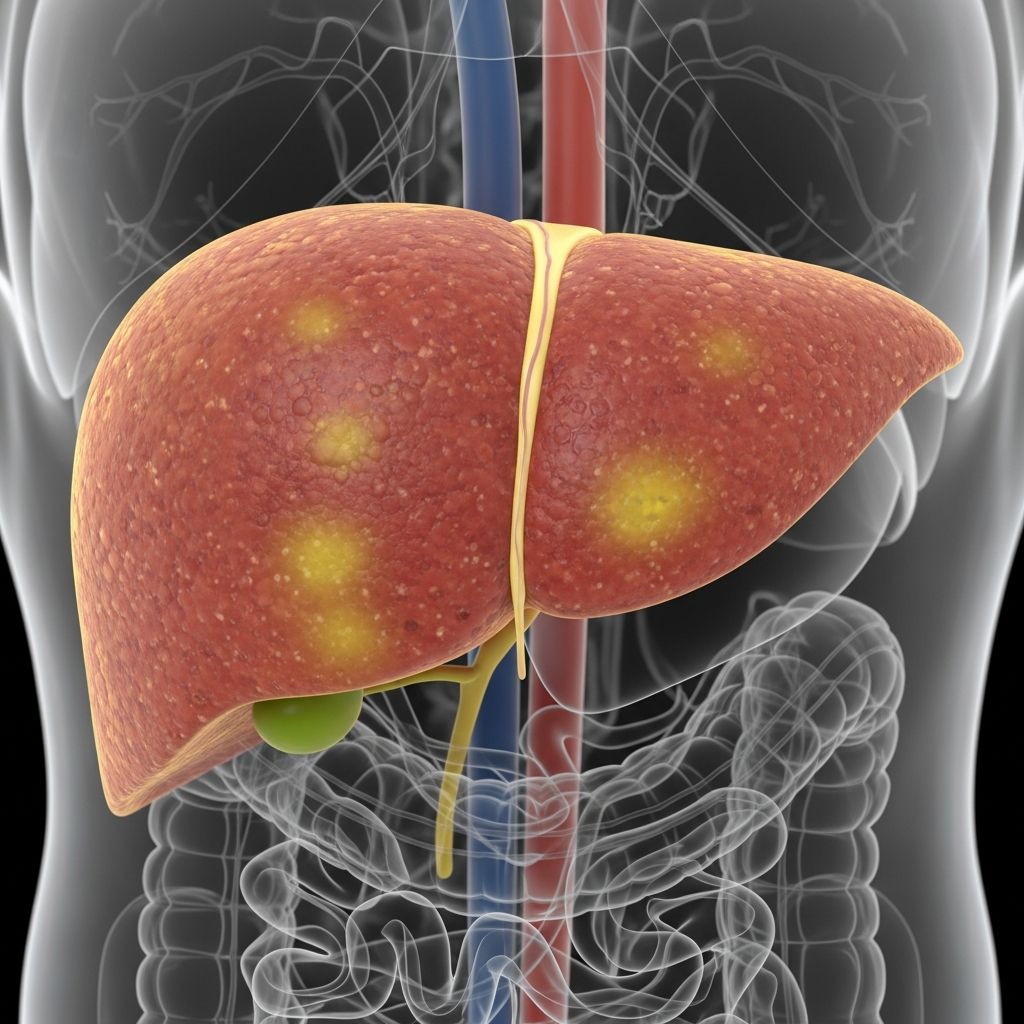
Fatty liver disease involves excessive fat accumulation in liver cells, often linked to metabolic issues rather than alcohol consumption. It ranges from benign fat buildup to severe inflammation and scarring, affecting millions worldwide.
Defining Fatty Liver Disease and Its Types
The liver normally holds a small amount of fat, but when this exceeds 5-10% of its weight, it signals fatty liver disease. Previously termed nonalcoholic fatty liver disease (NAFLD), it is now classified as metabolic dysfunction-associated steatotic liver disease (MASLD). This shift highlights its ties to metabolic syndrome components like obesity, type 2 diabetes, high blood pressure, and dyslipidemia.
MASLD splits into two primary forms:
- Simple MASLD: Fat buildup without significant inflammation or damage, typically harmless but a warning sign for progression.
- Metabolic-associated steatohepatitis (MASH): Advanced stage with inflammation, cell injury, and potential fibrosis. Formerly NASH, it raises risks for serious complications.
A variant, metabolic dysfunction-associated steatotic liver disease with alcohol (MetALD), occurs when moderate alcohol intake combines with metabolic risks: over 140g weekly for females or 210g for males.
Risk Factors Driving Fat Accumulation
Several interconnected factors promote fat buildup in the liver. Central obesity and insulin resistance are key culprits, where cells fail to respond to insulin, leading to elevated blood sugar and fat storage.
Common risks include:
- Obesity, especially abdominal fat.
- Type 2 diabetes or prediabetes.
- High triglycerides, elevated LDL cholesterol, low HDL cholesterol (dyslipidemia).
- Metabolic syndrome—a cluster of these conditions.
- Rapid weight loss, poor diet, or certain medications.
Not everyone with these risks develops the disease, but they significantly elevate chances. Genetic factors and gut health may also play roles, though research continues.
How the Disease Progresses Through Stages
Fatty liver often advances silently over years or decades. Early MASLD shows fat infiltration without harm, but unchecked, it evolves:
- Steatosis: Fat fills liver cells, causing swelling.
- Steatohepatitis (MASH): Inflammation and ballooning cells emerge, damaging tissue.
- Fibrosis: Scar tissue forms as repair response.
- Cirrhosis: Extensive scarring impairs function, risking liver failure or cancer.
Fibrosis severity best predicts outcomes; it advances one stage every 7-14 years on average. Not all cases progress, especially with intervention.
| Stage | Characteristics | Risks |
|---|---|---|
| Simple MASLD | Fat buildup, no inflammation | Low; monitor progression |
| MASH | Fat + inflammation + damage | Medium; fibrosis likely |
| Fibrosis | Scar tissue buildup | High; cirrhosis possible |
| Cirrhosis | Advanced scarring | Very high; failure, cancer |
Progression varies; liver fibrosis worsens faster in active steatohepatitis.
Recognizing Symptoms and Complications
Early stages are asymptomatic, detected incidentally via imaging or blood tests. As it advances, fatigue, right upper abdominal discomfort, or mild pain may appear.
Advanced cirrhosis brings severe signs:
- Jaundice (yellow skin/eyes).
- Itchy skin, unexplained weight loss.
- Abdominal swelling (ascites), leg edema.
- Easy bruising, confusion (hepatic encephalopathy).
Complications extend beyond the liver: heightened cardiovascular disease, diabetes worsening, and hepatocellular carcinoma risk, especially in cirrhosis. Liver cancer screening is advised every 6 months for cirrhotics.
Diagnostic Approaches for Confirmation
Diagnosis starts with risk assessment. Blood tests check liver enzymes (ALT/AST), though normal levels don’t exclude disease. Imaging like ultrasound reveals fat; FibroScan measures stiffness for fibrosis.
Related Stories



Definitive diagnosis often requires liver biopsy, assessing fat, inflammation, and fibrosis grades. Non-invasive scores (e.g., FIB-4) help triage.
Healthcare providers tailor tests based on risks like diabetes or obesity.
Lifestyle Interventions as Primary Treatment
No FDA-approved drugs exist solely for early MASLD; lifestyle changes are cornerstone. Losing 7-10% body weight can reduce fat, inflammation, and fibrosis.
- Exercise: 150+ minutes weekly aerobic (walking, swimming) plus resistance training. Boosts insulin sensitivity, burns fat.
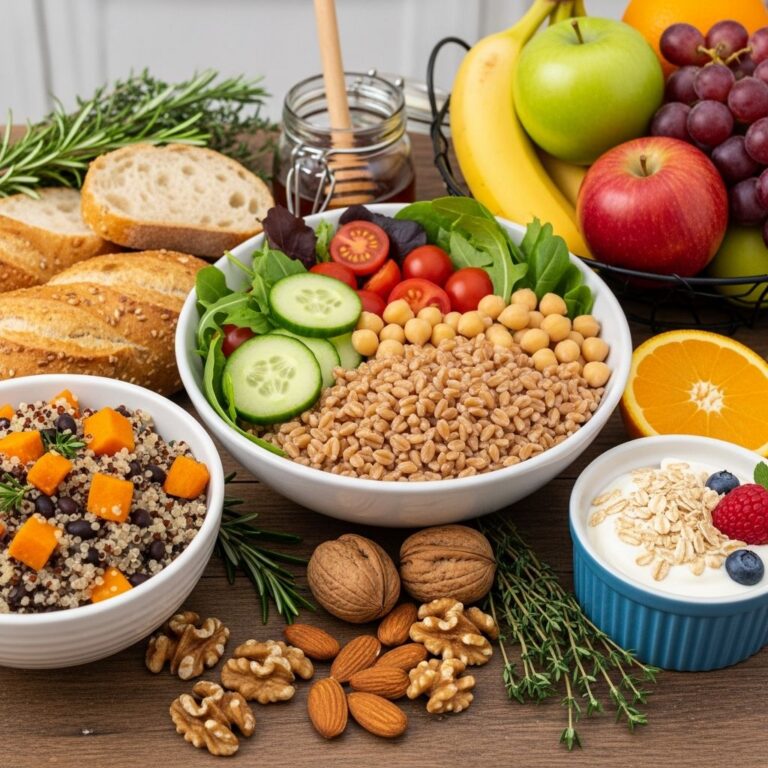
- Diet: Emphasize fruits, vegetables, whole grains, lean proteins; limit sugars, saturated fats, salt. Mediterranean-style diets excel.
Control comorbidities: optimize diabetes, cholesterol meds if needed.
Dietary Strategies for Liver Protection
A liver-friendly diet counters fat buildup. Focus on nutrient-dense foods reducing insulin resistance and inflammation.
Key recommendations:
- Avoid sugary drinks, high-fructose items, processed foods.
- Prioritize omega-3s (fish, nuts), fiber-rich veggies/fruits.
- Moderate alcohol, even in MASLD.
- Consider vitamin E for biopsy-proven MASH without diabetes/cirrhosis, under guidance.
Sample daily intake:
| Food Group | Recommended | Avoid/Limit |
|---|---|---|
| Grains | Whole grains (oats, quinoa) | Refined carbs, white bread |
| Proteins | Fish, poultry, legumes | Red/processed meats |
| Fats | Avocados, olive oil, nuts | Trans fats, fried foods |
| Sweets | Berries, small fruit portions | Soda, candy, HFCS |
Vaccinations for hepatitis A/B, flu, pneumococcal are crucial to prevent added liver stress.
Medical Management and Monitoring
For MASH/cirrhosis, monitor progression with regular imaging, bloodwork, or endoscopy for varices. Manage portal hypertension if present.
Emerging therapies target fibrosis; clinical trials offer hope. Pioglitazone or GLP-1 agonists help select diabetes patients. Always consult providers before supplements.
Prevention Tactics for Long-Term Liver Health
Prevent by maintaining healthy weight, balanced diet, regular activity. Screen high-risk groups proactively. Early detection allows reversal before irreversible damage.
Public health emphasizes metabolic health to curb rising prevalence tied to obesity epidemics.
Frequently Asked Questions (FAQs)
Can fatty liver disease be reversed?
Yes, early MASLD often reverses with 7-10% weight loss via diet and exercise. Even fibrosis can improve; cirrhosis is harder but manageable.
Is fatty liver linked to alcohol?
MASLD is non-alcohol related, but MetALD involves moderate drinking with metabolic risks. Abstinence benefits all.
What foods worsen fatty liver?
Sugary beverages, fried foods, processed meats, and excess carbs promote fat buildup. Opt for whole foods.
Who should get screened?
Those with obesity, diabetes, metabolic syndrome, or abnormal liver tests. Routine checks aid early intervention.
Does exercise alone help?
Yes, 150 minutes weekly reduces liver fat independently of weight loss by improving metabolism.
References
- Fatty Liver Disease — MedlinePlus. 2023. https://medlineplus.gov/fattyliverdisease.html
- Steatotic (Fatty) Liver Disease — Cleveland Clinic. 2024-02-01. https://my.clevelandclinic.org/health/diseases/15831-fatty-liver-disease
- Non-Alcoholic Fatty Liver Disease: A Patient’s Guide — U.S. Department of Veterans Affairs. 2022. https://www.hepatitis.va.gov/pdf/non-alcoholic-patient-guide.pdf
- Guide to Metabolic Dysfunction-Associated Fatty Liver Disease — Columbia Surgery. 2023. https://columbiasurgery.org/conditions-and-treatments/nonalcoholic-fatty-liver-disease
- Non-alcoholic fatty liver disease: A patient guideline — PMC – NIH. 2021-10-12. https://pmc.ncbi.nlm.nih.gov/articles/PMC8514420/
- Nonalcoholic Fatty Liver Disease (NAFLD) — American Liver Foundation. 2024. https://liverfoundation.org/liver-diseases/fatty-liver-disease/nonalcoholic-fatty-liver-disease-nafld/
Similar Articles








Read full bio of Sneha Tete