My Favorite Anti-Inflammatory Salad Recipe
Create a delicious, nutrient-dense anti-inflammatory salad packed with whole foods and healing ingredients.
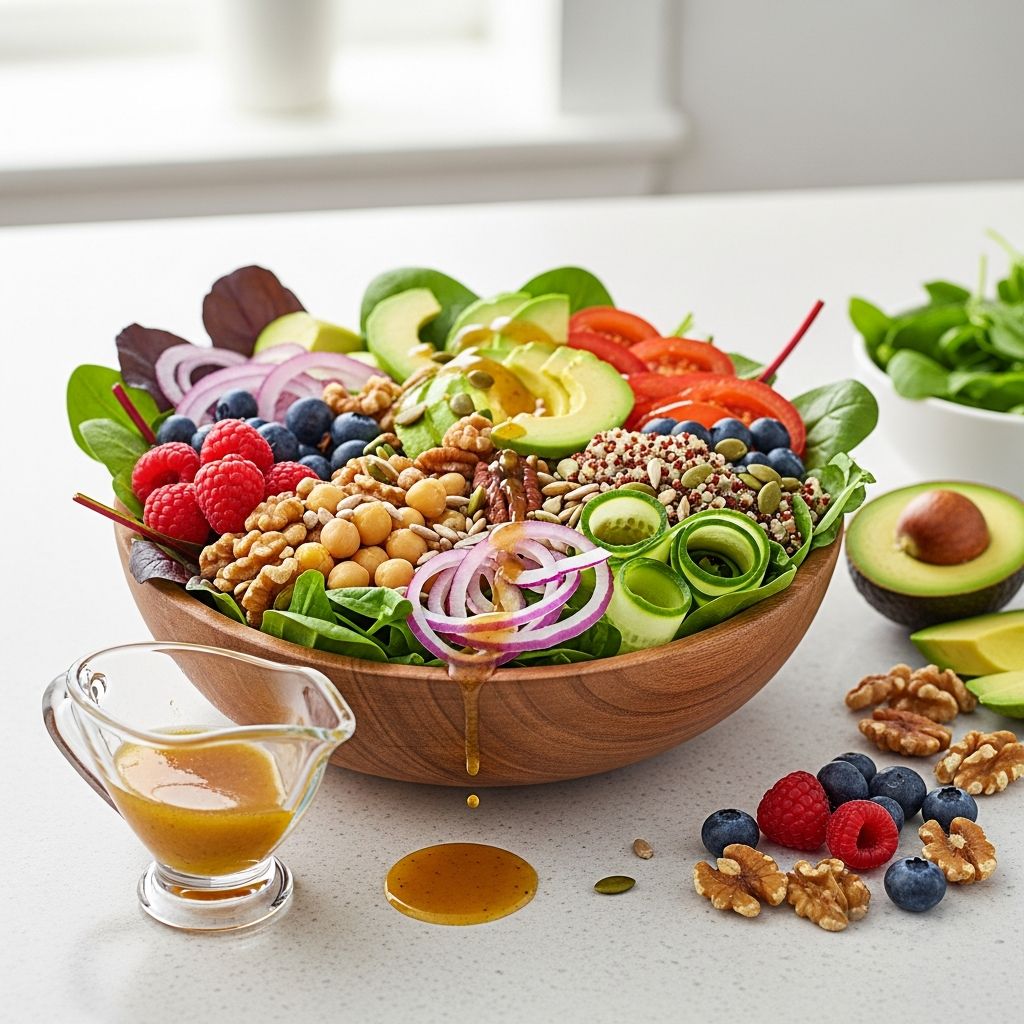
Creating meals that actively support your body’s healing processes doesn’t have to be complicated or tasteless. An anti-inflammatory salad represents one of the most effective and delicious ways to incorporate science-backed nutrition into your daily routine. This article explores the composition, benefits, and preparation of a transformative anti-inflammatory salad that combines vibrant vegetables, powerful antioxidants, and satisfying proteins into a single, nourishing bowl.
Understanding Anti-Inflammatory Eating
Chronic inflammation affects millions of people worldwide and serves as the foundation for numerous health conditions, including heart disease, diabetes, arthritis, and certain cancers. The foods we consume play a critical role in either promoting or reducing inflammation in our bodies. An anti-inflammatory diet emphasizes whole, unprocessed foods rich in antioxidants, omega-3 fatty acids, and polyphenols while limiting refined carbohydrates, trans fats, and processed ingredients that trigger inflammatory responses.
The beauty of an anti-inflammatory salad lies in its ability to deliver multiple categories of beneficial nutrients in a single, convenient meal. Rather than feeling like a restriction or punishment, this approach to eating feels abundant, colorful, and genuinely satisfying. Building a salad with intention means understanding which ingredients contribute most powerfully to reducing inflammation and supporting optimal health.
Key Anti-Inflammatory Ingredients to Include
Leafy Greens: The Foundation
The foundation of any anti-inflammatory salad should feature nutrient-dense leafy greens. Dark leafy greens like spinach, kale, arugula, and romaine lettuce contain high concentrations of vitamins K and C, along with numerous phytonutrients that combat oxidative stress. Spinach, in particular, contains abundant lutein and zeaxanthin—powerful antioxidants that protect cells from damage. Kale provides sulforaphane, a compound with well-documented anti-inflammatory properties.
Rather than limiting yourself to a single green, combining multiple varieties creates a more complex flavor profile and broader spectrum of nutrients. A handful of tender spinach paired with peppery arugula and nutrient-dense kale creates an excellent base that’s neither monotonous nor overwhelming.
Colorful Vegetables: Nature’s Medicine Cabinet
The vibrant colors in vegetables directly correspond to their antioxidant and anti-inflammatory compounds. Each color family provides unique benefits:
- Red and pink vegetables like bell peppers, tomatoes, and radishes contain lycopene and anthocyanins, powerful antioxidants that combat free radical damage
- Orange and yellow vegetables such as carrots and sweet peppers provide beta-carotene and vitamin C, supporting immune function and reducing inflammatory markers
- Purple and blue vegetables including purple cabbage contain anthocyanins, which have been shown to reduce inflammation markers in multiple research studies
- Green cruciferous vegetables like broccoli and Brussels sprouts provide glucosinolates that convert to isothiocyanates with proven anti-inflammatory effects
Including a rainbow of vegetables ensures you’re consuming a diverse array of phytochemicals that work synergistically to reduce inflammation throughout your body. Aim for at least three to four different vegetable colors in each salad for maximum benefit.
Healthy Fats: Essential Inflammation Fighters
Contrary to outdated dietary advice, healthy fats are essential for reducing inflammation. Omega-3 fatty acids, found abundantly in fatty fish, walnuts, flax seeds, and chia seeds, actively suppress inflammatory molecules in the body. The ratio of omega-3 to omega-6 fatty acids matters significantly—most modern diets contain excessive omega-6s relative to omega-3s, which promotes inflammation.
Adding sources of healthy fats to your anti-inflammatory salad accomplishes multiple goals simultaneously. It increases satiety, helping you feel fuller longer; it improves nutrient absorption, particularly for fat-soluble vitamins like vitamins A, D, E, and K; and it provides potent anti-inflammatory compounds. Excellent options include:
Related Stories



- Extra virgin olive oil (rich in oleocanthal, which works similarly to anti-inflammatory medications)
- Avocado (containing monounsaturated fats and glutathione)
- Nuts and seeds (walnuts, almonds, sunflower seeds, pumpkin seeds)
- Fatty fish like salmon (rich in EPA and DHA omega-3 fatty acids)
Plant-Based Proteins: Sustainable Nutrition
Protein is essential for tissue repair, hormone production, and immune function. While animal proteins can be part of an anti-inflammatory diet, plant-based proteins offer unique advantages. Legumes like lentils and chickpeas provide fiber alongside protein, supporting gut health and stable blood sugar levels. Tempeh and tofu offer complete proteins without the saturated fat often found in conventional meat products.
For those who consume animal products, wild-caught salmon stands out as an exceptional choice due to its high omega-3 content and relatively low mercury levels. Grass-fed beef and pasture-raised poultry also contain more favorable fatty acid profiles than their conventionally raised counterparts.
Whole Grains and Seeds: Complex Carbohydrates
Refined carbohydrates spike blood sugar and promote inflammation, but whole grains and seeds provide sustained energy alongside anti-inflammatory compounds. Quinoa, farro, and wild rice offer complete or complementary proteins, making them ideal salad additions. Seeds like flax, chia, and hemp provide both omega-3 fatty acids and fiber, supporting digestive health and stable energy levels.
The Complete Anti-Inflammatory Salad Recipe
Ingredients:
- 2 cups mixed dark leafy greens (spinach, kale, arugula)
- 1 cup shredded purple cabbage
- 1 large bell pepper (red or orange), sliced
- 1 medium beet, roasted and cubed
- 1 medium carrot, julienned or grated
- ½ cup cherry tomatoes, halved
- ¼ avocado, sliced
- ¼ cup cooked quinoa or farro
- ¼ cup cooked lentils or chickpeas
- 2 tablespoons walnuts or sunflower seeds
- 2 tablespoons pumpkin seeds
- 3 ounces wild-caught salmon or other protein of choice
Dressing:
- 3 tablespoons extra virgin olive oil
- 1 tablespoon raw apple cider vinegar
- ½ teaspoon Dijon mustard
- 1 clove garlic, minced
- ½ teaspoon fresh ginger, grated
- Sea salt and black pepper to taste
- Optional: ½ teaspoon turmeric for additional anti-inflammatory boost
Preparation Instructions:
Begin by arranging your mixed leafy greens as the foundation of a large bowl. Layer the purple cabbage, bell pepper, beet, carrot, and cherry tomatoes across the greens, creating distinct sections for visual appeal and easy eating. Place the avocado slices, cooked grains, and legumes strategically throughout.
If preparing your protein component, gently sauté or bake the salmon at 400°F for 12-15 minutes until flaky. Alternatively, if using plant-based proteins, ensure they’re properly cooked and seasoned. Place your protein source on top of the salad.
To prepare the dressing, whisk together the extra virgin olive oil, apple cider vinegar, Dijon mustard, minced garlic, grated ginger, and optional turmeric in a small jar or bowl. Season with sea salt and freshly ground black pepper. Shake vigorously if using a jar, or whisk until emulsified. The creamy, golden dressing complements the vibrant vegetables perfectly.
Drizzle the dressing evenly across your salad and top with walnuts and pumpkin seeds for satisfying crunch and additional omega-3 fatty acids. Serve immediately while the ingredients maintain their optimal texture and temperature contrast.
Nutritional Benefits and Science Behind Anti-Inflammatory Effects
This salad provides approximately 450-500 calories while delivering over 20 grams of protein, making it substantial enough for a complete meal. More importantly, it supplies multiple categories of anti-inflammatory compounds that work synergistically:
- Polyphenols from vegetables and olive oil reduce pro-inflammatory cytokines
- Omega-3 fatty acids from seeds, nuts, and fatty fish regulate inflammatory pathways
- Fiber from whole grains and vegetables promotes beneficial gut bacteria that produce short-chain fatty acids with anti-inflammatory properties
- Vitamins and minerals support antioxidant enzyme systems that neutralize free radicals
- Phytochemicals like sulforaphane and curcumin directly suppress inflammatory signaling molecules
Customization and Seasonal Variations
The beauty of this anti-inflammatory salad framework lies in its flexibility. As seasons change, you can substitute ingredients while maintaining anti-inflammatory benefits. During winter, incorporate roasted Brussels sprouts, pomegranate seeds, and persimmons. Summer variations might feature fresh zucchini ribbons, fresh berries, and grilled vegetables. Spring brings tender peas, asparagus, and fresh herbs, while fall offers roasted squash, apples, and seasonal root vegetables.
Protein variations allow dietary preferences and access to different foods. Chickpeas, black beans, hemp seeds, and grilled tofu all provide complete proteins. For those who consume animal products, organic eggs, wild-caught fish, and grass-fed beef integrate seamlessly into this framework.
Meal Prep and Storage Strategies
This salad works beautifully for meal preparation, though certain components require strategic assembly to maintain quality. Store raw vegetables in separate containers, keeping the dressing completely separate until just before eating. Cooked grains, legumes, and proteins can be prepared in batches and refrigerated for up to four days. Dress the salad immediately before consumption to prevent leafy greens from becoming soggy and wilted.
Alternatively, prepare all components and store them in glass containers, assembling the complete salad fresh each day. This approach ensures optimal texture and flavor while maintaining all nutritional properties.
Frequently Asked Questions
Q: How often should I eat anti-inflammatory salads?
A: Incorporating anti-inflammatory salads into your diet several times weekly provides significant benefits. Ideally, consume them 3-5 times per week as part of a broader anti-inflammatory eating pattern that emphasizes whole foods across all meals.
Q: Can I make this salad vegan or vegetarian?
A: Absolutely. Replace the salmon with extra legumes, tofu, tempeh, or additional nuts and seeds to maintain adequate protein intake. The nutritional profile remains anti-inflammatory and satisfying without animal products.
Q: What if I dislike certain ingredients?
A: The framework matters more than specific ingredients. Maintain the emphasis on dark leafy greens, colorful vegetables, healthy fats, quality proteins, and whole grains. Substitute disliked items with alternatives from the same category.
Q: Does cooking vegetables reduce their anti-inflammatory properties?
A: Some compounds are heat-sensitive, while others become more bioavailable when cooked. A combination of raw and lightly cooked vegetables provides the broadest spectrum of benefits. Light steaming or roasting preserves more nutrients than prolonged cooking.
Q: How does this salad support weight management?
A: The combination of fiber, protein, and healthy fats promotes satiety while keeping calorie density moderate. Stable blood sugar from complex carbohydrates reduces cravings and energy crashes that often trigger overeating.
References
- Mediterranean Diet and Cardiovascular Health — Harvard School of Public Health. 2024. https://www.hsph.harvard.edu/nutritionsource/mediterranean-diet/
- Anti-Inflammatory Effects of Omega-3 Fatty Acids — National Center for Biotechnology Information (NCBI/PubMed). 2023. https://pubmed.ncbi.nlm.nih.gov/
- Polyphenols and Inflammation in Diet — Academy of Nutrition and Dietetics. 2024. https://www.eatright.org/
- Cruciferous Vegetables and Sulforaphane Research — Johns Hopkins Medicine. 2024. https://www.hopkinsmedicine.org/
- Inflammation and Chronic Disease Prevention — Centers for Disease Control and Prevention (CDC). 2024. https://www.cdc.gov/
Similar Articles








Read full bio of medha deb