Adbry For Eczema: What Adults Need To Know
Discover how the FDA's approval of Adbry (tralokinumab-ldrm) offers new hope for adults battling moderate-to-severe atopic dermatitis with targeted IL-13 inhibition.
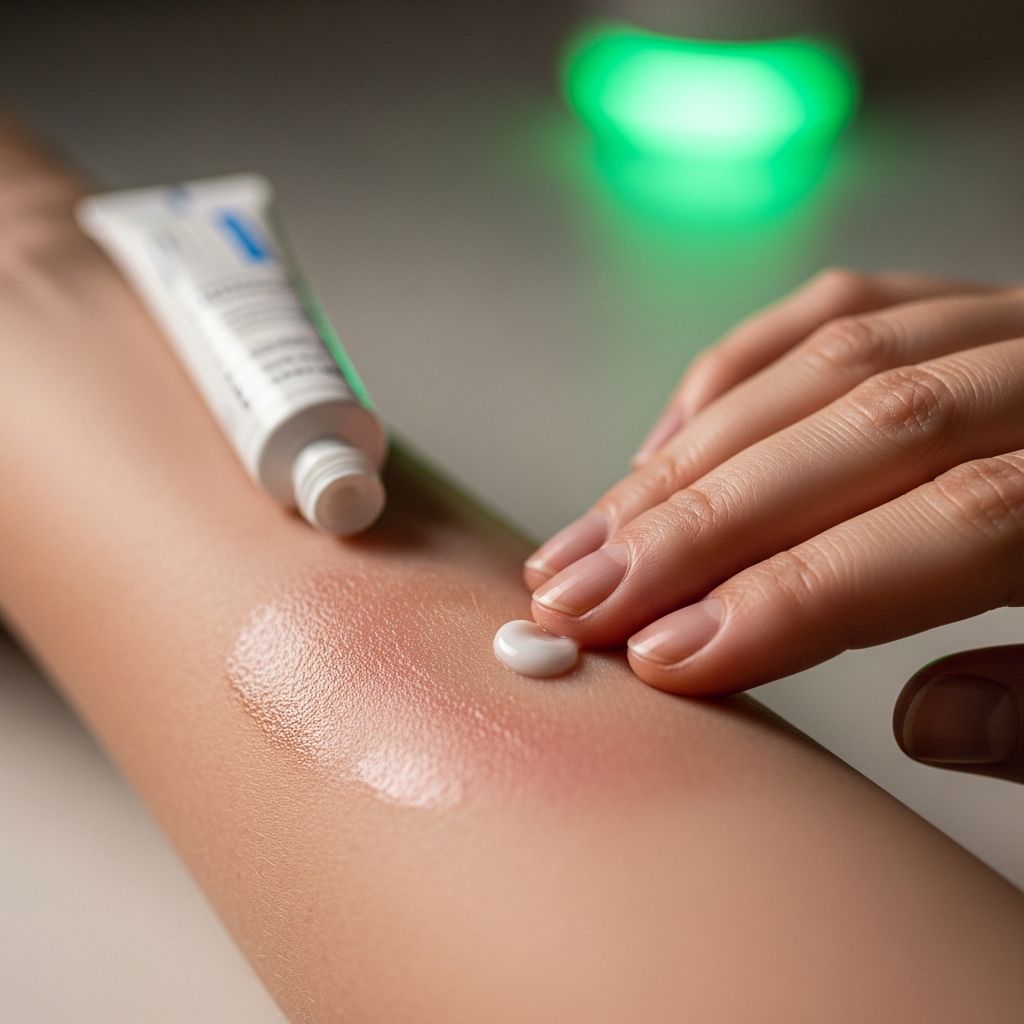
Atopic dermatitis, commonly known as eczema, affects millions worldwide with relentless itching, inflamed skin, and disrupted daily life. A major advancement arrived with the U.S. Food and Drug Administration’s (FDA) approval of Adbry (tralokinumab-ldrm), a groundbreaking biologic therapy designed specifically for adults with moderate-to-severe cases. This injectable medication zeroes in on a key inflammatory driver, offering targeted relief where traditional treatments often fall short.
Understanding the Burden of Moderate-to-Severe Eczema
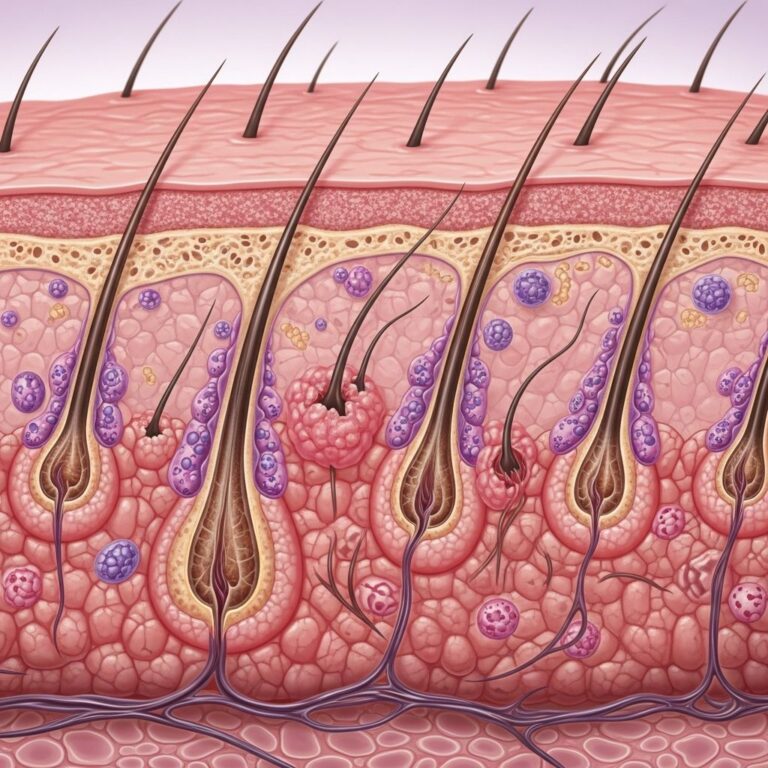
Eczema is more than dry skin; it’s a chronic inflammatory condition driven by immune dysregulation. In moderate-to-severe forms, patients endure widespread red, itchy rashes, sleep disturbances, and emotional distress. Common triggers like allergens, stress, and irritants exacerbate symptoms, leading to a cycle of flare-ups that topical creams alone can’t always control. For those unresponsive to standard therapies, systemic options become essential.
Statistics highlight the need: Over 16 million U.S. adults live with eczema, with a significant portion facing severe manifestations. Quality of life plummets due to constant itch—described as unrelenting—and visible skin changes that impact confidence and social interactions. Until recently, options were limited to broad immunosuppressants with notable side effects. Adbry’s arrival shifts the paradigm toward precision medicine.
How Adbry Targets the Root of Eczema Inflammation
Adbry, or tralokinumab-ldrm, is a fully human monoclonal antibody in the IgG4 class. Its mechanism is elegantly specific: it binds to interleukin-13 (IL-13), a cytokine central to eczema’s pathology. IL-13 fuels Th2 immune responses, promoting skin barrier breakdown, inflammation, and itch signaling.
Imagine IL-13 as a mischievous key unlocking inflammatory locks on skin cells. Adbry jams that keyhole by preventing IL-13 from docking with its receptors (IL-4Rα/IL-13Rα1 and IL-13Rα2). This halts downstream signals that thicken the epidermis, boost itch mediators like periostin, and weaken lipid barriers, allowing allergens to invade. By neutralizing IL-13, Adbry restores skin proteins essential for hydration and protection, reducing transepidermal water loss.
Unlike broad immunosuppressants (e.g., cyclosporine or methotrexate), which suppress multiple immune pathways and risk infections or organ toxicity, Adbry’s narrow focus minimizes off-target effects. Clinical data confirm it lowers Th2 biomarkers like IgE, IL-22, and periostin while thinning inflamed skin.
Clinical Trial Evidence: Proven Efficacy and Speed
Rigorous phase 3 trials—ECZTRA 1, ECZTRA 2, and ECZTRA 3 (with topical corticosteroids)—underpin Adbry’s approval. These randomized, double-blind studies enrolled adults with moderate-to-severe atopic dermatitis inadequately controlled by topicals.
- ECZTRA 1 and 2 (Monotherapy): At week 16, 15-16% on tralokinumab achieved clear/almost clear skin (IGA 0/1) vs. 7% on placebo. EASI-75 (75% symptom improvement) hit 25% vs. 13%. Itch relief and better sleep emerged by weeks 1-2.
- ECZTRA 3 (with TCS): Over 33% reached IGA 0/1 and 56% EASI-75 at week 16, far surpassing placebo. Long-term maintenance showed sustained benefits up to 52 weeks.
- Responders maintained gains with every-4-week dosing after initial every-2-weeks regimen, mimicking real-world use.
Adolescents aged 12+ showed similar promise in dedicated trials. Improvements spanned disease severity, age, sex, and atopic history, with faster, deeper relief than placebo.
Related Stories



Dosing and Administration: Simple Subcutaneous Injections
Adbry is self-administered via pre-filled syringes (150 mg/1 mL). The regimen starts with a loading dose of 600 mg (four 150 mg injections in one session, different sites like thigh or abdomen), followed by 300 mg (two injections) every other week. Responsive patients may space to every 4 weeks.
Injections go subcutaneously after cleaning the site; rotation prevents irritation. No refrigeration needed post-first use (store at room temp up to 30 days). It’s used with or without topicals, fitting diverse needs.
| Phase | Dose | Frequency | Notes |
|---|---|---|---|
| Loading | 600 mg (4 x 150 mg) | Week 0 | Multiple sites, same session |
| Maintenance | 300 mg (2 x 150 mg) | Every 2 weeks | Adjust to every 4 weeks if effective |
Safety Profile: Manageable Risks with Long-Term Data
Safety mirrors placebo across trials, with low discontinuation rates (2-3%). Common side effects are mild: upper respiratory infections (10-15%), conjunctivitis (5-10%, mostly mild), injection-site reactions (3%). No increased malignancy or serious infections noted over 52 weeks.
Conjunctivitis warrants monitoring—use artificial tears if needed. Hypersensitivity is rare; discontinue if anaphylaxis occurs. Live vaccines are contraindicated during therapy. Long-term data (up to 52 weeks) affirm sustained tolerability.
Key Safety Notes
- Monitor for eye irritation; resolves post-treatment.
- Avoid live vaccines.
- Not for acute flares alone—pair with topicals.
- Pregnancy: Limited data; discuss risks.
Adbry in the Eczema Treatment Landscape
Adbry joins dupilumab (blocks IL-4/IL-13) as an IL-13-focused biologic, but its selectivity may suit patients with eye issues from broader agents. It’s for adults 18+ post-failed topicals/systemics; adolescents pending further approval.
Cost and access vary; patient assistance programs exist. Dermatologists assess candidacy via EASI scores and history. Future expansions could include kids under 12.
Patient Perspectives: Real-Life Impact
Trials captured life-changing shifts: reduced itch enabled sleep; clearer skin boosted confidence. One metric: SCORAD scores dropped significantly, reflecting holistic gains. Patients report fewer flares, less steroid reliance.
Future Directions for IL-13 Therapies
Adbry’s success spotlights IL-13’s role, spurring combo trials and head-to-head studies. Pediatric expansions and oral alternatives loom. As biologics proliferate, personalized regimens based on biomarkers (e.g., IL-13 levels) promise optimized care.
Frequently Asked Questions (FAQs)
What is Adbry used for?
Adbry treats moderate-to-severe atopic dermatitis in adults not controlled by topical therapies.
How soon does Adbry work?
Itch and sleep improve in 1-2 weeks; peak skin clearance by week 16.
Can I use Adbry with other treatments?
Yes, often with topical corticosteroids for best results.
Is Adbry a cure for eczema?
No, it’s for long-term control; symptoms may return if stopped.
Who should avoid Adbry?
Those with active infections or hypersensitivity to ingredients.
References
- Tralokinumab – National Eczema Society — National Eczema Society. 2023-07. https://eczema.org/information-and-advice/treatments-for-eczema/tralokinumab/
- Tralokinumab: Uses, Interactions, Mechanism of Action — DrugBank. Accessed 2026. https://go.drugbank.com/drugs/DB12169
- Tralokinumab factsheet — National Eczema Society. 2023-07. https://eczema.org/wp-content/uploads/Tralokinumab-Jul-23.pdf
- Tralokinumab therapy for moderate‐to‐severe atopic dermatitis — Wiley Online Library (Allergy). 2023. https://onlinelibrary.wiley.com/doi/10.1111/all.15811
- What is Adbry (tralokinumab-ldrm) — Biologic Meds. Accessed 2026. https://biologicmeds.org/approved-biologics/adbry/
- Tralokinumab plus topical corticosteroids for atopic dermatitis — British Journal of Dermatology (Oxford Academic). 2021. https://academic.oup.com/bjd/article/184/3/450/6702218
Similar Articles








Read full bio of Sneha Tete