Febuxostat (Adenuric): Preventing Gout Attacks
Complete guide to febuxostat therapy for chronic gout management and uric acid control.
What is Febuxostat?
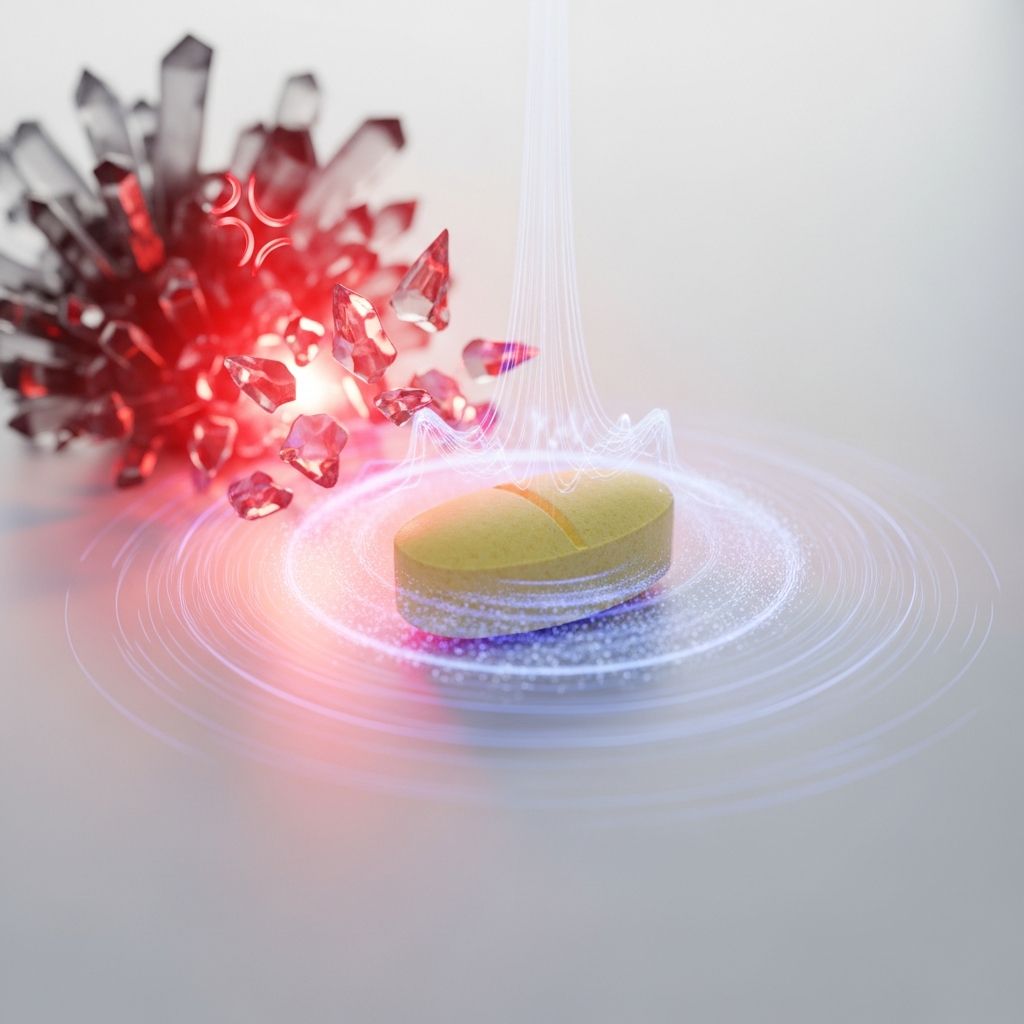
Febuxostat is an oral medication used to prevent gout attacks in adults with chronic gout by reducing uric acid levels in the body. It is marketed under the brand names Adenuric (European Union), Uloric (United States), and other regional brands. Unlike older gout treatments, febuxostat is a selective, non-purine xanthine oxidase inhibitor—a newer class of medication that offers distinct advantages in managing chronic hyperuricemia.
Gout is a form of inflammatory arthritis caused by the accumulation of uric acid crystals in joints, leading to sudden attacks of severe pain, swelling, and redness. When uric acid levels remain persistently elevated (a condition called hyperuricemia), crystals can deposit not only in joints but also in bones, tissues, and other organs, causing long-term damage. Febuxostat addresses this problem by preventing uric acid formation rather than simply managing acute symptoms.
How Febuxostat Works
Febuxostat reduces uric acid production through a specific mechanism of action. The medication works by blocking the enzyme xanthine oxidase, which is responsible for breaking down purines (compounds derived from diet) into uric acid. By inhibiting this enzyme, febuxostat decreases the amount of uric acid your body produces, thereby lowering serum uric acid levels in the blood.
This mechanism is dose-dependent, meaning higher doses produce greater reductions in uric acid levels. Clinical studies have demonstrated that febuxostat at daily doses of 40-80 mg reduces 24-hour mean serum uric acid concentrations by 40 to 55%. This significant reduction in uric acid levels prevents crystal formation and buildup, which is the underlying cause of gout flares.
When Febuxostat is Used
Febuxostat is indicated for the chronic management of hyperuricemia in adults with gout who meet specific criteria. Your doctor may prescribe febuxostat if you:
- Have an inadequate response to allopurinol (the traditional first-line gout medication) at maximally titrated doses
- Are intolerant or allergic to allopurinol
- Cannot safely take allopurinol due to contraindications or interactions
- Have chronic gout with evidence of urate deposition (tophi or gouty arthritis)
- Have mild to moderate renal impairment, as febuxostat does not require dose adjustment in these patients, unlike allopurinol
It is important to note that febuxostat is not recommended for asymptomatic hyperuricemia or secondary hyperuricemia. Additionally, your doctor will typically wait until acute gout attack symptoms have subsided before starting febuxostat treatment, as this medication is designed for prevention, not immediate relief of active flares.
Dosage and Administration
Febuxostat is available in tablet form and comes in different strengths to suit individual treatment needs. The dosing regimen is as follows:
- Recommended starting dose: 40 mg once daily
- Standard therapeutic dose: 80 mg once daily
- Higher dose option: 120 mg once daily (available in some regions for patients requiring more intensive uric acid lowering)
The medication should be taken every day as prescribed, preferably at the same time each day. Skipping doses or stopping the medication prematurely may increase your risk of gout flares and allow uric acid levels to rise again. Your doctor may adjust your dose based on your serum uric acid response and treatment goals, typically aiming to maintain uric acid levels below 6.0 mg/dL.
Related Stories



Unlike allopurinol, febuxostat does not require dose adjustment in patients with mild or moderate renal impairment. However, patients with severe renal impairment should discuss febuxostat use carefully with their healthcare provider.
Gout Flare Prevention During Treatment
An important consideration when starting febuxostat is the risk of gout flares. As your body begins lowering uric acid levels, existing uric acid crystals in joints and tissues can become mobilized, potentially triggering gout attacks. This phenomenon typically occurs in the initial weeks of treatment and is closely related to the drug-induced reduction in serum uric acid levels and mobilization of urate crystals.
To prevent these flares, your doctor will likely prescribe a second medication to take alongside febuxostat when you start treatment or when your dose is changed. Common flare-prevention medications include:
- Colchicine (a low dose)
- Low-dose prednisone or other corticosteroids
- NSAIDs (nonsteroidal anti-inflammatory drugs)
It is crucial not to discontinue febuxostat if a gout flare occurs during treatment. Instead, the flare should be managed concurrently with appropriate medications as prescribed by your doctor. With continuous febuxostat treatment, the frequency and intensity of gout flares gradually decrease. Most patients require several months of treatment before uric acid levels drop enough to control flares effectively.
Effectiveness and Long-Term Outcomes
Clinical evidence demonstrates that febuxostat is highly effective for long-term gout management. In randomized, double-blind studies lasting 6-12 months, febuxostat at approved doses (80 and 120 mg/day) proved significantly more effective than allopurinol in lowering serum uric acid levels in patients with hyperuricemia and gout. This advantage was particularly notable in patients with renal impairment.
Long-term extension studies revealed that 3-5 years of febuxostat treatment maintained a target serum uric acid level below 6.0 mg/dL in most patients. This sustained reduction in uric acid produced near-elimination of gout flares and improved the status of tophi—the chalky deposits of uric acid crystals that accumulate in soft tissues.
Your doctor will monitor your uric acid levels periodically to ensure that the target goal is being achieved and to determine if any dose adjustments are needed.
Side Effects and Safety Considerations
Like all medications, febuxostat may cause side effects in some patients. Understanding these potential effects helps you recognize problems and report them to your healthcare provider promptly.
Common Side Effects
The most frequently reported adverse events during febuxostat clinical development included:
- Liver function abnormalities (elevated liver enzymes)
- Diarrhea
- Rash or skin reactions
- Nausea
- Headache
- Sudden blurry vision
Most of these side effects are mild to moderate and may diminish with continued treatment. However, if you experience persistent or worsening symptoms, contact your doctor.
Serious Adverse Events
Cardiovascular (CV) events were the most common serious adverse events reported during febuxostat clinical development. The comparative safety of febuxostat and allopurinol in patients with gout who already have, or are at risk of developing, cardiovascular disease is being examined further in large, ongoing clinical trials.
Liver function abnormalities require monitoring, particularly in the first months of treatment. Your doctor will likely order liver function tests before starting febuxostat and periodically during treatment, especially if you have pre-existing liver disease.
Special Populations and Contraindications
Pregnancy and breastfeeding: Febuxostat is contraindicated in pregnancy and women intending to become pregnant, as the effects on fetal development are unknown. If you are of childbearing age, discuss contraception options with your healthcare provider before starting treatment.
Renal impairment: Febuxostat has a significant advantage over allopurinol in patients with kidney disease. While allopurinol requires dose adjustment in renal impairment, febuxostat does not require dosage adjustment in patients with mild or moderate renal impairment. However, patients with severe renal impairment should use febuxostat cautiously and under close medical supervision.
Liver disease: Liver function abnormalities are among the most commonly reported side effects. Patients with pre-existing liver disease should be monitored closely, and baseline liver function tests are advisable before initiating therapy.
Drug Interactions and Monitoring
While specific interaction details vary, patients taking febuxostat should inform their healthcare provider of all other medications and supplements they use. Your doctor will consider potential interactions when prescribing febuxostat alongside other treatments for gout flare prevention, cardiovascular conditions, or other concurrent health issues.
Regular monitoring typically includes:
- Serum uric acid levels (to assess treatment response)
- Liver function tests (to detect abnormalities early)
- Kidney function tests (baseline assessment)
- Blood pressure and cardiovascular assessment (particularly in at-risk patients)
Comparison with Allopurinol
Febuxostat and allopurinol are both xanthine oxidase inhibitors, but they differ in several important ways:
| Feature | Febuxostat | Allopurinol |
|---|---|---|
| Type | Non-purine, selective XO inhibitor | Purine-based XO inhibitor (traditional) |
| Renal impairment dosing | No adjustment needed for mild-moderate impairment | Requires dose adjustment |
| Efficacy | More effective in lowering uric acid | Less potent, especially in renal disease |
| Approval | EU: 2008; FDA: 2009 | Approved decades earlier |
| Primary indication | Second-line or when allopurinol fails/contraindicated | First-line treatment for chronic gout |
Lifestyle Measures to Support Treatment
While febuxostat is highly effective, combining it with lifestyle modifications enhances outcomes and reduces gout flare frequency. Recommended measures include:
- Maintaining adequate hydration (drink plenty of fluids to support uric acid excretion)
- Limiting purine-rich foods (red meat, organ meats, certain seafood)
- Reducing alcohol consumption, particularly beer
- Limiting fructose and sugary beverages
- Maintaining a healthy body weight
- Managing stress and ensuring adequate rest
- Taking pain and anti-inflammatory medications as prescribed during gout flares
Frequently Asked Questions (FAQs)
Q: How long does febuxostat take to start working?
A: Febuxostat begins lowering uric acid levels within days, but it typically takes several months for serum uric acid to reach target levels (below 6.0 mg/dL) and for gout flares to decrease significantly. Patience and consistent medication adherence are essential.
Q: Can I stop febuxostat once my gout improves?
A: No. Febuxostat is a long-term maintenance therapy. Stopping the medication allows uric acid levels to rise again, leading to recurrent gout flares and potential organ damage from crystal deposition. Your doctor will determine the appropriate duration of treatment based on your individual circumstances.
Q: What should I do if I experience a gout flare while taking febuxostat?
A: Do not stop taking febuxostat. Instead, contact your doctor to manage the flare with appropriate medications such as colchicine, NSAIDs, or corticosteroids. Continuing febuxostat while treating the flare is important for long-term disease control.
Q: Is febuxostat safe if I have kidney disease?
A: Febuxostat is safer than allopurinol in patients with mild to moderate renal impairment because it does not require dose adjustment. However, patients with severe kidney disease should discuss use with their nephrologist.
Q: Are there any foods I should avoid while taking febuxostat?
A: While febuxostat lowers uric acid production, limiting purine-rich foods (red meat, organ meats, certain seafood), alcohol, and high-fructose beverages still helps reduce gout flare risk and supports overall treatment effectiveness.
Q: Can I take febuxostat during an acute gout attack?
A: Your doctor will typically wait until acute gout symptoms have subsided before starting febuxostat, as the medication is designed for prevention rather than acute relief. If you are already taking febuxostat when a flare occurs, continue the medication while treating the acute symptoms with appropriate anti-inflammatory therapy.
Conclusion
Febuxostat (Adenuric) represents an important advance in chronic gout management, particularly for patients who do not respond adequately to or cannot tolerate allopurinol. By effectively lowering uric acid levels through selective xanthine oxidase inhibition, febuxostat prevents the formation of uric acid crystals and promotes the resorption of existing deposits. With consistent use over months and years, most patients achieve near-elimination of gout flares and improved quality of life. While side effects and cardiovascular monitoring warrant attention, the long-term benefits of sustained uric acid control make febuxostat a well-established and effective therapeutic option for chronic hyperuricemia and gout management.
References
- Febuxostat: a review of its use in the treatment of hyperuricaemia in gout — PubMed/NCBI. 2014. https://pubmed.ncbi.nlm.nih.gov/25724536/
- Febuxostat: Uses, Interactions, Mechanism of Action — DrugBank. https://go.drugbank.com/drugs/DB04854
- Adenuric — European Medicines Agency (EMA). https://www.ema.europa.eu/en/medicines/human/EPAR/adenuric
- Febuxostat (Uloric) — American College of Rheumatology. https://rheumatology.org/patients/febuxostat-uloric
- Febuxostat (Uloric): Uses, Side Effects, Interactions — WebMD. https://www.webmd.com/drugs/2/drug-151868/febuxostat-oral/details
- ADENURIC Tablets Consumer Information — Medsafe. https://www.medsafe.govt.nz/consumers/cmi/a/adenuric.pdf
- ULORIC (febuxostat) tablet for oral use — Prescribing Information — FDA. 2017. https://www.accessdata.fda.gov/drugsatfda_docs/label/2017/021856s011lbl.pdf
Similar Articles








Read full bio of medha deb