Fecal Impaction: Causes, Symptoms, and Treatment
Understanding fecal impaction: Recognize symptoms, explore treatment options, and prevent complications.
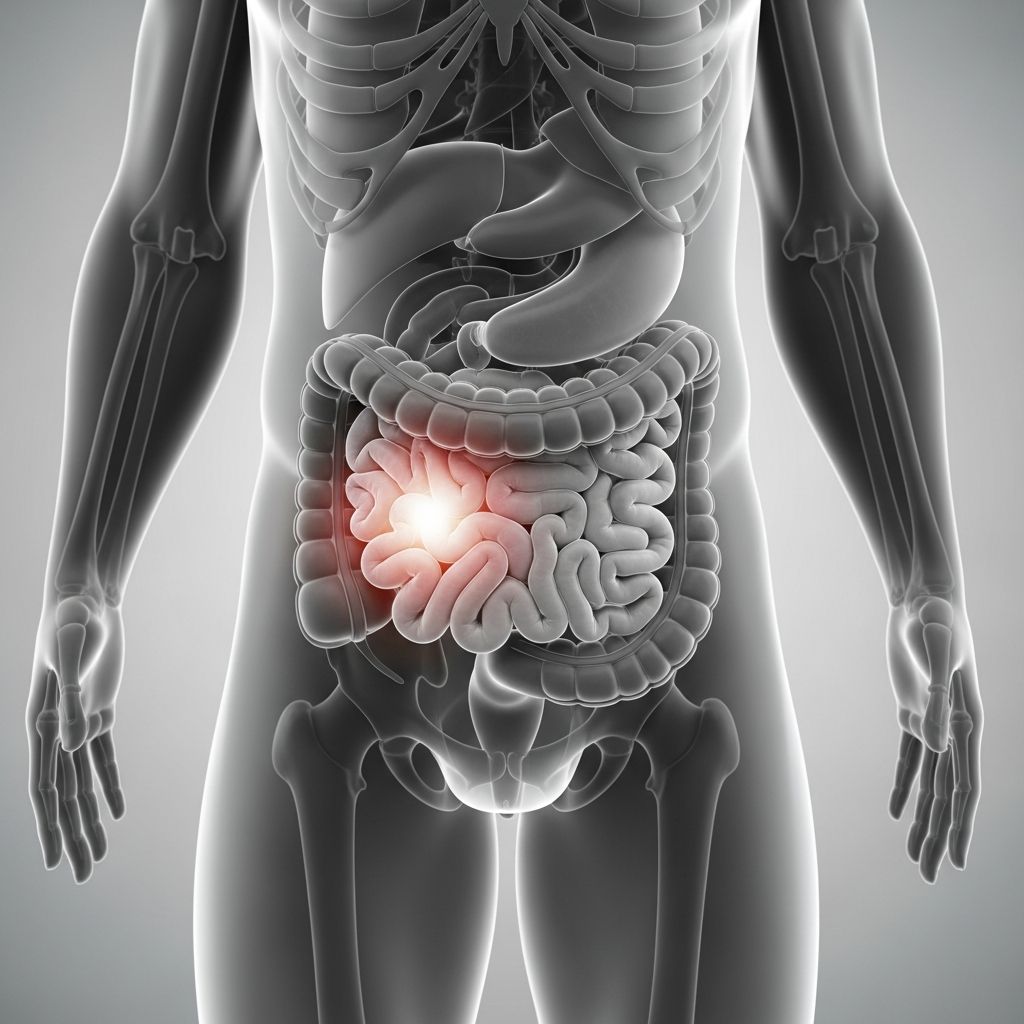
Understanding Fecal Impaction
Fecal impaction is a serious gastrointestinal condition that occurs as a result of severe constipation, when you’re unable to regularly pass stool and it backs up inside your large intestine (colon). The condition can also be defined by your inability to sense and respond to the presence of stool in your rectum. When fecal matter becomes trapped and hardened in the lower digestive tract, it creates a blockage that prevents normal bowel function and can lead to significant discomfort and potentially serious health complications if left untreated.
Fecal impaction is particularly prevalent among elderly populations. Nearly half of all elderly people in nursing homes experience fecal impaction, often as a result of decreased mobility, neurological disorders, and medication side effects. While this condition is more common in seniors, it can affect individuals of any age who experience chronic constipation or other risk factors.
What Causes Fecal Impaction
Fecal impaction develops through a combination of factors that interfere with normal bowel function. Understanding these contributing causes can help you identify your risk and take preventive measures.
Primary Risk Factors
The most significant contributors to fecal impaction include colonic hypomotility (reduced muscle contractions in the colon), inadequate dietary fiber intake, and insufficient water consumption. These factors are especially prevalent in elderly and neuropsychiatric patient populations. Medications represent another major risk factor, particularly opiates, antipsychotics, iron preparations, and calcium channel blockers, which can significantly slow bowel movement and promote stool hardening.
Medical and Anatomical Factors
Certain medical conditions increase your susceptibility to fecal impaction. Metabolic disorders such as hypothyroidism, diabetes mellitus, uremia, porphyria, and hypercalcemia can impair normal digestive function. Congenital and acquired conditions affecting the colon and rectum, including megacolon, Hirschsprung disease, and Chagas disease, may also contribute to impaction development. Additionally, anatomic and functional abnormalities of the anorectum, such as pelvic floor prolapse, should be considered as potential contributing factors.
Lifestyle and Behavioral Factors
Decreased mobility is a significant risk factor, particularly in institutionalized elderly patients. Paradoxically, laxative abuse can lead to constipation and fecal impaction, as patients become dependent on progressively higher doses and lose their natural bowel response to colonic distention. Following anorectal surgery, fecal impaction can occur as a rare but serious complication, with studies showing a 0.4% incidence after operative hemorrhoidectomy, often related to opioid pain medications used during recovery.
Recognizing Symptoms of Fecal Impaction
Fecal impaction presents with a range of symptoms that vary in severity depending on the extent of the blockage. Early recognition of these symptoms is crucial for preventing serious complications.
Common Symptoms
The typical presenting symptoms of fecal impaction mirror those of intestinal obstruction and include:
- Severe constipation or inability to pass stool
- Rectal discomfort and pain
- Abdominal pain and distention
- Nausea and vomiting
- Loss of appetite (anorexia)
- Paradoxic diarrhea (leakage of liquid stool around the impaction)
- Fecal incontinence
- Urinary frequency and urgency
- Urinary overflow incontinence
Severe Warning Symptoms
Certain symptoms indicate a medical emergency and require immediate healthcare attention. Severe symptoms of fecal impaction include confusion, agitation, worsening psychosis, severe dehydration, bleeding from the rectum, fever, and signs of sepsis. If you experience any of these severe symptoms, contact your healthcare provider immediately. These warning signs may indicate that complications have developed, such as perforation of the bowel or systemic infection.
Related Stories



Diagnosis of Fecal Impaction
Healthcare providers diagnose fecal impaction through a combination of physical examination and imaging studies. The diagnostic process begins with a thorough patient history and assessment of bowel habits, medication use, and symptom onset.
Physical and Digital Examination
The primary diagnostic method involves a digital rectal examination, during which your healthcare provider feels the rectum to identify a large accumulation of hardened stool. This hands-on examination can often detect impaction in the rectum and assess the severity of the blockage.
Imaging Studies
If your provider suspects the impaction is located higher in the colon rather than the rectum, an abdominal X-ray can confirm the location and extent of the fecal matter buildup. This imaging helps determine the most appropriate treatment approach and assess whether complications such as perforation or obstruction are present.
How Fecal Impaction is Treated
Treatment of fecal impaction involves a systematic three-step approach to safely remove the blockage and prevent recurrence. The specific treatment chosen depends on the severity and location of the impaction.
Step-by-Step Treatment Approach
Healthcare providers remove the blockage caused by fecal impaction through a carefully planned process that prioritizes patient safety and comfort. Your healthcare provider will monitor any treatments to confirm successful blockage removal and watch for potential complications.
Treatment Options by Severity
Several treatment options are available depending on the severity and location of the impaction:
Mild to Moderate Impactions
Mild impactions are often relieved through the gentle administration of retention enemas, which help soften the stool and encourage evacuation. Stool softeners, such as docusate sodium, are frequently prescribed to make the stool easier to pass. Laxatives, particularly osmotic laxatives like polyethylene glycol or magnesium citrate, help draw fluid into the bowel to soften stool and promote movement. Increased fiber intake through dietary modifications or supplements can also support bowel function.
Severe Impactions
More severe impactions often require manual disimpaction, a procedure in which hardened stool is physically fragmented and removed. When manual disimpaction is performed in the rectum, it may be done with local anesthesia or sedation for patient comfort. An anal block using local anesthetic such as 0.5% or 1% Xylocaine may be administered in combination with conscious sedation to reduce discomfort during the procedure.
Advanced Removal Techniques
Rectal foreign bodies or bezoars (hard masses of ingested material) can be removed using the Foley catheter technique. A three-way Foley catheter is passed into the rectum, gently inflated, and withdrawn to retrieve the impacted material. Proximal washouts using saline solutions may be performed to help evacuate more proximal impactions. In some cases, professional disimpaction under anesthesia in an operating room or endoscopy suite may be necessary for complex or severe cases.
Recovery and Post-Treatment Care
After successful removal of the fecal impaction, most patients experience significant relief from discomfort and pain in the lower abdominal region. However, ongoing care is essential to prevent recurrence.
Following blockage removal, you should be placed on additional stool softeners and laxatives as recommended by your healthcare provider. Your provider will also advise you on the importance of maintaining regular bowel movements and implementing lifestyle modifications. Taking preventative measures significantly reduces the likelihood that your fecal impaction will return.
Serious Complications of Untreated Fecal Impaction
If left untreated, fecal impaction can progress to cause serious, life-threatening complications. Understanding these potential consequences underscores the importance of prompt medical attention.
Untreated fecal impaction can lead to:
- Stercoral ulceration (ulcers caused by prolonged pressure from hardened stool)
- Colitis (inflammation of the colon)
- Bowel perforation and peritonitis
- Sepsis and systemic infection
- Aspiration of gastric contents leading to pneumonia
- Acute kidney injury from dehydration and electrolyte imbalances
- Cardiovascular complications from metabolic derangements
These complications can be fatal if not promptly managed. Fecal impaction causing ulcers, colitis, or obstruction to your colon can be potentially fatal if severe complications develop.
Prevention Strategies
Fecal impaction is largely preventable through lifestyle modifications and proactive health management. The best approach is to treat constipation at the first sign of a problem passing stool regularly.
Key Prevention Methods
Fecal impaction can be avoided by implementing the following strategies:
- Increase dietary fiber: Consume 25-35 grams of fiber daily from whole grains, fruits, vegetables, and legumes
- Stay hydrated: Drink adequate water throughout the day, aiming for 8-10 glasses daily
- Maintain physical activity: Engage in regular exercise to promote bowel motility
- Establish regular bowel habits: Set aside consistent time for bowel movements, ideally after meals
- Respond to urge: Never ignore the urge to have a bowel movement
- Limit medications: Work with your provider to minimize use of constipating medications like opioids
- Avoid laxative abuse: Use laxatives only as directed by your healthcare provider
- Monitor bowel function: Report changes in bowel habits to your healthcare provider promptly
If you have chronic constipation, discuss prevention strategies with your provider to reduce your risk of developing fecal impaction. Healthcare providers can help identify underlying causes and develop a personalized prevention plan.
Frequently Asked Questions
Q: What is the difference between constipation and fecal impaction?
A: Constipation is infrequent or difficult bowel movements, while fecal impaction is severe constipation where stool becomes hardened and stuck in the rectum or colon, unable to be passed without medical intervention. Constipation can progress to fecal impaction if left untreated.
Q: How common is fecal impaction in elderly populations?
A: Fecal impaction is very common in elderly people, particularly in institutional settings. Nearly half of all elderly people in nursing homes experience fecal impaction due to decreased mobility, neurological disorders, and medication side effects.
Q: Can fecal impaction resolve on its own?
A: Fecal impaction typically cannot resolve without medical intervention. The hardened stool is too firmly packed to pass naturally, requiring professional treatment such as manual disimpaction or medical management with enemas and laxatives.
Q: When should I seek emergency care for fecal impaction symptoms?
A: Contact your healthcare provider immediately if you experience severe symptoms including confusion, severe dehydration, fever, rectal bleeding, signs of infection, or inability to have a bowel movement accompanied by severe abdominal pain. These may indicate serious complications requiring urgent evaluation.
Q: Can medications cause fecal impaction?
A: Yes, several medications increase the risk of fecal impaction, particularly opioids, antipsychotics, iron supplements, and calcium channel blockers. Discuss medication side effects with your healthcare provider if you develop constipation.
Q: How is fecal impaction diagnosed?
A: Fecal impaction is diagnosed through a digital rectal examination and may be confirmed with abdominal X-rays if the impaction is suspected to be located higher in the colon.
Q: What is digital disimpaction?
A: Digital disimpaction is a procedure where hardened stool in the rectum is manually fragmented and removed by a healthcare provider, often with local anesthesia or sedation for comfort.
Q: Can fecal impaction be prevented?
A: Yes, fecal impaction is preventable through adequate fiber and water intake, regular physical activity, maintaining regular bowel habits, and addressing constipation promptly with your healthcare provider.
References
- Fecal Impaction: What It Is and How It’s Treated — Cleveland Clinic. 2024. https://my.clevelandclinic.org/health/diseases/23085-fecal-impaction
- Fecal Impaction: A Cause for Concern? — National Center for Biotechnology Information (NCBI). 2012. https://pmc.ncbi.nlm.nih.gov/articles/PMC3348734/
- Fecal Impaction — National Center for Biotechnology Information (NCBI). 2009. https://pmc.ncbi.nlm.nih.gov/articles/PMC2780143/
Similar Articles








Read full bio of medha deb