Feed Your Gut: Nourishing Microbiomes for Optimal Health
Discover how to nourish your gut microbiome with science-backed nutrition strategies for better health.
Understanding Your Gut Microbiome
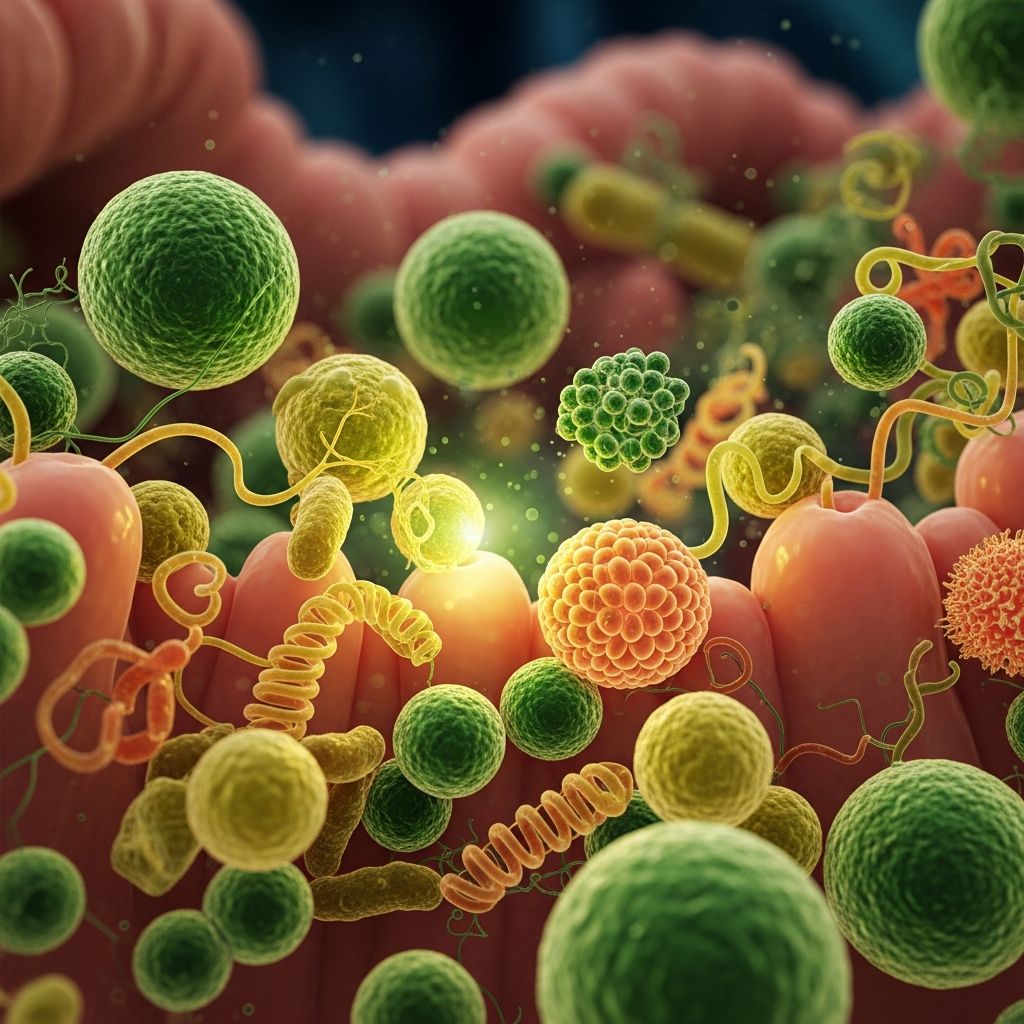
Your gut microbiome consists of trillions of microorganisms—bacteria, viruses, and fungi—that inhabit your digestive system. These microscopic residents play a crucial role in numerous aspects of human health, influencing everything from immune function to mental wellbeing. The composition and health of your microbiome directly correlates with your overall health status, affecting digestion, nutrient absorption, immune response, and even mood regulation.
The microbiome begins developing at birth and continues to evolve throughout your life based on environmental factors, lifestyle choices, and particularly your diet. Early colonization of the gut with beneficial bacteria establishes the foundation for lifelong health. Breastfeeding, for instance, promotes the growth of Bifidobacterium, which enhances immune function and reduces inflammation. Understanding how to maintain and nurture this microbial ecosystem is essential for long-term health and disease prevention.
How Diet Shapes Your Microbiome
Research demonstrates that diet is one of the most significant factors influencing microbiome composition. What you eat directly determines which microorganisms thrive in your gut and which decline. Recent scientific studies show that dietary changes can alter your microbiome composition within as little as 24 hours, highlighting the immediate impact of nutritional choices.
Cooking methods also influence your microbiome in unexpected ways. A groundbreaking study from UC San Francisco and Harvard University revealed that cooking fundamentally alters the microbiomes of both animals and humans. The research found that cooking changes the bioavailability of nutrients, affecting which microbes can access food in different parts of the digestive tract. Cooked foods allow the host to absorb more calories in the small intestine, leaving less nutritional material for microbes further down the gut.
Interestingly, the effects of raw versus cooked foods varied significantly by food type. While raw and cooked meat had minimal impact on microbial composition, raw and cooked vegetables—particularly sweet potatoes—produced dramatic changes in microbiome diversity and metabolic activity. This suggests that plant-based foods contain bioactive compounds that directly interact with gut bacteria in ways that animal proteins do not.
The Connection Between Microbiome and Overall Health
Immune Function and Inflammation
A healthy microbiome is essential for robust immune function. Your gut bacteria help train and regulate your immune system, determining how effectively your body responds to pathogens and manages inflammatory responses. Imbalances in the microbiome—a condition known as dysbiosis—can lead to increased gut permeability, sometimes called “leaky gut syndrome.” This condition allows bacterial metabolites and harmful substances to enter the bloodstream, triggering systemic inflammation that can affect multiple body systems.
The Gut-Brain Axis
One of the most fascinating discoveries in microbiome research is the gut-brain axis—the bidirectional communication network between your digestive system and central nervous system. Remarkably, approximately 90% of serotonin receptors are located in the gut, not the brain. This explains why gut health profoundly influences mood, anxiety, and depression.
The vagus nerve serves as the primary communication pathway between your gut and brain, transmitting signals that influence cognitive function and emotional wellbeing. Gut bacteria produce neurotransmitters and other signaling molecules that directly affect brain chemistry. This discovery has led to the emergence of nutritional psychiatry, a field dedicated to treating mental health conditions through dietary interventions that support a healthy microbiome.
Related Stories



Weight Management and Metabolism
Microbiome composition influences metabolic rate and weight regulation. Studies have shown that the ratio of different bacterial families in your gut correlates with body weight and metabolic health. The bacterial enterotypes—the dominant categories of microbes in your system—respond to dietary patterns and in turn influence how your body processes and stores energy.
Essential Foods for Microbiome Health
High-Fiber Plant Foods
Dietary fiber is perhaps the most important nutrient for feeding your microbiome. Fiber cannot be digested by human enzymes, so it passes into the colon intact where your gut bacteria ferment it, producing short-chain fatty acids and other beneficial metabolites. These compounds nourish colonic cells, reduce inflammation, and support overall gut health.
Key high-fiber foods include:
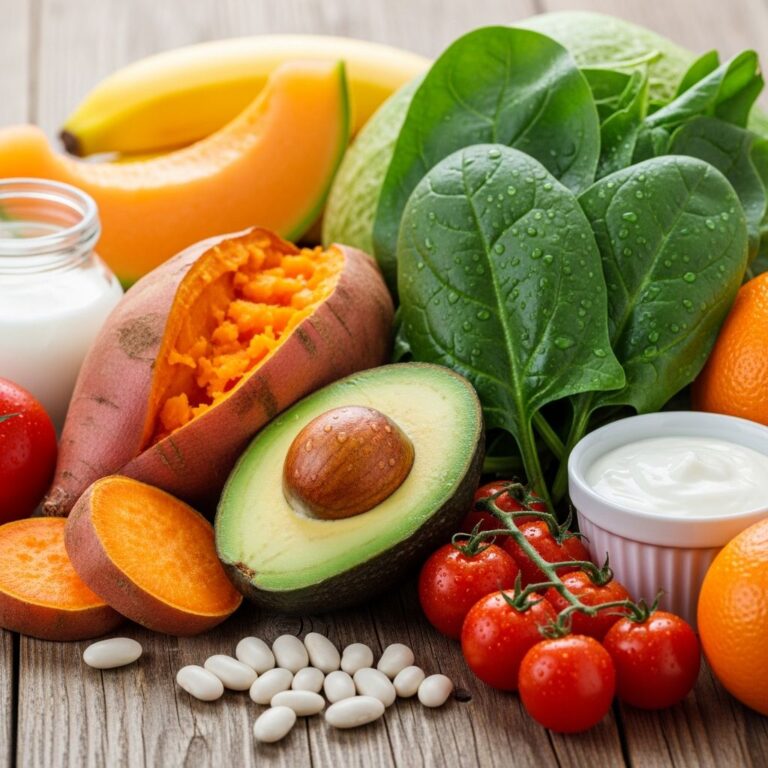
- Legumes: lentils, chickpeas, black beans, and peas
- Whole grains: barley, oats, brown rice, and quinoa
- Vegetables: carrots, beets, broccoli, and leafy greens
- Fruits: berries, apples, and pears
- Seeds and nuts: flaxseeds, chia seeds, and almonds
Fermented Foods
Fermented foods contain live microorganisms that can colonize your gut and provide immediate health benefits. These include yogurt, kefir, sauerkraut, kimchi, tempeh, and kombucha. The fermentation process not only preserves beneficial bacteria but also creates additional bioactive compounds that support digestive health.
Polyphenol-Rich Foods
Polyphenols are plant compounds with powerful antioxidant and anti-inflammatory properties. They’re found in abundance in berries, tea, coffee, red wine, dark chocolate, and colorful vegetables. These compounds act as prebiotics, selectively feeding beneficial bacteria while potentially inhibiting harmful species.
Minimally Processed Plant Foods
Emphasizing whole, minimally processed plant foods allows your microbiome to access the full spectrum of nutrients and bioactive compounds. Processing removes fiber, reduces polyphenol content, and can damage the delicate structures that beneficial bacteria depend on for nourishment.
Dietary Patterns That Support Microbiome Health
The Mediterranean Diet
The Mediterranean diet consistently shows strong benefits for microbiome health. This eating pattern emphasizes olive oil, fish, whole grains, legumes, nuts, and abundant vegetables. Research indicates that adherence to a Mediterranean diet creates a higher ratio of Bacteroidetes to Firmicutes, a bacterial balance associated with better metabolic health and reduced inflammation.
Plant-Forward Eating
Vegetarian and vegan diets typically contain more fiber and plant polyphenols than meat-based diets, promoting greater microbiome diversity. However, the key is ensuring adequate protein and nutrient density rather than simply reducing animal foods. Well-planned plant-forward diets that include legumes, whole grains, nuts, and seeds provide comprehensive nutrition while maximizing microbiome benefits.
Limiting Problematic Foods
Conversely, high intake of ultra-processed foods, added sugars, saturated fats, and animal protein can reduce microbiome diversity and promote the growth of potentially harmful bacteria. These dietary patterns have been associated with increased anxiety, depression, and various chronic diseases.
Practical Strategies for Feeding Your Microbiome
Increase Fiber Gradually
If you’re increasing fiber intake, do so gradually over several weeks. Rapid increases can cause bloating and digestive discomfort as your microbiome adjusts. Aim for 25-35 grams of fiber daily from a variety of sources.
Choose Diversity
Microbiome diversity is a hallmark of health. Eat a wide variety of plant foods—different colors, types, and families. This ensures your microbiome receives diverse substrates for fermentation and supports a more resilient microbial community.
Cook Strategically
While cooking can alter nutrient bioavailability, it also makes some nutrients more accessible and improves food safety. The key is balance—include both raw and cooked plant foods to capture the benefits of each preparation method.
Limit Antibiotics When Possible
While sometimes necessary, antibiotics dramatically disrupt microbiome composition. When prescribed antibiotics, consider taking them with food to minimize disruption, and discuss with your healthcare provider whether probiotic supplementation might be beneficial afterward.
Understanding Prebiotic and Probiotic Foods
Prebiotics
Prebiotics are food components that selectively stimulate the growth and activity of beneficial bacteria. Common prebiotic fibers include inulin, fructooligosaccharides (FOS), and resistant starch. Foods rich in prebiotics include garlic, onions, asparagus, bananas, oats, and barley.
Probiotics
Probiotics are live microorganisms that confer health benefits when consumed. Fermented foods naturally contain probiotics, while probiotic supplements provide concentrated doses of specific bacterial strains. The most researched probiotic bacteria include Lactobacillus and Bifidobacterium species.
Microbiome Health and Mental Wellbeing
The relationship between microbiome composition and mental health has become increasingly clear. Studies demonstrate that higher fat and carbohydrate intake is directly associated with increased anxiety and depression, while diets emphasizing whole plant foods promote better mood and psychological resilience.
The gut microbiome influences mental health through multiple mechanisms: producing neurotransmitters, regulating stress hormone production, modulating inflammation, and maintaining the integrity of the blood-brain barrier. This explains why nutritional psychiatry approaches to treating depression and anxiety focus on dietary changes that support a healthy microbiome.
Special Considerations and Clinical Applications
Disease Prevention
A healthy microbiome supported by proper nutrition provides protection against numerous chronic diseases including obesity, type 2 diabetes, cardiovascular disease, inflammatory bowel disease, and certain cancers. The protective mechanisms include immune regulation, production of beneficial metabolites, and maintenance of intestinal barrier function.
Neurological Health
Emerging research suggests that microbiome-targeted dietary interventions may benefit neurological conditions. Studies on ketogenic diets for severe epilepsy, for instance, suggest that the therapeutic effect is mediated through microbiome changes rather than ketones alone, as the benefits can be reproduced by directly manipulating bacterial composition without dietary changes.
Frequently Asked Questions (FAQs)
Q: How quickly can diet changes affect my microbiome?
A: Research shows that dietary changes can alter microbiome composition within 24 hours. However, significant shifts in microbiome diversity and the establishment of new bacterial communities typically take several weeks of consistent dietary changes.
Q: Do I need to take probiotic supplements if I eat fermented foods?
A: Fermented foods naturally contain probiotics and are generally an excellent source. Supplements may be beneficial in specific situations such as after antibiotic use or for certain health conditions, but for most people, fermented foods provide adequate probiotic intake.
Q: Can I have too much fiber?
A: While fiber is essential for microbiome health, increasing intake too rapidly can cause bloating and digestive discomfort. Most people should aim for 25-35 grams daily, increased gradually over time.
Q: Is raw food better for my microbiome than cooked food?
A: Neither is inherently superior. Raw foods contain certain bioactive compounds and enzymes, while cooking increases nutrient bioavailability in some cases. The best approach includes both raw and cooked plant foods for maximum microbiome benefit.
Q: How does my microbiome influence my mood?
A: Your gut microbiome produces neurotransmitters, regulates inflammation, and communicates with your brain through the vagus nerve and other pathways. Dysbiosis is associated with increased anxiety and depression, while a healthy, diverse microbiome supports better mental health.
Q: What are the best foods to start with if I’m new to microbiome-healthy eating?
A: Begin with whole grains like oats or brown rice, legumes like lentils or chickpeas, colorful vegetables, berries, nuts, and fermented foods like yogurt or sauerkraut. These foods are accessible, delicious, and provide substantial microbiome benefits.
Conclusion
Feeding your gut microbiome through thoughtful dietary choices is one of the most powerful investments you can make in your health. By emphasizing minimally processed plant foods, increasing dietary fiber, including fermented foods, and maintaining diversity in your diet, you create an environment where beneficial bacteria thrive. The cascade of health benefits—from improved digestion and immunity to better mood and reduced disease risk—demonstrates that microbiome health is truly foundational to overall wellbeing. Start implementing these strategies today and experience the transformative power of a well-nourished microbiome.
References
- Cooking Food Alters the Microbiome — UC San Francisco. 2019-09-30. https://www.ucsf.edu/news/2019/09/415511/cooking-food-alters-microbiome
- The Role of Diet on the Gut Microbiome, Mood and Happiness — National Institutes of Health. PMC. https://pmc.ncbi.nlm.nih.gov/articles/PMC10055576/
- Harvard Gastroenterologist Shares 10 Tasty High Fiber Foods That Are Not Salads — Hindustan Times. 2024. https://www.hindustantimes.com/lifestyle/health/harvard-gastroenterologist-shares-10-tasty-high-fiber-foods-that-are-not-salads-101764057078268.html
- Explainer: How to Feed Your Microbiome — CSL. https://www.csl.com/we-are-csl/vita-original-stories/2021/how-to-feed-your-microbiome
Similar Articles








Read full bio of medha deb