Feeding Children When They Are Sick: Registered Dietitian Tips
Expert tips from registered dietitian nutritionists on nourishing sick kids with hydration, easy foods, and recovery strategies.
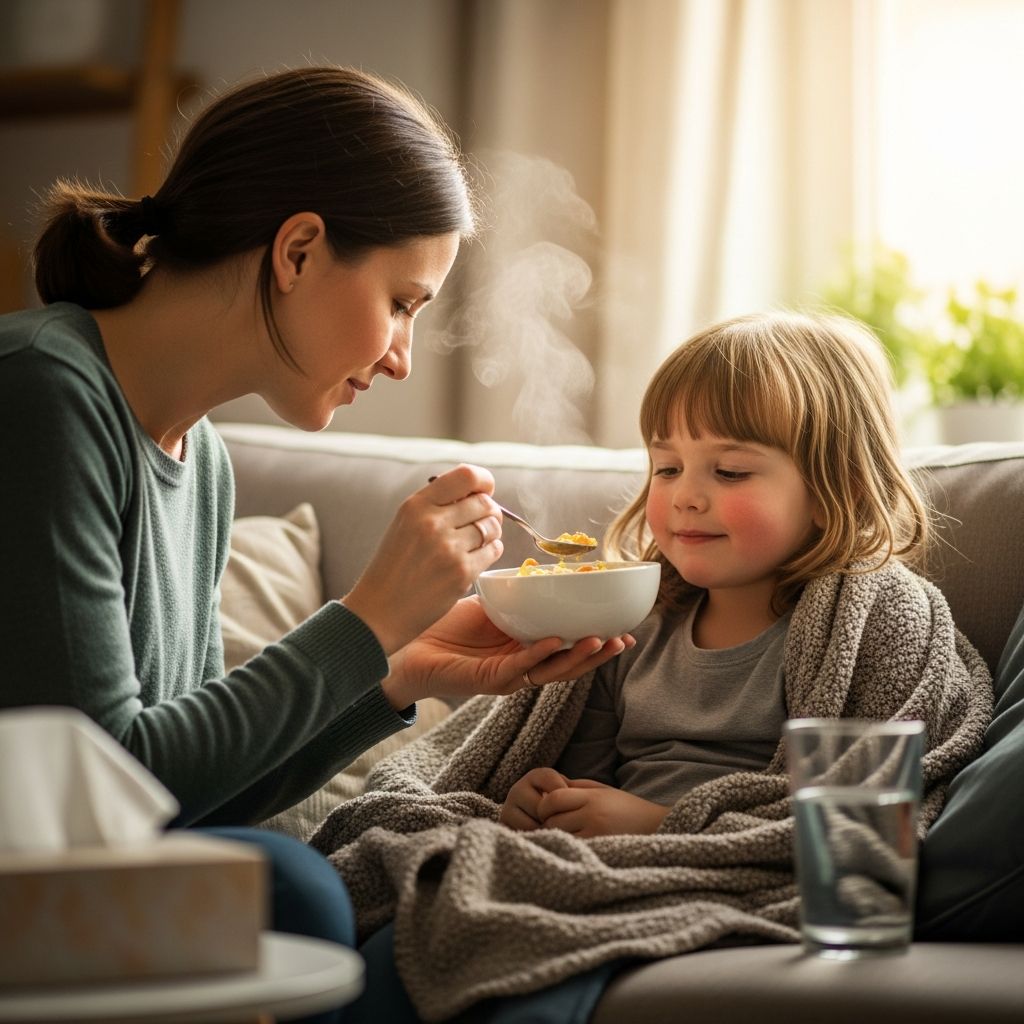
Illness can significantly alter a child’s appetite and eating habits, making mealtimes challenging for parents. Registered dietitian nutritionists emphasize prioritizing
hydration
while offering familiar, nutrient-dense foods to support recovery. This guide covers strategies for different ages and illness types, drawing from pediatric guidelines to help children heal effectively.Why It’s Important to Feed Children During Illness
When children are sick, their bodies require extra energy and nutrients to fight infection, maintain hydration, and support immune function. Contrary to old myths like the BRAT diet, modern advice promotes continued feeding with a variety of foods rather than restriction. Dehydration poses the greatest risk, especially with fever, vomiting, or diarrhea, so fluids take precedence over solids.
Appetites often decrease due to fever, congestion, or discomfort, but consistent offerings prevent weight loss and aid recovery. Studies from the World Health Organization stress frequent, nutrient-rich feeds during sickness to promote growth and healing.
Hydration: The Top Priority
**Hydration** is crucial during illness as fever and fluid loss increase needs. For infants under 12 months, breast milk or formula provides optimal hydration and nutrition—aim for at least 20-24 ounces daily with 5-6 wet diapers. Toddlers and older kids should consume plenty of water, oral rehydration solutions, milk, soups, or high-fluid foods like fruits.
- Offer small, frequent sips to avoid overwhelming the stomach.
- Include hydrating options: smoothies, popsicles (fruit-based for kids over 6 months), broths, and yogurt.
- Monitor signs of dehydration: dry mouth, fewer wet diapers, lethargy—seek medical help if present.
For babies, continue breastfeeding on demand, at least 8 times in 24 hours, as it boosts milk production and immunity.
Feeding Babies Under 12 Months
Infants often lose interest in solids when sick but thrive on breast milk or formula. Include them in family meals for normalcy, even if they eat little.
- Respiratory illness: Offer usual purees; warm liquids like broth soothe congestion.
- GI bugs: Prioritize milk feeds; introduce bland solids (banana, rice cereal) only after tolerance.
- Signs to watch: Consult a pediatrician if no wet diapers or persistent vomiting.
| Age Group | Daily Feeds | Key Foods |
|---|---|---|
| 0-6 months | Breastfeed 8+ times/24h | Breast milk/formula |
| 6-12 months | Breastfeed frequently + 2-3 mashed meals | Nutrient-dense mashes (veggies, fruits, proteins) |
Feeding Toddlers and Older Kids
For children 12+ months, maintain routine offerings of veggies, fruits, proteins, grains, and fats despite reduced appetite. They may prefer ‘beige’ comfort foods like crackers—it’s temporary and okay.
Warm foods (soup, oatmeal) ease sore throats and congestion; cold options (yogurt, smoothies, popsicles) soothe inflammation. Honey (for 1+ years) helps coughs.
- Offer variety gently; let them choose from familiar items.
- Avoid force-feeding—focus on positive mealtime vibes.
- Spices like ginger or cumin can awaken dulled taste buds.
Respiratory Illnesses: Colds, Flu, and Congestion
Related Stories



These affect smell and taste, reducing hunger. Prioritize fluids and easy-to-swallow foods.
- Warm choices: Broths, oatmeal, mashed potatoes.
- Cool relief: Smoothies, frozen fruit, yogurt.
- Nutrient boosts: Vitamin C-rich fruits (oranges, strawberries) support immunity, though not a cure.
Continue family meals; kids may surprise you by eating more as symptoms ease.
Gastrointestinal Illnesses: Vomiting and Diarrhea
Dehydration risk is high—start with clear liquids for 8 hours post-vomiting, then progress.
- Small amounts of water, Pedialyte, or broth.
- Bland foods: BRAT (bananas, rice, applesauce, toast), crackers, oatmeal.
- Regular diet once tolerated; skip greasy/fried items.
Breastfeed frequently through diarrhea. Offer age-appropriate foods every 3-4 hours.
| Progression Stage | Recommended Foods | Avoid |
|---|---|---|
| Initial (vomiting) | Clear liquids, popsicles | Solids, dairy initially |
| Recovery | BRAT, yogurt, boiled meats | Sugary, fatty foods |
| Full return | Balanced family meals | Heavy/greasy |
Appetite Changes and Taste Bud Revival
Sickness dulls senses—be patient as appetite rebounds slowly. Offer flavorful options: citrus, spices (cinnamon, paprika), or seasoned meats to entice.
Post-illness, feed more than usual for 2 weeks: add an extra nutrient-dense meal daily to recover growth.
When to Seek Medical Help
Monitor closely and contact a doctor if:
- No wet diapers for 6+ hours (infants) or reduced urine (older kids).
- Vomiting >24 hours, diarrhea >7 days, or blood in stool.
- High fever, severe pain, lethargy, or weight loss.
- Refusal of all fluids.
Frequently Asked Questions (FAQs)
Q: Should I force my sick child to eat?
A: No, prioritize hydration and offer foods gently without pressure. Appetite returns naturally.
Q: Is the BRAT diet recommended?
A: Use short-term for GI issues, then return to varied diet—it’s not for prolonged use.
Q: Can I give honey to my baby for cough?
A: Yes, for children over 12 months; avoid under 1 year due to botulism risk.
Q: How long until appetite normalizes?
A: Typically days to weeks; extra feeds post-illness aid recovery.
Q: What about fever and eating?
A: Fever increases needs—offer fluids and light, favorite foods.
Recovery and Returning to Normal Eating
Once symptoms subside, gradually reintroduce full meals. Encourage family-style eating to rebuild habits. Nutrition supports full recovery, preventing setbacks.
Stock easy options: canned fruits in juice, rice, eggs, cheese. Rest is key alongside feeding.
References
- Feeding Littles: How to Feed Your Child When They’re Sick — Feeding Littles. 2023. https://feedinglittles.com/blogs/blog/how-to-feed-your-child-when-they-re-sick
- WHO Child Growth Standards: Feeding Recommendations During Sickness and Health — World Health Organization (NCBI). 2006 (authoritative guideline). https://www.ncbi.nlm.nih.gov/books/NBK154449/bin/ch10-fs1.pdf
- Feeding the Sick Child — Haldimand-Norfolk Health Unit. 2022. https://hnhu.org/wp-content/uploads/feeding_the_sick_child-1.pdf
- How and What to Feed a Sick Baby — Solid Starts. 2023. https://solidstarts.com/how-and-what-to-feed-a-sick-baby/
- Behavioral Solutions to Child Feeding During and After Illness — Breakthrough Action and Research. 2022. https://breakthroughactionandresearch.org/wp-content/uploads/2022/09/Behavioral-Solutions-for-Child-Feeding.pdf
Similar Articles








Read full bio of medha deb