Feeding Tube: 5 Essential Types, Placement, Care & Risks
What to know about feeding tubes, including types, placement procedures, benefits, risks, and daily care tips for patients.
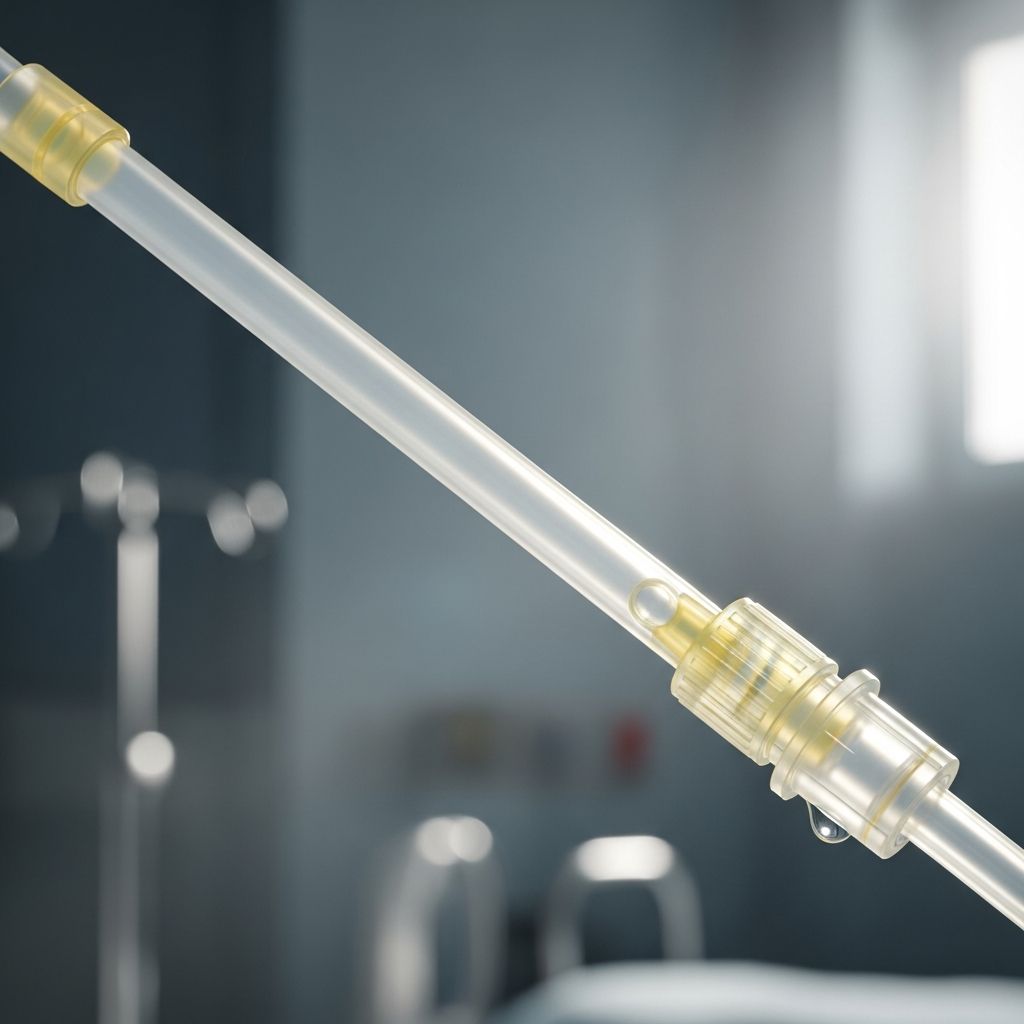
A
feeding tube
, also known as enteral nutrition, provides liquid nutrition directly into the stomach or small intestine when a person cannot eat or swallow safely by mouth. This medical intervention is crucial for preventing malnutrition in patients with conditions like severe dysphagia, cancer, neurological disorders, or those recovering from surgery.What Is a Feeding Tube?
Feeding tubes are soft, flexible plastic tubes inserted into the gastrointestinal (GI) tract to deliver nutrients, fluids, and medications. They bypass the mouth and esophagus, ensuring the digestive system receives essential calories, proteins, vitamins, and hydration. Unlike parenteral nutrition (IV feeding), enteral feeding keeps the GI tract active, promoting better nutrient absorption and gut health.
These tubes vary in size (measured in French units, e.g., 8-12 Fr for temporary tubes), length, and material based on duration of use and placement site. Temporary tubes suit short-term needs (under 4-6 weeks), while permanent options handle long-term requirements.
Types of Feeding Tubes
Feeding tubes are categorized by insertion route and endpoint in the GI tract. Nasal tubes are for short-term use; abdominal tubes for longer-term.
- Nasogastric (NG) tube: Inserted through the nose, down the throat, esophagus, into the stomach. Ideal for temporary nutrition (e.g., during intubation).
- Nasojejunal (NJ) tube: Passes through nose to stomach then jejunum (small intestine). Used when stomach feeding risks aspiration.
- Percutaneous Endoscopic Gastrostomy (PEG) tube: Surgically placed through abdominal wall into stomach. Common for long-term (>30 days) use in dysphagia or malnutrition.
- Percutaneous Endoscopic Jejunostomy (PEJ) or Gastrojejunostomy: Extends into jejunum; dual-lumen versions allow stomach venting.
- Surgically placed gastrostomy/jejunostomy: Open or laparoscopic for cases where endoscopy isn’t feasible.
| Type | Placement | Duration | Best For |
|---|---|---|---|
| NG/NJ | Nasal | Short-term (<4-6 weeks) | Ventilated patients, trials |
| PEG/PEJ | Abdominal (endoscopic) | Long-term (>4 weeks) | Dysphagia, chronic illness |
| Surgical | Abdominal (open/lap) | Long-term | Complex anatomy |
Who Needs a Feeding Tube?
Indications include inability to meet nutritional needs orally, often due to:
- Dysphagia from stroke, ALS, Parkinson’s, or dementia.
- Cancer treatments (chemo/radiation) causing swallowing issues.
- Intubation/ventilation in ICU.
- Severe malnutrition, GI obstructions, or post-surgery recovery.
- End-of-life care in select cases, though evidence questions benefits for advanced dementia.
Decisions factor expected duration: short-term favors nasal; long-term, gastrostomy.
How Is a Feeding Tube Placed?
Placement method depends on type.
- Nasal (NG/NJ): Clinician inserts tube via nostril, confirms position with X-ray.
- Percutaneous (PEG/PEJ): Endoscopy-guided: Stomach inflated, needle punctures abdominal wall, guidewire pulled through mouth to create tract, tube secured with bumper.
- Surgical: Incision in abdomen, stomach/jejunum sutured to wall, tube inserted. Includes open, laparoscopic, or Stamm technique.
Post-placement, test with saline flush to check leaks.
Feeding Tube Procedures: How Does Tube Feeding Work?
Tube feeding delivers specialized formulas mimicking meals. Methods: bolus (syringe/gravity), intermittent, or continuous (pump).
- Prep: Flush tube with 30mL lukewarm water.
- Bolus: Fill syringe with formula, allow gravity flow (15-30min).
- Pump: Connect bag to pump, set rate (e.g., overnight).
- Post: Flush with 30mL water; meds given diluted, flushed after.
Avoid carbonated drinks; elevate head 30-45° to prevent aspiration.
Caring for a Feeding Tube
Daily care prevents clogs/infections.
- Site care: Clean with soap/water, dry, rotate tube; check for redness/swelling.
- Flushing: 30mL water before/after feeds/meds.
- Troubleshooting clogs: Warm water flush; no force.
- Formula: Room temp, prescribed by dietitian.
Related Stories



Family training essential for home use.
Risks and Complications of Feeding Tubes
Complications are manageable with proper care.
- Common: Tube dislodgement (replace early if tract immature), clogs, diarrhea (adjust formula).
- Serious: Aspiration pneumonia, peritonitis (if intraperitoneal leak), infection.
- Placement risks: Perforation, bleeding (rare).
Monitor weight, hydration; seek help for pain, fever, leakage.
Living With a Feeding Tube
Many adapt well; tubes hidden under clothes. Initial soreness normal; pain meds available. Duration varies: weeks to lifelong.
End-of-life: PEGs provide full nutrition but may not extend quality life in terminal cases.
Feeding Tube Removal
Tract closes quickly if mature. Cut external tube, let internal migrate/dissolve; monitor site.
Frequently Asked Questions (FAQs)
Is a feeding tube permanent?
No, temporary nasal for short-term; PEG for long-term but removable.
Does tube feeding hurt?
Insertion may discomfort; site soreness fades. Pain managed.
Can I still eat with a feeding tube?
Sometimes pleasure eating allowed if safe; consult provider.
How do you unclog a feeding tube?
Flush warm water; if fails, call provider.
Are feeding tubes used in end-of-life care?
Selectively; evidence mixed for dementia/terminal patients.
References
- Feeding Tube – StatPearls — NCBI Bookshelf, NIH. 2023-08-08. https://www.ncbi.nlm.nih.gov/books/NBK559044/
- Tube Feeding Education — Nestlé Health Science. Accessed 2026. https://www.nestlehealthscience.us/mytubefeeding/tube-feeding-education
- Tube Feeding (Enteral Nutrition) — Cleveland Clinic. 2023-07-05. https://my.clevelandclinic.org/health/treatments/21098-tube-feeding–enteral-nutrition
- End-of-Life Nutrition: Is Tube Feeding the Solution? — HMP Global Learning Network. 2018-11-01. https://www.hmpgloballearningnetwork.com/site/altc/content/nutrition-end-life-tube-feeding-solution
Similar Articles








Read full bio of medha deb