Brain-Healthy Foods: 5 Key Nutrients For Cognitive Health
Discover how nutrition supports brain health and cognitive function through science-backed dietary patterns.
Feeding Your Body, Feeding Your Brain
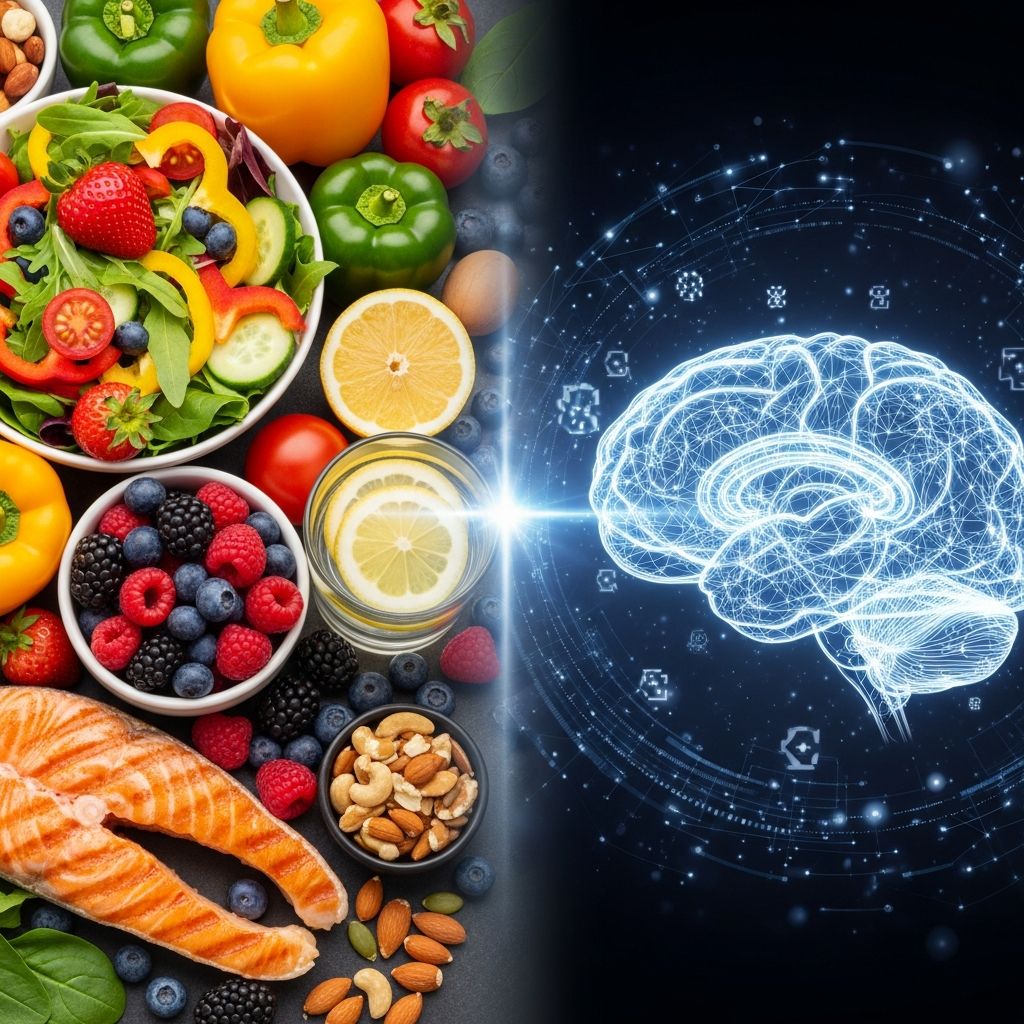
Being healthy means taking care of your brain as well as your body. This holistic approach to wellness becomes increasingly important as we age, particularly because the risk of dementia and cognitive decline rises over time. While Alzheimer’s disease is the most common cause of dementia for adults, affecting more than 6 million Americans ages 65 and older, it is not the only type of cognitive condition that can develop. The good news is that making informed nutritional choices can play a significant role in protecting your brain health and maintaining cognitive function throughout your lifetime.
The Connection Between Diet and Brain Health
Scientific evidence has increasingly demonstrated that the foods we eat have a profound impact on brain function and long-term neurological health. Diet plays a critical role in encouraging good blood flow to the brain, which is essential for delivering oxygen and nutrients that support cognitive processes. Beyond simple nutrition, specific eating patterns have been shown to offer protective effects against cognitive decline and neurodegenerative diseases. The Mediterranean diet and the MIND diet, in particular, have emerged from rigorous scientific research as dietary approaches that benefit both your body and your brain.
Key Nutrients for Brain Health
Certain nutrients are especially important for brain health and may help maintain and improve cognitive function. Understanding these essential nutrients and incorporating them into your daily diet can significantly contribute to brain protection and optimal mental performance.
Omega-3 Fatty Acids
Approximately 60% of the brain is composed of polyunsaturated fatty acids, with the most abundant type being DHA (docosahexaenoic acid), an omega-3 fatty acid. This fatty acid is crucial for neurogenesis, neuronal migration, and the formation of healthy neural membranes. Research suggests that diets rich in omega-3s, combined with a low saturated fat intake, may lower the risk of cognitive decline and support overall brain function. DHA is particularly important for the visual system and areas of the prefrontal cortex that mediate attention, inhibition, and impulsivity.
B Vitamins
B vitamins, including B6, B12, and folate, play a vital role in metabolizing homocysteine, an amino acid found in protein. High levels of homocysteine are considered a risk factor for cognitive impairment, dementia, and Alzheimer’s disease. Beyond their role in homocysteine metabolism, B vitamins are involved in numerous aspects of brain function, from energy production to neurotransmitter synthesis. Deficiencies in these vitamins may affect mental health and can lead to cognitive decline over time.
Antioxidants and Phytonutrients
The brain is particularly susceptible to damage caused by free radicals—substances that attack healthy cells and contribute to aging and neurodegeneration. Vitamins C and E, along with the mineral selenium and phytonutrients such as lycopene, serve as antioxidants. These compounds help minimize damage caused by chronic stress and oxidative stress, protecting brain cells from premature aging. Other well-known phytonutrients, such as anthocyanins and flavonoids (which give certain fruits and vegetables their vibrant colors), are thought to have positive effects on brain function and may boost memory and cognitive performance.
Vitamin D
Vitamin D is found in nearly every cell in the body, including brain cells, making it essential for neurological health. This nutrient is believed to have protective effects against cognitive decline. Research has suggested that low blood levels of vitamin D may negatively affect brain health and increase the risk of cognitive impairment. Maintaining adequate vitamin D levels through diet, sunlight exposure, or supplementation is an important aspect of brain health maintenance.
Choline
Choline is an essential nutrient required for fat transport and metabolism throughout the body. It is necessary for normal brain and nervous system function, muscle control, and other critical physiological processes. Adequate choline intake supports the production of acetylcholine, a neurotransmitter essential for memory and learning.
Related Stories



Brain-Healthy Foods to Include in Your Diet
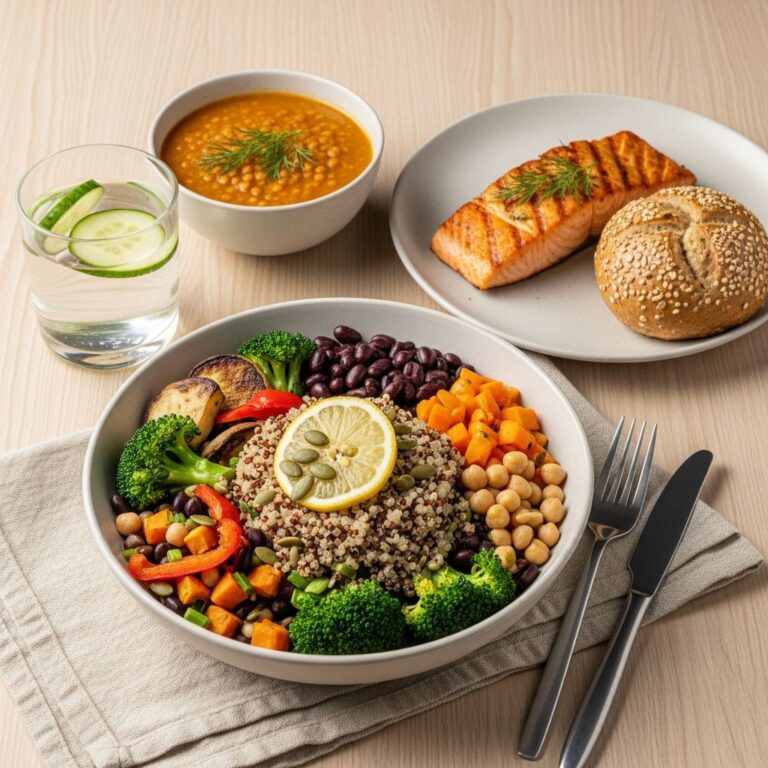
Focusing on an overall healthy eating pattern that includes these nutrients from whole foods is important for good health and cognitive protection. The following foods are excellent sources of brain-supporting nutrients:
Fruits
- Berries, including strawberries and blueberries, which are rich in anthocyanins and flavonoids that may aid memory
- Citrus fruits, grapes, and watermelon, which provide vitamin C and other antioxidants
- Blackberries and cherries (fresh, frozen, or dried), which are sources of flavonoids that may enhance cognitive function
Vegetables
- Dark, leafy greens such as spinach, kale, collard greens, and lettuce, which contain folate and vitamin K
- Cruciferous vegetables like broccoli and cabbage, which may boost memory and contain powerful phytonutrients
- Other nutrient-dense vegetables that provide vitamins, minerals, and protective compounds
Whole Grains
- Whole-wheat bread and pasta
- Oats, which provide sustained energy and B vitamins
- Quinoa and other minimally processed whole grains
Protein Foods
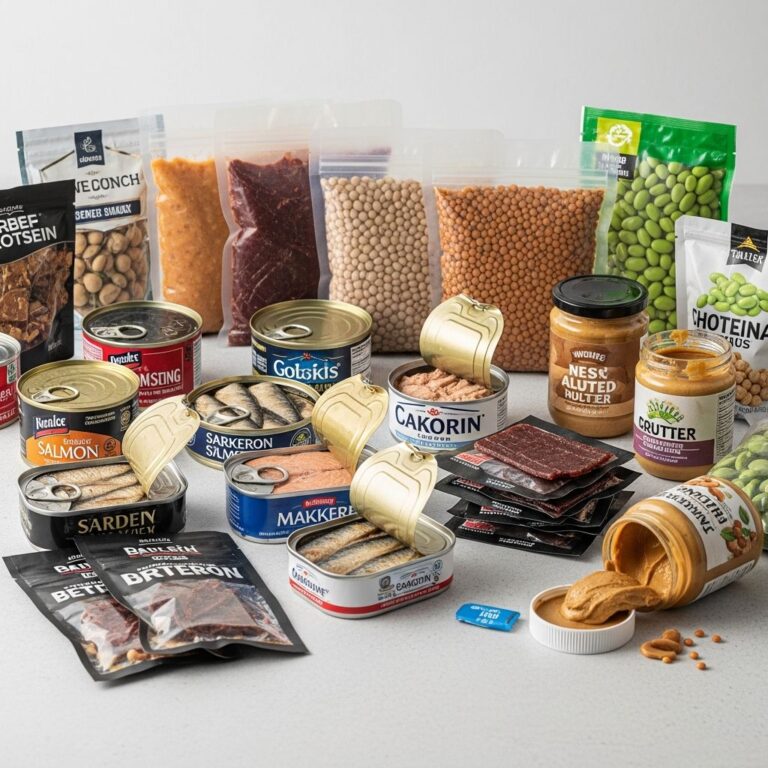
- Seafood, including shellfish and fish such as salmon, mackerel, tuna, sardines, and herring—all excellent sources of omega-3 fatty acids
- Whole eggs, which contain choline essential for brain function
- Skinless chicken and turkey, which provide lean protein
Healthy Fats and Additional Nutrients
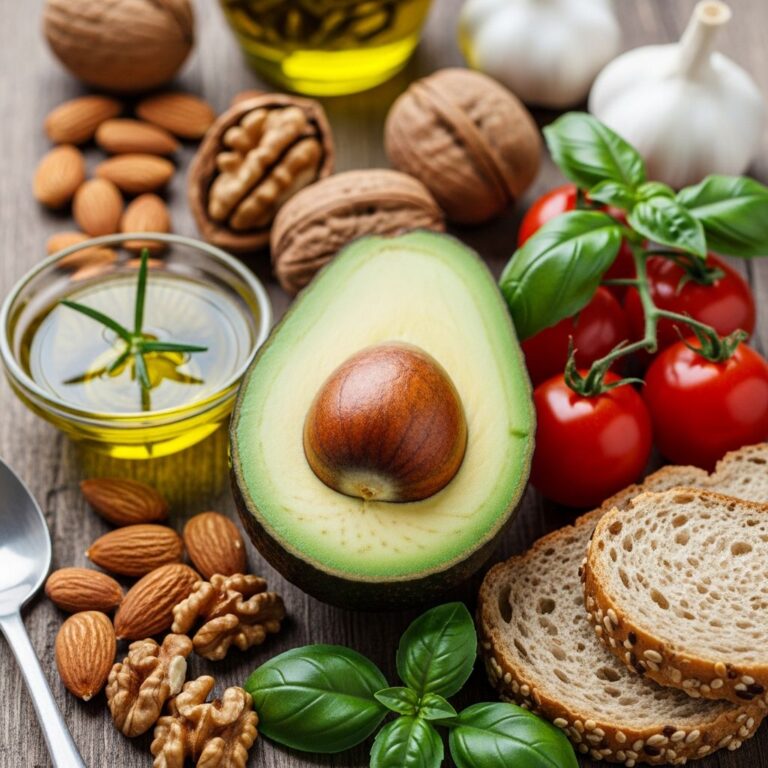
- Nuts and seeds such as chia, flaxseed, walnuts, and almonds, which provide omega-3s and vitamin E
- Walnuts, which have a positive impact on heart health and may improve cognitive function
- Beans and lentils, including chickpeas, black beans, and lima beans
- Sources of unsaturated fat such as avocados and olive oil
The MIND Diet: A Science-Backed Approach to Brain Health
The MIND diet—short for Mediterranean-DASH Intervention for Neurodegenerative Delay—represents a targeted approach to protecting brain health through nutrition. This eating pattern combines the best elements of two well-established dietary approaches: the Mediterranean diet and the Dietary Approaches to Stop Hypertension (DASH) eating plan. These eating patterns share a focus on consuming whole grains, beans, nuts, vegetables, fruits, lean protein foods, and low-fat or fat-free dairy products.
MIND Diet Daily and Weekly Recommendations
What sets the MIND diet apart is its specific food frequency recommendations, which provide clear guidance for daily and weekly food intake:
- Vegetables: 2 or more servings per day, with at least one serving of leafy green vegetables daily
- Berries: 2 to 5 servings per week (not including dried berries)
- Whole grains: 3 or more servings per day, emphasizing minimally processed grains
- Nuts and seeds: 5 or more servings per week, such as almonds, cashews, sesame seeds, and pumpkin seeds
- Fish and seafood: Regular consumption of fatty fish rich in omega-3 fatty acids
- Poultry: Regular inclusion of chicken and turkey as lean protein sources
- Legumes: Consistent consumption of beans and lentils
- Wine: Moderate consumption (if desired), typically one glass per day
Research on MIND Diet Effectiveness
Research suggests that the risk of Alzheimer’s disease may be reduced by as much as 53% when individuals adhere to the MIND diet consistently. Even more encouraging, the risk may be reduced by about 35% when the diet is followed moderately well. This means that even partial adherence to the MIND diet recommendations can provide significant cognitive protection. Like most changes to improve health, the benefits are higher when following the recommendations closely, but individuals who prefer to make changes gradually can still experience meaningful benefits.
Complementary Lifestyle Factors for Brain Health
While making healthful food choices is a vital part of a healthy lifestyle, other important factors contribute to overall brain health and cognitive protection. A comprehensive approach to brain health should include:
- Regular physical activity: Exercise improves blood flow to the brain and supports neurogenesis
- Social engagement: Regular social interaction and mental stimulation support cognitive function
- Limiting alcohol intake: Excessive alcohol consumption can damage brain cells and impair cognitive function
- Not smoking: Smoking restricts blood flow and increases oxidative stress in the brain
- Getting enough sleep: Quality sleep is essential for memory consolidation and brain health
- Managing stress: Chronic stress can damage brain cells and impair cognitive function
- Staying hydrated: Proper hydration is essential for optimal brain function
Practical Tips for Implementing Brain-Healthy Eating
Making the transition to a brain-healthy diet doesn’t require dramatic changes. Start by tracking what and how much you eat each day. This simple practice helps you monitor your total daily calories and ensures you are making healthy food choices. When you pay attention to what you put into your body, you create a foundation for sustained energy and optimal cognitive function.
Consider these practical steps:
- Add an extra serving of berries to your breakfast routine
- Include leafy greens in at least one meal per day
- Replace refined grains with whole grain alternatives
- Include fatty fish in your diet at least twice weekly
- Snack on nuts and seeds rather than processed alternatives
- Use olive oil as your primary cooking fat
- Gradually increase your intake of beans and legumes
Professional Guidance for Personalized Nutrition
While general dietary recommendations provide valuable guidance, individual nutritional needs vary based on personal health status, lifestyle, and preferences. To develop an eating plan that is right for your specific lifestyle, taste preferences, and medical needs, consider consulting with a registered dietitian nutritionist. These professionals can provide personalized recommendations that align with your goals and help you navigate dietary changes successfully.
Frequently Asked Questions (FAQs)
Q: How quickly will I see benefits from changing my diet?
A: Some benefits like improved energy and mental clarity may be noticed within weeks, while protective effects against cognitive decline develop over months and years. Consistency in following a brain-healthy diet is key to long-term cognitive protection.
Q: Is the MIND diet difficult to follow?
A: No, the MIND diet is relatively straightforward and focuses on foods many people already enjoy. Research shows that even moderate adherence provides significant benefits, so perfection is not necessary.
Q: Can supplements replace whole foods for brain health?
A: While certain supplements may be beneficial, whole foods provide a complex array of nutrients, fiber, and phytonutrients that work together synergistically. Whole foods should be your primary source of nutrients, though supplements may be recommended in cases of specific deficiencies.
Q: At what age should I start thinking about brain health nutrition?
A: Brain health is important throughout the entire lifespan. Nutrients support brain development in childhood, optimal function in adulthood, and cognitive protection in older age. It’s never too early or too late to adopt a brain-healthy diet.
Q: Are there any foods I should avoid for brain health?
A: While the MIND diet focuses on foods to include, it recommends limiting saturated fats and added sugars. Processed foods high in these substances should be minimized in favor of whole, nutrient-dense options.
Q: Can a brain-healthy diet prevent Alzheimer’s disease completely?
A: While diet is a powerful tool for reducing risk, it cannot guarantee prevention of Alzheimer’s or other dementias. However, research shows that adhering to a brain-healthy diet like the MIND diet can reduce risk by up to 53%, making it an evidence-based strategy worth implementing.
References
- Feeding Your Body, Feeding Your Brain — Academy of Nutrition and Dietetics. Accessed January 28, 2026. https://www.eatright.org/health/wellness/healthful-habits/feeding-your-body-feeding-your-brain
- The MIND Diet — Academy of Nutrition and Dietetics. Accessed January 28, 2026. https://www.eatright.org/health/wellness/healthful-habits/the-mind-diet
- What is the MIND Diet? — eatrightPRO.org. Accessed January 28, 2026. https://www.eatrightpro.org/news-center/practice-trends/what-is-the-mind-diet
- The Role of Nutrition in Brain Development — National Center for Biotechnology Information, National Institutes of Health. PMC4981537. https://pmc.ncbi.nlm.nih.gov/articles/PMC4981537/
- Eat Right, Bite by Bite — Panhandle Home Health, Inc. Accessed January 28, 2026. https://panhandlehomehealth.org/article/eat-right-bite-by-bite/
Similar Articles








Read full bio of Sneha Tete