Feel-Good Hormones: How They Affect Your Mind, Mood, and Body
Discover how dopamine, serotonin, endorphins, and oxytocin influence your mental health and well-being.
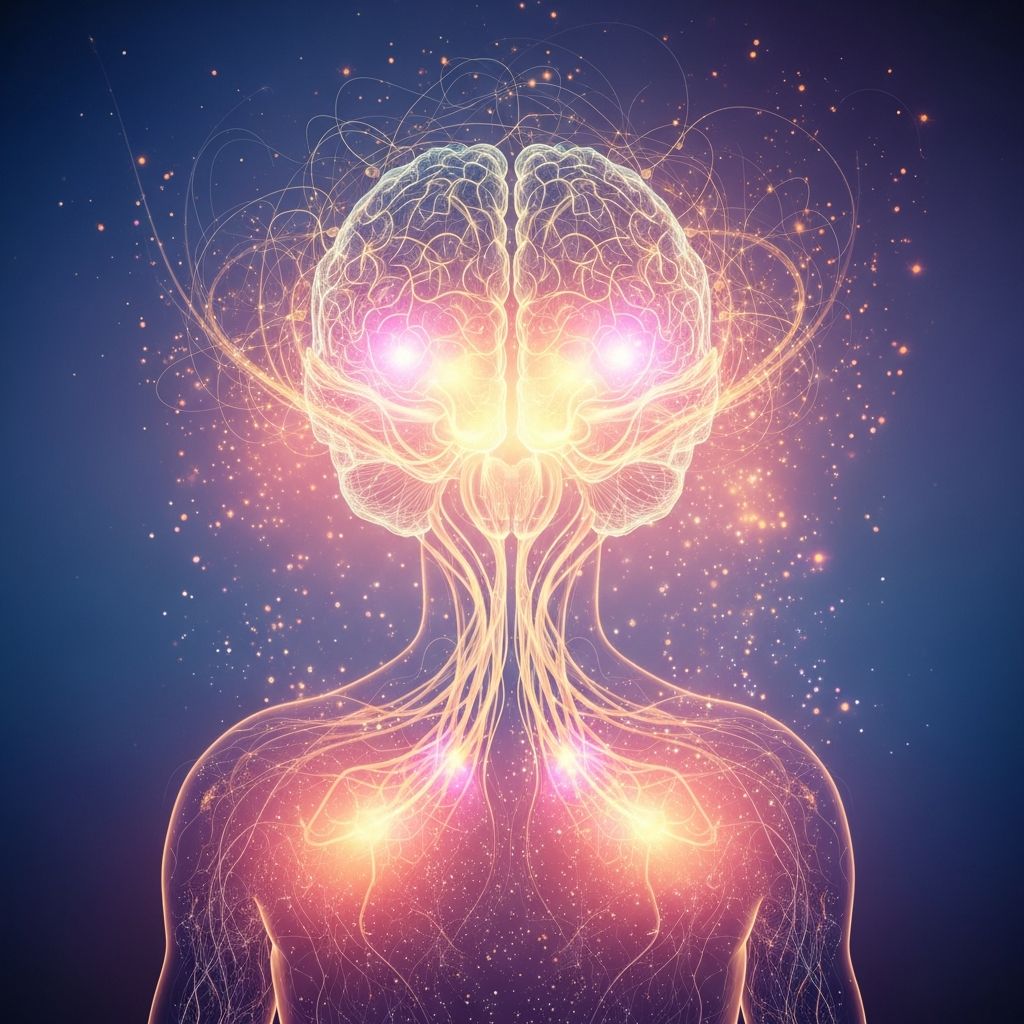
Your mood is influenced by far more than just the situations and environments you encounter throughout your day. Beneath the surface, your brain chemistry plays a crucial role in determining how you feel, think, and respond to life’s experiences. The key players in this complex system are specialized chemicals called neurotransmitters and hormones that act as messengers in your brain and body.
These chemical messengers help your brain understand, evaluate, and communicate what you’re experiencing. Each has specific jobs and is activated in particular ways, signaling certain emotions and stimulating different areas of your brain. When it comes to happiness and well-being, four primary signaling chemicals stand out as the foundation of positive mood regulation: serotonin, dopamine, endorphins, and oxytocin. Understanding how these “feel-good hormones” work and how to naturally boost them can provide powerful tools for improving your mental health and overall sense of well-being.
Understanding Feel-Good Hormones
Hormones are chemical messengers produced by various glands throughout your body that travel through the bloodstream, acting as messengers and playing important roles in countless bodily processes. Beyond their well-known functions in regulating physical health, these hormones significantly influence your emotional state and psychological well-being. The relationship between hormones and mood is bidirectional—your thoughts, activities, and lifestyle choices can influence hormone production, while these hormones in turn shape your emotional experiences and mental state.
The four primary feel-good hormones work together to create a comprehensive system of mood regulation and emotional well-being. When these hormones are released in adequate amounts, they create feelings of warmth, contentment, pleasure, and satisfaction. Understanding each hormone’s unique function helps explain why certain activities and experiences consistently improve mood and mental health.
The Four Key Feel-Good Hormones
Dopamine: The Reward and Motivation Hormone
Dopamine is often called the “feel-good hormone” or “happy hormone,” and it plays a central role in your brain’s reward system. When you engage in activities you enjoy—such as eating a delicious meal, listening to inspiring music, completing a work project, or achieving a personal goal—your brain releases dopamine, creating sensations of pleasure and well-being.
Beyond simple pleasure, dopamine is fundamentally linked to motivation and reinforcement. It drives you to seek experiences you find rewarding and motivates you to repeat behaviors that bring satisfaction. Dopamine is also essential for learning and memory, helping your brain encode positive experiences and learn from them. When dopamine levels are optimal, you experience increased motivation, focus, and a sense of accomplishment. Low dopamine levels can contribute to depression, lack of motivation, and difficulty experiencing pleasure from activities you normally enjoy.
Serotonin: The Mood Stabilizer
Serotonin is dubbed the “feel-good hormone” and plays a critical role in mood stabilization. This neurotransmitter helps regulate not only your mood but also your sleep patterns, appetite, digestion, learning ability, and memory. Serotonin is essential for maintaining a positive outlook and resilience in the face of life’s challenges.
Related Stories



One of serotonin’s most important functions is its role in staving off anxiety and depression. The main class of drugs used to treat depression and anxiety disorders—selective serotonin reuptake inhibitors (SSRIs)—work by increasing serotonin levels in the brain. When serotonin levels are adequate, you experience improved mood, better emotional regulation, reduced worry and anxiety, enhanced learning capacity, and improved memory function. Serotonin can be naturally boosted through simple daily activities and lifestyle choices, making it one of the most accessible feel-good hormones to influence.
Endorphins: The Body’s Natural Painkillers
Endorphins are your body’s natural pain relievers and are primarily produced in response to stress or discomfort. These powerful hormones act as natural analgesics, effectively blocking pain signals and providing a sense of well-being and euphoria. Endorphins are particularly associated with the phenomenon known as “runner’s high”—the sense of pleasure and pain relief experienced during intense physical exercise.
Levels of endorphins increase not only during cardiovascular exercise but also when you laugh, engage in pleasurable activities, or experience certain reward-producing situations. Endorphins are crucial for helping your body cope with physical and emotional stress, making them essential for resilience and pain management. Beyond pain relief, endorphins contribute to an overall sense of well-being and can significantly improve mood during challenging times.
Oxytocin: The Love and Bonding Hormone
Oxytocin is often called the “love hormone” or “bonding hormone” because of its essential role in creating feelings of trust, empathy, connection, and emotional bonding. This hormone is crucial for childbirth, breastfeeding, and fostering strong parent-child attachment, but its effects extend far beyond these biological functions.
Oxytocin promotes trust and bonding in all types of relationships and helps reduce the activity of the sympathetic nervous system—the system that activates during stress or danger. By calming your stress response, oxytocin creates a sense of safety and well-being. Oxytocin levels generally increase with physical affection, close relationships, and social connection. Interestingly, research suggests that oxytocin plays a larger role in women’s physiology and happiness than in men’s. Through its multiple effects—stimulating serotonin and dopamine while lowering anxiety—oxytocin provides what researchers call a “multiple hit” of mood-boosting benefits.
How These Hormones Affect Your Mind and Body
The feel-good hormones work synergistically to influence both your mental state and physical health. When these four hormones are in balance and released regularly, they create a cascade of positive effects throughout your body and mind. Your sense of pleasure and well-being increases, your ability to cope with stress improves, your sleep quality enhances, your learning and memory function better, and your resilience in facing life’s challenges strengthens.
Conversely, when these hormones are deficient, you may experience depression, anxiety, chronic pain, sleep disturbances, difficulty learning, reduced motivation, and challenges with emotional bonding. The good news is that unlike some aspects of mental health that may require medical intervention, you have significant control over your feel-good hormone levels through your daily choices and activities.
Natural Ways to Boost Feel-Good Hormones
There isn’t one magic formula for boosting happiness, but research has identified numerous evidence-based activities that can reliably trigger the release of these four happiness hormones. By incorporating these activities into your daily routine, you can create consistent opportunities for your body to produce more feel-good chemicals.
Exercise and Physical Activity
Cardiovascular exercise is one of the most powerful ways to boost all four feel-good hormones, particularly endorphins. Whether you’re running, cycling, swimming, dancing, or engaging in any vigorous physical activity, your body releases endorphins that create the characteristic sense of pleasure and pain relief associated with exercise. Regular exercise also increases dopamine, enhancing motivation and reward sensitivity. Over time, consistent exercise boosts serotonin levels, improving mood and emotional regulation. Additionally, partner exercises or group fitness classes can increase oxytocin through social connection.
Spending Time Outdoors and in Sunlight
Natural sunlight exposure is one of the most accessible ways to boost serotonin levels. Simply taking a walk in the sunshine, spending time in nature, or sitting outside for 15-30 minutes can significantly improve mood. Sunlight helps regulate your circadian rhythm, which in turn affects sleep quality and hormone balance. The combination of fresh air, natural light, and often some gentle movement creates ideal conditions for serotonin production.
Social Connection and Physical Affection
Oxytocin is primarily released through positive social interactions and physical touch. Cuddling with a loved one, hugging friends, or even petting a puppy can trigger oxytocin release. Spending quality time with people you care about, engaging in meaningful conversations, and receiving physical affection all contribute to increased oxytocin and subsequently higher serotonin and dopamine levels. Strong social connections are fundamental to mental health and emotional well-being.
Quality Sleep
A good night’s sleep is essential for balanced hormone production. During sleep, your brain repairs itself and processes emotions, while your body produces and regulates crucial hormones. Adequate sleep improves serotonin levels, reduces anxiety, and enhances emotional regulation. Poor sleep, conversely, depletes feel-good hormones and worsens mood and stress.
Meditation and Mindfulness
Meditation is an excellent way to boost serotonin levels and promote overall emotional well-being. Research has shown that regular meditation increases activity in the left prefrontal cortex of the brain, an area associated with positive emotions and enthusiasm. Meditation also reduces activity in stress-response systems, lowering anxiety and promoting calm. Even brief daily meditation practice can yield significant improvements in mood and emotional regulation.
Listening to Music
Music has powerful effects on mood through its influence on dopamine release. Listening to feel-good music you enjoy can provide an immediate dopamine boost, enhancing pleasure and motivation. Different types of music may have varying effects, so exploring what music resonates most with you can provide a personalized mood-boosting tool.
Activities That Provide Accomplishment
Completing tasks, achieving goals, or receiving recognition at work all trigger dopamine release. Setting small achievable goals and celebrating accomplishments throughout your day provides regular dopamine hits that reinforce motivation and create a sense of well-being and competence.
Other Mood-Boosting Activities
Additional evidence-based ways to boost feel-good hormones include getting a massage (increases oxytocin and endorphins), having sex (boosts all four hormones), watching comedy or laughing (releases endorphins and improves mood), experimenting with aromatherapy (can enhance mood through olfactory pathways), and engaging in self-care activities that reduce stress levels (supports all four hormones).
Frequently Asked Questions
Q: Can food choices affect feel-good hormone levels?
A: Yes, your diet significantly influences hormone production. Foods rich in tryptophan (an amino acid precursor to serotonin), omega-3 fatty acids, B vitamins, and antioxidants can support feel-good hormone synthesis. Additionally, regular eating patterns and adequate nutrition maintain stable hormone levels and support overall brain health.
Q: How long does it take to notice improvements in mood from these activities?
A: Some activities provide immediate mood boosts through acute hormone release (such as exercise or music), while others build cumulative benefits over time (such as regular meditation or consistent social connection). Most people notice measurable improvements in mood and well-being within 2-4 weeks of consistently incorporating these practices.
Q: Are there times when feel-good hormones may not be enough?
A: While these natural strategies are powerful and evidence-based, some individuals with clinical depression, anxiety disorders, or other mental health conditions may benefit from professional treatment. If you’re having persistent difficulty regulating your mood, consult a healthcare professional who can recommend appropriate therapies or medications alongside lifestyle modifications.
Q: Can supplements enhance feel-good hormone production?
A: Some supplements may support hormone production, but it’s important to discuss supplementation with a healthcare provider. While certain nutrients support brain chemistry, lifestyle modifications typically provide more reliable and sustainable mood improvements than supplements alone.
Q: Which hormone is most important for happiness?
A: All four feel-good hormones contribute uniquely to happiness and well-being. Rather than one being most important, they work synergistically. Optimal mental health and consistent happiness result from maintaining balanced levels of all four hormones through diverse lifestyle practices.
Conclusion
Your brain chemistry fundamentally shapes your emotional experience, but you’re not passively subject to your neurochemistry. The four feel-good hormones—dopamine, serotonin, endorphins, and oxytocin—can be meaningfully influenced through conscious choices and activities. By understanding how these hormones work and deliberately incorporating evidence-based practices into your daily life, you gain powerful tools for improving your mood, enhancing your well-being, and building greater resilience against depression and anxiety.
The key is consistency and variety. Different activities boost different combinations of hormones, so incorporating multiple mood-boosting practices creates comprehensive and sustainable improvements in your mental health. Whether through exercise, social connection, outdoor time, meditation, or creative pursuits, you have abundant opportunities each day to support your feel-good hormone production and cultivate genuine, chemistry-based happiness.
References
- Brain Chemistry & Your Mood: 4 Hormones That Promote Happiness — Houston Methodist. 2021-09-01. https://www.houstonmethodist.org/blog/articles/2021/sep/brain-chemistry-your-mood-4-hormones-that-promote-happiness/
- Happy Hormones: What They Are and How to Boost Them — Healthline. https://www.healthline.com/health/happy-hormone
- Happy Hormones: What They Are and How To Boost Them — Cleveland Clinic. https://health.clevelandclinic.org/happy-hormones
- Four Happy Hormones — Parkinsons NSW. https://www.parkinsonsnsw.org.au/four-happy-hormones/
- How To Boost Feel-Good Hormones Naturally — Henry Ford Health. 2021-05-01. https://www.henryford.com/Blog/2021/05/how-to-boost-feel-good-hormones-naturally
- Can We Configure Our Brains to be Happy? — Tec Science. https://tecscience.tec.mx/en/health/brain-and-happiness/
- The Happy Hormones: Your Daily Dose of Feel-Good — Chartered Accountants Ireland. https://www.charteredaccountants.ie/News/the-happy-hormones-your-daily-dose-of-feel-good
Similar Articles








Read full bio of Sneha Tete