Feeling Stressed? Why You May Feel It in Your Gut
Discover how stress triggers GERD symptoms and learn practical strategies to manage both for better digestive health.
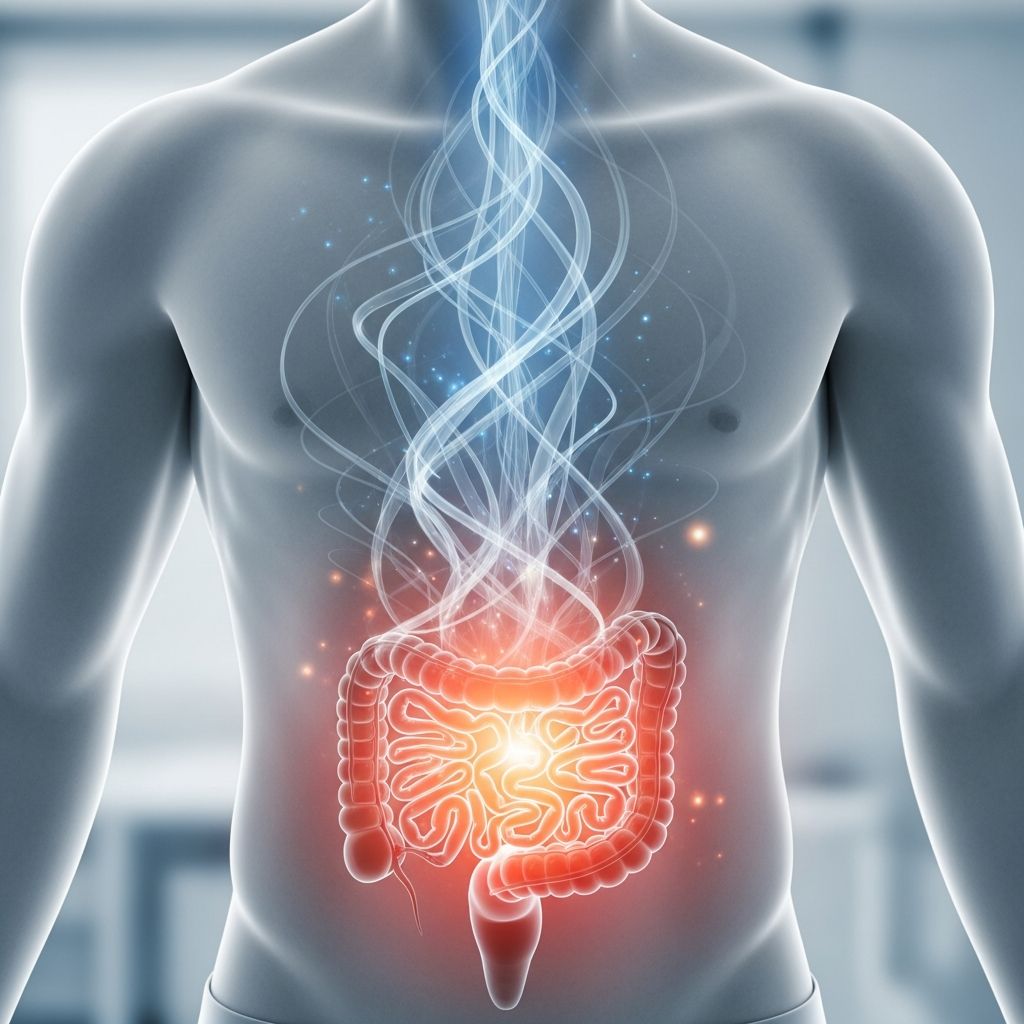
Stress doesn’t just affect your mind—it can manifest physically in your digestive system, particularly exacerbating gastroesophageal reflux disease (GERD). GERD occurs when stomach acid frequently flows back into the esophagus, causing irritation and symptoms like heartburn. Recent research shows a clear positive correlation between heightened stress levels and GERD symptom prevalence, with stressed individuals reporting more severe reflux.
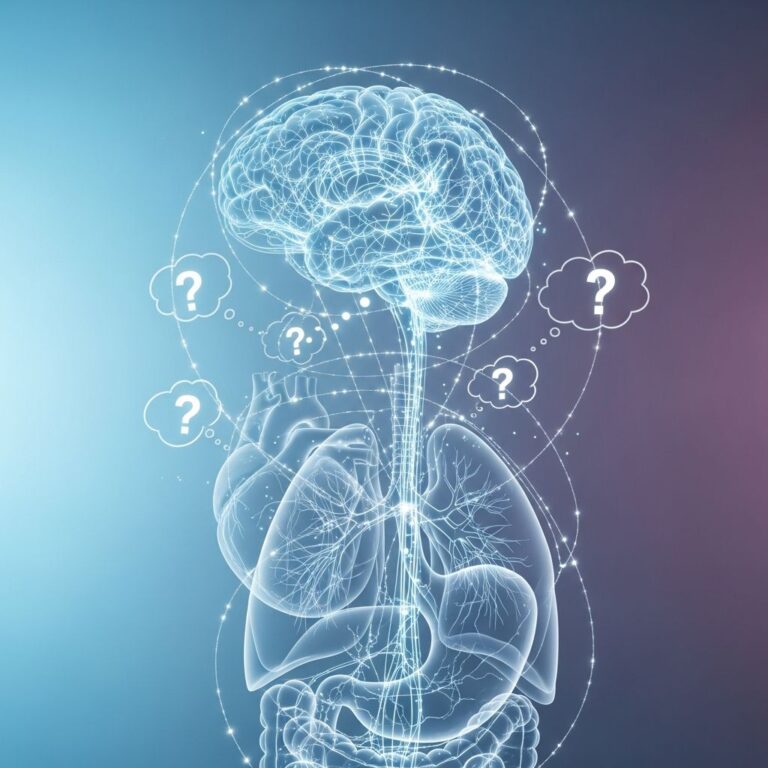
The gut-brain axis, a bidirectional communication pathway between the central nervous system and the gastrointestinal tract, explains this connection. When stressed, the body releases hormones like cortisol that alter digestion, weaken the lower esophageal sphincter (LES)—the muscle preventing acid backflow—and heighten sensitivity to acid in the esophagus. This article delves into symptoms, mechanisms, risk factors, and management strategies, drawing from peer-reviewed studies and clinical insights.
What Is GERD?
Gastroesophageal reflux disease (GERD) is a chronic condition where stomach acid or contents reflux into the esophagus, leading to inflammation and discomfort. Unlike occasional heartburn, GERD involves frequent episodes, often more than twice weekly. The LES normally acts as a barrier, relaxing briefly to allow food passage then tightening. In GERD, it weakens or relaxes inappropriately, permitting acid backwash.
Common triggers include obesity, hiatal hernia, pregnancy, connective tissue disorders, and delayed stomach emptying. Lifestyle factors like smoking, large meals, fatty foods, alcohol, coffee, and certain medications (e.g., aspirin) aggravate it. Untreated GERD risks esophagitis (esophageal inflammation), ulcers, strictures (narrowing), Barrett’s esophagus (precancerous changes), and rarely esophageal cancer.
Symptoms of GERD
GERD symptoms vary but center on esophageal irritation. Key signs include:
- Burning chest sensation (heartburn), often post-meal or at night, worsening when lying down.
- Regurgitation of sour liquid or food into the throat or mouth.
- Upper abdominal or chest pain.
- Dysphagia (difficulty swallowing).
- Lump-in-throat sensation (globus).
Nighttime reflux may cause chronic cough, laryngitis, or worsened asthma. Atypical symptoms like chest pain can mimic heart issues, necessitating medical evaluation. In silent GERD, damage occurs without classic heartburn.
How Stress Affects GERD
Stress significantly worsens GERD through multiple pathways. A 2024 study on medical students found higher Perceived Stress Scale (PSS) scores correlated with increased GERD prevalence: 5.3% in low-stress, 14.2% in moderate-stress, and 21.0% in high-stress groups (χ² = 7.299, p < 0.05). This linear relationship held across validated stress tools like PSS and Stress Scale Inventory (SSI), with 82.9% reporting moderate-severe stress on PSS.
Mechanisms include:
- LES dysfunction: Stress hormones reduce LES pressure, promoting reflux.
- Altered motility: Stress slows gastric emptying and heightens esophageal sensitivity, amplifying low-level acid as painful.
- Behavioral changes: Stressed individuals often smoke, drink alcohol, eat comfort foods, become inactive, or suffer insomnia—all GERD aggravators. Alcohol and smoking lower LES tone.
- Mucosal permeability: Stress increases esophageal lining vulnerability, fostering esophagitis.
- Visceral hypersensitivity: The mind-gut axis amplifies pain perception during reflux.
Population studies, like one in Norway, link psychosocial stressors (high job demand, low control) to GERD symptoms, confirming stress’s direct role regardless of source.
Risk Factors for Stress-Related GERD
Beyond general GERD risks, stress amplifies vulnerability in certain groups:
Related Stories



- High-stress professions: Medical students showed 21% GERD in high-stress cohorts.
- Lifestyle amplifiers: Poor sleep, sedentary habits, and emotional eating prevalent under stress.
- Pregnancy: Third-trimester uterine pressure and hormonal shifts weaken LES; stress compounds this.
- Demographics: No strong links to age, gender, sleep hours, or study load in recent data, but stress overrides these.
| Risk Factor | Impact on GERD | Stress Interaction |
|---|---|---|
| Obesity | Increases abdominal pressure | Stress promotes weight gain via cortisol |
| Smoking/Alcohol | Weakens LES | Stress triggers use |
| Pregnancy | Hormonal/Mechanical | Heightens anxiety |
| High Job Strain | Psychosocial stress | Direct symptom correlation |
Complications of Untreated GERD
Chronic reflux erodes esophageal tissue. Esophagitis causes inflammation, bleeding, ulcers, and pain. Esophageal strictures from scarring hinder swallowing. Barrett’s esophagus replaces normal cells with acid-resistant ones, raising cancer risk. Stress perpetuates this cycle by delaying healing and worsening symptoms.
Managing Stress to Alleviate GERD
Reducing stress directly mitigates GERD. The 2024 study recommends interventions for stressed populations like medical students. Strategies include:
- Lifestyle tweaks: Elevate bed head 6-8 inches, avoid meals 3 hours pre-bed, eat smaller portions, limit triggers (fatty/spicy foods, caffeine, alcohol).
- Stress reduction: Mindfulness meditation, yoga, deep breathing lower cortisol and improve LES function.
- Exercise: 30 minutes daily moderate activity aids digestion and stress relief; avoid intense post-meal workouts.
- Sleep hygiene: 7-9 hours nightly; stress management enhances quality.
- Medications: Antacids, H2 blockers, PPIs for acid control; consult for pregnancy.
Cognitive behavioral therapy (CBT) targets gut-brain hypersensitivity. Quitting smoking and moderating alcohol yield quick benefits.
When to See a Doctor
Seek care for frequent heartburn (2+ times/week), weight loss, vomiting blood, difficulty swallowing, or chest pain mimicking cardiac issues. Endoscopy diagnoses complications like Barrett’s. Pregnant individuals should avoid OTC meds without guidance.
Frequently Asked Questions (FAQs)
Can stress alone cause GERD?
No, but it strongly correlates with symptom worsening via LES relaxation and sensitivity.
How quickly does stress relief help GERD?
Techniques like meditation can reduce symptoms in weeks; combine with lifestyle changes for best results.
Is GERD linked to anxiety disorders?
Yes, bidirectional: GERD discomfort heightens anxiety, and stress amplifies reflux.
Are there foods that reduce stress and GERD?
Yes—oatmeal, ginger, non-citrus fruits, lean proteins soothe both.
Key Takeaways
- Stress heightens GERD via hormonal, behavioral, and neural paths.
- 21% GERD prevalence in high-stress groups vs. 5% low-stress.
- Manage with stress reduction, diet, elevation, and meds.
- Early intervention prevents complications like cancer risk.
References
- Stress and Gastroesophageal Reflux Disease: Are They Related? — PMC/NCBI. 2024. https://pmc.ncbi.nlm.nih.gov/articles/PMC11912298/
- Acid Reflux Disease: A Condition Brought on by Stress — Samitivej Hospitals. 2023. https://www.samitivejhospitals.com/article/detail/acid-reflux-disease
- The Mind-Body Connection: How Stress Affects GERD & How to Manage It — Hoag. 2024. https://www.hoag.org/articles/the-mind-body-connection-how-stress-affects-gerd-and-how-to-manage-it/
- Gastroesophageal Reflux Disease (GERD) – Symptoms and Causes — Mayo Clinic. 2025-01-10. https://www.mayoclinic.org/diseases-conditions/gerd/symptoms-causes/syc-20361940
Similar Articles








Read full bio of Sneha Tete