Felbinac for Pain and Inflammation (Traxam)
Effective topical NSAID gel and foam for relieving strains, sprains, and muscular pain with minimal systemic side effects.

Felbinac is a topical non-steroidal anti-inflammatory drug (NSAID) designed to provide targeted relief from pain and swelling associated with strains, sprains, and muscular injuries. Applied directly to the skin as a gel or foam, it works locally to reduce inflammation without significant systemic absorption, making it suitable for short-term use in adults and children over 12 years old.
| Type of medicine | Used for | Also called | Available as |
|---|---|---|---|
| A topical non-steroidal anti-inflammatory painkiller | Treating pain and swelling due to strains and sprains | Traxam® (discontinued in some markets) | Gel and foam |
About felbinac
Felbinac belongs to the class of non-steroidal anti-inflammatory drugs (NSAIDs), commonly known as anti-inflammatories. It is specifically formulated for topical application, meaning it is rubbed onto the skin over the affected area rather than taken orally. This targeted delivery allows felbinac to ease muscular pains, sprains, strains, and soft tissue injuries effectively.
The mechanism of action involves inhibiting the enzyme cyclooxygenase (COX), which plays a key role in producing prostaglandins—chemicals responsible for pain, fever, and inflammation. By blocking COX-1 and COX-2 pathways, felbinac reduces the biosynthesis of prostanoids derived from arachidonic acid, thereby alleviating local inflammation and pain at the site of application. Unlike oral NSAIDs, topical felbinac has lower systemic exposure, minimizing risks like gastrointestinal issues.
Felbinac is indicated for symptomatic relief of rheumatic pain, non-serious arthritic conditions, and soft tissue injuries including strains, sprains, and contusions. It is available both on prescription and over-the-counter in some pharmacies, suitable for adults and adolescents aged 12 and older. The foam formulation, such as Traxam® 3.17% w/w, provides a convenient, non-greasy option that absorbs quickly.
Clinical uses extend to conditions like osteoarthritis, muscular/fascial low back pain, shoulder periarthritis, tendonitis, tenosynovitis, and peritendinitis, offering localized relief without the need for systemic medications. Studies and pharmacological data confirm its efficacy in reducing pain scores and improving mobility in musculoskeletal disorders.
Before using felbinac
Before applying felbinac, consult a healthcare professional to ensure it is appropriate for your condition. Key precautions include:
- Pregnancy or breastfeeding: Avoid use, as safety data is limited. Inform your doctor if pregnant or nursing.
- Asthma or allergies: Those with asthma, hay fever, or allergic disorders may experience exacerbated symptoms with NSAIDs.
- Skin conditions: Do not apply on broken, infected, or eczematous skin, as it may worsen irritation.
- Previous reactions: History of allergic reactions to aspirin, ibuprofen, naproxen, indometacin, or other NSAIDs requires caution. Symptoms like rash, swelling, or breathing difficulties signal hypersensitivity.
- Other medications: Inform your doctor of concurrent use of oral NSAIDs, anticoagulants, or steroids, as interactions could occur despite topical administration.
Additionally, felbinac may increase skin photosensitivity, so protect treated areas from sunlight. Patients with renal impairment or cardiovascular risks should discuss alternatives, given NSAID class effects. Always perform a patch test on a small area if prone to skin sensitivities.
How to use felbinac
Follow the manufacturer’s instructions and your doctor’s advice precisely. Always read the patient information leaflet (PIL) supplied with the pack for detailed guidance and full side effect listings.
Dosage and application:
- Apply 2-4 times daily to the affected area, unless otherwise directed.
- For gel: Squeeze approximately 1 inch (1 g) of 3% gel and gently massage into clean, dry skin.
- For foam (e.g., Traxam): Use a golf ball-sized amount (about 10 g), rub lightly until absorbed.
- Maximum daily dose: 25 g total, regardless of application sites.
- Wash hands thoroughly after application, unless treating hands.
Related Stories



Treatment duration is typically 1-2 weeks. If symptoms persist beyond 14 days, consult a doctor for reassessment. Do not cover with bandages unless advised, and avoid eyes, mouth, or mucous membranes. For children over 12, use adult dosing under supervision.
| Formulation | Dose per Application | Frequency | Max Daily |
|---|---|---|---|
| 3% Gel | 1 inch strip (~1 g) | 2-4 times | 25 g |
| 3.17% Foam | Golf ball size (~10 g) | 2-4 times | 25 g |
Getting the most from your treatment
To optimize felbinac’s benefits:
- Combine with rest, ice, compression, and elevation (RICE protocol) for acute injuries.
- Avoid hot baths or showers immediately after application to enhance absorption.
- Protect skin from sunlight; use sunscreen or cover treated areas.
- Do not exceed recommended dose or duration to prevent skin sensitization.
- If no improvement in 7 days, seek medical advice for underlying issues like fractures.
For best results, apply to intact skin and maintain consistency. Adjunct therapies like gentle stretching can aid recovery.
Can felbinac cause problems?
While generally well-tolerated due to low systemic absorption, felbinac can cause local side effects. Most are mild and resolve with continued use or discontinuation.
| Side Effect | Description | Action |
|---|---|---|
| Skin irritation, itching, redness | Common, mild erythema, dermatitis, pruritus | Mild cases: continue; severe: stop and consult pharmacist |
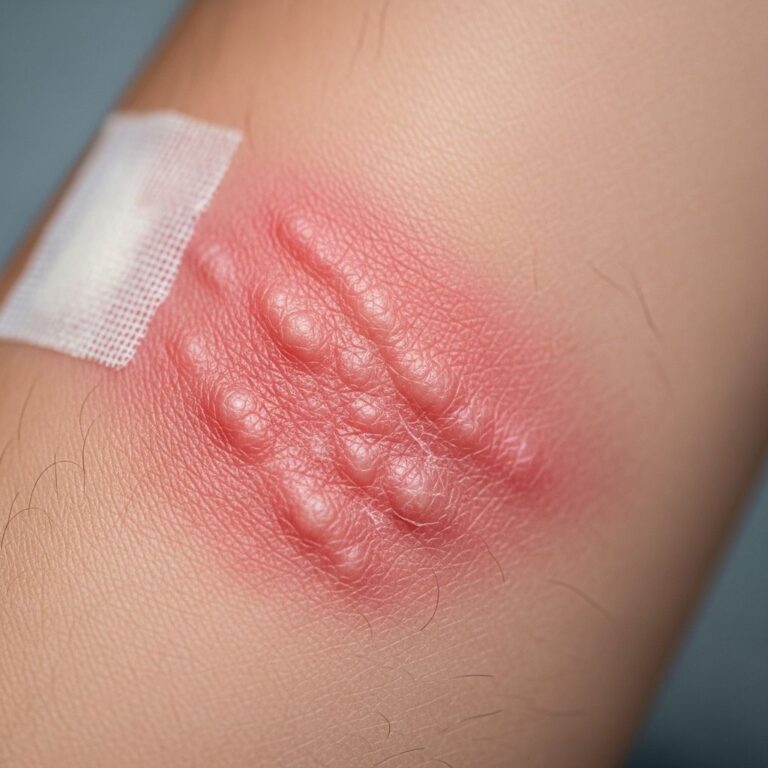
| Rash or blistering | Bullous reactions rare | Discontinue immediately |
| Photosensitivity | Increased sunburn risk | Avoid sun exposure |
| Rare systemic: nausea, dizziness | Due to absorption | Seek medical help |
Report severe reactions like swelling, breathing issues, or anaphylaxis urgently. Long-term use increases skin reaction risk. Full side effect list in PIL.
How to store felbinac
Store in a cool, dry place below 25°C, away from children and pets. Do not use after expiry date. Foam: do not puncture or incinerate even when empty. Dispose responsibly via pharmacy.
Important information about all medicines
- Disclose all medications, including over-the-counter, herbal, and homeopathic to your pharmacist or doctor.
- Inform surgeons or dentists of felbinac use before procedures.
- For personal use only; do not share, as conditions may differ.
- Keep out of reach of children. In overdose, seek immediate help.
Frequently Asked Questions (FAQs)
Can children use felbinac?
Suitable for ages 12+, under adult supervision. Not for under 12s.
Is felbinac safe during pregnancy?
Avoid; consult doctor due to limited data.
How long until felbinac works?
Relief often within hours; full effect in days.
Can I use felbinac with oral painkillers?
Yes, but check with pharmacist to avoid excess NSAIDs.
What if I forget a dose?
Apply next dose as scheduled; do not double up.
References
- Felbinac for pain and inflammation – Traxam — Patient.info. 2023. https://patient.info/medicine/felbinac-for-pain-and-inflammation-traxam
- Felbinac: Uses, Dosage, Side Effects — MIMS Philippines. 2024-01-13. https://www.mims.com/philippines/drug/info/felbinac
- Felbinac: Uses, Interactions, Mechanism — DrugBank Online. 2024. https://go.drugbank.com/drugs/DB07477
- Felbinac Indications, Pharmacology — Medex.com.bd. 2023. https://medex.com.bd/generics/2475/felbinac
- Traxam 3.17% w/w Cutaneous Foam SPC — HPRA Ireland. 2015-07-23. https://assets.hpra.ie/products/Human/22714/~db5_Ob91db62c23cb45d28b90b935fb07af9d-2165612-23072015135719-635732566408883750.pdf
- Felbinac Compound Summary — PubChem NCBI. 2024. https://pubchem.ncbi.nlm.nih.gov/compound/Felbinac
Similar Articles








Read full bio of Sneha Tete